


2 Days in Cairo: The Perfect 2-Day Cairo Itinerary for First-Time Visitors
|
|
|
|---|---|---|
|
|
|
|
|
|
Planning to spend 2 days in Cairo? Egypt's bustling capital offers an unforgettable combination of ancient wonders, world-class museums, historic mosques, traditional markets, and authentic Egyptian cuisine.
With two days in Cairo, you can explore the legendary Giza Pyramids, discover the treasures of the Grand Egyptian Museum, admire the architecture of the Citadel of Saladin, and experience the atmosphere of Khan el-Khalili Bazaar.
The secret to making the most of a short visit is planning your itinerary carefully. Cairo is a large city, and traffic can be unpredictable, so organizing attractions by location helps you spend more time exploring and less time travelling.
In this guide, you will discover the best things to do in Cairo in 2 days, a detailed day-by-day itinerary, practical transportation advice, estimated budgeting considerations, and answers to the most common questions travelers ask before visiting Egypt.
Whether you are visiting Egypt for the first time, planning a short holiday, or arranging a stopover, this itinerary will help you experience the highlights of Cairo.
Is 2 Days Enough to Visit Cairo?
Yes, two days are enough to experience several of Cairo's most famous attractions if you plan your schedule efficiently.
You can dedicate your first day to the Giza Pyramids, the Great Sphinx, and the Grand Egyptian Museum. On your second day, explore historic Cairo, visit the Citadel of Saladin, and discover the traditional shops and cafés of Khan el-Khalili Bazaar.
However, Cairo has far more attractions than you can comfortably see in two days. If you want to explore Saqqara, Memphis, Dahshur, or additional museums, consider extending your stay.
For travelers with limited time, a guided private tour can simplify transportation and help coordinate sightseeing.
If you prefer an organized experience, explore our 2-Day Cairo Highlights Guided Tour Including Camel Ride – All Inclusive.
Your 2-Day Cairo Itinerary at a Glance
Travel tip: The Grand Egyptian Museum near Giza and the Egyptian Museum in Tahrir Square are two separate museums. You do not need to visit both during a short trip. Choose according to your interests, available opening hours, and ticket availability.
Day 1: Giza Pyramids, the Sphinx, and the Grand Egyptian Museum
Your first day focuses on the ancient wonders that make Cairo one of the world's most famous travel destinations.
Start early to make the most of the cooler morning hours at the pyramids. Allow enough time for the archaeological site and museum instead of trying to squeeze too many additional attractions into the same day.
1. Visit the Great Pyramids of Giza
Suggested time: 8:00 AM–11:00 AM
No trip to Cairo is complete without visiting the Great Pyramids of Giza.
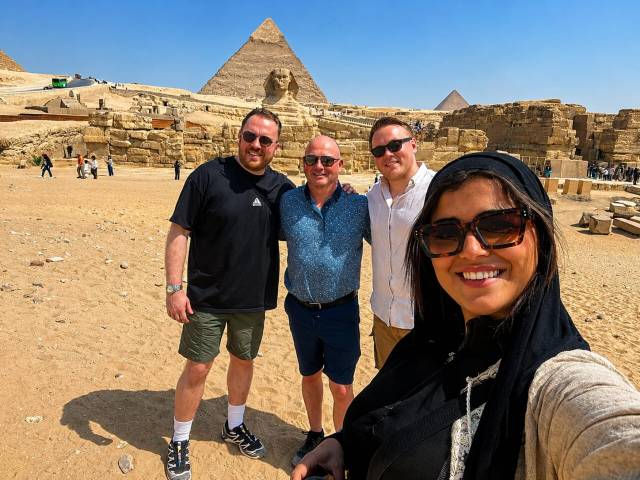
Located on the Giza Plateau, this extraordinary archaeological site is home to three famous pyramids associated with the pharaohs Khufu, Khafre, and Menkaure.
The Great Pyramid of Khufu is the largest of the three and the only surviving structure traditionally listed among the Seven Wonders of the Ancient World.
During your visit, you can:
Explore the pyramid complex and surrounding monuments.
Photograph the three famous pyramids.
Visit designated panoramic viewpoints.
Learn about the construction and history of the pyramids.
Purchase an additional ticket to enter an available pyramid, subject to current access rules and ticket availability.
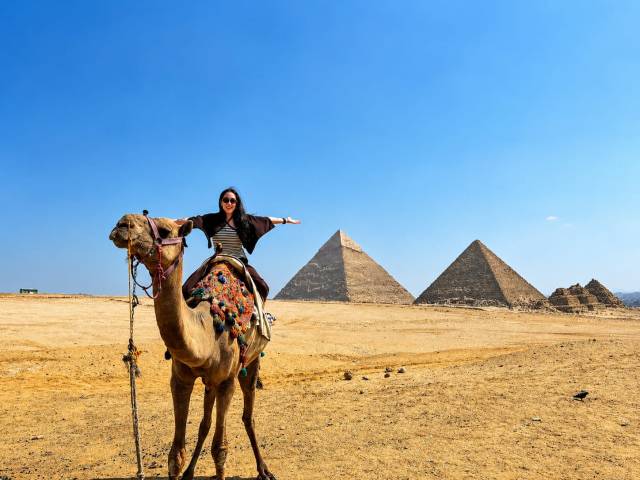
Arrange a camel ride through an authorized operator if you wish.
The plateau is large, and some walking surfaces are sandy or uneven. Wear comfortable shoes, carry drinking water, and bring sun protection.
If photography is important to you, allow extra time for the panoramic viewpoints. A knowledgeable guide can explain the differences between the pyramids and the surrounding funerary structures.
Practical tips for visiting the pyramids
Arrive early if possible, particularly during warmer months. Bring sunscreen, sunglasses, and a hat, and check which ticket categories cover the areas you want to visit.
Entry to the archaeological site and entry inside a pyramid are separate ticket matters, so confirm the current rules before your visit.
If you want a convenient sightseeing experience, consider our 2-day Cairo guided tour with a camel ride.
2. Discover the Great Sphinx of Giza
Suggested time: 11:00 AM–11:45 AM
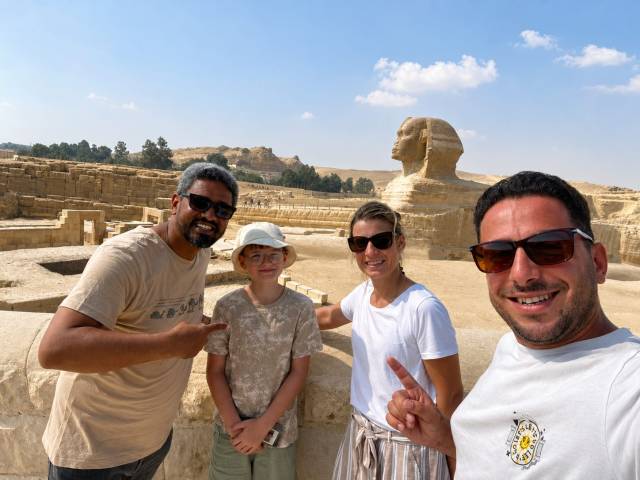
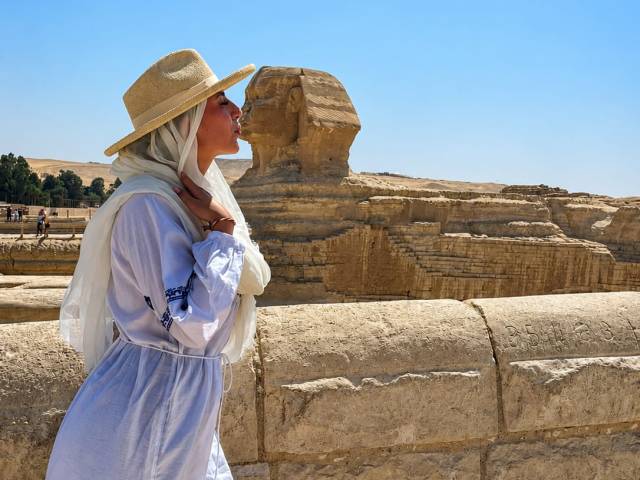
After exploring the pyramids, continue to the Great Sphinx, one of Egypt's most recognizable monuments.
The Sphinx is a monumental limestone sculpture with the body of a lion and a human head. It stands near the Pyramid of Khafre and has fascinated visitors for centuries.
During your visit, learn about the Sphinx's historical significance, its relationship to the Giza funerary complex, and the archaeological research surrounding the monument.
Allow time for photographs and a closer look at the surrounding Valley Temple area where access is permitted under current site rules.
Photography tip: The area around the Sphinx offers excellent opportunities for photographs, but viewpoints can become crowded. Be patient and follow site staff instructions.
3. Enjoy a Traditional Egyptian Lunch
Suggested time: 12:00 PM–1:00 PM
After a morning of exploring the pyramids, take a break for lunch.
Cairo offers many opportunities to sample Egyptian cuisine. Depending on your preferences, you could try:
Koshari: A popular combination of rice, pasta, lentils, chickpeas, and tomato sauce.
Taameya: Egyptian falafel, commonly made with fava beans.
Grilled kofta: Seasoned minced meat shaped into skewers.
Molokhia: A traditional green soup often served with rice.
Egyptian bread and salads: Common accompaniments to many local meals.
Choose a restaurant that fits your route and available time. If you have dietary restrictions, communicate them clearly before ordering.
Lunch is also a good opportunity to rest, recharge your phone, and prepare for the afternoon museum visit.
4. Explore the Grand Egyptian Museum
Suggested time: 1:00 PM–4:30 PM, depending on opening hours and your interests
The Grand Egyptian Museum, located near the Giza Pyramids, is one of the major cultural attractions to consider during your two days in Cairo.
The museum showcases Egypt's ancient civilization through archaeological objects, monumental sculptures, and carefully designed exhibition spaces.
Highlights include the Grand Staircase, monumental statues, royal artifacts, and collections exploring ancient Egyptian religion, kingship, art, and everyday life.
Allow several hours if you want to explore the main exhibitions without rushing. Visitors with a strong interest in ancient Egyptian history may wish to spend longer.
The museum's displays and visitor arrangements may change, so check the official Grand Egyptian Museum website for current opening hours, exhibitions, and ticket information before your visit.
Should you visit the Grand Egyptian Museum or the Egyptian Museum in Tahrir Square?
For an itinerary centered on the Giza Pyramids, the Grand Egyptian Museum is a practical choice because of its proximity to the plateau.
The Egyptian Museum in Tahrir Square is a separate attraction in central Cairo and may be a better choice for travelers who want to explore downtown on the second day.
Check current collection arrangements before choosing, as the locations and displays of particular artifacts can change.
5. Enjoy Dinner and Relax in Cairo
Suggested time: 6:00 PM onward
After a full day of sightseeing, enjoy a relaxed evening.
Depending on where you are staying, you could have dinner at an Egyptian restaurant, take a walk in a suitable public area, or enjoy a Nile-side meal.
Traditional Egyptian dishes, grilled meats, fresh salads, and local desserts offer a good introduction to the country's food culture.
If you prefer a quieter evening, return to your hotel and prepare for the next day's sightseeing.
Day 1 Summary
Giza Pyramids.
Great Sphinx.
Traditional Egyptian lunch.
Grand Egyptian Museum.
Dinner and relaxation.
This is a full day, so avoid adding distant attractions unless you have extra time and are comfortable with a busy schedule.
Day 2: Historic Cairo, the Citadel, and Khan el-Khalili
Your second day explores another side of Cairo: historic streets, religious architecture, medieval fortifications, traditional markets, and the atmosphere of the old city.
Start with the attractions that interest you most, and allow enough time to travel between locations.
1. Visit the Egyptian Museum or Explore Historic Cairo
Suggested time: 9:00 AM–11:00 AM
You have two good options for the morning, depending on your interests.
Option A: Visit the Egyptian Museum in Tahrir Square
If you want to learn more about ancient Egyptian artifacts, spend the morning at the Egyptian Museum in central Cairo.
The museum contains important collections from different periods of ancient Egyptian history. Its displays offer another perspective on the civilization you encountered at the Giza Pyramids.
Check current opening times and collection information before planning your visit.
Since the Grand Egyptian Museum is a separate institution, avoid assuming that every collection or object is displayed in both locations.
Option B: Explore Historic Cairo
If you prefer architecture and local culture, spend the morning exploring the historic districts of Cairo.
Depending on your route, you may discover old streets, traditional buildings, historic mosques, and churches.
Cairo's historic districts reward visitors who slow down and look beyond the main monuments. A knowledgeable local guide can explain the architectural details, historical context, and customs associated with the places you visit.
Choose one option rather than trying to cover every museum and historic district in a single morning.
2. Discover the Citadel of Saladin
Suggested time: 11:30 AM–1:00 PM
The Citadel of Saladin is one of Cairo's most important historic landmarks.
This fortified complex played a significant role in the city's military and political history. Today, visitors come to explore its architecture, religious buildings, courtyards, and elevated views across parts of Cairo.
One of its most recognizable landmarks is the Mosque of Muhammad Ali, also known as the Alabaster Mosque.
Its prominent domes and minarets make it one of the city's most distinctive architectural features.
During your visit, you can:
Admire the mosque's exterior and interior where visitor access is permitted.
Learn about the Citadel's historical importance.
Appreciate the architectural details of the complex.
Enjoy views across Cairo from designated viewpoints.
Dress respectfully when entering religious buildings, and check local rules regarding footwear and access.
The Citadel involves some walking and may include steps, so wear comfortable shoes.
3. Have Lunch in Cairo
Suggested time: 1:00 PM–2:00 PM
Take a break after visiting the Citadel.
You could enjoy a traditional Egyptian lunch or choose a restaurant serving regional and international cuisine.
If you have not yet tried koshari, taameya, or Egyptian grilled dishes, this is another opportunity to sample local food.
Allow enough time for lunch and transportation to the afternoon attractions. Traffic conditions can affect travel times, particularly during busy periods.
4. Explore Khan el-Khalili Bazaar
Suggested time: 2:30 PM–4:30 PM
Khan el-Khalili is one of Cairo's best-known traditional market districts and a memorable stop for visitors interested in shopping and local atmosphere.
The bazaar's narrow streets contain shops selling souvenirs, jewelry, metalwork, decorative lanterns, textiles, spices, and other products.
It is also an excellent place to observe everyday commercial life in the historic city.
Things to do at Khan el-Khalili include:
Browse traditional handicrafts and souvenirs.
Look for Egyptian-inspired decorative items.
Photograph the historic streets where permitted.
Enjoy mint tea or another drink at a local café.
Practice polite bargaining when shopping where appropriate.
Not every item sold in a market is necessarily handmade or locally produced, so ask questions if authenticity is important to you.
Keep your belongings secure in crowded areas, agree on prices before purchasing services, and take your time when comparing products.
5. Enjoy a Traditional Egyptian Café Experience
Suggested time: 4:30 PM–5:30 PM
After exploring the bazaar, take a break at a café in the historic district.
Enjoy a cup of Egyptian tea, mint tea, or another local drink while watching the surrounding streets.
Café visits offer a chance to slow down after a busy day and appreciate the city's social atmosphere.
If you are interested in photography, the surrounding streets can provide interesting architectural details and scenes of daily life. Always respect local privacy and ask permission when appropriate before photographing individuals.
6. Optional: Enjoy a Nile Dinner Cruise
Suggested time: Evening
If you still have energy, consider a Nile dinner cruise as an optional evening activity.
Depending on the operator and package, a cruise may include dinner, live entertainment, and views of Cairo from the river.
Before booking, check the departure location, cruise duration, meal arrangements, inclusions, and transportation requirements.
A dinner cruise is optional rather than essential. If you are tired after two days of sightseeing, a relaxed dinner near your hotel may be a better choice.
Day 2 Summary
Egyptian Museum in Tahrir Square or historic Cairo.
Citadel of Saladin and Mosque of Muhammad Ali.
Traditional Egyptian lunch.
Khan el-Khalili Bazaar.
Local café or optional Nile dinner cruise.
Can You Visit Saqqara and Memphis in Two Days?
Yes, but you may need to adjust your itinerary.
If you have already visited the Giza Pyramids or prefer archaeological sites to museums and markets, consider replacing part of the second day with an excursion to Saqqara and Memphis.
Saqqara is famous for the Step Pyramid of Djoser, a major landmark in the development of ancient Egyptian pyramid architecture.
Memphis was an important ancient Egyptian capital and archaeological site, with surviving monuments and artifacts illustrating its historical significance.
Dahshur, known for the Bent Pyramid and the Red Pyramid, is another option for travelers particularly interested in pyramid history.
However, visiting Giza, Saqqara, Memphis, and Dahshur in addition to the main Cairo attractions can make a two-day trip demanding.
For a more relaxed experience, select the sites that best match your interests rather than attempting to see everything.
If you prefer an organized itinerary, explore our 2-Day Cairo Highlights Guided Tour Including Camel Ride – All Inclusive.
Where to Stay for Two Days in Cairo
Choosing a convenient hotel can help you make better use of your limited time.
Giza
Giza is a practical option if the pyramids are your main priority. Staying nearby can make early-morning visits more convenient.
Some accommodations offer views of the pyramids, although views, facilities, and distances vary by property. Confirm the exact room category and location before booking.
Downtown Cairo
Downtown is useful for visitors interested in central Cairo, the Egyptian Museum in Tahrir Square, and access to a variety of restaurants and city attractions.
Traffic and transport times still matter, so check your intended routes before choosing a hotel.
Zamalek
Zamalek offers a different atmosphere, with restaurants, cafés, and accommodation options on an island in the Nile.
It can suit travelers looking for a base with dining options and access to different parts of the city.
Which Area Is Best?
For a short visit centered on Giza and the Grand Egyptian Museum, Giza can be convenient. For a trip emphasizing central Cairo and historic districts, Downtown Cairo or Zamalek may suit your plans better.
Compare actual travel times to your priority attractions rather than choosing a hotel solely because it is described as centrally located.
How to Get Around Cairo in Two Days
Cairo is a large city, and travel times can vary considerably depending on traffic, the time of day, and your route.
Private Car and Driver
A private car and driver can simplify travel between the pyramids, museums, the Citadel, and other attractions.
This option can be particularly convenient for families, couples, and travelers who want flexibility in their schedule.
A licensed Egyptologist guide can also explain the historical significance of the sites you visit.
Ride-Hailing Services and Taxis
Ride-hailing services may be useful for individual journeys, depending on availability and local conditions.
Check the destination and fare details before confirming a ride. With traditional taxis, agree on the fare or ensure the meter is used as appropriate.
Public Transportation
Cairo has public transportation options, including the metro, that can be useful for certain routes. However, the metro does not take you directly to every attraction in this itinerary.
You may need to combine public transport with walking or another form of transportation.
Is a Private Cairo Tour Worth It?
A private tour can be a practical option when you have only two days and want to visit several attractions efficiently.
Depending on the arrangement, you may be able to combine transportation, a guide, and a personalized sightseeing schedule.
Confirm exactly what is included in the price, including entrance tickets, meals, and optional activities.
For an organized two-day experience, view our 2-Day Cairo Highlights Guided Tour with Camel Ride and review the itinerary and inclusions before booking.
How Much Does a 2-Day Cairo Tour Cost?
The cost of spending two days in Cairo depends on your accommodation, transportation, dining choices, attractions, and travel style.
Your budget should account for:
Hotel accommodation.
Transportation between attractions.
Entrance tickets.
Guided tours.
Food and drinks.
Shopping and souvenirs.
Optional activities such as a camel ride or Nile dinner cruise.
Entrance fees and tour prices can change, so check current official ticket information and request an itemized quotation before booking.
If you are comparing guided tours, make sure you compare the same inclusions. A lower advertised price may exclude entrance tickets, meals, or other services.
Best Time to Visit Cairo for Two Days
Cairo can be visited throughout the year, but weather conditions influence how comfortable outdoor sightseeing will be.
October to April
The cooler months are often comfortable for visiting the pyramids and exploring historic districts.
Winter mornings and evenings can still feel chilly, so bring a light jacket.
May to September
Summer can be very hot, especially during the middle of the day.
If you visit during this period, prioritize early starts, lightweight clothing, sunscreen, drinking water, and breaks in shaded or air-conditioned spaces.
Ramadan and Public Holidays
During Ramadan and major holidays, opening hours, traffic, and the availability of some services may differ from usual schedules.
Check the opening hours of each attraction and restaurant before your visit.
Essential Tips for Visiting Cairo in Two Days
To make your short trip smoother, keep these practical tips in mind.
Start early. Visiting the pyramids in the morning can help you avoid some of the day's heat and crowds.
Book major attractions in advance when appropriate. Check official ticketing channels and current availability before arriving.
Allow time for traffic. Avoid scheduling attractions too tightly, particularly when travelling between Giza and central Cairo.
Dress comfortably and respectfully. Lightweight clothing and walking shoes are suitable for most sightseeing, while religious sites may have additional dress requirements.
Carry water and sun protection. These are particularly important when exploring outdoor archaeological sites.
Keep small amounts of cash available. Some small businesses and services may prefer cash, although payment options vary.
Confirm what your tour includes. Ask whether entrance tickets, guide services, transportation, meals, and optional activities are included.
Avoid overloading your itinerary. Two well-planned days are usually more enjoyable than a schedule that leaves no time to rest.
Frequently Asked Questions About Spending 2 Days in Cairo
1. Can You See Cairo in 2 Days?
Yes. Two days are enough to visit the Giza Pyramids, the Great Sphinx, the Grand Egyptian Museum, and selected historic attractions, provided you plan your route carefully. You will need additional time to explore Cairo's many neighborhoods and archaeological sites in greater depth.
2. What Is the Best Itinerary for 2 Days in Cairo?
Spend the first day exploring the Giza Pyramids, the Great Sphinx, and the Grand Egyptian Museum. Use the second day for historic Cairo, the Citadel of Saladin, and Khan el-Khalili Bazaar. Adjust the itinerary according to museum opening hours, your interests, and traffic conditions.
3. Can You Visit the Pyramids and the Grand Egyptian Museum in One Day?
Yes. Their proximity makes it practical to combine them, subject to opening hours, ticket availability, and the time you want to spend at each attraction. Start early and avoid scheduling too many additional activities on the same day.
4. How Much Does a 2-Day Cairo Tour Cost?
The cost depends on your group size, transportation, entrance tickets, meals, guide services, and accommodation. Check the current price and inclusions of each tour before booking, as advertised packages can differ significantly.
5. Is It Better to Book a Private Tour in Cairo?
A private tour can simplify transportation and help you visit multiple attractions efficiently, especially if you have only two days. It can also provide flexibility for families, couples, and travelers with particular sightseeing interests. Compare the itinerary and inclusions before making a decision.
6. Where Should I Stay for a 2-Day Cairo Trip?
Giza is convenient for visiting the pyramids and the Grand Egyptian Museum. Downtown Cairo is useful for central attractions and the Egyptian Museum in Tahrir Square, while Zamalek offers restaurants and cafés. Choose based on your planned itinerary and actual travel times.
7. Can I Visit Saqqara During a 2-Day Cairo Trip?
Yes. You can visit Saqqara if you prioritize archaeological sites and adjust your schedule accordingly. However, adding Saqqara, Memphis, and Dahshur may require reducing the time spent at museums or historic Cairo.
8. What Should I Wear in Cairo?
Lightweight, breathable clothing and comfortable walking shoes are good choices. Carry a scarf or another covering for religious sites, and bring sun protection for outdoor sightseeing. A light jacket can be useful during cooler winter mornings and evenings.
9. Is Cairo Safe for Tourists?
Many international visitors travel to Cairo and explore its major attractions. As in any large city, remain aware of your surroundings, protect your valuables, use reputable transportation, and consult your government's current travel advice before departure.
10. Is a Nile Dinner Cruise Worth It?
A Nile dinner cruise can be an enjoyable optional evening experience, particularly if you want to see Cairo from the river. Compare the cruise duration, food, entertainment, transport arrangements, and price before booking.
11. Can I Visit Cairo Without a Tour Guide?
Yes. Independent travel is possible, and you can arrange transportation and attraction tickets yourself. However, a knowledgeable guide can provide historical context and help coordinate a busy two-day schedule.
12. What Is the Best Way to Book a 2-Day Cairo Tour?
Compare itineraries, group sizes, guide services, transportation, entrance tickets, and meals before booking. Check the cancellation policy and confirm what is included in the final price.
If you prefer a guided experience, explore our 2-Day Cairo Highlights Guided Tour Including Camel Ride – All Inclusive.
Plan Your 2-Day Cairo Adventure
Two days in Cairo offer an unforgettable introduction to Egypt's history and culture. From the monumental pyramids of Giza to the collections of the Grand Egyptian Museum, and from the Citadel of Saladin to the lively streets of Khan el-Khalili, the city offers a remarkable range of experiences.
The best approach is to prioritize the attractions that interest you most, plan your transportation carefully, and leave enough time to enjoy each place.
For travelers who want to make the most of a short visit, a well-organized private itinerary can simplify transportation and sightseeing.
Ready to explore Cairo? Discover our 2-Day Cairo Highlights Guided Tour Including Camel Ride – All Inclusive to review the tour details and see whether it suits your travel plans.
With thoughtful planning, your two days in Cairo can become the beginning of a much longer love affair with Egypt.
Important Tips Before Visiting Cairo
Planning ahead can make a big difference when spending only two days in Cairo. Keep these essential tips in mind to enjoy a smoother, more comfortable trip.
1. Start Your Sightseeing Early
Begin your visit to the Giza Pyramids in the morning to make the most of cooler temperatures and allow enough time to explore the plateau and nearby attractions.
2. Book Your Tours in Advance
Booking your sightseeing tour ahead of time can help you organize transportation, guides, and activities. If you want to explore Cairo's highlights over two days, check our 2-Day Cairo Highlights Guided Tour Including Camel Ride – All Inclusive.
Review the itinerary, inclusions, ticket arrangements, and cancellation policy before confirming your booking.
3. Allow Extra Time for Cairo Traffic
Traffic can be unpredictable, particularly when travelling between Giza and central Cairo. Avoid scheduling attractions too close together, and leave a reasonable buffer between activities.
4. Wear Comfortable Clothes and Walking Shoes
Choose lightweight, breathable clothing and comfortable walking shoes. Bring sunglasses, sunscreen, and a hat, especially when visiting outdoor archaeological sites.
5. Carry Water and Protect Yourself from the Sun
Keep drinking water with you during sightseeing. Take breaks in shaded or air-conditioned areas, especially during hot weather.
6. Check Attraction Opening Hours
Museum opening hours, ticket arrangements, and access to certain monuments can change. Check official websites before your visit, particularly if you plan to see the Grand Egyptian Museum and the Giza Pyramids on the same day.
7. Understand What Your Tour Includes
Before booking, check whether transportation, a licensed guide, entrance tickets, meals, and optional activities are included in the advertised price. This helps you compare tour packages accurately and avoid unexpected expenses.
8. Carry Some Egyptian Pounds
Although many businesses accept card payments, some smaller shops and services may prefer cash. Keep a reasonable amount of local currency available and secure your valuables.
9. Dress Respectfully at Religious Sites
When visiting mosques and other religious buildings, wear clothing that covers your shoulders and knees. Carry a scarf if you may need to cover your hair at a mosque.
10. Keep Your Schedule Realistic
Two days are enough for several major highlights, but trying to visit every museum, historic district, and archaeological site can make your trip exhausting. Prioritize the attractions that interest you most and leave time to enjoy each experience.
Final tip: The best way to enjoy Cairo in two days is to combine good planning with some flexibility. Choose your priority attractions, arrange convenient transportation, and allow enough time to experience Egypt's remarkable history and culture.
Official Travel Resources
Grand Egyptian Museum – Official Website