


The Hanging Church
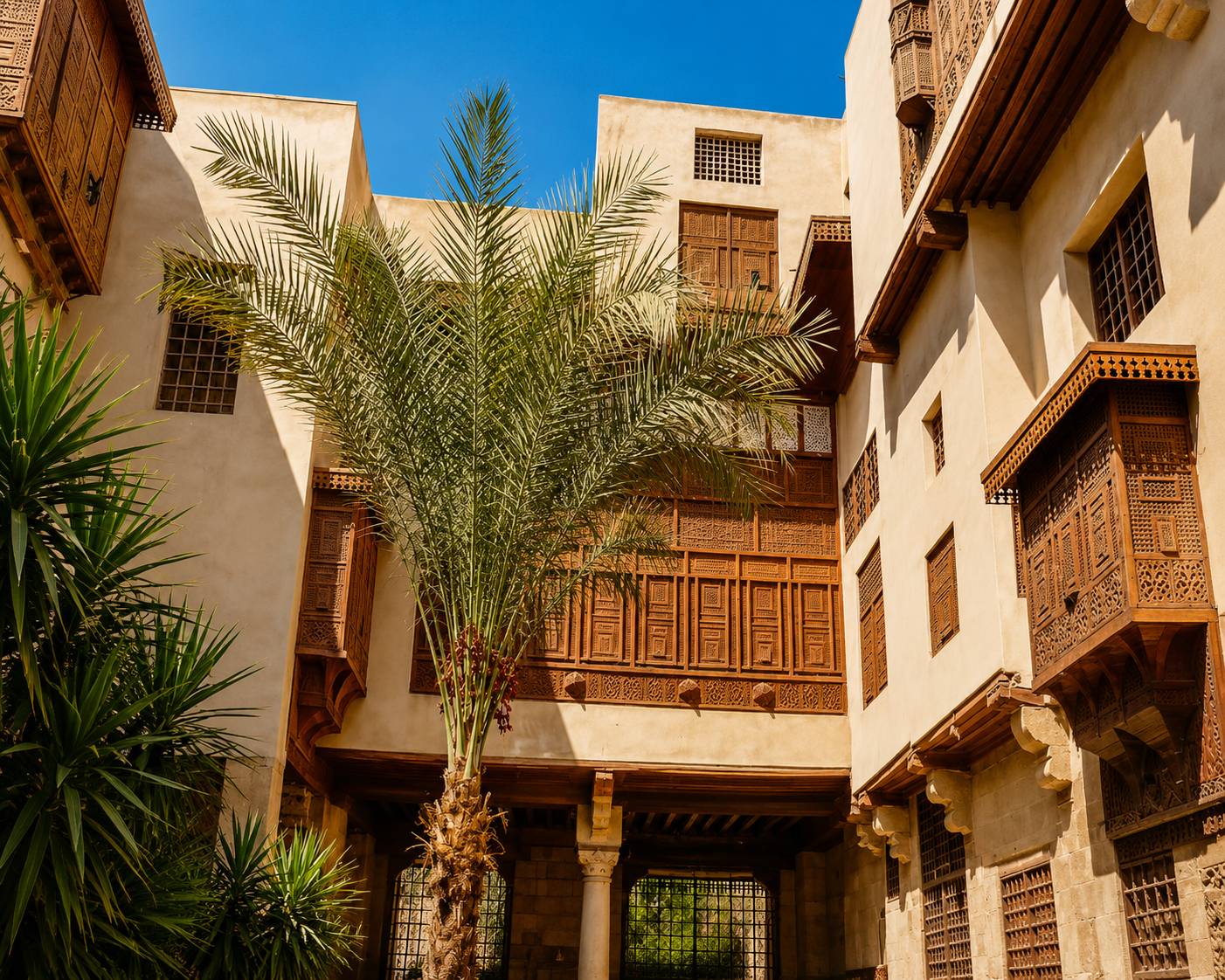
The Hanging Church in Cairo: History, Architecture & Visitor Guide
The Hanging Church in Cairo is one of Egypt's most remarkable Christian landmarks, offering visitors a fascinating introduction to the history, faith, and architectural traditions of Coptic Christianity. Located in the historic district of Coptic Cairo, this celebrated church stands among ancient religious monuments, narrow streets, and archaeological remains that reveal the city's rich cultural heritage.
Known officially as the Church of the Virgin Mary, the Hanging Church attracts travelers interested in religious history, ancient architecture, and the many civilizations that have shaped Egypt. Its beautifully decorated interior, historic wooden ceiling, religious icons, and unusual elevated position make it an essential stop for anyone exploring Old Cairo.
Whether you are visiting Cairo for the first time or returning to discover more of its hidden historical treasures, the Hanging Church offers a meaningful experience beyond the famous Pyramids of Giza.
Where Is the Hanging Church in Cairo?
The Hanging Church is located in Coptic Cairo, part of Old Cairo, south of central Cairo. The surrounding neighborhood is one of Egypt's most important historical districts, with churches, monasteries, museums, and archaeological sites reflecting centuries of religious and cultural development.
The church stands above the remains of a gateway associated with the Roman Fortress of Babylon. Its elevated position is the origin of its familiar English name, the Hanging Church.
The location makes it convenient to combine a visit with other nearby attractions, including the Coptic Museum, the Church of Saints Sergius and Bacchus, and the historic Ben Ezra Synagogue.
For travelers interested in understanding Cairo's Christian heritage, Coptic Cairo provides an opportunity to explore several significant landmarks within a relatively compact area.
Why Is It Called the Hanging Church?
The name "Hanging Church" refers to the church's position above the remains of an ancient Roman fortress gateway. Parts of its structure were built over the southern gate area of the Fortress of Babylon, giving the building its distinctive elevated appearance.
Unlike many churches that stand directly at street level, the Hanging Church rises above the archaeological structures beneath it. This unusual location has become one of its most recognizable characteristics.
The name does not suggest that the church is suspended in the air. Instead, it describes the historic construction and the way the building sits above the older fortress remains.
This connection between the church and the Roman fortress also highlights the layers of history found throughout Old Cairo, where monuments from different periods stand close together.
History of the Hanging Church
The Hanging Church is among the most important historic churches in Egypt's Coptic Christian tradition. Although the precise dating of its earliest construction and subsequent rebuilding is complex, the site is generally associated with the early medieval development of Coptic Cairo.
The church underwent several phases of renovation and reconstruction over the centuries. These changes reflect the long history of Christian worship in Egypt and the continued importance of the site to the local Coptic community.
During the medieval period, the church became an important religious center. It is particularly associated with the Coptic Orthodox Patriarchate, and several Coptic patriarchs are connected with its history. Its religious significance extended beyond its local congregation, helping establish its reputation as one of the most distinguished churches in the city.
Visitors today encounter a building that preserves elements from different historical periods. Its architecture, decorative details, and religious artwork tell a story of continuity, adaptation, and devotion.
Rather than representing a single moment in history, the Hanging Church illustrates how religious monuments can evolve while maintaining their central role within a community.
Architectural Features of the Hanging Church
One of the most interesting aspects of the Hanging Church is its combination of traditional Coptic church design, decorative craftsmanship, and its unusual position above the Roman fortress remains.
The Historic Wooden Ceiling
The church's wooden ceiling is one of its most distinctive interior features. Its design is often described as resembling the inverted hull of a ship, creating a striking effect above the central space.
The wooden structure adds warmth to the interior and contrasts with the stonework, icons, and other decorative elements. Visitors interested in historic craftsmanship should take time to observe how the ceiling contributes to the overall atmosphere of the building.
Religious Icons and Artwork
The Hanging Church is known for its collection of religious icons and decorative artwork. These images reflect the traditions of Coptic Christianity and provide insight into the visual language used in religious worship.
The icons depict sacred figures and biblical subjects, combining symbolic imagery with carefully arranged colors and details.
Because the church remains an active place of worship, visitors should approach these works respectfully and follow any photography restrictions or instructions from church staff.
Marble Columns and Interior Details
The interior contains architectural elements that contribute to its historic character, including columns, carved details, and ornamental features associated with traditional church design.
Differences in materials and decorative styles reflect the building's long history of restoration and modification. Looking closely at these details can help visitors appreciate the craftsmanship involved in maintaining an important religious monument over many centuries.
The Sanctuary and Screen
The sanctuary is a significant part of the church's religious layout. Traditional screens and decorative elements help distinguish the sanctuary from the main worship area, following practices found in Coptic Orthodox churches.
These features are not simply architectural decorations. They also reflect the spiritual organization and liturgical traditions of the Coptic Orthodox Church.
The Religious Significance of the Hanging Church
The Hanging Church holds an important place in Egypt's Christian heritage. The Coptic Orthodox Church represents one of the world's historic Christian traditions, with roots extending back to the early centuries of Christianity.
The church is associated with the Virgin Mary and has long served as a place of prayer, worship, and religious gatherings.
Its significance also comes from its historical connections with the Coptic Orthodox Patriarchate. The church was an important religious center during parts of its history, strengthening its position within the wider Coptic community.
For visitors, the site offers an opportunity to learn about the traditions that have shaped Christian life in Egypt. It also provides a reminder that Cairo's identity is influenced by multiple religious communities whose historic places of worship remain part of the city's cultural landscape.
Visitors should remember that the Hanging Church is more than a tourist attraction. It continues to have religious importance, and respectful behavior helps preserve the experience for worshippers and travelers alike.
What to See Near the Hanging Church
One of the main advantages of visiting the Hanging Church is its location within Coptic Cairo. Several important historical sites are situated nearby, making the district ideal for a half-day cultural excursion.
The Coptic Museum
The Coptic Museum presents a wide collection of objects associated with Egypt's Christian heritage. Exhibits include textiles, manuscripts, woodwork, stone carvings, icons, and other examples of religious and artistic craftsmanship.
A visit to the museum can provide additional context for the art and architecture seen inside the Hanging Church.
The Church of Saints Sergius and Bacchus
Also known as Abu Serga, this historic church is traditionally associated with the Holy Family's journey in Egypt. Its religious significance and underground crypt make it an important destination for visitors exploring Coptic Cairo.
The church offers a different architectural and historical experience from the Hanging Church, making the two sites a natural combination on a guided itinerary.
Ben Ezra Synagogue
Ben Ezra Synagogue is a historic Jewish religious site in Old Cairo. It reflects another important dimension of Egypt's religious and cultural history.
Its history is closely connected with the Jewish community of Cairo and the remarkable collection of historical documents known as the Cairo Geniza, which transformed scholarly understanding of medieval Jewish life and trade.
Access arrangements may vary, so confirm visitor availability before planning your route.
The Roman Fortress of Babylon
The remains of the Roman Fortress of Babylon help explain the historical setting of Coptic Cairo. Ancient defensive structures and archaeological remains provide evidence of the area's earlier role in the development of the city.
The relationship between the fortress and the Hanging Church is especially interesting because the church's elevated position is directly connected to the older Roman structures.
Best Time to Visit the Hanging Church
The best time to visit depends on your schedule and the wider Cairo itinerary.
Morning visits can be convenient for travelers who want to explore Coptic Cairo before moving on to other attractions. Starting earlier may also help you avoid some of the busier periods, although visitor numbers vary.
Weekdays may offer a quieter experience than particularly busy weekends or religious occasions. However, the church is an active place of worship, so services and special events can affect access.
During religious celebrations, the district may have a different atmosphere, but visitors should check access arrangements in advance and avoid disrupting worship.
Before visiting, confirm current opening hours and any restrictions directly with an official or reliable local source.
How Much Time Do You Need?
Many visitors can explore the Hanging Church in approximately 30–60 minutes, depending on their interest in its architecture, icons, and history. This is a general planning estimate rather than a guaranteed visit duration.
If you plan to visit the Coptic Museum, Abu Serga Church, and Ben Ezra Synagogue as well, allow additional time for walking between attractions, security checks, and possible waiting periods.
A half-day itinerary is often a practical choice for exploring the main landmarks of Coptic Cairo without rushing through the district.
How to Get to the Hanging Church
The Hanging Church can be reached by private car, taxi, or public transportation. The Mar Girgis area is served by Cairo Metro, making the district accessible for travelers comfortable using the city's public transport network.
For visitors staying in central Cairo or Giza, journey times depend heavily on traffic and the exact pickup location.
A private sightseeing tour can simplify transportation between Coptic Cairo and other attractions, especially if you want to visit several districts in one day.
If traveling independently, plan your route in advance and check current transport conditions before departure.
Dress Code and Visitor Etiquette
As an active Christian place of worship, the Hanging Church deserves respectful behavior from visitors.
Consider the following recommendations:
-
Wear modest clothing that covers the shoulders and knees.
-
Keep your voice low inside the church.
-
Follow instructions from church staff and security personnel.
-
Ask before photographing worshippers or restricted areas.
-
Respect religious services and avoid interrupting people who are praying.
-
Check whether photography is permitted in the areas you plan to visit.
These simple steps help protect the church's atmosphere and ensure a positive experience for everyone.
Is the Hanging Church Worth Visiting?
The Hanging Church is well worth including in a Cairo itinerary for travelers interested in history, architecture, religion, and cultural heritage. Its elevated structure, traditional wooden ceiling, religious icons, and connection with the Roman Fortress of Babylon distinguish it from many other attractions in the city.
The experience becomes even more rewarding when combined with nearby churches, the Coptic Museum, and other historical sites in Old Cairo.
For travelers who want to understand Cairo beyond its pharaonic monuments, Coptic Cairo reveals an essential part of Egypt's identity and history.
Explore Coptic Cairo with Let's Explore Egypt
Discover another side of Egypt with Let's Explore Egypt. A guided visit to Coptic Cairo can introduce you to the Hanging Church, Abu Serga Church, the Coptic Museum, and other important historic landmarks.
Combining these sites with a wider Cairo sightseeing itinerary allows you to experience the city's religious heritage alongside its ancient monuments, museums, and traditional neighborhoods.
Whether you are visiting Cairo for a short stay or planning a longer Egyptian holiday, Coptic Cairo offers a meaningful cultural experience that adds depth to your journey.
Explore Egypt's history beyond the pyramids and discover the remarkable heritage of the Hanging Church.
Frequently Asked Questions About the Hanging Church
1. What is the Hanging Church famous for?
The Hanging Church is famous for its elevated position above the remains of a Roman fortress gateway, its historic wooden ceiling, religious icons, and importance in Coptic Christian history.
2. Where is the Hanging Church located?
It is located in Coptic Cairo, in the historic Old Cairo district of Egypt, near other important Christian and Jewish heritage sites.
3. How old is the Hanging Church?
The church's history extends back to the early medieval period, although the site has undergone multiple phases of rebuilding and restoration. Its exact construction history is complex.
4. Why is it called the Hanging Church?
The name refers to the church's position above the remains of the Roman Fortress of Babylon's gateway structures.
5. How long should I spend at the Hanging Church?
Allow approximately 30–60 minutes for the church itself. A wider tour of Coptic Cairo may require half a day or longer.
6. Can I visit the Hanging Church with other attractions?
Yes. It is commonly combined with the Coptic Museum, Abu Serga Church, Ben Ezra Synagogue, and other nearby historic sites. Check current access arrangements before visiting.
7. Is there a dress code for the Hanging Church?
Modest clothing is recommended because it is an active religious site. Visitors should also follow local instructions and respect worshippers.
8. Is the Hanging Church suitable for first-time visitors to Cairo?
Yes. It is a useful introduction to Egypt's Coptic Christian heritage and complements visits to the Pyramids of Giza, museums, and historic Islamic Cairo.
9. Can I take photographs inside the Hanging Church?
Photography rules may vary by area and occasion. Check posted notices or ask church staff before taking pictures.
10. What is the best way to explore Coptic Cairo?
A guided walking tour can help explain the district's religious history and architectural features while allowing you to visit several nearby landmarks in one trip.
Recommended Tours to Visit the Hanging Church in Cairo
1. Coptic Cairo Tour – Private Half-Day Experience
Discover the spiritual heart of Old Cairo with a private guided tour through Egypt's historic Coptic district. Visit the famous Hanging Church, explore the Church of Saints Sergius and Bacchus, and discover the historic Ben Ezra Synagogue. Learn about Egypt's Christian heritage, ancient architecture, and the religious traditions that shaped this remarkable neighborhood.
Tour Highlights:
-
Visit the famous Hanging Church.
-
Explore the Church of Saints Sergius and Bacchus.
-
Discover the historic Ben Ezra Synagogue.
-
Enjoy private transportation and a licensed Egyptologist guide.
-
Enjoy lunch at a local restaurant.
-
Experience a flexible private sightseeing tour.
Duration: Approximately 4 hours
Price: From $35 per person, subject to availability and the booking page's current pricing.
2. Cultural Experience to Discover Coptic and Islamic Cairo
Explore two important sides of Cairo's cultural heritage on a guided sightseeing experience. Discover the historic religious landmarks of Coptic Cairo and experience the architectural and historical treasures of Islamic Cairo. This tour is an excellent choice for travelers who want to understand the city's diverse religious traditions and explore more of its historic districts in one trip.
Tour Highlights:
-
Discover Cairo's Coptic Christian heritage.
-
Explore historic religious and cultural landmarks.
-
Learn about the history of Islamic Cairo.
-
Enjoy insights from a qualified local guide.
-
Experience Cairo's diverse architectural traditions.
Explore Coptic and Islamic Cairo
Choose the Coptic Cairo Tour for a focused visit to the Hanging Church and nearby religious landmarks, or select the combined cultural experience if you want to explore both Coptic and Islamic Cairo.
-
Visit one of Egypt’s most famous historic Coptic Christian churches.
-
Explore the beautiful architecture of the ancient church in Coptic Cairo.
-
Admire traditional wooden ceilings, historic icons, and intricate religious decorations.
-
Discover the church’s connection to Egypt’s rich Coptic Christian heritage.
-
Learn about the church’s unusual name and its elevated position above the remains of a Roman fortress gateway.
-
Explore the surrounding historic district, known for its ancient churches and religious landmarks.
-
Combine your visit with the Coptic Museum, the Church of Saints Sergius and Bacchus, and the Ben Ezra Synagogue.
-
Experience the history and cultural diversity of Old Cairo with a private guided tour.