


Old Cairo
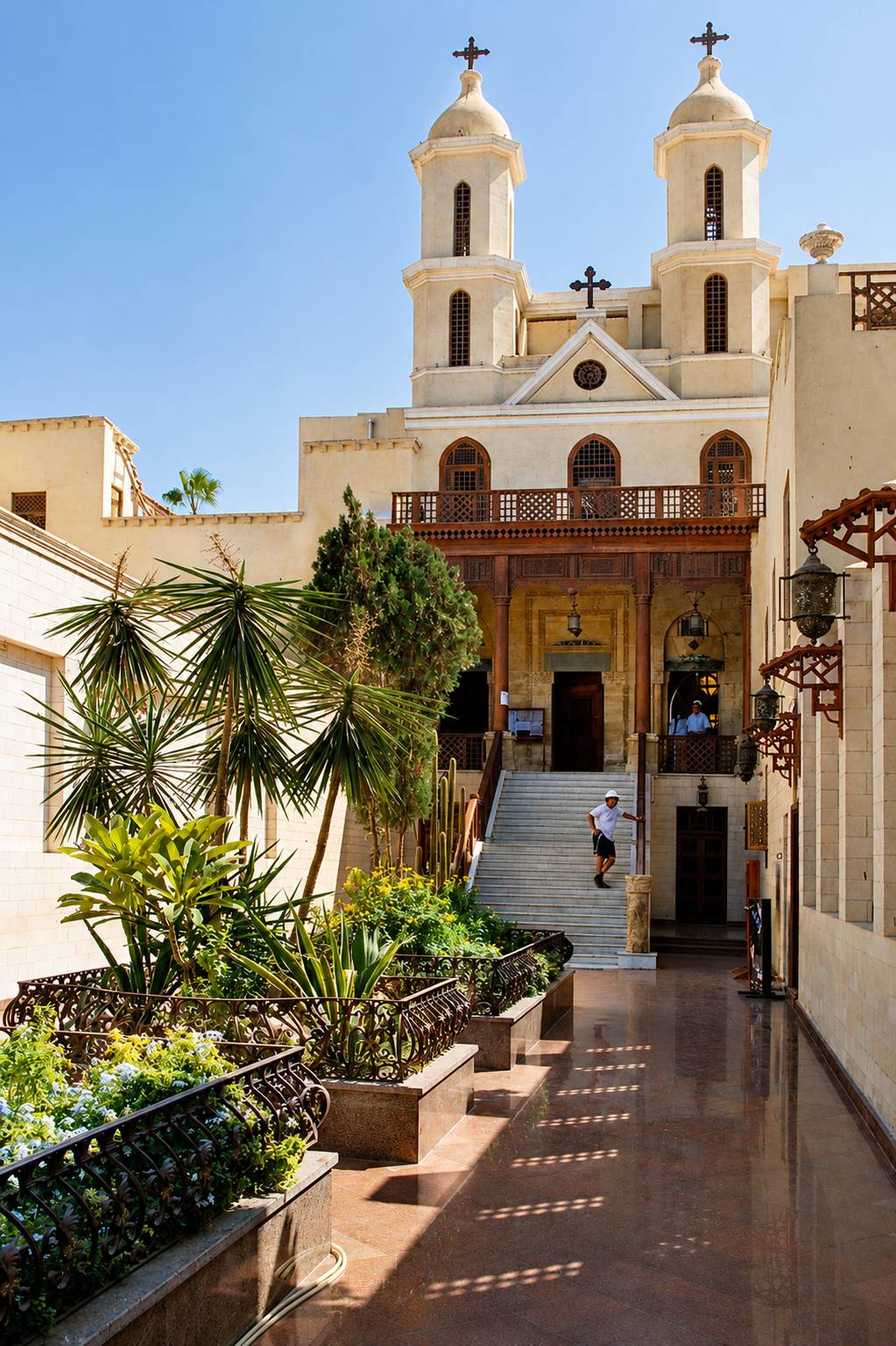
Old Cairo: Discover Egypt’s Ancient Religious Heritage and Historic Streets
Old Cairo is one of the most fascinating places to explore in Egypt, offering a remarkable journey through centuries of religious history, traditional architecture, and cultural exchange. Far from the busy streets of modern Cairo, this historic district reveals a different side of the Egyptian capital, where ancient churches, historic mosques, archaeological remains, and traditional neighborhoods tell stories of communities that have shaped the city for generations.
For travelers who want to understand Cairo beyond the Pyramids of Giza, Old Cairo provides an enriching cultural experience. The area is particularly famous for Coptic Cairo, its historic Christian landmarks, and important Islamic monuments that reflect Egypt’s diverse religious heritage.
Whether you are interested in architecture, religion, history, or photography, exploring Old Cairo offers an opportunity to discover some of the city's most meaningful historic sites.
Where Is Old Cairo Located?
Old Cairo lies in the southern part of the Egyptian capital, along the eastern bank of the Nile. The district includes several historically significant areas, particularly Coptic Cairo and the surroundings of the ancient Roman Fortress of Babylon.
The neighborhood is known for its concentration of religious landmarks, archaeological sites, and museums. Visitors can explore ancient churches, learn about Egypt's Coptic Christian traditions, and discover historic Islamic monuments within the wider Old Cairo area.
Its location makes it a valuable addition to a Cairo sightseeing itinerary, especially for travelers who want to combine cultural attractions with visits to the Egyptian Museum, the Citadel of Salah El-Din, or the Giza Pyramids.
The Historical Importance of Old Cairo
Old Cairo reflects the many layers of Egyptian history. The area developed around important settlements and defensive structures, including the Roman Fortress of Babylon, which became a significant landmark during the Roman and Byzantine periods.
Over the centuries, the district became an important center for Christian communities in Egypt. Historic churches and religious institutions preserved local traditions, artistic practices, and spiritual life through periods of political and cultural change.
The wider area also contains important Islamic heritage sites, illustrating the development of Cairo as a major center of Islamic civilization after the Arab conquest of Egypt in the seventh century.
Today, Old Cairo represents a meeting point of different religious traditions. Its churches, mosques, synagogues, and museums offer visitors a deeper understanding of the cultural diversity that has shaped Egypt over many centuries.
Top Attractions to Visit in Old Cairo
1. The Hanging Church
The Hanging Church, officially known as the Church of the Virgin Mary, is one of the most famous Christian landmarks in Egypt. It stands above remains associated with the Roman Fortress of Babylon, which explains its distinctive English name.
Inside, visitors can admire its historic wooden ceiling, religious icons, decorative screens, and traditional Coptic architectural features. The church has played an important role in Egypt's Christian heritage and remains a significant place of worship.
Its historic setting and beautiful interior make it a highlight of any Old Cairo walking tour.
2. The Church of Saints Sergius and Bacchus
Also known as Abu Serga, this historic church is traditionally associated with the Holy Family's journey through Egypt. According to Christian tradition, the family found refuge in the area during their travels.
The church is known for its historic architecture, religious significance, and underground crypt. It offers visitors another perspective on the traditions and beliefs that have shaped Coptic Christianity in Egypt.
Combining Abu Serga with the Hanging Church is a convenient way to explore two of Coptic Cairo's most important religious landmarks.
3. Ben Ezra Synagogue
Ben Ezra Synagogue is an important historic Jewish site in Old Cairo. It reflects the long-standing presence of Jewish communities in Egypt and their contribution to the city's cultural history.
The synagogue is particularly associated with the Cairo Geniza, a collection of historical documents that has provided scholars with valuable information about Jewish life, commerce, language, and social relationships across the medieval Mediterranean world.
Visitor access may change, so check current arrangements before including the synagogue in your itinerary.
4. The Coptic Museum
The Coptic Museum preserves an extensive collection of objects associated with Egypt's Christian heritage. Its exhibits include textiles, manuscripts, woodwork, stone carvings, icons, and other examples of religious and artistic craftsmanship.
The museum helps visitors understand the development of Coptic art and the cultural influences that shaped it over the centuries.
For travelers interested in the Hanging Church and nearby historic sites, the Coptic Museum provides useful context and adds depth to the experience.
5. The Roman Fortress of Babylon
The remains of the Roman Fortress of Babylon are central to understanding the history of the district. The fortress once played an important defensive role and influenced the development of the surrounding settlement.
Parts of the historic religious quarter grew around or above these older structures. The relationship between the fortress and the Hanging Church is especially interesting because the church's elevated position is connected to the remains beneath it.
Exploring the archaeological setting helps visitors recognize how different periods of Cairo's history overlap within the same neighborhood.
6. Amr Ibn Al-As Mosque
Located in the wider Old Cairo area, Amr Ibn Al-As Mosque is traditionally recognized as the first mosque established in Egypt following the Arab conquest in the seventh century.
The mosque has undergone extensive rebuilding and renovation throughout its history, so its present appearance reflects many different periods rather than only its earliest form.
Its religious and historical importance makes it a valuable stop for travelers interested in the development of Islam in Egypt and the transformation of Cairo into a major cultural center.
Check current access arrangements and opening times before visiting.
What Makes Old Cairo Unique?
Old Cairo stands out because several religious and cultural traditions can be explored within a relatively compact historic area.
Unlike destinations focused on one period of history, Old Cairo reveals different chapters of Egypt's past. Roman defensive structures, Coptic churches, Jewish heritage sites, Islamic monuments, and historic museums illustrate how communities lived alongside one another and contributed to the city's development.
The district also offers a different atmosphere from Cairo's modern commercial neighborhoods. Its historic buildings, quiet religious interiors, archaeological remains, and narrow streets encourage visitors to slow down and pay attention to details.
For travelers interested in cultural tourism, Old Cairo is an opportunity to discover the people, beliefs, and traditions behind Egypt's famous monuments.
Best Time to Visit Old Cairo
Morning is often a practical time to begin exploring Old Cairo, especially if you plan to visit several religious landmarks and museums. Starting earlier gives you more flexibility to manage transportation, walking time, and opening schedules.
Weekdays may be quieter at some sites, although visitor numbers vary. Religious services, holidays, restoration work, and special events can affect access to churches and other monuments.
The cooler months generally offer more comfortable conditions for walking around Cairo. During warmer periods, bring water, wear comfortable shoes, and allow breaks between outdoor visits.
Always verify opening hours and visitor restrictions before departure, particularly when planning a multi-site itinerary.
How Much Time Do You Need in Old Cairo?
A focused visit to Coptic Cairo may take approximately two to three hours, depending on which sites are open and how much time you spend inside each landmark.
If you want to include the Coptic Museum, additional religious sites, and Amr Ibn Al-As Mosque, consider allowing half a day or longer.
Travelers who also want to visit the Citadel of Salah El-Din, Khan El Khalili Bazaar, or the Egyptian Museum should plan their route carefully. Cairo traffic can make transfers between districts longer than expected.
A private guided tour can help organize the sequence of stops and provide historical explanations throughout the visit.
Travel Tips for Visiting Old Cairo
-
Dress respectfully: Choose modest clothing when visiting active religious sites.
-
Wear comfortable shoes: Exploring the district often involves walking between monuments.
-
Check opening hours: Religious sites and museums may follow different schedules.
-
Respect worshippers: Keep noise low and follow instructions from staff.
-
Ask about photography: Some interiors and religious areas may have restrictions.
-
Plan transportation: Consider travel times when combining Old Cairo with other districts.
-
Consider a licensed guide: Historical context can make the monuments more meaningful and help you understand their connections.
Explore Old Cairo with Let's Explore Egypt
With Let's Explore Egypt, travelers can discover Cairo's rich cultural heritage through guided sightseeing experiences and private tours.
A visit to Old Cairo can include the Hanging Church, the Church of Saints Sergius and Bacchus, Ben Ezra Synagogue, and other historic landmarks, subject to availability and the selected tour program.
You can also combine your exploration of Old Cairo with other attractions to create a broader Cairo experience, from ancient religious monuments to historic Islamic architecture and the city's famous archaeological treasures.
For visitors who want more than a quick photo stop, a guided cultural tour offers an opportunity to learn about the traditions, architecture, and communities that have shaped Egypt over centuries.
Discover Old Cairo with Let's Explore Egypt and experience a different side of Egypt's extraordinary history.
Frequently Asked Questions About Old Cairo
1. What is Old Cairo famous for?
Old Cairo is famous for its historic churches, religious landmarks, archaeological remains, museums, and the cultural heritage of Egypt's Christian and Muslim communities.
2. Is the Hanging Church located in Old Cairo?
Yes. The Hanging Church is in Coptic Cairo, a historic district within Old Cairo.
3. What are the main attractions in Old Cairo?
Popular landmarks include the Hanging Church, the Church of Saints Sergius and Bacchus, Ben Ezra Synagogue, the Coptic Museum, the Roman Fortress of Babylon remains, and Amr Ibn Al-As Mosque.
4. How long should I spend in Old Cairo?
Allow two to three hours for a focused visit to Coptic Cairo. A broader itinerary including museums and additional monuments may require half a day or more.
5. Is Old Cairo suitable for families?
Yes. Families interested in history, architecture, and cultural experiences can enjoy Old Cairo. Plan for walking, check accessibility, and adapt the itinerary to children's needs.
6. Can I visit Old Cairo and the Pyramids on the same day?
It may be possible, but the sites are in different areas and travel times depend on traffic. A carefully planned itinerary is recommended to avoid rushing.
7. Do I need a guide to explore Old Cairo?
A guide is not always essential, but a knowledgeable licensed guide can explain the historical and religious significance of the monuments and help organize the visit.
8. What should I wear when visiting Old Cairo?
Comfortable, modest clothing is recommended, especially when entering active churches and mosques. Follow any specific instructions provided at each site.
Discover the rich history and cultural heritage of Old Cairo with Let's Explore Egypt. Choose a guided Coptic Cairo experience to explore the famous Hanging Church, Abu Serga Church, Ben Ezra Synagogue, and the Coptic Museum. Alternatively, enjoy a broader cultural experience combining the historic landmarks of Coptic and Islamic Cairo.
Recommended experiences:
Explore Old Cairo with knowledgeable local guides and discover the stories behind Egypt's remarkable religious landmarks.
Old Cairo Tour – Highlights
-
Explore the historic district of Old Cairo, home to some of Egypt’s most important religious and cultural landmarks.
-
Visit the famous Hanging Church, known for its unique architecture and rich Coptic Christian heritage.
-
Discover the Church of Saints Sergius and Bacchus, traditionally associated with the Holy Family’s journey through Egypt.
-
Explore Ben Ezra Synagogue and learn about the history of Cairo’s Jewish community.
-
Visit the Coptic Museum and discover centuries of Christian art, manuscripts, and religious artifacts.
-
See the historic remains of the Roman Fortress of Babylon.
-
Discover Amr Ibn Al-As Mosque, traditionally recognized as the first mosque established in Egypt.
-
Learn about the religious diversity and cultural traditions that shaped Cairo over the centuries.
-
Enjoy fascinating historical insights from a knowledgeable local guide.
-
Experience the atmosphere of Old Cairo on a memorable cultural sightseeing tour with Let's Explore Egypt.