


Amr Ibn Al-As Mosque in Cairo
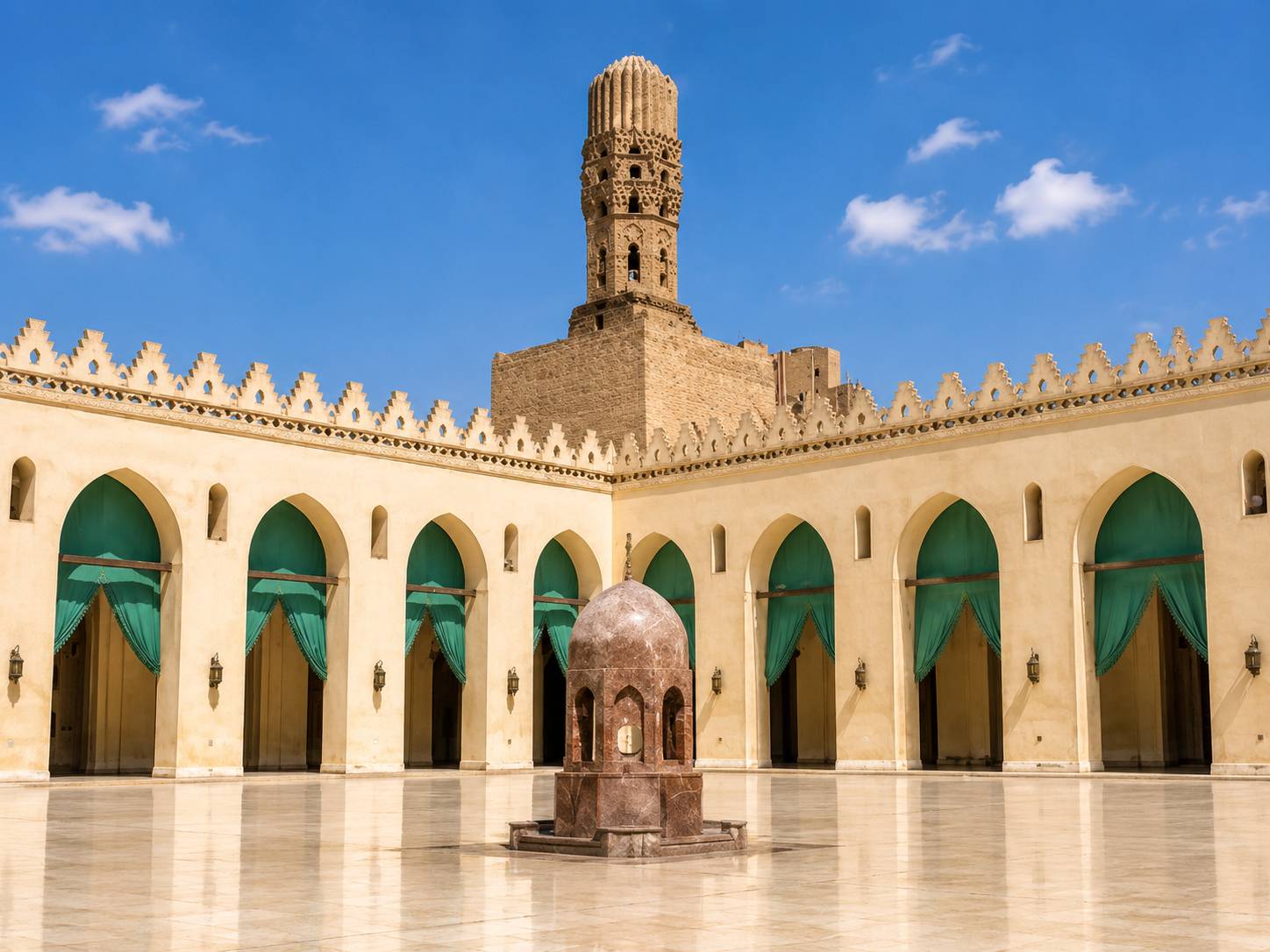
Amr Ibn Al-As Mosque in Cairo: History, Architecture & Visitor Guide
The Amr Ibn Al-As Mosque is one of the most important landmarks in Egypt's Islamic history and a fascinating destination for travelers exploring Old Cairo. Located in the historic district of Fustat, the mosque is traditionally recognized as the first mosque established in Egypt following the Arab conquest in the seventh century.
More than a place of worship, the mosque represents an important chapter in the transformation of Egypt into a major center of Islamic civilization. Its history is closely connected with the development of Fustat, the earliest Arab-founded capital of Egypt, and the growth of the wider Cairo region.
For visitors interested in history, religion, architecture, and cultural heritage, the Amr Ibn Al-As Mosque offers an opportunity to discover a different side of Egypt beyond its ancient pharaonic monuments.
Where Is Amr Ibn Al-As Mosque Located?
The Amr Ibn Al-As Mosque is located in Fustat, within the historic Old Cairo area, south of central Cairo. The surrounding district contains important archaeological remains and religious landmarks that reflect different periods of Egyptian history.
The mosque is associated with the settlement established after the Arab conquest of Egypt in the seventh century. Fustat became an important administrative and commercial center, helping shape the development of the city that eventually grew into modern Cairo.
Its location makes the mosque a valuable stop for travelers exploring Old Cairo. Depending on opening hours and visitor access, it can be combined with the Coptic Museum, the Hanging Church, the Church of Saints Sergius and Bacchus, and other nearby cultural attractions.
The History of Amr Ibn Al-As Mosque
The mosque was founded around 641–642 CE, following the Arab conquest of Egypt led by Amr ibn al-As. It is traditionally regarded as the first mosque built in Egypt and one of the earliest Islamic religious institutions in Africa.
Its establishment was closely connected with the foundation of Fustat, which became the first Arab administrative capital of Egypt. The mosque served as a center for prayer and religious learning while the settlement developed into an important urban community.
The original building was much smaller and simpler than the mosque visitors see today. Over the centuries, it underwent repeated expansions, renovations, and reconstructions under successive rulers. As a result, much of the present structure reflects later periods rather than the original seventh-century building.
Despite these changes, the mosque has maintained its historical significance. It remains an important symbol of the early development of Islam in Egypt and the country's role in the wider Islamic world.
Who Was Amr Ibn Al-As?
Amr ibn al-As was an Arab military commander and political leader who played a major role in the Arab conquest of Egypt during the seventh century. He later served as governor of Egypt and was closely associated with the establishment of Fustat.
His name is permanently linked to the mosque because of his role in the conquest and the founding of the early Muslim settlement. The mosque consequently became a landmark associated with the beginning of a new period in Egypt's political and religious history.
Understanding his historical role helps explain why the mosque holds such an important place in Egyptian heritage.
Architectural Features of Amr Ibn Al-As Mosque
The architecture of the Amr Ibn Al-As Mosque reflects centuries of rebuilding and adaptation. Although the original structure has not survived in its earliest form, the mosque preserves the traditional elements of a large Islamic place of worship.
The Spacious Courtyard
The courtyard provides an open area within the mosque complex and helps organize movement between the surrounding structures and prayer spaces.
It also gives visitors an opportunity to appreciate the scale of the complex and observe how its architectural elements work together. The courtyard's appearance reflects the building's later architectural phases rather than a single historical period.
The Prayer Hall
The prayer hall is one of the mosque's central features. Rows of columns and arches help organize the interior and create a distinctive architectural rhythm.
The design reflects the importance of communal prayer in Islamic religious practice. Visitors interested in architecture can observe the relationship between the columns, open spaces, and structural elements.
Islamic Architectural Details
The mosque has been altered many times, meaning its architectural appearance includes features associated with different periods of Islamic history.
Rather than viewing the building as a perfectly preserved monument from the seventh century, visitors should understand it as a historic religious complex shaped by successive generations.
This layered history is part of what makes the mosque valuable to anyone interested in the evolution of Islamic architecture in Egypt.
The Religious and Cultural Importance of the Mosque
The Amr Ibn Al-As Mosque has long been an important place of worship and a symbol of Egypt's Islamic heritage.
Its historical role extends beyond its religious function. The mosque was connected with the growth of Fustat as a center of administration, commerce, scholarship, and community life.
Over time, the wider Cairo region developed into one of the major centers of Islamic learning and culture. The mosque's history helps visitors understand the early foundations of that development.
Today, it remains a functioning religious site. Visitors should respect prayer times, follow local instructions, and remember that the building serves worshippers as well as travelers interested in history.
What to See Near Amr Ibn Al-As Mosque
One of the advantages of visiting the mosque is its location within the wider historic area of Old Cairo. Several significant cultural attractions can be included in the same sightseeing itinerary.
The Hanging Church
The Hanging Church is one of Egypt's most famous Coptic Christian landmarks. Located in Coptic Cairo, it is known for its elevated position above remains associated with the Roman Fortress of Babylon, its traditional wooden ceiling, and its historic religious icons.
Visiting the church provides a complementary perspective on Egypt's Christian heritage.
The Church of Saints Sergius and Bacchus
Also known as Abu Serga, this historic church is traditionally associated with the Holy Family's journey through Egypt. It is an important destination for visitors interested in Coptic Christian history and architecture.
The church can be combined with the Hanging Church as part of a visit to Coptic Cairo, subject to current opening hours and access arrangements.
The Coptic Museum
The Coptic Museum presents collections of objects associated with Egypt's Christian history, including manuscripts, textiles, icons, woodwork, and stone carvings.
It offers valuable context for understanding the development of Coptic art and the cultural diversity of historic Cairo.
Ben Ezra Synagogue
Ben Ezra Synagogue is an important historic Jewish landmark in Old Cairo. Its history reflects the long-standing presence of Jewish communities in Egypt and their contribution to the city's cultural life.
Access arrangements can change, so check current visitor information before including it in your plans.
The Historic Fustat Area
The wider Fustat district contains archaeological and cultural sites associated with the early development of Islamic Cairo. Exploring the area provides a broader understanding of the settlement that grew around the mosque and later contributed to the development of the Egyptian capital.
A guided visit can help explain the relationship between the surviving monuments, archaeological remains, and the city's historical development.
Best Time to Visit Amr Ibn Al-As Mosque
The best time to visit depends on your sightseeing schedule and the mosque's current visitor arrangements.
Morning: An earlier visit may be convenient for travelers planning to explore several historic attractions during the same day. Check access hours before departure.
Weekdays: These may be suitable for a cultural visit, although religious activities and visitor numbers vary.
Religious occasions: The mosque may be especially busy during Friday prayers and Islamic holidays. These periods can affect access and the experience for sightseeing visitors.
Because it is an active religious site, visitors should confirm current opening hours and any restrictions before traveling.
How Much Time Do You Need?
Allow approximately 30–60 minutes for a focused visit to the mosque. This is a general planning estimate; the actual duration depends on visitor access, interest in the architecture, and whether a guide is providing historical explanations.
If you plan to explore nearby churches, museums, and other landmarks in Old Cairo, a half-day itinerary may be more practical.
Travelers who also want to visit the Citadel of Salah El-Din, Khan Khalili Bazaar, or the Pyramids of Giza should allow additional time for transfers and Cairo traffic.
Dress Code and Visitor Etiquette
The Amr Ibn Al-As Mosque is an active place of worship, so visitors should dress modestly and behave respectfully.
-
Wear clothing that covers the shoulders and knees.
-
Follow any footwear instructions provided at the entrance.
-
Keep your voice low inside the prayer areas.
-
Avoid interrupting worshippers or religious activities.
-
Ask permission before photographing people.
-
Follow signs and instructions from mosque staff.
These simple steps help preserve the religious atmosphere and ensure a respectful visit.
How to Get to Amr Ibn Al-As Mosque
The mosque can be reached by taxi, private vehicle, or public transportation, depending on your starting point. Travel time varies with traffic and the location of your hotel.
If you are staying in Giza or central Cairo, plan your journey carefully, particularly if you intend to visit multiple attractions in one day.
A private sightseeing tour can make transportation easier and help you combine the mosque with other historic sites. Walking is also useful when exploring the surrounding district, so comfortable shoes are recommended.
Is Amr Ibn Al-As Mosque Worth Visiting?
The Amr Ibn Al-As Mosque is well worth visiting for travelers who want to understand the origins of Islamic history in Egypt. Its importance lies not only in its architecture but also in its connection with the founding of Fustat and the early development of Muslim life in the country.
The mosque offers a different experience from Cairo's ancient Egyptian monuments and medieval fortress complexes. It introduces visitors to the historical foundations of Egypt's Islamic heritage and the cultural transformation that shaped the capital over many centuries.
When combined with other Old Cairo attractions, the mosque becomes part of a rewarding cultural itinerary that explores Egypt's diverse religious traditions.
Explore Old Cairo with Let's Explore Egypt
Discover the cultural heritage of Cairo with Let's Explore Egypt. A guided sightseeing experience can introduce you to the historic Amr Ibn Al-As Mosque and other landmarks that reveal the city's religious, architectural, and cultural history.
Depending on your selected tour, you may be able to combine the mosque with Coptic Cairo, the Hanging Church, the Coptic Museum, or other attractions in historic Cairo.
Exploring these sites with a knowledgeable licensed guide can help you understand how different communities and historical periods contributed to the city that exists today.
Discover the historic heart of Cairo with Let's Explore Egypt and explore the remarkable heritage of one of Egypt's most important Islamic landmarks.
Frequently Asked Questions About Amr Ibn Al-As Mosque
1. What is Amr Ibn Al-As Mosque famous for?
It is traditionally recognized as the first mosque established in Egypt following the Arab conquest in the seventh century and is closely associated with the founding of Fustat.
2. Where is Amr Ibn Al-As Mosque located?
The mosque is located in Fustat, in the historic Old Cairo area of Cairo, Egypt.
3. When was the mosque built?
The mosque was founded around 641–642 CE. It has undergone numerous expansions and reconstructions, so the current building differs significantly from the original structure.
4. Who was Amr Ibn Al-As?
Amr ibn al-As was the Arab commander associated with the conquest of Egypt in the seventh century and the establishment of Fustat.
5. How long should I spend at the mosque?
A focused visit may take approximately 30–60 minutes. Allow additional time if you are exploring nearby historic attractions.
6. Can tourists visit Amr Ibn Al-As Mosque?
Visitor access depends on current arrangements and religious activities. Check local information before your visit and follow all instructions at the site.
7. What should I wear when visiting the mosque?
Modest clothing is recommended. Visitors should also follow any footwear, photography, and access rules posted at the entrance.
8. Can I visit the mosque and the Hanging Church on the same day?
Yes. Both can be included in a broader Old Cairo itinerary, although travel time and the opening hours of each site should be considered.
9. Is a guide recommended?
A licensed guide can explain the mosque's historical significance, its relationship with Fustat, and the development of Islamic architecture in Egypt.
10. Is Amr Ibn Al-As Mosque suitable for a Cairo cultural tour?
Yes. It is a meaningful stop for travelers interested in Islamic history, religious architecture, and the cultural heritage of Old Cairo.
Recommended Tours to Explore Amr Ibn Al-As Mosque and Old Cairo
Discover the rich Islamic and Christian heritage of historic Cairo with Let's Explore Egypt. Explore Old Cairo's historic landmarks, visit the famous Hanging Church, and learn about the religious traditions that have shaped Egypt over centuries.
Recommended experiences:
Choose the tour that best matches your interests and schedule. Please confirm the exact itinerary before booking if visiting Amr Ibn Al-As Mosque is essential, as not every Cairo tour includes this stop.
Amr Ibn Al-As Mosque – Tour Highlights
-
Visit one of Egypt’s most historically significant Islamic landmarks, traditionally recognized as the country’s first mosque.
-
Discover the history of Amr Ibn Al-As Mosque, founded around 641–642 CE.
-
Explore the mosque’s spacious courtyard and distinctive architectural features.
-
Admire the columns, arches, and prayer hall of this historic religious complex.
-
Learn about Amr ibn al-As and the founding of Fustat, Egypt’s first Arab administrative capital.
-
Discover the early development of Islam in Egypt and the growth of Islamic Cairo.
-
Explore the historic Fustat district and its archaeological heritage.
-
Combine your visit with the Hanging Church, Coptic Museum, and other Old Cairo attractions.
-
Learn fascinating historical insights from a knowledgeable local guide.
-
Enjoy a cultural sightseeing experience with Let's Explore Egypt.