


Giza Pyramids and Great Sphinx
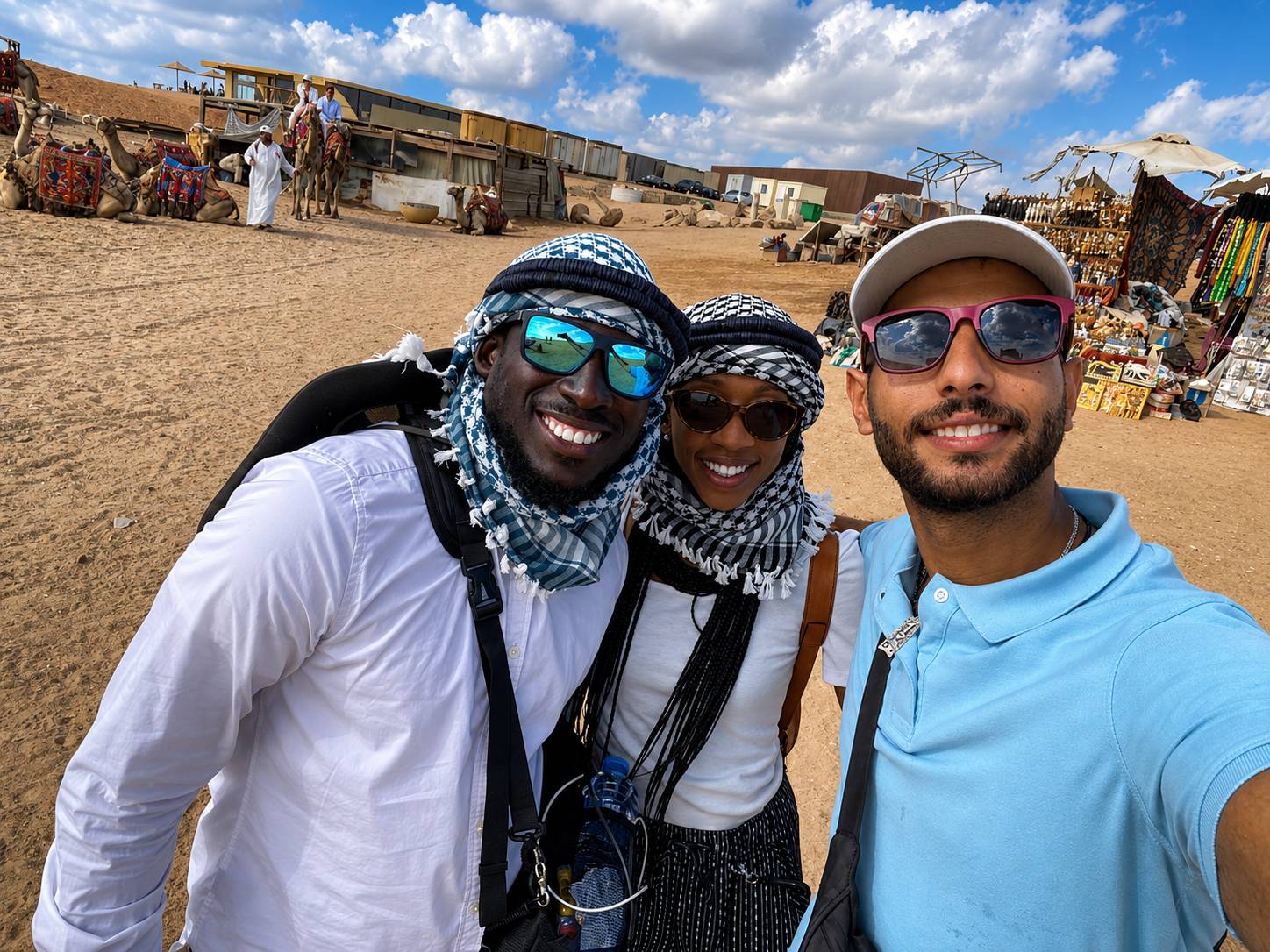
Giza Pyramids & Great Sphinx: Complete Visitor Guide
The Giza Pyramids and the Great Sphinx are among the most extraordinary archaeological landmarks in the world. Located on the Giza Plateau near Cairo, these ancient monuments offer visitors an unforgettable introduction to the history, engineering, and beliefs of ancient Egypt.
For thousands of years, the pyramids have attracted travelers, historians, archaeologists, and curious visitors from across the globe. Their enormous stone structures, mysterious interiors, and connection to Egypt’s pharaohs make the Giza Plateau one of the most important destinations in Egypt.
Whether you are planning your first visit to Egypt, researching the history of the pyramids, or organizing a sightseeing day in Cairo, this guide explains what to see, what makes each monument special, how to get there, and how to prepare for your visit.
Where Are the Giza Pyramids and the Great Sphinx?
The Giza Pyramid Complex is located on the Giza Plateau, on the western side of the Nile Valley, near Greater Cairo. Although often described as being in Cairo, the monuments are technically located in Giza.
The archaeological site includes three principal pyramids associated with the pharaohs Khufu, Khafre, and Menkaure. The Great Sphinx stands nearby, alongside ancient temples, smaller pyramids, tombs, and other archaeological remains.
The plateau is one of Egypt's most recognizable historical destinations and an essential stop for many travelers visiting Cairo.
Visitors can explore the pyramids in the morning and combine their experience with museums, historic mosques, traditional markets, or other cultural attractions elsewhere in the city.
If you are planning a visit, start by reviewing our guide to Giza Pyramids tickets, opening hours, and entrance fees to help organize your sightseeing plans.
The Three Main Pyramids of Giza
1. The Great Pyramid of Khufu
The Great Pyramid of Khufu is the largest and most famous pyramid at Giza. It was constructed during Egypt's Fourth Dynasty, around the 26th century BCE, as the royal tomb of Pharaoh Khufu.
Originally, the pyramid stood approximately 146.6 meters tall. The loss of its outer casing stones and the passage of time reduced its present height to about 138.5 meters.
Its construction remains one of the most impressive engineering achievements of the ancient world. Built from millions of stone blocks, the pyramid demonstrates the remarkable planning, organization, and craftsmanship of ancient Egyptian society.
The Great Pyramid was originally covered with smooth, polished limestone casing stones that gave its exterior a bright appearance. Most of this outer casing disappeared over the centuries, leaving the stepped stone core visible today.
Inside, visitors may be able to explore certain passages and chambers with an additional ticket, depending on current access arrangements. The interior includes narrow passages and steep sections, so it may not be suitable for everyone.
Unlike many decorated Egyptian tombs, the main chambers inside the Great Pyramid are relatively undecorated. Nevertheless, entering this ancient structure offers a unique opportunity to experience one of humanity's most famous monuments from within.
2. The Pyramid of Khafre
The Pyramid of Khafre is often mistaken for the tallest pyramid at Giza because it stands on higher ground and retains some of its original smooth casing stones near the summit.
Khafre was the son of Khufu and ruled during the Fourth Dynasty. His pyramid forms part of a complex that includes a mortuary temple, a causeway, and a Valley Temple associated with the Great Sphinx area.
The pyramid is particularly recognizable because of the remaining casing stones at its top. These provide a glimpse of how the monuments may have appeared when their outer surfaces were covered with polished limestone.
The surrounding complex is also important for understanding ancient Egyptian royal funerary architecture. Temples and causeways connected different areas used for ceremonies, offerings, and royal burial traditions.
The nearby Great Sphinx is traditionally associated with Khafre, although scholars continue to study questions about the monument's original purpose and construction.
3. The Pyramid of Menkaure
The Pyramid of Menkaure is the smallest of the three principal pyramids at Giza. It was built for Pharaoh Menkaure, who ruled during the Fourth Dynasty.
Although smaller than the monuments of Khufu and Khafre, it remains an essential part of the plateau's history.
Its complex included temples and subsidiary pyramids, reflecting the religious and ceremonial functions of royal burial sites.
The Pyramid of Menkaure allows visitors to compare the scale and architectural details of the three principal monuments. Together, the pyramids demonstrate the resources, planning, and craftsmanship devoted to royal funerary architecture in ancient Egypt.
The Great Sphinx of Giza
The Great Sphinx is one of Egypt's most recognizable monuments. It has the body of a lion and a human head, combining the strength of the animal with royal symbolism.
Carved from the natural limestone bedrock of the Giza Plateau, the Sphinx measures approximately 73 meters in length and about 20 meters in height.
Its exact original appearance has changed over time because of weathering, erosion, and restoration work.
Many scholars associate the Sphinx with Pharaoh Khafre because of its location near his pyramid complex and the surrounding archaeological evidence. However, some details of its original purpose and construction remain subjects of scholarly discussion.
The Sphinx stands near the Valley Temple and the remains of the Sphinx Temple. Visitors can admire its monumental form from designated viewing areas and observe the details of its face, paws, and surrounding enclosure.
The monument is especially impressive when viewed alongside the pyramids. These structures were not isolated buildings but parts of a larger royal landscape connected to ancient Egyptian religion, kingship, and funerary traditions.
For travelers who want to understand the site in greater detail, a private Giza Pyramids and Great Sphinx tour can provide a more organized way to explore the principal monuments.
How Were the Giza Pyramids Built?
The construction of the Giza Pyramids required extensive organization, skilled labor, and careful planning. Workers quarried stone, transported blocks, prepared foundations, and positioned materials with remarkable precision.
Archaeological discoveries, including evidence of workers' settlements and administrative organization, have helped researchers understand the people who contributed to pyramid construction.
The popular image of the pyramids being built solely by enslaved people does not accurately reflect the full archaeological picture. Evidence indicates that organized labor forces, including skilled workers and supporting teams, played major roles in these projects.
Researchers continue to investigate the precise techniques used to move and raise the stones. Different theories address ramps, lifting methods, transportation, and construction sequences, but not every detail has been conclusively established.
The pyramids therefore remain important not only as royal monuments but also as evidence of ancient Egypt's engineering capabilities and administrative power.
Their construction demonstrates how ancient Egyptian rulers could coordinate labor, materials, food supplies, and specialized knowledge on an extraordinary scale.
What Can You See at the Giza Pyramid Complex?
A visit to the plateau offers much more than the three principal pyramids and the Great Sphinx. Depending on access arrangements and your chosen route, you may encounter several additional features.
The Pyramid Panorama
Designated viewpoints allow visitors to see several pyramids together. These areas are popular for landscape photography and for appreciating the scale of the monuments across the desert plateau.
From suitable viewpoints, visitors can photograph the pyramids against the desert landscape and observe how the monuments dominate the surrounding terrain.
Morning and late-afternoon light can create particularly attractive conditions for photography, although weather and visitor access affect the experience.
The Valley Temple
The Valley Temple associated with Khafre's pyramid complex is one of the best-preserved examples of Old Kingdom temple architecture in the Giza area.
Its massive stone blocks and distinctive architectural features reveal the craftsmanship of ancient builders.
The temple formed part of a larger funerary complex connected to the pyramid through a causeway. It also helps researchers understand the religious ceremonies associated with royal burials.
The Sphinx Viewing Area
The designated viewing area provides a closer perspective of the Great Sphinx.
It is a useful place to study the monument's proportions, photograph its face and paws, and appreciate its relationship to the nearby pyramids and temples.
Follow the official visitor routes and respect any restricted areas around the monument.
Smaller Pyramids and Tombs
The plateau contains subsidiary pyramids, mastaba tombs, and other archaeological structures.
These remains help explain how the royal burial landscape extended beyond the three principal pyramids. Some tombs were associated with royal family members, officials, and people connected to the administration of the ancient Egyptian state.
Exploring these features adds depth to the visit and reveals more about the society that built the pyramids.
Desert Landscape and Photography Spots
The surrounding plateau offers broad desert views and changing light throughout the day.
Visitors often take photographs of the pyramids from different angles to capture their scale and relationship to the surrounding landscape.
Photography conditions depend on the season, weather, visitor access, and time of day. Always respect restrictions and avoid climbing on monuments or entering closed areas.
Can You Enter the Giza Pyramids?
Entry into certain pyramids may be available with an additional ticket, depending on the monument, current regulations, and daily access arrangements.
Before purchasing tickets, confirm which pyramids are open and whether interior access is included in your admission. General admission to the archaeological area does not necessarily include entry into every pyramid.
Interior passages can be narrow, low, hot, and physically demanding. Visitors who are uncomfortable in confined spaces or who have difficulty climbing should consider viewing the monuments from outside instead.
Flash photography and other restrictions may apply in particular areas. Follow posted instructions and guidance from site staff.
For the most useful preparation, check our Giza Pyramids tickets and visitor information guide before your visit.
Best Time to Visit the Giza Pyramids
The cooler months, generally from autumn through spring, are often more comfortable for exploring the plateau. Temperatures can become particularly high during the summer, especially around midday.
An early-morning visit is usually a practical choice. It can offer cooler conditions and softer light for photography.
Late afternoon may provide attractive golden light, although visitors should check the site's official operating schedule before planning around sunset.
Allow enough time to walk between the main monuments, visit the Sphinx area, take photographs, and rest. The plateau is extensive, and moving between locations may involve uneven ground, sand, and exposure to the sun.
Bring drinking water, sun protection, comfortable footwear, and clothing suitable for the weather.
Visiting at Sunrise or Sunset
Sunrise and sunset can create beautiful lighting around the pyramids. However, access to the archaeological site depends on official opening hours, so do not assume that you can enter the plateau before normal opening time or remain inside after closing.
If you prefer an experience focused on late-afternoon views, consider our Giza Pyramids sunset tour with dinner.
Check the tour details and current arrangements before booking to confirm the itinerary, timing, and inclusions.
Giza Pyramids Tickets and Opening Hours
Admission prices, opening times, access arrangements, and additional ticket options can change. Check the latest official information before your visit rather than relying on outdated prices published online.
When planning your budget, distinguish between:
-
General admission to the archaeological site.
-
Additional tickets for entering particular pyramids.
-
Transportation to and from the plateau.
-
Guiding services.
-
Optional activities, if available and of interest.
Not every ticket includes the same attractions. Confirm exactly what is included before paying.
Visitors traveling independently should plan transportation and allow extra time for traffic in Greater Cairo. Travelers who prefer a structured visit can consider a guided tour that organizes transportation and explains the historical context of the monuments.
How to Get to the Giza Pyramids from Cairo
The Giza Plateau can be reached by private car, taxi, ride-hailing service, or organized tour. Travel time depends on your starting point, traffic conditions, and the time of day.
Visitors staying in central Cairo should plan for traffic delays, particularly during busy commuting periods. Travelers staying in Giza may have a shorter journey, depending on their hotel's location.
Before leaving, confirm the correct visitor entrance and your intended meeting point. Access arrangements and visitor routes may change, so follow current instructions from the site authorities.
Getting There with a Private Tour
A private tour can be convenient for visitors who want hotel pickup, organized transportation, and a planned sightseeing route.
It can also be helpful for families, couples, and travelers who prefer to manage their time without joining a large group.
Before choosing a tour, check the itinerary carefully. Confirm whether entrance tickets, a licensed guide, meals, camel rides, or other activities are included or charged separately.
You can review the details of our private Giza Pyramids and Great Sphinx tour to see whether its arrangements match your travel plans.
Should You Visit the Giza Pyramids with a Guide?
A knowledgeable guide can explain the relationship between the pyramids, temples, tombs, and the Great Sphinx.
Without historical context, some visitors may see only large stone monuments and miss the wider story of the Giza Plateau.
A guide can explain the differences between the three main pyramids, discuss the beliefs surrounding royal burial practices, and help visitors understand the archaeological landscape.
Guided visits can also help organize the order of sightseeing, manage time, and explain which ticket options are relevant to your interests.
Independent visits are possible for travelers who prefer exploring at their own pace. The best choice depends on your interests, available time, budget, and comfort navigating a large archaeological site.
Responsible Visiting Tips
The Giza Pyramids are protected archaeological monuments. Visitors should follow marked routes, respect restricted areas, and avoid climbing on structures unless access is explicitly permitted.
Do not remove stones, artifacts, or other materials from the site. Follow photography rules and treat the monuments and other visitors respectfully.
When considering camel rides or other activities, agree on the price and duration in advance, understand what is included, and choose providers who treat animals responsibly.
Be cautious of unsolicited offers and confirm the terms of any service before paying. Official tickets and clear arrangements can help make your visit more predictable.
Keep drinking water with you, protect yourself from the sun, and take breaks when necessary.
Combining the Giza Pyramids with Other Cairo Attractions
If you have additional time in Cairo, you can combine a visit to the Giza Plateau with museums and historic neighborhoods.
The Grand Egyptian Museum is an important option for travelers interested in ancient Egyptian archaeology and royal artifacts. Check its current opening arrangements and ticket information before planning your day.
Historic Cairo offers a different experience, with mosques, traditional streets, markets, and architectural landmarks that reflect later periods of Egyptian history.
For a longer holiday, explore our Egypt tour packages to find itineraries that combine Cairo's ancient landmarks, museums, and other destinations across Egypt.
When planning a combined itinerary, allow enough time for traffic and museum visits. Trying to fit too many major attractions into one day can make the experience rushed.
Frequently Asked Questions About the Giza Pyramids and Great Sphinx
How old are the Giza Pyramids?
The principal pyramids were built during Egypt's Fourth Dynasty, around the 26th century BCE. They are more than 4,500 years old.
Who built the Great Pyramid?
The Great Pyramid was constructed for Pharaoh Khufu. Archaeological evidence points to organized teams of workers, specialists, and support personnel.
Who built the Great Sphinx?
The Great Sphinx is commonly associated with Pharaoh Khafre, although questions about its precise origins and original purpose continue to be studied.
How long should I spend at the Giza Pyramids?
Many visitors allow around three to four hours for the main monuments and viewpoints. A longer visit may be needed if you plan to enter a pyramid or explore additional areas.
Can I visit the pyramids and the Sphinx in one day?
Yes. The three main pyramids and the Great Sphinx are part of the same archaeological area and can generally be visited during one outing, subject to opening hours and access rules.
Is it possible to enter the Great Pyramid?
Interior access may be available with a separate ticket, subject to current regulations and availability. Check the latest ticket information before visiting.
Are the Giza Pyramids suitable for children?
Families can visit the plateau, but the terrain, heat, and walking distances require planning. Interior pyramid passages may be challenging for young children.
What should I wear when visiting the Giza Plateau?
Wear comfortable walking shoes, lightweight clothing suitable for the season, and sun protection. Carry water and prepare for exposed desert conditions.
Can I take photographs at the pyramids?
Photography is generally possible in designated visitor areas, but restrictions may apply in certain interiors or specific locations. Follow current signage and staff instructions.
Are camel rides available at the Giza Pyramids?
Camel rides may be offered in designated areas, subject to current site arrangements. Agree on the price, duration, and exact service before starting, and consider the welfare of the animal.
Can I visit the Giza Pyramids without a guide?
Yes. Independent visits are possible, but travelers should plan their transportation, tickets, and route in advance. A guide can provide additional historical context and help organize the visit.
What is the difference between the Giza Pyramids and the Grand Egyptian Museum?
The Giza Pyramids are ancient royal monuments and an archaeological landscape. The Grand Egyptian Museum is a modern museum that displays archaeological collections and provides additional historical context. They are separate attractions and require their own visit planning.
Conclusion
The Giza Pyramids and the Great Sphinx offer a remarkable window into the achievements, beliefs, and royal traditions of ancient Egypt.
From the enormous Great Pyramid of Khufu to the distinctive silhouette of the Sphinx, the plateau brings together engineering, architecture, archaeology, and history in one unforgettable destination.
Planning ahead makes it easier to explore the main monuments comfortably, understand ticket options, and make the most of your time in Giza. Whether you visit independently or with a knowledgeable guide, the Giza Plateau deserves a central place in any first-time trip to Egypt.
Before your visit, review the Giza Pyramids ticket guide, explore our private Giza Pyramids and Great Sphinx tour, or browse our Egypt tour packages to plan the next stage of your Egyptian adventure.
Discover the wonders of ancient Egypt with Let's Explore Egypt Travel and make your visit to the Giza Pyramids a memorable part of your journey.
Recommended Tours in Cairo and Giza
-
All-Inclusive VIP Private Giza Pyramids, Sphinx & Camel Ride Experience with Lunch – Explore the pyramids and Great Sphinx with a private guide, camel ride, and lunch.
-
All-Inclusive Tour: Giza Pyramids, Sphinx, Egyptian Museum, Bazaar & Quad Bike – Combine ancient monuments, museum treasures, local markets, and a desert quad bike adventure. Check the website for the exact tour listing.
-
Half-Day Tour to Memphis, Saqqara and Dahshur Pyramids – Discover the Step Pyramid, the Bent Pyramid, the Red Pyramid, and the ancient capital of Memphis. Check the website for the exact tour listing.
-
2-Day Cairo Highlights Guided Tour Including Camel Ride – Combine the Giza Pyramids and Great Sphinx with museums, Old Cairo, and Khan el-Khalili.
-
3-Day Tour of the Giza Pyramids, Museums and Alexandria – Explore the pyramids, Cairo’s museums, and Alexandria’s major historical attractions.
-
Egypt Tour Packages – Discover multi-day itineraries combining Cairo, Giza, Luxor, Aswan, and other Egyptian destinations.
-
Discover the iconic Great Pyramid of Khufu, one of the Seven Wonders of the Ancient World.
-
Explore the three main pyramids of Khufu, Khafre, and Menkaure.
-
Admire the legendary Great Sphinx with its lion’s body and human head.
-
Learn about the pharaohs, royal tombs, and ancient Egyptian burial traditions.
-
Discover the engineering achievements behind the construction of the pyramids.
-
Visit the historic Valley Temple associated with the Pyramid of Khafre.
-
Enjoy panoramic views of the pyramids across the Giza Plateau.
-
Explore ancient tombs, smaller pyramids, and archaeological remains.
-
Learn about the mysteries and historical significance of the Great Sphinx.
-
Find out about pyramid entrance tickets, opening hours, and visitor access.
-
Capture memorable photographs of Egypt’s most famous ancient monuments.
-
Plan your visit with practical tips on transportation, weather, and sightseeing.