


Abdeen Palace Museum Cairo
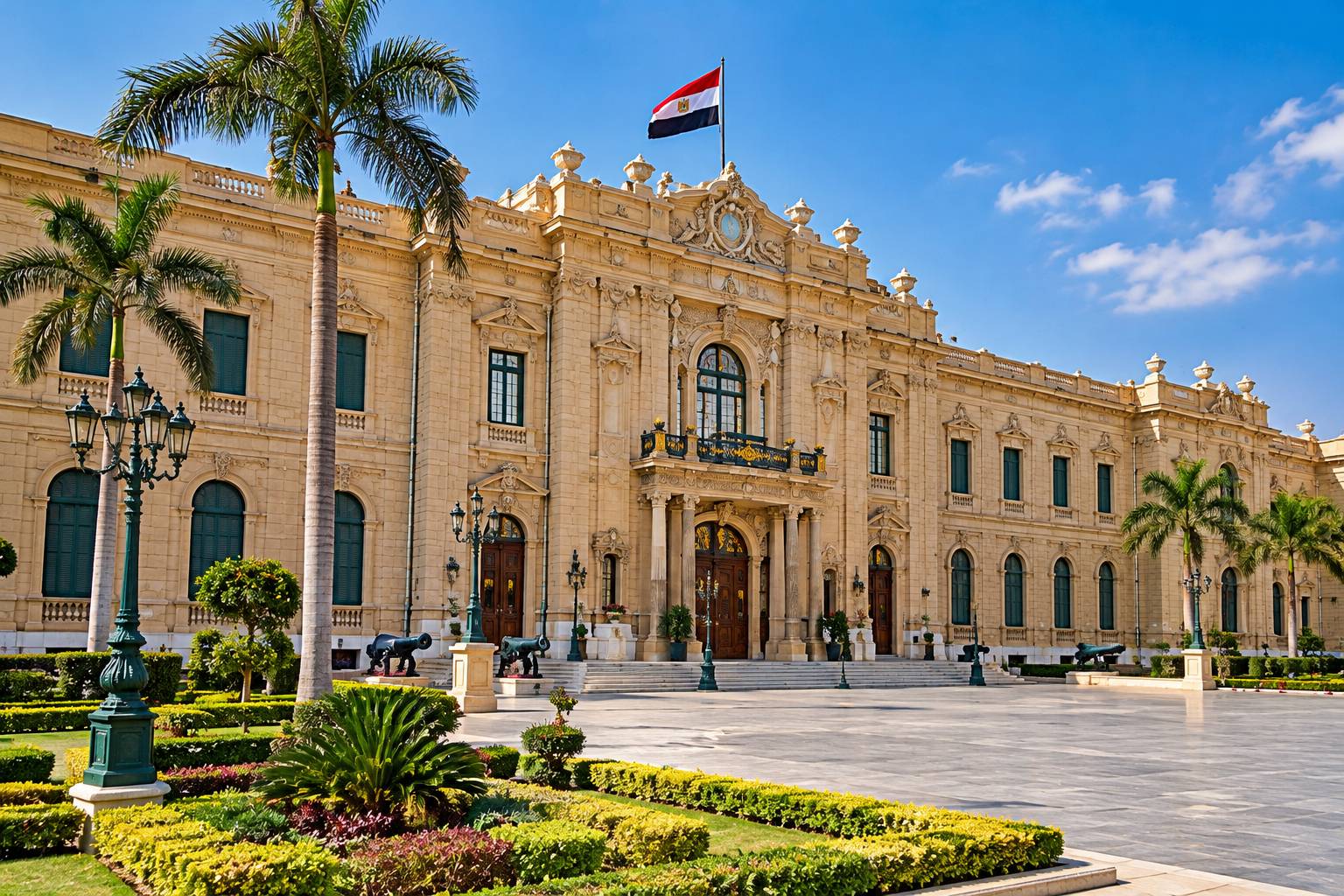
Abdeen Palace Museum Cairo: History, Royal Collections & Visitor Guide
Abdeen Palace Museum is one of Cairo's most interesting historical attractions, offering visitors a glimpse into Egypt's royal past and the development of the modern Egyptian state. Located in central Cairo, the palace is associated with the period when Egypt's rulers used European-inspired architecture, grand reception halls, and elaborate decorative arts to express royal authority.
Unlike the ancient temples and pyramids that attract many visitors to Egypt, Abdeen Palace tells a different story. Its history focuses on kings, political change, royal ceremonies, diplomatic gifts, and the transformation of Egypt during the nineteenth and twentieth centuries.
For travelers exploring Cairo beyond its famous archaeological sites, the palace offers an opportunity to discover another layer of the country's cultural heritage.
This guide explains the history of Abdeen Palace, its museum collections, what visitors may see, how to plan a visit, and how to include it in a Cairo sightseeing itinerary.
Where Is Abdeen Palace Museum?
Abdeen Palace is located in central Cairo, in the Abdeen district, south of the city's principal downtown area. Its position makes it a potential stop for visitors exploring central Cairo's historic buildings and cultural attractions.
The palace complex occupies a prominent place in the city's modern history. Its surroundings reflect Cairo's transformation during the nineteenth century, when new streets, public buildings, and royal institutions helped shape the capital's appearance.
Because visitor access may be limited to designated museum areas, travelers should confirm the current entrance arrangements before setting out. A palace building does not necessarily mean that every room or administrative area is open to the public.
The History of Abdeen Palace
Abdeen Palace was commissioned by Khedive Ismail during the nineteenth century as part of his plans to modernize Cairo and establish a new royal center.
Construction began in 1863, and the palace was inaugurated in 1874. It became one of the principal royal residences and a setting for official ceremonies, diplomatic receptions, and important state occasions.
The building reflects the architectural ambitions of its period. European influences appear alongside decorative elements associated with the tastes and traditions of the Egyptian royal court.
For decades, Abdeen Palace played an important role in Egypt's political and ceremonial life. Its halls hosted officials, foreign representatives, and members of the royal family. The palace was closely associated with the monarchy until the Egyptian Revolution of 1952 brought an end to royal rule.
Today, the palace remains an important historical landmark. Its museum spaces preserve collections that help visitors understand royal life, international relations, and Egypt's modern political history.
Architecture and Royal Design
One of the most striking aspects of Abdeen Palace is its grand architectural character. The building was designed to serve both residential and official functions, so its interiors included formal reception areas, ceremonial rooms, and spaces intended to reflect the status of the Egyptian rulers.
Decorative details, ornate furnishings, chandeliers, and elaborate finishes reveal the influence of European palace design during the nineteenth century.
The palace's interior spaces were also designed to accommodate official meetings and diplomatic events. Their scale and decoration reflect the importance of ceremonial presentation in royal life.
Visitors should remember that the present-day museum experience may not include every room in the historic palace. Access depends on current arrangements, conservation needs, and the areas designated for public visits.
What Can You See at Abdeen Palace Museum?
Abdeen Palace is associated with several museum collections, including displays connected with weapons, decorations, royal gifts, and historical objects. The galleries available to visitors may vary, so check the latest information before planning your route.
1. The Arms Museum
The arms collection is one of the palace's best-known museum features. It includes historical weapons and objects connected with military traditions and royal collections.
Such displays can help visitors understand how weapons were used as both practical equipment and ceremonial objects. Some examples also illustrate the craftsmanship of metalworkers and the decorative traditions associated with royal gifts.
The collection provides a different perspective on Egyptian history from the archaeological artifacts found in ancient Egyptian museums.
2. The Silver Museum
Silver objects and decorative pieces associated with royal life illustrate the craftsmanship and formal traditions of the Egyptian court.
Items of this kind were often used during official occasions, receptions, or important household ceremonies. Their materials and decoration reveal the attention paid to presentation in royal environments.
The exact objects on display may change, so visitors interested in a particular item should confirm the current exhibition details.
3. The Royal Gifts and Decorations Collections
Royal collections often include gifts exchanged between rulers, diplomatic representatives, and foreign dignitaries.
These objects can provide insight into Egypt's international relationships during the monarchy. Their artistic styles, materials, and inscriptions may reflect the countries and traditions from which they originated.
The palace's historical significance therefore extends beyond its architecture. It also offers a perspective on how diplomatic relationships were expressed through ceremonial gifts and valuable objects.
4. Historical Furnishings and Decorative Arts
Palace interiors traditionally used furniture, textiles, lighting, and decorative objects to create formal settings for receptions and state occasions.
Where these objects are included in visitor displays, they help illustrate the visual character of royal life during Egypt's modern monarchical period.
The palace's historic atmosphere provides an interesting contrast to Cairo's medieval mosques and ancient Egyptian archaeological collections.
Why Is Abdeen Palace Important in Egyptian History?
Abdeen Palace is important because it represents a significant period in Egypt's modern development.
During the nineteenth century, Cairo experienced major changes in urban planning, architecture, administration, and international relations. Abdeen Palace formed part of this transformation and became closely associated with royal government.
The palace also helps visitors understand the end of the monarchy in 1952 and the transition to a new political era.
For travelers whose knowledge of Egypt focuses mainly on the pharaohs, a visit to Abdeen Palace can broaden their understanding of the country's history by connecting royal traditions with more recent political and social developments.
Abdeen Palace Museum vs. Ancient Egyptian Museums
Abdeen Palace offers a different experience from Cairo's museums devoted primarily to ancient Egyptian civilization.
The Grand Egyptian Museum and the Egyptian Museum in Tahrir Square focus largely on archaeological collections, including statues, funerary objects, inscriptions, and artifacts from ancient Egypt.
Abdeen Palace, by contrast, is associated with Egypt's royal history and modern monarchy. Its collections and architecture provide insight into royal ceremonies, decorative arts, diplomatic gifts, and the political changes of the nineteenth and twentieth centuries.
The National Museum of Egyptian Civilization offers another perspective by presenting Egyptian heritage across a broad historical timeline.
Choosing between these attractions depends on your interests. Visitors who enjoy ancient archaeology may prioritize the Giza Plateau and major archaeological museums, while those interested in modern royal history may find Abdeen Palace especially rewarding.
Best Time to Visit Abdeen Palace Museum
The most suitable time to visit depends on the museum's current opening schedule and the rest of your Cairo itinerary.
Because the palace is located in central Cairo, it may be convenient to combine the visit with other attractions in the area. However, allow enough time for transportation, ticketing, and any security procedures.
Before visiting, confirm opening days, admission arrangements, photography rules, and which museum sections are accessible to the public.
Do not assume that the palace is open for unrestricted visits simply because it is a historic landmark. Some parts of the complex may serve official or other functions.
How Long Should You Spend at Abdeen Palace Museum?
The time required depends on the galleries available during your visit and how closely you want to explore the collections.
For a visit focused on the principal museum displays, allow approximately one to two hours as a planning estimate. You may need more time if access includes additional exhibitions or if you are particularly interested in the palace's history and decorative arts.
If you are combining the palace with other Cairo attractions, plan your transportation carefully. Even locations within central Cairo can require additional travel time because of traffic.
How to Get to Abdeen Palace
Abdeen Palace is situated in central Cairo and can generally be reached by taxi, ride-hailing service, or private transportation.
The Cairo Metro may also be useful for reaching parts of the surrounding downtown area, depending on your starting point. From the nearest convenient station, the remaining journey may require walking or a short local transfer.
Always confirm the visitor entrance and any access instructions before departure. The appropriate entrance for museum visitors may differ from other entrances serving the palace complex.
Can You Visit Abdeen Palace with Other Cairo Attractions?
Yes. Depending on opening hours and travel time, Abdeen Palace may fit into an itinerary focused on central Cairo and the city's historic districts.
Possible combinations include:
-
Downtown Cairo and its historic architecture.
-
The Citadel of Saladin and the Mosque of Muhammad Ali.
-
Khan el-Khalili and the historic streets of Islamic Cairo.
-
The Egyptian Museum in Tahrir Square.
-
The National Museum of Egyptian Civilization.
These attractions represent different periods of Egypt's history, from ancient civilization to medieval Islamic architecture and the modern monarchy.
Avoid scheduling too many distant attractions in one day. Cairo traffic and museum opening hours can make a tightly packed itinerary difficult to complete.
For more ideas, read our Cairo Attractions guide, which introduces major landmarks, museums, historic neighborhoods, and experiences across the capital.
Practical Tips for Visiting Abdeen Palace Museum
Before visiting, keep these recommendations in mind:
-
Confirm current opening hours and admission information.
-
Check which museum collections and palace areas are open to visitors.
-
Review photography restrictions before taking pictures.
-
Carry identification if required by the current entry arrangements.
-
Allow additional time for security checks and transportation.
-
Wear comfortable footwear if combining the visit with walking around central Cairo.
-
Treat the palace and its collections respectfully, and follow staff instructions.
-
Verify whether advance reservations or special visitor arrangements are necessary.
These steps can help avoid unnecessary delays and make the visit more enjoyable.
Frequently Asked Questions About Abdeen Palace Museum
Where is Abdeen Palace Museum located?
Abdeen Palace is located in central Cairo, Egypt, in the Abdeen district.
When was Abdeen Palace built?
Construction began in 1863 under Khedive Ismail, and the palace was inaugurated in 1874.
Who built Abdeen Palace?
The palace was commissioned by Khedive Ismail as part of his efforts to modernize Cairo and establish a new royal center.
What is Abdeen Palace famous for?
Abdeen Palace is known for its royal history, architecture, ceremonial interiors, and museum collections associated with weapons, decorative arts, and royal gifts.
Can tourists visit Abdeen Palace?
Public access is available to designated museum areas, subject to current visitor arrangements. Not every part of the palace complex is necessarily open to visitors.
How long does a visit take?
Allow around one to two hours as a starting estimate, depending on the galleries open and your level of interest. Confirm the current visitor experience before planning your day.
Is photography allowed inside Abdeen Palace?
Photography rules may vary by gallery and current policy. Check the rules at the entrance and follow the instructions of museum staff.
Is Abdeen Palace suitable for children?
It can be an interesting visit for families interested in royal history, historic buildings, and museum collections. The experience depends on which galleries are open and children's interests.
Can I combine Abdeen Palace with other attractions in Cairo?
Yes. Its central location makes it a possible addition to a Cairo itinerary that includes museums and historic districts. Allow sufficient time for travel and check each attraction's opening hours.
Is Abdeen Palace the same as the Citadel of Saladin?
No. Abdeen Palace is associated with Egypt's modern monarchy and nineteenth-century history. The Citadel of Saladin is a medieval fortified complex with a different historical role and architectural character.
Conclusion
Abdeen Palace Museum offers a fascinating introduction to Egypt's royal history and modern heritage. Its architecture, historical associations, and collections provide a different experience from the pyramids and ancient Egyptian museums.
For travelers interested in the monarchy, diplomatic traditions, decorative arts, and the transformation of Cairo, the palace is a valuable addition to a wider sightseeing itinerary.
Before planning your visit, check current access arrangements, opening hours, and available museum galleries. With a little preparation, Abdeen Palace can help you discover another important chapter in the story of Egypt's capital.
To explore more landmarks, museums, and cultural experiences, visit our Cairo Attractions guide and plan your next sightseeing experience in Egypt.
Recommended Cairo Tours
-
Best 8 Hours Cairo City Tour: Egyptian Museum, Citadel & Market – Explore Cairo's historic landmarks, visit the Citadel of Saladin and the Mosque of Muhammad Ali, and discover the famous Khan el-Khalili Bazaar.
-
Half-Day Citadel and Khan el-Khalili Bazaar Tour – Discover Islamic Cairo's architecture, historic fortress, and traditional market.
-
Cairo by Night Tour – Experience Cairo's evening atmosphere, explore Khan el-Khalili, and enjoy the city's historic streets after sunset.
-
2-Day Cairo Highlights Guided Tour – Discover the Giza Pyramids, the Grand Egyptian Museum, Old Cairo, and traditional markets.
-
Egypt Tour Packages – Explore multi-day itineraries combining Cairo's historical attractions with other destinations across Egypt.
-
Discover the royal history of Abdeen Palace, one of Cairo's most important historic landmarks.
-
Explore a palace commissioned by Khedive Ismail and inaugurated in 1874.
-
Learn about Egypt's monarchy and the country's political transformation in the 20th century.
-
Admire the palace's elegant architecture and European-inspired decorative details.
-
Discover historical weapons and military-related objects in the palace's museum collections.
-
Explore royal gifts, ceremonial objects, and decorative arts.
-
Learn about the diplomatic relationships of Egypt's former royal court.
-
Discover the palace's role in official ceremonies and royal receptions.
-
Experience a different side of Egyptian history beyond the ancient pyramids and temples.
-
Enjoy a central Cairo location that can be combined with other historical attractions.
-
Find practical tips about museum access, opening arrangements, and visitor planning.
-
Include Abdeen Palace Museum in a wider Cairo sightseeing itinerary.