


Citadel of Qaitbay Alexandria
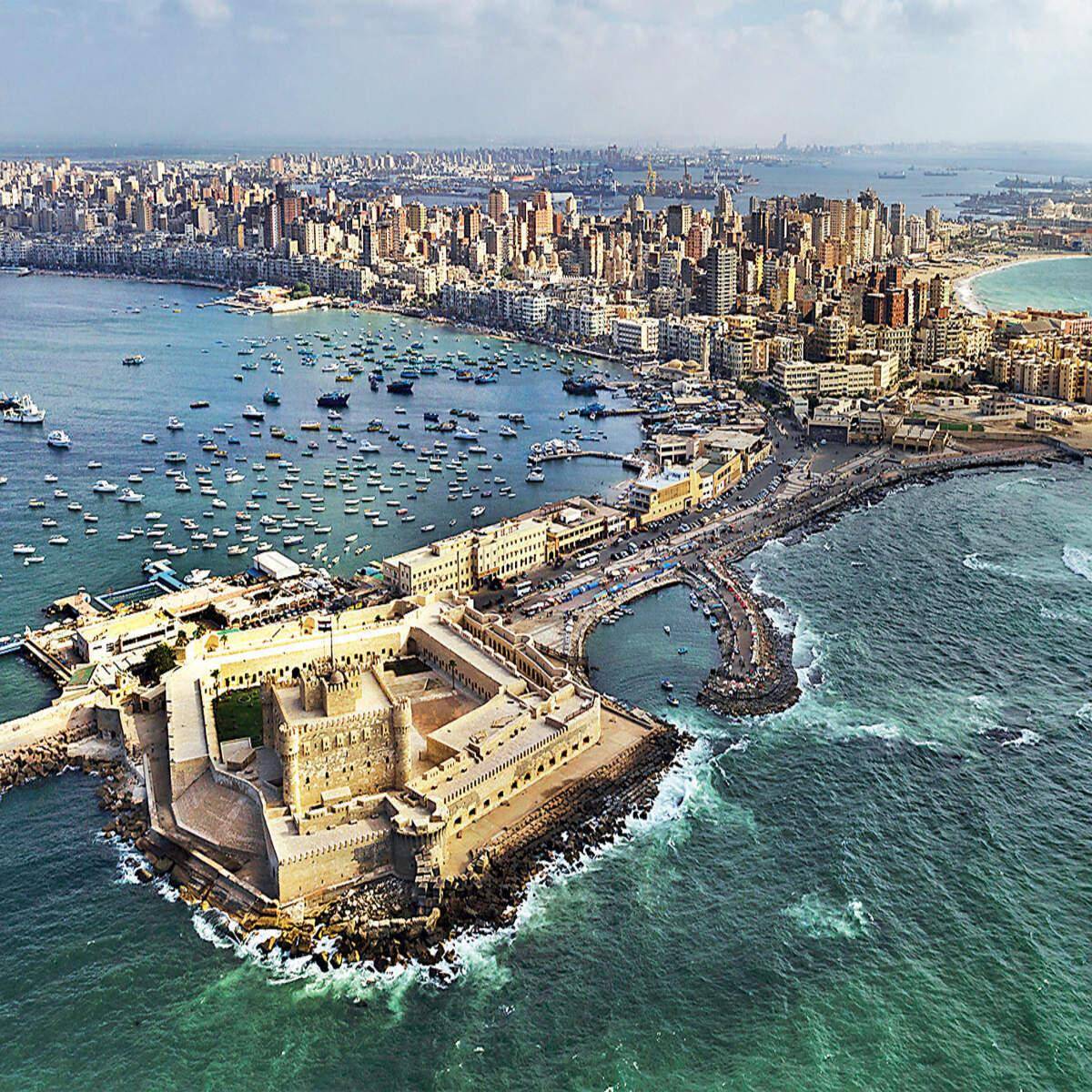
Citadel of Qaitbay Alexandria: Complete Visitor Guide
The Citadel of Qaitbay is one of the most famous historical landmarks in Alexandria, Egypt. Standing proudly on the Mediterranean coastline, this impressive 15th-century fortress offers visitors a fascinating look into Egypt's military history, Islamic architecture, and maritime heritage.
The fortress occupies a historically significant location associated with the ancient Lighthouse of Alexandria, once considered one of the Seven Wonders of the Ancient World. Today, the citadel attracts travelers interested in history, photography, architecture, and the beautiful coastal scenery of Alexandria.
Whether you are planning a day trip from Cairo or spending several days exploring the city, the Citadel of Qaitbay deserves a place on your Alexandria itinerary.
What Is the Citadel of Qaitbay?
The Citadel of Qaitbay is a historic defensive fortress located on the eastern side of Alexandria's Eastern Harbour. It was constructed during the Mamluk period under Sultan Al-Ashraf Qaitbay and remains one of the city's most recognizable monuments.
The fortress was designed to protect Alexandria's coastline and harbor against potential naval attacks. Its thick stone walls, defensive towers, narrow passages, and strategic position reflect the military engineering of the late medieval period.
Today, the citadel is an important historical attraction where visitors can explore the fortress grounds, admire its architecture, and enjoy views of the Mediterranean Sea.
History of the Citadel of Qaitbay
Why Was the Citadel Built?
During the 15th century, Egypt's rulers recognized the importance of protecting Alexandria, a major Mediterranean port with strategic and commercial value.
Sultan Al-Ashraf Qaitbay ordered the construction of the fortress in the 1470s as part of efforts to strengthen coastal defenses. The location was particularly important because it overlooked the harbor and occupied the site traditionally associated with the ancient Lighthouse of Alexandria.
The fortress helped protect the coastline and served as a defensive position during a period when naval power played an important role in regional politics.
Who Was Sultan Qaitbay?
Sultan Al-Ashraf Qaitbay ruled Egypt as part of the Mamluk Sultanate from 1468 to 1496. His reign is associated with several architectural and defensive projects.
The citadel in Alexandria is one of the best-known monuments connected with his name. It demonstrates the Mamluk rulers' interest in strengthening strategic locations and leaving lasting architectural landmarks.
The Connection to the Ancient Lighthouse of Alexandria
One of the most fascinating aspects of the Citadel of Qaitbay is its location near the remains of the ancient Lighthouse of Alexandria, known in antiquity as the Pharos.
The lighthouse guided ships toward Alexandria's harbor and was celebrated as one of the Seven Wonders of the Ancient World. It was damaged by a series of earthquakes over several centuries and eventually disappeared as a standing structure.
The citadel was built centuries later, and parts of its construction are associated with stone reused from the ancient lighthouse. However, the fortress should not be confused with the lighthouse itself.
Visitors come to this site not only to see a medieval fortress but also to explore a location connected to one of the ancient world's most famous monuments.
Architecture of the Citadel of Qaitbay
The fortress is a notable example of Mamluk military architecture. Its design combines practical defensive features with the imposing appearance expected of a major coastal stronghold.
Massive Stone Walls
The citadel's thick stone walls were designed to provide protection against attacks. Their solid construction reflects the importance of the fortress as part of Alexandria's coastal defense system.
As you explore the exterior, notice how the walls rise directly beside the sea and create a strong defensive profile.
Defensive Towers and Battlements
The fortress includes defensive structures intended to improve visibility and protection. These features helped guards monitor the harbor and surrounding coastline.
The architecture reflects a period when coastal fortifications had to respond to developments in siege warfare and naval technology.
Interior Courtyards and Passages
Inside the fortress, visitors can explore courtyards, corridors, stairways, and rooms that reveal how the structure was organized.
The layout is more complex than its exterior appearance might suggest. Moving through the interior provides a better understanding of how the fortress functioned as a defensive installation.
Views of the Mediterranean Sea
The citadel's coastal location is one of its greatest attractions. From suitable viewpoints, visitors can admire the Mediterranean Sea, harbor activity, and the surrounding city.
The combination of historic stone architecture and open sea views makes the fortress a popular destination for photography.
Highlights of the Citadel of Qaitbay
-
Explore a historic Mamluk fortress built in the 15th century.
-
Discover the defensive architecture of Sultan Al-Ashraf Qaitbay's reign.
-
Visit a location associated with the ancient Lighthouse of Alexandria.
-
Admire the fortress's massive stone walls and towers.
-
Walk through selected courtyards and interior passages.
-
Enjoy views of Alexandria's Eastern Harbour and the Mediterranean Sea.
-
Learn about Alexandria's military and maritime history.
-
Photograph one of the city's most recognizable historical landmarks.
-
Combine the citadel with nearby waterfront attractions.
-
Experience a major historical site beyond Egypt's famous pyramids and temples.
What Can You See Inside the Citadel?
A visit to the Citadel of Qaitbay allows you to explore several features of the fortress.
The Main Entrance and Outer Walls
Begin by observing the exterior walls and entrance. The fortress's defensive character becomes immediately apparent through its heavy stone construction and commanding position beside the harbor.
Take time to appreciate the scale of the structure before moving inside.
The Courtyard
The courtyard offers a sense of the fortress's internal organization and provides a space to pause while exploring the site.
Look for the relationship between the courtyard, surrounding walls, and the fortress's upper levels.
Interior Rooms and Passages
Depending on which sections are open to visitors, you may be able to explore rooms and corridors that formed part of the fortress's internal layout.
These areas help explain how the building operated as a defensive installation rather than simply a monumental structure.
Upper Levels and Sea Views
Where access is permitted, elevated viewpoints can offer attractive views over the water and surrounding harbor.
Follow all safety signs and instructions from staff, particularly around stairs, narrow passages, and exposed edges.
Where Is the Citadel of Qaitbay Located?
The Citadel of Qaitbay stands on the Pharos promontory beside Alexandria's Eastern Harbour, on Egypt's Mediterranean coast.
Its location makes it convenient to combine with other attractions in Alexandria, although travel time depends on traffic and the route you choose.
The surrounding waterfront is also worth exploring, with views of fishing boats, the harbor, and the Mediterranean Sea.
Citadel of Qaitbay Opening Hours
Opening hours may change because of public holidays, seasonal schedules, maintenance, or official announcements.
Before your visit, check the latest information through the relevant Egyptian tourism or antiquities authorities, or confirm locally with your tour operator.
If you are visiting Alexandria on a day trip from Cairo, check the schedule in advance so you can organize your route around the fortress and other attractions.
Citadel of Qaitbay Tickets and Entrance Fees
Admission prices can change, and ticket categories may differ for Egyptian and foreign visitors, students, or other eligible groups.
For that reason, confirm the current entrance fee before your trip rather than relying on an old price published online.
Tips for Buying Tickets
-
Check the current admission price before traveling.
-
Confirm whether any special ticket categories apply to you.
-
Allow time for ticket purchase and entrance procedures.
-
Ask about photography restrictions if you plan to use professional equipment.
-
If visiting with a guide, confirm whether the guide's service and entrance ticket are included in your tour price.
How Much Time Do You Need at the Citadel?
Many visitors allow approximately one to two hours to explore the fortress, admire its architecture, and take photographs. The time needed depends on your interests, the areas open to visitors, and how busy the site is.
A shorter visit may be sufficient if you mainly want to see the exterior and enjoy the sea views. History enthusiasts and photography lovers may prefer to spend longer exploring the accessible sections.
If you are visiting several attractions in Alexandria in one day, allow additional time for transportation between locations.
Best Time to Visit the Citadel of Qaitbay
The fortress can be visited throughout the year, but outdoor conditions can affect your experience.
Spring: Often offers comfortable conditions for exploring the fortress and walking around the waterfront.
Summer: Popular with visitors to Alexandria, although temperatures, crowds, and coastal traffic may make sightseeing more demanding.
Autumn: Can be a pleasant season for exploring historical landmarks and enjoying the Mediterranean scenery.
Winter: May be quieter, but wind, rain, and rough sea conditions can affect outdoor visits.
For photography, early morning or late afternoon may provide attractive natural light. Actual conditions depend on the weather and the time of year.
How to Get to the Citadel of Qaitbay
From Central Alexandria
You can reach the citadel by taxi, ride-hailing service, private car, or suitable local transportation. The most convenient option depends on your starting point and traffic conditions.
From the Bibliotheca Alexandrina
The Bibliotheca Alexandrina is another major cultural landmark in Alexandria. You can combine both attractions in one sightseeing itinerary, but check the route and travel time before setting off.
From Cairo
Alexandria is commonly visited on a day trip from Cairo. Travelers can reach the city by road or train, then continue to the citadel using local transportation or a prearranged vehicle.
A private day trip can simplify transportation between attractions, particularly if you want to visit several historical sites in one day.
Places to Visit Near the Citadel of Qaitbay
1. Bibliotheca Alexandrina
The Bibliotheca Alexandrina is a modern cultural complex created to honor the legacy of the ancient Library of Alexandria. Its distinctive architecture, museums, and exhibitions make it an excellent complement to a visit to the citadel.
Read our Bibliotheca Alexandrina Visitor Guide for more information. Replace this link with the dedicated article URL once it is published.
2. Alexandria Corniche
The Corniche stretches along the Mediterranean waterfront and offers opportunities for sightseeing, photography, and enjoying the coastal atmosphere.
Choose a suitable section to explore, since the waterfront extends across a large part of the city.
3. Pompey's Pillar
Pompey's Pillar is a monumental Roman-era column located in an archaeological area associated with the ancient Serapeum.
It offers a different perspective on Alexandria's history and can be included in a wider sightseeing itinerary.
4. Catacombs of Kom El Shoqafa
These underground tombs reveal the interaction of Egyptian, Greek, and Roman artistic traditions. They are among Alexandria's most distinctive archaeological attractions.
5. Anfushi Waterfront Area
The Anfushi area near the citadel offers a glimpse of Alexandria's fishing culture and maritime heritage. Visitors can explore the surrounding streets and look for local seafood restaurants.
Recommended Tours
Private Alexandria Day Tour from Cairo
Discover Alexandria's most famous historical attractions on a private day trip from Cairo. Depending on the selected itinerary, the experience can include the Citadel of Qaitbay, Bibliotheca Alexandrina, Pompey's Pillar, and the Catacombs of Kom El Shoqafa.
A private tour can include transportation and a professional guide, depending on the package selected.
Best for: Travelers staying in Cairo who want to explore Alexandria in one day.
Explore our Egypt Tour Packages to discover available trip options.
Confirm the exact itinerary, entrance fees, meals, guide services, and pickup arrangements before booking.
Practical Tips for Visiting the Citadel of Qaitbay
-
Wear comfortable shoes: The fortress may involve stairs, uneven surfaces, and narrow passages.
-
Bring water: Outdoor sightseeing can be tiring during warm weather.
-
Check the weather: Wind and rain can affect the experience along the coast.
-
Confirm opening hours: Verify the current schedule before leaving your hotel.
-
Check entrance fees: Prices and ticket categories may change.
-
Respect restricted areas: Follow signs and instructions from site staff.
-
Plan your transportation: Allow enough time to travel between the citadel and other attractions.
-
Bring a camera: The fortress and Mediterranean coastline offer excellent photography opportunities where photography is permitted.
-
Protect yourself from the sun: A hat and sunscreen can be useful during bright weather.
-
Allow time to enjoy the surroundings: Do not rush straight out after exploring the fortress; the nearby waterfront is part of the experience.
Frequently Asked Questions About the Citadel of Qaitbay
What is the Citadel of Qaitbay famous for?
The citadel is famous for its 15th-century Mamluk architecture, coastal defensive role, and location associated with the ancient Lighthouse of Alexandria.
Who built the Citadel of Qaitbay?
The fortress was built under Sultan Al-Ashraf Qaitbay during the Mamluk period in the 1470s.
Is the Citadel of Qaitbay built on the site of the ancient lighthouse?
It stands on the Pharos promontory, the location traditionally associated with the ancient Lighthouse of Alexandria. The lighthouse itself had disappeared before the fortress was constructed, and parts of the fortress are associated with stone reused from the ancient structure.
How long does a visit take?
Approximately one to two hours is a useful planning estimate for many visitors, although the time needed depends on your interests and the areas open to the public.
Is the Citadel of Qaitbay worth visiting?
Yes. It is one of Alexandria's most important historical landmarks and offers a combination of medieval architecture, maritime history, and Mediterranean views.
Can I visit the citadel on a day trip from Cairo?
Yes. Many travelers visit Alexandria from Cairo in one day. Plan transportation carefully and select a manageable number of attractions to avoid rushing.
What should I wear when visiting?
Comfortable clothing and walking shoes are recommended. Sun protection is useful in warm weather, and a light layer may be helpful during windy coastal conditions.
Can I take photographs inside the citadel?
Photography rules may vary by area and equipment type. Follow posted instructions and ask site staff if you are unsure.
What attractions can I combine with the citadel?
The Bibliotheca Alexandrina, Alexandria Corniche, Pompey's Pillar, and Catacombs of Kom El Shoqafa are possible additions to a broader itinerary, depending on travel time and opening hours.
Is a tour guide necessary?
You can explore independently, but a knowledgeable guide can explain the fortress's history, Mamluk architecture, and connection to the ancient Lighthouse of Alexandria.
Plan Your Visit to the Citadel of Qaitbay
The Citadel of Qaitbay is an essential stop for travelers who want to discover Alexandria's rich historical heritage. Its medieval walls, strategic coastal location, and connection to the legendary Lighthouse of Alexandria make it one of Egypt's most distinctive waterfront landmarks.
Whether you are interested in history, architecture, photography, or Mediterranean scenery, the fortress offers a memorable experience.
Combine your visit with other Alexandria attractions or include it in a wider journey through Egypt. Explore our Egypt Tour Packages to start planning your trip with Let's Explore Egypt Travel.
Related Tours
1. Private Alexandria Day Tour from Cairo
Discover Alexandria's fascinating history on a private day trip from Cairo. Visit the Citadel of Qaitbay, explore the Bibliotheca Alexandrina, and discover other famous historical landmarks, depending on your selected itinerary.
Ideal for: Travelers who want to explore Alexandria in one day with private transportation.
2. Alexandria Historical Sightseeing Tour
Explore Alexandria's rich heritage with a sightseeing itinerary featuring the Citadel of Qaitbay, Pompey's Pillar, the Catacombs of Kom El Shoqafa, and other historical attractions, subject to your chosen itinerary.
Ideal for: History lovers, couples, families, and first-time visitors.
3. Bibliotheca Alexandrina and Mediterranean Coast Tour
Combine a visit to the modern Bibliotheca Alexandrina with the historic Citadel of Qaitbay and scenic views along Alexandria's Mediterranean waterfront.
Ideal for: Visitors interested in architecture, culture, history, and coastal scenery.
4. Multi-Day Egypt Tour: Cairo and Alexandria
Combine Cairo's famous monuments with Alexandria's historic fortresses, museums, and Mediterranean atmosphere. A multi-day itinerary allows more time to explore both cities without rushing between attractions.
Ideal for: First-time visitors planning a wider Egyptian holiday.
Citadel of Qaitbay Highlights
-
Explore the impressive 15th-century fortress built under Sultan Al-Ashraf Qaitbay.
-
Discover one of Alexandria's most important historical and military landmarks.
-
Visit the site associated with the ancient Lighthouse of Alexandria, one of the Seven Wonders of the Ancient World.
-
Admire the fortress's massive stone walls, defensive towers, and medieval Mamluk architecture.
-
Walk through the accessible courtyards, rooms, and historic passages.
-
Enjoy panoramic views of the Mediterranean Sea and Alexandria's Eastern Harbour.
-
Learn about Egypt's maritime history and the strategic importance of Alexandria's coastline.
-
Capture memorable photographs of the fortress and surrounding seascape.
-
Explore the nearby waterfront and traditional Anfushi neighborhood.
-
Combine your visit with the Bibliotheca Alexandrina and other Alexandria attractions.
-
Discover an important part of Egypt's medieval history and architectural heritage.
-
Enjoy a memorable historical experience on an Alexandria sightseeing tour.