


Catacombs of Kom El Shoqafa Alexandria
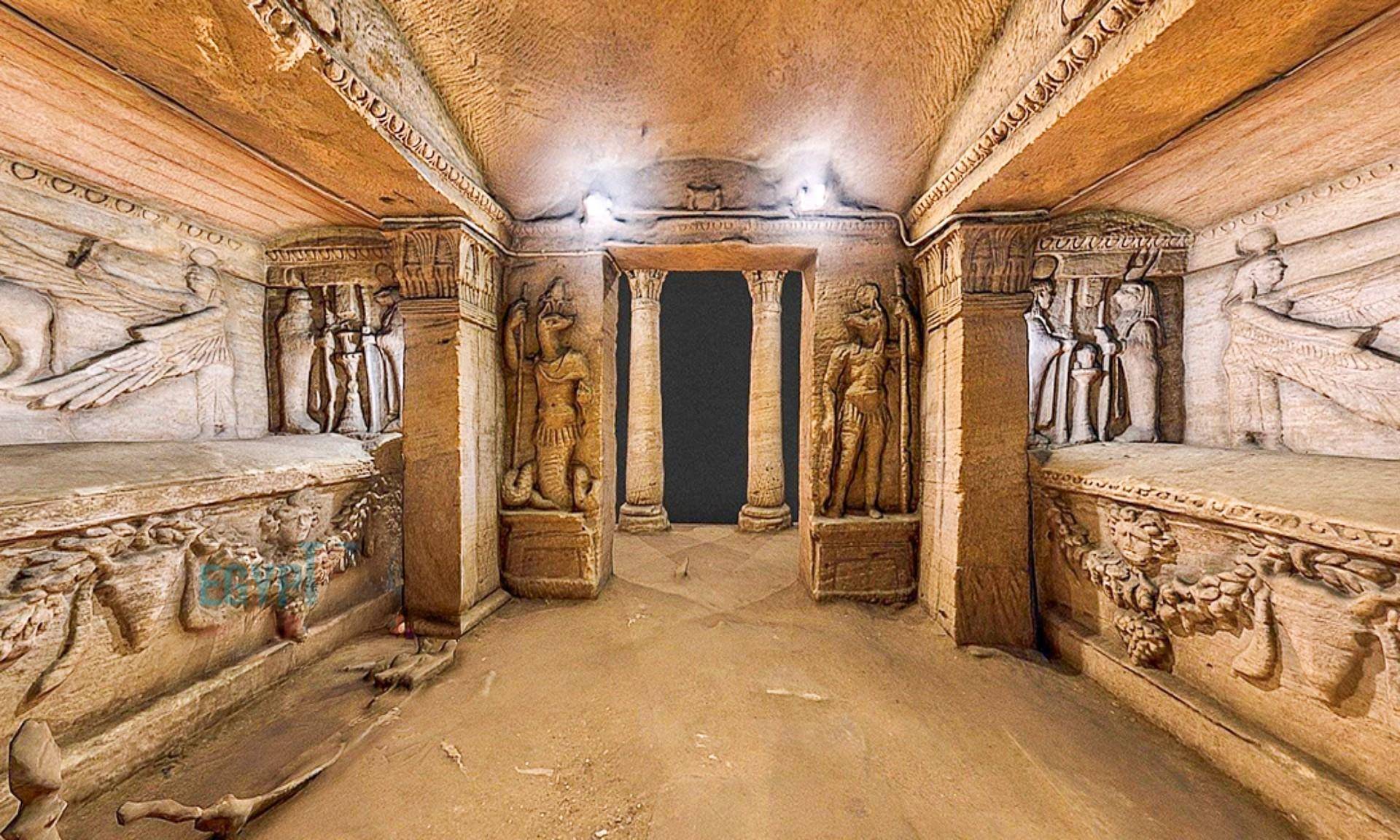
The Catacombs of Kom El Shoqafa are among Alexandria’s most fascinating archaeological attractions, offering a remarkable journey into the city’s ancient past. Located in the Carmous district, this underground burial complex combines Egyptian, Greek, and Roman artistic influences, reflecting Alexandria’s multicultural history.
For travelers interested in ancient architecture, archaeology, and the stories behind Egypt’s historic sites, the catacombs are an excellent addition to an Alexandria sightseeing itinerary.
Overview of the Catacombs of Kom El Shoqafa
The Catacombs of Kom El Shoqafa are an extensive underground necropolis dating mainly to the Roman period, generally around the 2nd century AD. The site was used for burials and developed into a complex of chambers, corridors, and architectural features carved into the rock.
Its name is commonly translated as “Mound of Shards,” associated with pottery fragments found in the area. These fragments are linked to ancient practices in which visitors may have used pottery vessels for food and drink near burial sites.
What makes the catacombs especially remarkable is their artistic combination of different traditions. Egyptian religious symbols and funerary imagery appear alongside Greek and Roman architectural elements, creating a distinctive style associated with ancient Alexandria.
Unlike the monumental pyramids of Giza, these catacombs reveal how some people in the Greco-Roman city prepared for death, honored the deceased, and combined cultural traditions in their burial practices.
History of Kom El Shoqafa
The catacombs developed during a period when Alexandria was an important Mediterranean center for trade, learning, and cultural exchange. Founded by Alexander the Great in 331 BC, the city later became one of the leading urban centers of the Hellenistic and Roman worlds.
Over time, local customs interacted with Greek and Roman influences. This cultural mixture can be seen throughout the catacombs, particularly in the decorative motifs, sculptures, and burial architecture.
The complex is generally believed to have begun as a private tomb before expanding into a larger burial site. Its arrangement reflects the changing needs of the people who used it over several generations.
The catacombs became widely known in modern times after their accidental discovery in 1900. Since then, they have attracted archaeologists, historians, and visitors interested in Alexandria’s ancient heritage.
Today, the site provides valuable insight into funerary customs and the cultural diversity that characterized Roman Alexandria.
Highlights of the Catacombs of Kom El Shoqafa
10
1. The Spiral Staircase
One of the most recognizable features of the catacombs is the spiral staircase descending into the underground complex. The staircase connects the surface with the lower burial levels and gives visitors a sense of how the site was designed to accommodate movement below ground.
As you descend, the atmosphere changes from the busy streets of modern Alexandria to a quieter archaeological environment surrounded by ancient stonework.
2. The Main Burial Chamber
The main burial chamber is one of the most impressive areas of the complex. Its architectural details reveal the interaction between Egyptian funerary traditions and the artistic styles that spread throughout the Mediterranean during the Greek and Roman periods.
Look closely at the carved details and decorative elements, which provide clues about the beliefs and artistic preferences of the people who commissioned these tombs.
3. Egyptian, Greek, and Roman Art
The catacombs are especially important because they demonstrate how different cultures influenced one another in ancient Alexandria.
Visitors may notice traditional Egyptian religious imagery alongside classical architectural forms and Roman-style decorative details. Rather than following a single artistic tradition, the complex reflects a distinctive combination of cultural influences.
4. Ancient Funerary Symbols
The walls and architectural features include symbols associated with ancient religious beliefs and burial customs. These decorations were not simply ornamental; they could communicate ideas about protection, the afterlife, and the journey of the deceased.
A knowledgeable Egyptologist guide can help explain the meaning of these symbols and how they relate to the wider history of ancient Egypt.
5. Underground Tombs and Chambers
The complex includes multiple levels and burial spaces, showing how the site developed beyond a single tomb. Its layout offers visitors an opportunity to explore ancient burial architecture in a setting very different from Egypt's famous above-ground monuments.
Access to individual areas may depend on current conservation measures and site regulations.
Opening Hours and Ticket Prices
The Catacombs of Kom El Shoqafa are a popular stop on Alexandria sightseeing tours. Opening hours, admission prices, and any special visitor requirements can change, so confirm the current information with the official Egyptian antiquities authorities or at the ticket office before your visit.
When planning your visit, consider the following:
-
Admission tickets: Check the current ticket price and whether any special ticket category applies to you.
-
Visit duration: Allow approximately 45–90 minutes, depending on your interest in the archaeology and the time available.
-
Accessibility: The underground layout includes stairs, so the site may be difficult for visitors with limited mobility.
-
Photography: Confirm the current photography rules before taking pictures inside.
-
Guided visits: A licensed Egyptologist can provide historical context and explain details that might otherwise be easy to miss.
How to Get to the Catacombs of Kom El Shoqafa
The catacombs are located in the Carmous area of Alexandria, making them a convenient stop on a broader city sightseeing itinerary.
From Central Alexandria
You can reach the site by taxi or private vehicle. Allow additional time for traffic, particularly during busy periods.
From Alexandria Train Station
Visitors arriving by train can continue to the archaeological site by taxi or a prearranged private transfer. The journey time depends on traffic and the exact starting point.
From Cairo
Travelers staying in Cairo can visit Alexandria on a full-day excursion. A private tour with transportation can make it easier to combine the catacombs with other attractions without needing to arrange separate transfers.
For travelers planning a full-day visit, consider combining Kom El Shoqafa with the Citadel of Qaitbay, Bibliotheca Alexandrina, and other historic sites, subject to opening hours and travel time.
Best Time to Visit
The catacombs can be visited throughout the year, but comfortable weather can make a day of sightseeing in Alexandria more enjoyable.
Spring and autumn are often pleasant seasons for exploring the city. Summer can be warm, although Alexandria's Mediterranean setting may provide more moderate conditions than some inland destinations.
For a smoother visit:
-
Arrive earlier in the day when possible.
-
Wear comfortable shoes suitable for stairs.
-
Bring water for your wider sightseeing day.
-
Allow enough time for other attractions and travel between sites.
-
Consider a guide if you want to understand the historical details rather than simply walk through the chambers.
Visitor Tips
Before visiting the Catacombs of Kom El Shoqafa, keep these practical tips in mind:
-
Check current access arrangements. Underground archaeological sites can have temporary restrictions for preservation or maintenance.
-
Wear suitable footwear. Stairs and uneven surfaces may be present.
-
Follow site instructions. Avoid touching ancient carvings or entering restricted areas.
-
Ask about photography. Rules may differ depending on the area and current regulations.
-
Consider hiring a guide. Historical explanations can make the visit much more meaningful.
-
Plan your route in advance. Combining nearby attractions can help you make the most of your time in Alexandria.
Recommended Alexandria Tours
4
The catacombs can be included in a wider Alexandria itinerary. Depending on your interests and schedule, consider these options:
Alexandria Day Trip from Cairo
Explore Alexandria's major attractions in one day, with private transportation and a planned sightseeing route. This option is suitable for travelers who want to experience the city's ancient history and Mediterranean atmosphere without staying overnight.
Alexandria Historical Tour
Focus on the city's archaeological and historical landmarks, including the Catacombs of Kom El Shoqafa, Pompey's Pillar, and the Citadel of Qaitbay.
Private Alexandria Sightseeing Tour
Enjoy a flexible itinerary with a private vehicle and guide, allowing you to spend more time at the places that interest you most.
For your website, link this section to your existing Alexandria day trip and private tour pages so readers can move naturally from researching the attraction to choosing a tour.
Frequently Asked Questions
1. What are the Catacombs of Kom El Shoqafa?
They are an underground burial complex in Alexandria, Egypt, dating mainly to the Roman period. The site is known for combining Egyptian, Greek, and Roman artistic influences.
2. Why are the catacombs famous?
They are famous for their underground architecture, burial chambers, carved decorations, and the unusual combination of cultural traditions visible throughout the complex.
3. How long does it take to visit?
Most visitors should allow approximately 45–90 minutes, although the exact time depends on access, crowd levels, and how much historical explanation they want.
4. Are the catacombs suitable for children?
They may be interesting for older children who enjoy history and archaeology. Parents should consider the stairs, underground setting, and the needs of younger children before visiting.
5. Can visitors take photographs inside?
Photography regulations can change. Check the current rules at the site before taking photographs.
6. Can I visit the catacombs on a day trip from Cairo?
Yes. They can be included in a full-day Alexandria excursion from Cairo. However, the itinerary should allow sufficient time for the road journey and other planned attractions.
7. Can I visit the catacombs with the Citadel of Qaitbay?
Yes. Both attractions can be included in an Alexandria sightseeing itinerary, alongside other landmarks, depending on opening hours and available time.
8. Is a tour guide recommended?
A guide is helpful if you want to understand the symbolism, burial customs, and architectural influences. A licensed Egyptologist can add valuable historical context to the visit.
Conclusion
The Catacombs of Kom El Shoqafa offer a fascinating glimpse into the cultural diversity of ancient Alexandria. Their underground chambers, funerary decorations, and combination of Egyptian, Greek, and Roman influences make them an important stop for travelers interested in Egypt beyond its most famous monuments.
Whether you are exploring Alexandria independently or joining a private day trip from Cairo, adding the catacombs to your itinerary can help you discover another side of Egypt's rich archaeological heritage.
Plan your visit alongside Alexandria's other historic attractions to make the most of your time in this remarkable Mediterranean city.
Here is the corrected Recommended Tours section using tours available on your website, with direct links.
1. Alexandria Highlights Private Shore Excursion
Visit the Catacombs of Kom El Shoqafa, Pompey's Pillar, Qaitbay Citadel, and Bibliotheca Alexandrina, with a private vehicle and Egyptologist guide.
2. Alexandria Library, Catacombs & Citadel Tour from Alexandria Port
Explore Alexandria's famous library, underground catacombs, and historic seaside fortress in one sightseeing experience.
Listed on your website.
3. Alexandria Food & Culture Tour
Experience local Egyptian food, traditional café culture, and Alexandria's Mediterranean atmosphere with a private guide.
Highlights of the Catacombs of Kom El Shoqafa
1. The Spiral Staircase
Descend into the underground complex via its famous spiral staircase, one of the site's most distinctive architectural features. It provides access to the burial levels carved deep into the rock.
2. The Main Burial Chamber
Explore the central burial area, where Egyptian funerary traditions meet Greek and Roman architectural styles. The chamber reveals the artistic diversity of ancient Alexandria.
3. Egyptian, Greek, and Roman Art
Discover distinctive carvings that blend Egyptian religious figures with classical artistic influences, reflecting Alexandria's multicultural society during the Roman period.
4. Ancient Sarcophagi and Tombs
See burial chambers and stone sarcophagi that offer insight into ancient funerary customs and the ways people prepared for the afterlife.
5. Underground Corridors and Burial Niches
Walk through rock-cut passageways and burial spaces that reveal the complex layout of this ancient necropolis and its development over time.
6. Ancient Religious Symbols
Look for decorative motifs and religious imagery connected with protection, burial rituals, and beliefs about life after death. A knowledgeable guide can explain their historical significance.