


Agabat Valley Egypt
Agabat Valley Egypt: A Complete Travel Guide to One of the Western Desert’s Most Beautiful Landscapes
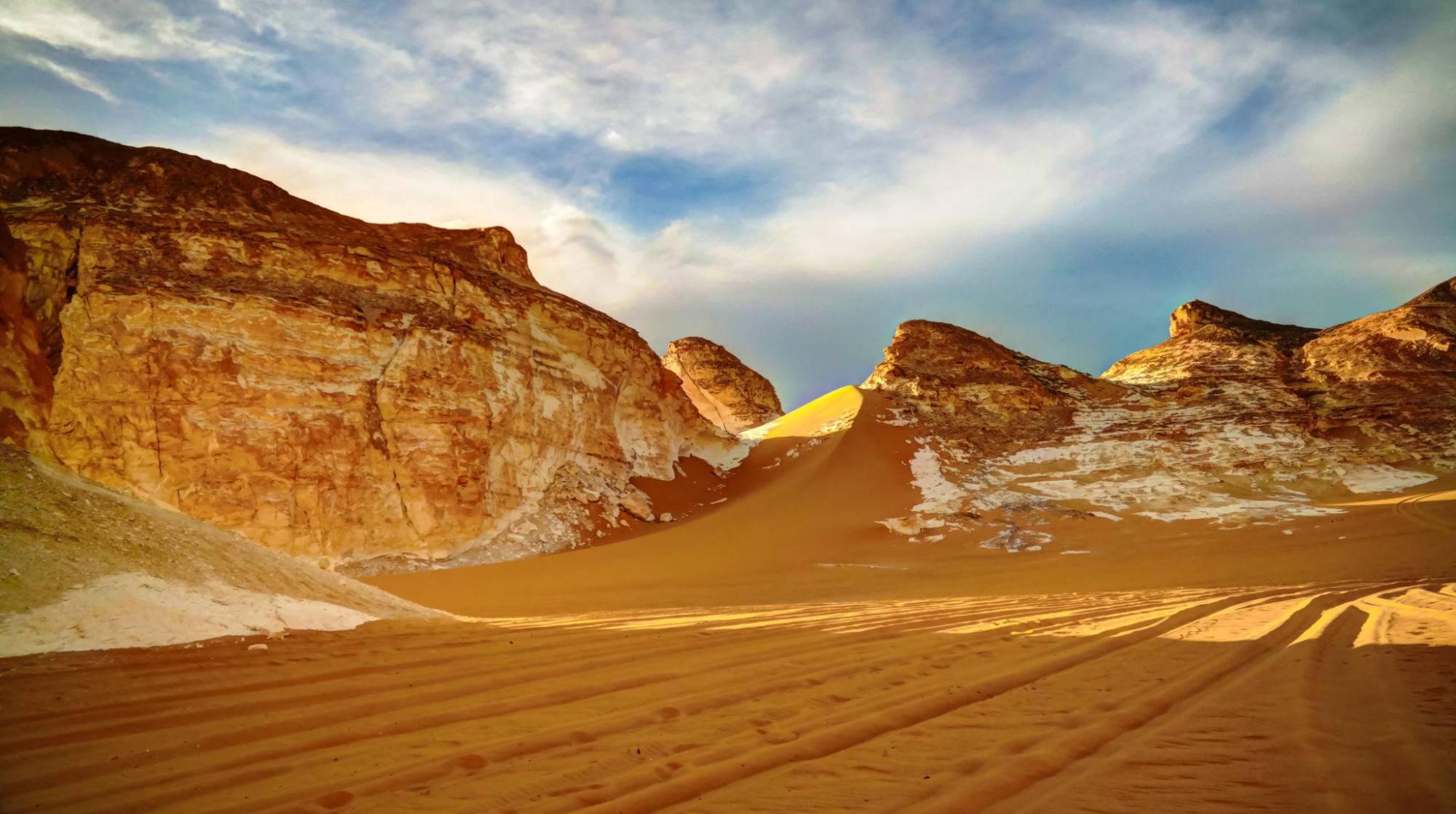
Agabat Valley in Egypt is one of the most spectacular natural destinations in the Western Desert. Known for its dramatic limestone formations, golden sand dunes, unusual rock shapes, and peaceful desert scenery, this remarkable area offers an unforgettable experience for travelers exploring the region around Bahariya Oasis and the White Desert.
Located in the wider White Desert region toward Farafra, Agabat Valley is a popular stop on desert safaris that combine geological wonders, off-road adventures, and photography opportunities. Its distinctive landscape brings together pale rock formations and sweeping sand dunes, creating scenery that looks different from almost anywhere else in Egypt.
Whether you are planning a private desert safari from Cairo, an overnight camping adventure, or a longer journey through Egypt’s Western Desert, this guide explains what makes Agabat Valley special, what to do there, when to visit, and how to include it in your itinerary.
Where Is Agabat Valley in Egypt?
Agabat Valley is located in Egypt’s Western Desert, in the wider White Desert area between the Bahariya Oasis region and Farafra.
The surrounding landscape is famous for its white and cream-colored rock formations, desert plains, and sand dunes. These natural features make the area a popular destination for guided 4x4 excursions.
Most travelers visit Agabat Valley as part of a broader desert safari rather than as a standalone destination. Bahariya Oasis commonly serves as a starting point for journeys toward the White Desert, although the precise route and travel time depend on the itinerary and current road conditions.
Visitors traveling from Cairo generally need to allow substantial time for the road journey to the oasis and the subsequent desert excursion.
Why Is Agabat Valley Famous?
Agabat Valley is best known for its extraordinary geological scenery. Wind erosion and other natural processes have helped shape the region’s rocks into distinctive forms over long periods.
The landscape features pale limestone formations rising from sandy ground, with some rocks resembling towers, arches, or sculpted figures. The contrast between the light-colored rocks and golden sand creates excellent opportunities for landscape photography.
Unlike the busy archaeological sites of Cairo and Luxor, Agabat Valley offers a remote natural environment where visitors can appreciate the scale and quietness of Egypt’s Western Desert.
Its scenery also makes it a memorable stop for travelers combining the Black Desert, Crystal Mountain, and White Desert on a longer safari.
Top Things to Do in Agabat Valley
1. Explore the Spectacular Rock Formations
The unusual rock formations are one of the main reasons travelers visit Agabat Valley.
Pale limestone structures rise above the surrounding sand, creating a landscape shaped by natural erosion. Their shapes and textures vary across the area, so even a short guided exploration can reveal a variety of photographic viewpoints.
During your visit, you can:
-
Admire the unusual shapes of the limestone formations.
-
Observe the contrast between rock, sand, and sky.
-
Learn about the region’s geological history from your guide.
-
Photograph the landscape from different viewpoints.
-
Enjoy the peaceful atmosphere of the remote desert.
Follow your guide’s instructions and avoid climbing fragile or unstable rock formations.
2. Enjoy a 4x4 Desert Safari
A guided 4x4 safari is one of the most practical ways to explore Agabat Valley and other remote parts of the Western Desert.
Suitable off-road vehicles can travel across sandy and rugged terrain that ordinary cars are not designed to handle. A knowledgeable local driver can help navigate the route and select suitable stops according to the conditions.
Depending on the program, a desert safari may combine Agabat Valley with the White Desert, Crystal Mountain, and the Black Desert.
Before booking, confirm which locations are included, how much time is allocated to each stop, and whether the vehicle and guide are included in the price.
3. Take Unforgettable Desert Photographs
Agabat Valley is an excellent destination for travelers who enjoy landscape photography.
Its combination of pale rocks, textured sand, and open desert creates strong visual contrasts. The changing position of the sun also alters the appearance of the formations throughout the day.
For better photographs:
-
Visit during the early morning or late afternoon when the itinerary allows.
-
Capture wide views to show the scale of the landscape.
-
Photograph rock textures and smaller details.
-
Include the dunes and surrounding terrain for variety.
-
Protect your camera from sand and dust.
A camera is not essential; even a smartphone can capture memorable images in suitable lighting.
4. Discover the Geological History of the Western Desert
Agabat Valley is also interesting for visitors who want to understand how desert landscapes develop.
The region contains sedimentary rock formations shaped by geological processes and long-term erosion. Wind, water, and changes in environmental conditions have contributed to the appearance of the wider Western Desert.
A guided visit can help explain the visible features of the landscape and the differences between the limestone formations of the White Desert region and the darker rocks found in the Black Desert.
Avoid collecting rocks or minerals. Preserving the natural environment helps protect the landscape for future visitors.
5. Experience the Desert at Sunset
Sunset can be one of the most beautiful times to appreciate Agabat Valley.
As the light becomes softer, the rocks and dunes may take on warmer tones, while the changing shadows emphasize the contours of the landscape.
If your itinerary allows, ask your tour operator whether a sunset stop is possible and how it affects the rest of the journey.
Never remain in a remote desert area after dark without suitable arrangements, navigation, and an experienced local guide.
6. Enjoy an Overnight White Desert Camping Adventure
Agabat Valley is often visited as part of a longer excursion into the White Desert region. Some itineraries include an overnight camping experience at an authorized location.
A desert night can provide opportunities to enjoy a quiet evening, observe the stars when skies are clear, and experience the landscape after sunset.
Camping arrangements vary by operator and location. Before booking, confirm whether camping is currently permitted at the planned site, what equipment is supplied, whether meals are included, and what facilities are available.
Travelers should follow all park rules and local guidance to help preserve the fragile desert environment.
Agabat Valley and the White Desert: What Is the Difference?
Agabat Valley is associated with the wider White Desert region, but the names refer to different geographical areas and visitor experiences.
Agabat Valley is particularly associated with its dramatic rock formations and sandy landscape. White Desert National Park is famous for its extensive white chalk formations, including unusual shapes that resemble mushrooms and other figures.
Many desert safaris include both areas in the same journey when conditions and the chosen route permit.
If you want to explore the broader landscape, see our White Desert Tours from Cairo.
Can You Visit Agabat Valley from Cairo?
Yes. Agabat Valley can be visited on a guided trip from Cairo, usually as part of a longer journey through Egypt’s Western Desert.
A typical route involves traveling by road toward Bahariya Oasis before continuing into the desert using a suitable 4x4 vehicle.
The total journey time depends on traffic, road conditions, the selected route, and the number of sightseeing stops.
Because Agabat Valley is relatively remote, visitors should plan transportation and desert access in advance. A private itinerary can offer more flexibility, while a multi-day trip may provide additional time for photography and exploration.
A same-day visit from Cairo should not be assumed to include every major attraction in the region. Confirm the complete itinerary and realistic travel schedule before booking.
Best Time to Visit Agabat Valley
The cooler months, generally from October through April, are often more comfortable for desert exploration.
Daytime temperatures and weather conditions can vary, while desert nights may be cold during winter. Travelers should check the forecast before departure and prepare for changing conditions.
During warmer months, early starts and appropriate sun protection become particularly important.
For photography, early morning and late afternoon often offer softer light and more pronounced shadows. The best time for your visit will also depend on the itinerary and the time required to reach the valley.
What to Wear and Bring to Agabat Valley
Agabat Valley is a remote outdoor destination, so appropriate preparation is essential.
Consider bringing:
-
Comfortable clothing suitable for desert conditions.
-
Sturdy walking shoes.
-
A hat and sunglasses.
-
Sunscreen.
-
Sufficient drinking water.
-
A camera or smartphone.
-
A small backpack.
-
Warm layers for the evening.
-
Personal medication and any essential supplies.
If you are joining an overnight camping trip, confirm which equipment and meals are included rather than assuming everything will be provided.
Always carry out your rubbish and follow the instructions of your local guide.
Is Agabat Valley Suitable for Families?
Agabat Valley can be suitable for families who enjoy nature and outdoor adventures, provided the trip is planned around the travelers’ needs.
A private tour can offer more flexibility for breaks and sightseeing stops. However, families should consider the long road journey, exposure to the sun, uneven ground, and limited facilities in remote areas.
Parents traveling with young children should discuss the itinerary and transport arrangements with the operator before booking.
For travelers with mobility concerns, ask about walking distances, access conditions, and whether the planned stops require climbing over rocks or walking on soft sand.
Nearby Attractions to Combine with Agabat Valley
One of the advantages of visiting Agabat Valley is the opportunity to explore several distinctive landscapes on the same Western Desert trip.
Black Desert
The Black Desert is known for its dark rocky hills and black stones contrasting with the surrounding sand.
It provides a striking visual contrast to the pale limestone formations of Agabat Valley and the White Desert.
Learn more through our Black Desert Tour.
White Desert National Park
The White Desert is one of Egypt’s most famous natural attractions. Its extraordinary chalk formations create an unusual landscape that attracts photographers and nature enthusiasts.
Many visitors combine it with Agabat Valley on a longer guided safari.
Discover the options on our White Desert Tours from Cairo.
Crystal Mountain
Crystal Mountain is a well-known geological stop on some routes through the Western Desert. It is famous for its exposed mineral-rich rock and sparkling crystalline features.
It is often included in a multi-stop safari rather than visited as a separate destination.
Bahariya Oasis
Bahariya Oasis is a convenient base for many Western Desert excursions. The region offers palm groves, archaeological attractions, local settlements, and access to desert routes.
Explore our Bahariya Oasis Tours or Bahariya Oasis Day Tours from Cairo to learn more about the available experiences.
Suggested Agabat Valley and White Desert Itinerary
The following is an illustrative two-day outline. The exact order of stops depends on the route, permissions, travel conditions, and the package selected.
Day 1: Cairo to Bahariya Oasis and the Desert
Depart Cairo by road toward Bahariya Oasis. After arrival, continue into the desert using a suitable 4x4 vehicle.
Depending on the itinerary, you may explore selected areas of the Black Desert or visit other stops along the route.
Continue toward the White Desert region and Agabat Valley when included in the planned program. Enjoy time for sightseeing and photography before reaching the agreed overnight accommodation or permitted camping location.
Day 2: Explore the White Desert and Return
Start the day with views of the surrounding desert landscape. Depending on the route and schedule, explore additional White Desert formations or nearby attractions.
After completing the sightseeing program, return toward Bahariya Oasis and continue by road to Cairo.
This outline is a planning example rather than a guarantee of specific stops. Confirm the itinerary, overnight arrangements, included meals, and expected arrival time before booking.
Responsible Tourism in Agabat Valley
Agabat Valley’s natural beauty depends on preserving its fragile landscape.
Visitors can help protect the area by following these simple principles:
-
Do not remove rocks, minerals, or other natural material.
-
Avoid leaving rubbish or food waste.
-
Follow authorized routes and local access rules.
-
Respect protected areas and instructions from guides.
-
Avoid damaging rock formations or disturbing wildlife.
-
Use responsible tour operators familiar with the region.
Responsible travel helps ensure that future visitors can continue to enjoy the natural wonders of Egypt’s Western Desert.
Frequently Asked Questions About Agabat Valley Egypt
Where is Agabat Valley located?
Agabat Valley is located in Egypt’s Western Desert, in the wider White Desert region toward Farafra. It is commonly visited on guided desert safaris starting from Bahariya Oasis.
What is Agabat Valley famous for?
Agabat Valley is known for its unusual limestone formations, golden sand, dramatic scenery, and photography opportunities.
Can I visit Agabat Valley from Cairo?
Yes. It can be included in a guided Western Desert trip from Cairo. The journey usually involves road travel toward Bahariya Oasis and a suitable 4x4 excursion into the desert.
Can I visit Agabat Valley and the White Desert on the same trip?
Yes. Many longer desert safaris combine Agabat Valley with the White Desert and other nearby attractions, depending on the itinerary and current access conditions.
Is Agabat Valley suitable for photography?
Yes. Its rock formations, sand dunes, and changing light make it an attractive destination for landscape photography.
Is overnight camping available near Agabat Valley?
Some Western Desert itineraries offer overnight camping in permitted locations. Confirm current rules, the exact camping site, equipment, meals, and facilities with your operator.
What should I bring on an Agabat Valley trip?
Bring suitable walking shoes, comfortable clothing, sun protection, drinking water, a camera, and warm layers for cooler evenings. Check which supplies are provided if you are camping overnight.
How long should I spend in Agabat Valley?
The ideal duration depends on your interests and itinerary. Many travelers visit as part of a multi-stop desert safari, allowing time to explore the surrounding White Desert region as well.
Plan Your Agabat Valley Adventure with Let’s Explore Egypt Travel
Agabat Valley is a memorable destination for travelers seeking natural beauty, geological wonders, and an authentic desert adventure in Egypt’s Western Desert.
From its sculpted limestone formations and golden sand to its connection with the wider White Desert landscape, the valley offers a different perspective on Egypt beyond the traditional sightseeing route.
Whether you want a private desert safari, a multi-day Western Desert adventure, or an itinerary combining Agabat Valley with the Black Desert and White Desert, careful planning will help you make the most of your trip.
Explore our White Desert Tours from Cairo, discover the Black Desert Tour, or browse our Bahariya Oasis Tours.
Let’s Explore Egypt Travel — discover the extraordinary landscapes of Egypt’s Western Desert.
Recommended Trips Near Agabat Valley
1. White Desert Tours from Cairo
Explore the spectacular white chalk formations, dramatic desert landscapes, and unique natural sculptures of Egypt’s White Desert. Choose an itinerary with an overnight camping experience where available.
2. Black Desert Tour
Experience the contrasting scenery of dark volcanic hills, black rocks, and golden sand dunes on a desert safari near Bahariya Oasis.
3. Bahariya Oasis Day Tours from Cairo
Discover the landscapes and attractions of Bahariya Oasis on a trip from Cairo, with opportunities to explore selected natural and cultural highlights.
4. Bahariya Oasis Tours
Explore the wider Western Desert region and discover the attractions around Bahariya Oasis. Compare available itineraries to find an experience that suits your travel plans.
Highlights of Agabat Valley Egypt
-
Explore the spectacular limestone formations of Agabat Valley in Egypt’s Western Desert.
-
Discover golden sand dunes and extraordinary natural rock sculptures.
-
Enjoy an exciting 4x4 desert safari through the White Desert region.
-
Capture stunning landscape photographs of the valley’s unique geological features.
-
Experience breathtaking desert scenery during the golden hours of sunrise and sunset.
-
Learn about the geological processes that shaped the Western Desert landscape.
-
Combine your visit with the famous White Desert National Park.
-
Discover nearby attractions such as Crystal Mountain and the Black Desert.
-
Enjoy an unforgettable desert adventure away from Egypt’s busy cities.
-
Experience the peaceful atmosphere of the Western Desert with Let’s Explore Egypt Travel.