


Valley of the Kings
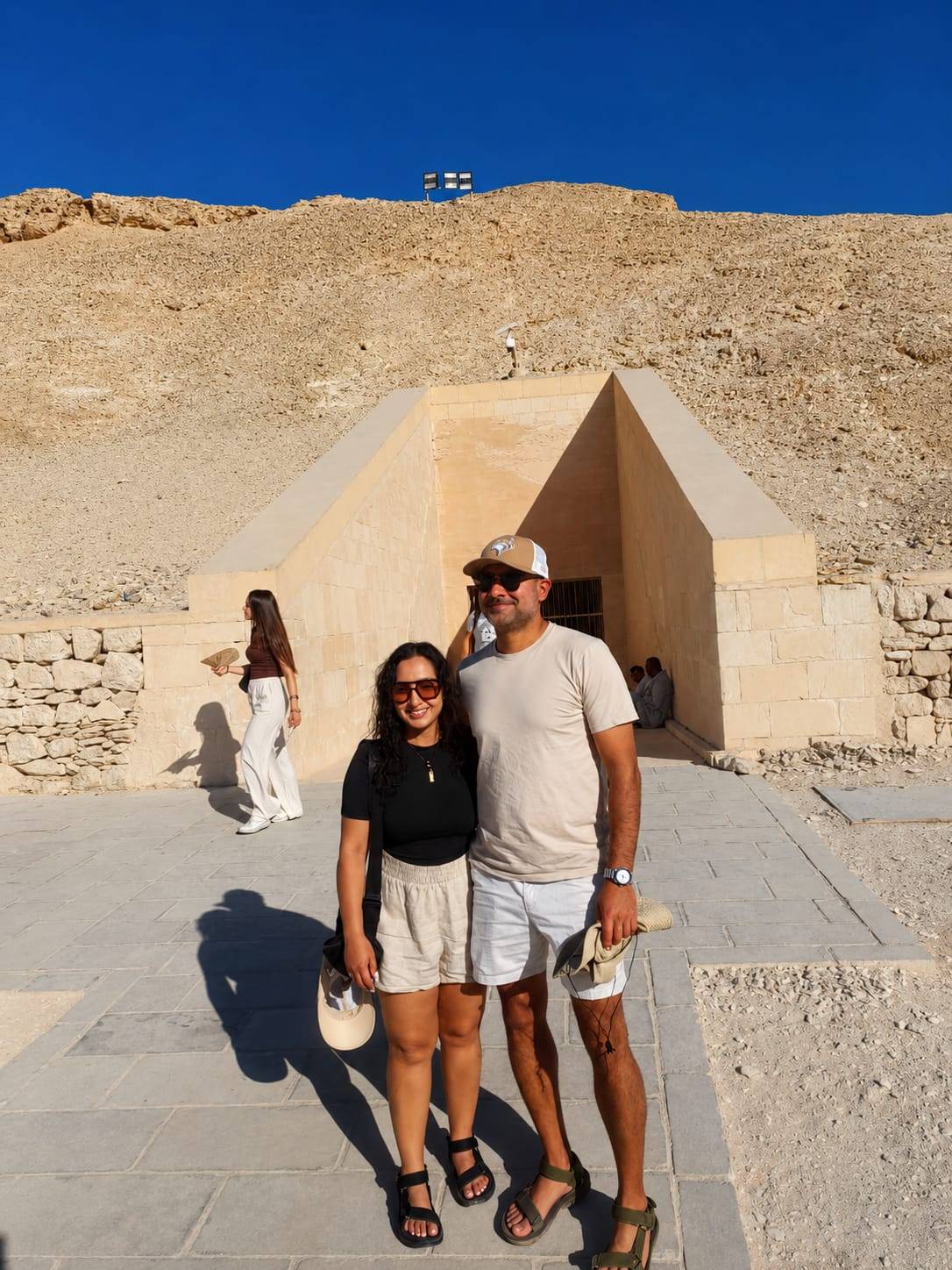
Valley of the Kings, Luxor: Complete Visitor Guide to Ancient Egypt's Royal Tombs
The Valley of the Kings in Luxor, Egypt, is one of the most extraordinary archaeological sites in the world. Hidden among the desert hills on the west bank of the Nile, this ancient royal cemetery contains elaborately decorated tombs built for pharaohs and other high-ranking individuals during the New Kingdom.
For travelers interested in ancient Egyptian history, visiting the Valley of the Kings offers a remarkable opportunity to explore the beliefs, burial traditions, and artistic achievements of the civilization that flourished thousands of years ago.
The site is famous for the tomb of Tutankhamun, whose discovery in 1922 attracted worldwide attention. However, the valley contains many other remarkable tombs, including those associated with powerful rulers such as Seti I, Ramesses II, and Thutmose III.
Whether you are planning a cultural holiday, a private sightseeing excursion, or a longer journey through Egypt, this guide explains the history of the Valley of the Kings, the tombs worth considering, and how to plan a memorable visit.
Where Is the Valley of the Kings?
The Valley of the Kings is located on the west bank of the Nile River in Luxor, southern Egypt. It forms part of the ancient Theban necropolis, an extensive archaeological landscape that includes royal tombs, temples, and other monuments.
In ancient times, Luxor was known as Thebes and served as an important religious and political center, particularly during the New Kingdom.
The valley lies in a desert landscape surrounded by limestone hills. Its secluded location helped ancient Egyptians establish a royal burial ground away from the more visible pyramids of earlier periods.
Today, the Valley of the Kings is one of Luxor's principal attractions and an essential destination for travelers exploring ancient Egyptian civilization.
History of the Valley of the Kings
The Valley of the Kings became the principal burial place for many pharaohs during Egypt's New Kingdom, approximately 1550–1069 BC.
During this period, Egyptian rulers controlled a powerful state with extensive religious traditions, monumental architecture, and elaborate royal burial practices.
Why Did the Pharaohs Choose This Location?
Earlier Egyptian kings were buried in monumental pyramids, particularly during the Old Kingdom. However, pyramids were highly visible structures that could attract tomb robbers.
New Kingdom rulers adopted a different approach by excavating tombs deep into the surrounding limestone hills.
Several factors influenced the choice of the valley:
-
Seclusion: The remote desert landscape helped conceal royal tomb entrances.
-
Religious symbolism: The west was associated with sunset, death, and the afterlife in ancient Egyptian belief.
-
Sacred geography: A naturally pyramid-shaped peak, known today as el-Qurn, rises above the surrounding hills.
-
Rock-cut construction: The limestone landscape allowed tombs to be excavated into the mountain.
Despite these precautions, many tombs were robbed during antiquity. Nevertheless, the valley has preserved an extraordinary record of royal burial practices and ancient Egyptian art.
Who Was the First Pharaoh Buried in the Valley?
Thutmose I, a ruler of the Eighteenth Dynasty, is generally recognized as the earliest pharaoh confirmed to have been buried in the Valley of the Kings.
His burial established a tradition that continued for generations, with subsequent rulers creating increasingly elaborate tombs.
Over time, the valley became the final resting place of some of Egypt's most influential kings, including Thutmose III, Amenhotep II, Seti I, and Ramesses II.
How Many Tombs Are in the Valley of the Kings?
The Valley of the Kings contains more than 60 discovered tombs, together with additional unfinished tombs and excavations.
Despite its name, the site was not exclusively reserved for kings. Some tombs belonged to members of the royal family and other high-ranking individuals.
The tombs vary considerably in size, design, decoration, and historical importance. Some feature long corridors and multiple chambers, while others are relatively small.
Many tomb walls display colorful religious scenes, hieroglyphic inscriptions, and illustrations associated with ancient Egyptian beliefs about death and rebirth.
The tombs also provide important evidence about royal succession, religious practices, artistic techniques, and the development of Egyptian funerary architecture.
The Most Famous Tombs in the Valley of the Kings
Choosing which tombs to visit depends on your interests, the available tickets, and the site's current access arrangements.
1. Tomb of Tutankhamun (KV62)
The tomb of Tutankhamun is the most internationally famous tomb in the Valley of the Kings.
Tutankhamun was a young pharaoh of the Eighteenth Dynasty who ruled during the fourteenth century BC. His tomb was discovered by British archaeologist Howard Carter in November 1922.
Unlike many other royal tombs, Tutankhamun's burial chamber had survived with an extraordinary collection of objects, although the tomb had experienced disturbance in antiquity.
The discovery revealed thousands of artifacts, including furniture, jewelry, chariots, clothing, ritual objects, and the famous royal funerary equipment.
Today, visitors can see the tomb itself and its decorated burial chamber, where Tutankhamun's mummy is displayed.
The tomb is relatively small compared with some other royal tombs, but its historical importance makes it a major highlight for many visitors.
Admission to Tutankhamun's tomb may require a separate ticket in addition to the general Valley of the Kings admission. Check the current official ticket information before your visit.
2. Tomb of Seti I (KV17)
The tomb of Seti I is widely admired for its impressive scale and elaborate decoration.
Seti I ruled during the Nineteenth Dynasty and was the father of Ramesses II. His reign was associated with military campaigns, royal building projects, and the restoration of Egyptian influence in important regions.
The tomb contains extensive corridors and chambers decorated with religious texts and scenes related to the pharaoh's journey into the afterlife.
Its detailed artwork makes it especially interesting for visitors who want to understand the sophistication of ancient Egyptian tomb decoration.
Access to this tomb is generally subject to a separate ticket and current site arrangements, so check availability in advance.
3. Tomb of Ramesses V and Ramesses VI (KV9)
The tomb of Ramesses V and Ramesses VI is another important attraction in the valley.
Its corridors and chambers contain elaborate religious decorations, including scenes and texts associated with the sun's journey through the underworld.
The colorful ceiling decorations are among the features that make the tomb memorable.
For visitors interested in ancient Egyptian mythology and funerary beliefs, this tomb offers a fascinating look at how the Egyptians imagined the afterlife.
Confirm the current ticket requirements and access conditions before visiting.
4. Tomb of Thutmose III (KV34)
The tomb of Thutmose III is particularly important for its historical and artistic significance.
Thutmose III was one of the most influential rulers of the Eighteenth Dynasty. His reign is associated with military expansion and the growth of Egyptian power.
The tomb is located high in the valley and has a distinctive design adapted to the surrounding rock.
Its decoration includes scenes and inscriptions associated with the Amduat, an important funerary text describing the sun god's journey through the underworld.
This tomb is an excellent choice for visitors interested in royal history and ancient Egyptian religious literature.
5. Tomb of Amenhotep II (KV35)
Amenhotep II ruled during the Eighteenth Dynasty and was known for his military reputation.
His tomb contains important historical and archaeological evidence, including discoveries connected with royal mummies.
The tomb is notable for its layout and religious decorations, making it another worthwhile option for visitors interested in the history of the New Kingdom.
As with other tombs, access can depend on current site arrangements.
What Makes the Tomb Paintings So Special?
One of the most remarkable features of the Valley of the Kings is the preservation of its painted wall decorations.
Many tombs contain scenes from religious texts that guided the deceased through the afterlife.
These decorations were not simply artistic embellishments. They formed part of a complex religious system intended to protect the deceased king and support his transformation into a divine being.
Important funerary texts represented in the valley include:
-
The Book of the Dead: A collection of spells and instructions intended to help the deceased navigate the afterlife.
-
The Amduat: A religious composition describing the sun god's journey through the underworld.
-
The Book of Gates: A text depicting the divisions and guardians encountered during the journey through the afterlife.
-
The Litany of Ra: A religious composition honoring different forms of the sun god.
Not every tomb contains every text. The selection and arrangement of scenes vary according to the period, ruler, and tomb.
For visitors, these paintings offer a unique opportunity to explore ancient Egyptian ideas about death, renewal, divine power, and eternal life.
Valley of the Kings Entrance Tickets and Visiting Rules
The Valley of the Kings requires an admission ticket. Some individual tombs may require additional tickets, depending on the current ticketing arrangements.
Ticket prices, available tombs, and access rules can change. Check the official Ministry of Tourism and Antiquities information or its authorized ticketing service before your visit.
Official visitor information is available through the Ministry of Tourism and Antiquities.
Before entering the site, keep the following points in mind:
-
Confirm which tombs are included in your admission ticket.
-
Check whether Tutankhamun's tomb or other special tombs require additional payment.
-
Keep your ticket available throughout your visit.
-
Follow the instructions of site staff and respect any photography restrictions.
-
Avoid touching the painted walls or ancient surfaces.
-
Check the current opening hours and allow enough time to explore before the last admission.
Because ticket arrangements and conservation measures can change, avoid relying on outdated prices published by unofficial websites.
Best Time to Visit the Valley of the Kings
Luxor can become extremely hot, especially during the summer months. The best time for many travelers to explore the Valley of the Kings is during the cooler months, generally from October through April.
Visiting in the Morning
An early morning visit is often a practical choice because temperatures are usually lower than later in the day.
Arriving early can also help you organize your sightseeing before the hottest part of the afternoon.
Visiting During Winter
Winter generally offers more comfortable conditions for exploring Luxor's archaeological sites.
December, January, and February are popular months for cultural tourism, so booking transportation and guided services in advance can be helpful.
Visiting During Summer
Summer visits are still possible, but the heat can be intense.
If traveling during the warmer months, carry water, wear suitable clothing, use sun protection, and follow local guidance. The tombs themselves can also feel warm and enclosed, so take breaks when necessary.
Always check the official opening hours for your travel date, as operating schedules can vary by season.
How Long Do You Need at the Valley of the Kings?
Most visitors should allow approximately two to three hours to explore the Valley of the Kings, depending on how many tombs they visit and how much time they spend studying the decorations.
Travelers with a strong interest in archaeology may wish to spend longer, particularly if additional tombs are accessible.
Your visit may include:
-
Walking between the visitor entrance and the tomb areas.
-
Exploring several tombs included with your ticket.
-
Learning about the pharaohs and their burial traditions.
-
Taking permitted photographs.
-
Visiting the visitor facilities and information areas.
If you are planning a full day on Luxor's west bank, you can combine the Valley of the Kings with other nearby attractions.
What to Wear and Bring
The Valley of the Kings is an archaeological site in a dry desert landscape. Comfortable preparation can make your visit easier.
Consider bringing:
-
Comfortable walking shoes with good grip.
-
Lightweight clothing suitable for warm weather.
-
A hat and sunglasses for outdoor sections.
-
Sunscreen.
-
Drinking water, following site rules.
-
A camera or mobile phone, subject to photography regulations.
-
A small bag for essential belongings.
Some tombs have stairs, uneven surfaces, narrow passages, or steep sections. Visitors with mobility concerns should check the accessibility arrangements before traveling.
Other Attractions to Visit Near the Valley of the Kings
The Valley of the Kings is part of a larger archaeological landscape on Luxor's west bank. Combining nearby attractions can help you make the most of your time in the area.
Temple of Hatshepsut
The Mortuary Temple of Hatshepsut stands beneath dramatic limestone cliffs at Deir el-Bahari.
Its terraces and monumental architecture make it one of Luxor's most recognizable sites.
The temple is associated with Queen Hatshepsut, one of ancient Egypt's most significant female rulers.
Colossi of Memnon
The Colossi of Memnon are two monumental stone statues representing Amenhotep III.
Standing near the route to Luxor's west-bank attractions, they are a popular stop for travelers exploring the area's ancient monuments.
Valley of the Queens
The Valley of the Queens served as a burial ground for royal women and some royal children.
It contains decorated tombs that provide a complementary perspective on royal burial traditions during the New Kingdom.
The famous tomb of Queen Nefertari is particularly renowned for its vivid decoration, although access is subject to separate ticketing and current conservation rules.
Medinet Habu
Medinet Habu is a major temple complex associated with Ramesses III.
Its reliefs and architectural features provide valuable evidence about royal power, religious ceremonies, and historical events during the New Kingdom.
Deir el-Medina
Deir el-Medina was the settlement of the artisans who worked on royal tombs in the Valley of the Kings and Valley of the Queens.
The remains of the village and its decorated tombs offer a rare glimpse into the lives of skilled workers and their families.
Combining several of these sites can create a rewarding west-bank itinerary.
Why Visit the Valley of the Kings with a Private Tour?
A private tour can help you organize transportation, understand the historical significance of the tombs, and make better use of your time in Luxor.
A well-planned itinerary can include the Valley of the Kings alongside other attractions, depending on your interests and available time.
Before booking, clarify which services are included, such as:
-
Private transportation.
-
A qualified licensed tour guide.
-
Pickup and drop-off arrangements.
-
Entrance tickets.
-
Lunch or refreshments, if offered.
-
Additional stops and the expected duration.
If you are planning to explore more of Egypt beyond Luxor, browse our Egypt tour packages to consider options for combining historical destinations in one itinerary.
Choose an itinerary that gives you enough time to appreciate the sites rather than rushing between too many attractions.
Frequently Asked Questions About the Valley of the Kings
Where is the Valley of the Kings located?
The Valley of the Kings is on the west bank of the Nile in Luxor, southern Egypt. It forms part of the ancient Theban necropolis.
Why is the Valley of the Kings famous?
It is famous for its royal tombs, colorful wall paintings, and the discovery of Tutankhamun's tomb in 1922.
How many tombs are in the Valley of the Kings?
More than 60 tombs have been discovered in the valley, together with additional unfinished tombs.
Can visitors enter the tombs?
Yes. Visitors can enter selected tombs that are open to the public, subject to ticket conditions and conservation rules. Access may change over time.
Is Tutankhamun's tomb open to visitors?
Tutankhamun's tomb is a visitor attraction, but access and ticket arrangements should be confirmed through the official ticketing service before your visit.
Is Tutankhamun's tomb included in the entrance ticket?
A separate ticket may be required for Tutankhamun's tomb. Check the current official ticket details before purchasing admission.
How long should I spend at the Valley of the Kings?
Allow approximately two to three hours for a typical visit, although visitors with a strong interest in archaeology may want additional time.
What is the best time to visit the Valley of the Kings?
The cooler months, generally October through April, are popular for sightseeing. An early morning visit can also help you avoid the hottest part of the day.
Can I take photographs inside the tombs?
Photography rules vary according to current regulations and individual tomb requirements. Follow posted instructions and ask site staff if you are unsure.
Can I visit the Valley of the Kings and Hatshepsut Temple on the same day?
Yes. Many travelers combine these attractions in a west-bank itinerary, often including the Colossi of Memnon or other nearby sites.
Is a tour guide necessary at the Valley of the Kings?
A guide is not always required for admission, but a qualified guide can help explain the tombs' historical context, religious scenes, and archaeological significance.
Is the Valley of the Kings suitable for children?
Families can visit, but the experience includes walking, stairs, and enclosed tomb spaces. Parents should consider their children's needs and check accessibility and visitor rules before the trip.
Plan Your Visit to the Valley of the Kings with Let's Explore Egypt Travel
The Valley of the Kings is one of the most remarkable places to experience the history of ancient Egypt. Its royal tombs, vivid paintings, and archaeological discoveries reveal the extraordinary beliefs and artistic achievements of the New Kingdom.
Whether you want to explore Tutankhamun's tomb, admire the decoration of other royal burial chambers, or discover the wider archaeological landscape of Luxor, planning your visit carefully will help you make the most of this unforgettable destination.
Let's Explore Egypt Travel can help you plan your Egypt holiday and discuss private sightseeing arrangements based on your travel dates and interests.
Explore our Egypt tour packages to start planning your journey through Egypt's ancient wonders.
Discover the Valley of the Kings — where the stories of Egypt's pharaohs continue to live on.
Highlights of the Valley of the Kings
-
Explore the ancient royal tombs of Egypt's New Kingdom pharaohs.
-
Discover the famous Tomb of Tutankhamun, found by Howard Carter in 1922.
-
Admire colorful hieroglyphics and beautifully preserved funerary paintings.
-
Learn about ancient Egyptian beliefs in the afterlife and royal burial traditions.
-
Visit remarkable tombs associated with Seti I, Ramesses VI, and Thutmose III, subject to availability.
-
Discover the archaeological wonders of Luxor's west bank.
-
Combine your visit with Hatshepsut Temple and the Colossi of Memnon.
-
Experience one of Egypt's most important UNESCO World Heritage archaeological landscapes.