


Temple of Queen Hatshepsut in Luxor
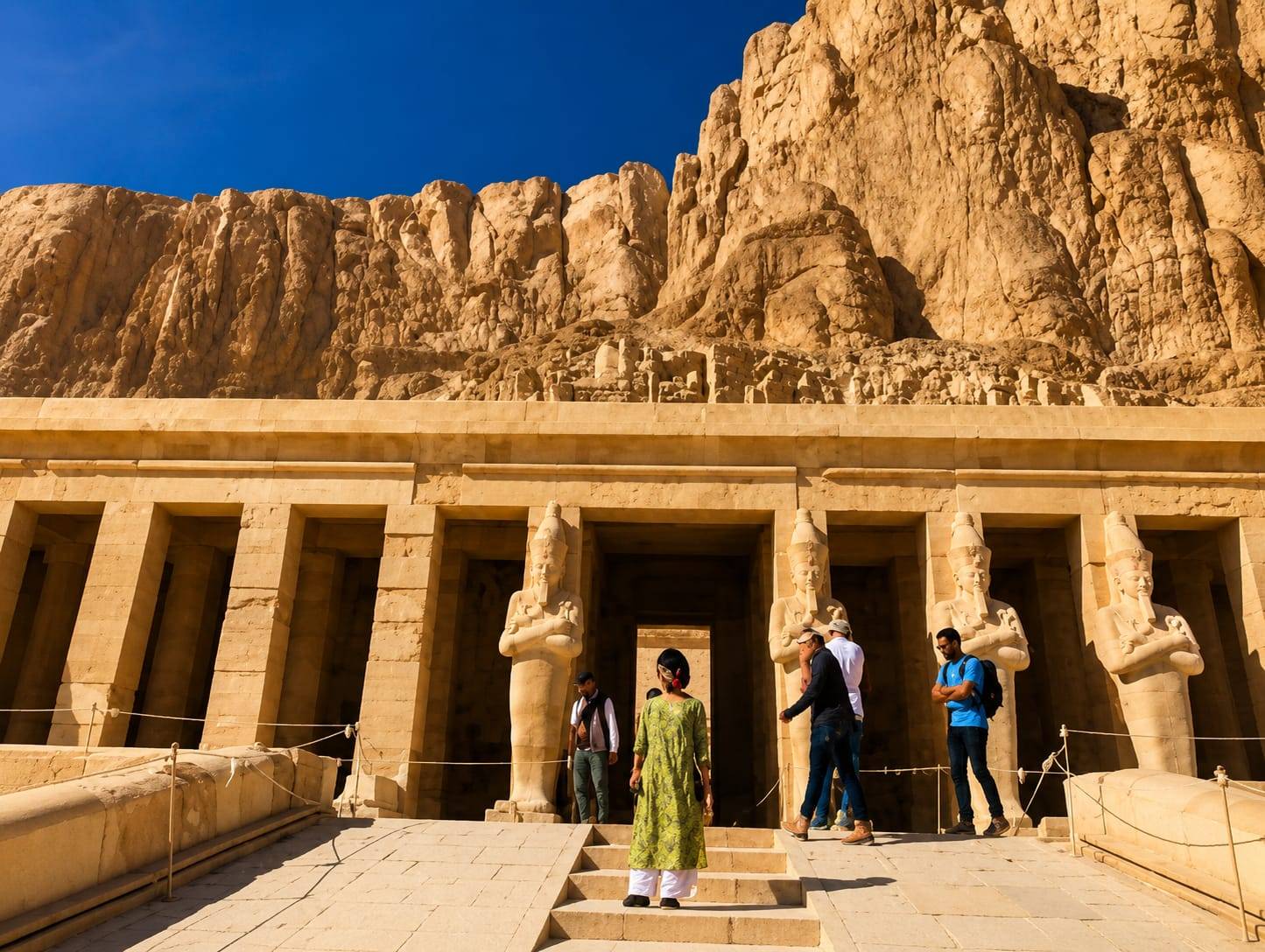
Temple of Queen Hatshepsut in Luxor, Egypt: Complete Visitor Guide
The Temple of Queen Hatshepsut in Luxor, Egypt, is one of the most remarkable monuments of ancient Egyptian civilization. Set beneath towering limestone cliffs at Deir el-Bahari on the west bank of the Nile, this extraordinary mortuary temple is famous for its elegant terraces, impressive colonnades, and fascinating connection to one of Egypt's most powerful female rulers.
Unlike the towering pyramids or the enormous columns of Karnak Temple, Hatshepsut's temple is distinguished by its harmonious relationship with the surrounding landscape. Its long ramps, symmetrical terraces, and carefully designed courtyards create an architectural experience that feels both monumental and remarkably refined.
For travelers exploring Luxor, the Temple of Hatshepsut offers more than beautiful scenery. It reveals the political ambitions, religious traditions, artistic achievements, and royal legacy of a woman who ruled Egypt during the Eighteenth Dynasty.
Whether you are planning a cultural holiday, a private sightseeing excursion, or a longer journey through Egypt, this guide explains the temple's history, architectural highlights, and practical information to help you plan your visit.
Where Is the Temple of Queen Hatshepsut?
The Temple of Hatshepsut is located at Deir el-Bahari, on the west bank of the Nile in Luxor, southern Egypt.
The area forms part of the ancient Theban necropolis, a vast archaeological landscape that includes royal tombs, mortuary temples, and burial grounds associated with the rulers and elites of ancient Thebes.
The temple stands beneath a dramatic natural amphitheater of limestone cliffs, creating one of the most recognizable archaeological settings in Egypt.
From central Luxor, visitors typically cross the Nile and travel to the west bank by road. The temple is commonly included in sightseeing itineraries that also feature the Valley of the Kings and the Colossi of Memnon.
Its location makes it an excellent stop for travelers who want to understand the religious and funerary traditions of ancient Egyptian royalty.
Who Was Queen Hatshepsut?
Queen Hatshepsut was one of the most significant rulers of ancient Egypt. She belonged to the Eighteenth Dynasty and became pharaoh during the fifteenth century BC.
She was the daughter of Pharaoh Thutmose I and married her half-brother, Thutmose II. After his death, she initially served as regent for the young Thutmose III before assuming full royal authority.
Hatshepsut ruled as pharaoh for approximately two decades, during a period associated with political stability, major building projects, and long-distance trade.
A Woman Who Became Pharaoh
Royal power in ancient Egypt was traditionally associated with male kings, but Hatshepsut adopted the titles and ceremonial imagery of a pharaoh.
In official monuments, she was sometimes represented wearing traditional royal regalia, including the royal headcloth and other symbols of kingship.
Her use of established royal imagery helped communicate her authority within Egypt's religious and political traditions.
Rather than simply acting as a queen consort, Hatshepsut presented herself as a legitimate ruler chosen by the gods.
Trade, Prosperity, and Monumental Building
Hatshepsut's reign is associated with ambitious construction projects and commercial expeditions.
One of the best-known events represented in her temple is the expedition to the land of Punt, a trading region whose exact location remains debated but is generally associated with areas around the southern Red Sea.
Reliefs depict ships, foreign landscapes, valuable goods, and interactions with the people of Punt.
These scenes provide important evidence about Egyptian trade, diplomatic relationships, and the circulation of luxury products during the New Kingdom.
Hatshepsut's building program extended beyond Deir el-Bahari, but her mortuary temple remains one of the most enduring expressions of her royal legacy.
Why Was the Temple of Hatshepsut Built?
The temple was constructed as a mortuary temple for Hatshepsut and was dedicated to the god Amun, among other religious associations.
In ancient Egyptian belief, mortuary temples supported the ongoing funerary cult of a deceased ruler. They provided spaces for offerings, rituals, and ceremonies connected with the king's continued existence in the afterlife.
Hatshepsut's temple also served an important political purpose during her lifetime. Its reliefs and inscriptions presented her royal legitimacy, divine association, and achievements.
The building therefore combined religious functions with a carefully developed statement of royal authority.
Its position near other important monuments of ancient Thebes also connected it to a sacred landscape that included temples, royal tombs, and ceremonial routes.
The Architecture of Hatshepsut's Temple
The Temple of Hatshepsut is widely admired for its distinctive design.
Its architecture differs from the conventional image of an Egyptian temple dominated by a monumental entrance and enclosed courtyards. Instead, the building rises through a series of terraces connected by long ramps.
The design incorporates the natural cliffs behind it, creating a striking visual relationship between human construction and the surrounding geology.
The Three Monumental Terraces
The temple is organized into three principal levels, each connected by a ramp.
The terraces create a gradual progression toward the cliffs, making the monument appear integrated into its natural setting.
The lower areas introduce visitors to the overall scale of the complex, while the upper terraces reveal increasingly detailed architectural features and religious spaces.
As you walk through the temple, observe how the colonnades frame views of the cliffs and the surrounding desert landscape.
The Colonnades
The temple's colonnades are among its most recognizable architectural elements.
Rows of columns and open galleries create patterns of light and shadow across the terraces. Their arrangement emphasizes the building's symmetry and reinforces the monumental character of the complex.
The surviving columns and relief-covered walls provide insight into the original appearance of the temple and the craftsmanship of ancient Egyptian builders.
The Upper Sanctuary
The upper part of the complex contains important religious spaces, including the sanctuary associated with Amun.
This area formed the sacred heart of the temple and was connected with religious ceremonies and royal worship.
The sanctuary and surrounding rooms demonstrate that the monument was not simply a memorial building but an active religious complex with carefully defined ritual spaces.
The Most Important Highlights Inside the Temple
A visit to the Temple of Hatshepsut becomes more rewarding when you understand the stories represented in its reliefs and architectural features.
1. The Expedition to Punt
One of the most celebrated sets of reliefs depicts the Egyptian expedition to Punt.
The scenes show ships, foreign settlements, local inhabitants, and valuable products brought back to Egypt.
Among the goods associated with the expedition were aromatic resins, incense-producing materials, and other luxury products.
The reliefs provide a vivid representation of Egyptian trade and the importance of international exchange during Hatshepsut's reign.
2. The Divine Birth Reliefs
Another important group of scenes relates to Hatshepsut's divine birth.
The reliefs present a religious narrative in which the god Amun plays a role in her conception and royal destiny.
Such scenes were part of the ideological language of Egyptian kingship. They communicated the idea that a pharaoh's authority was supported by divine approval.
For Hatshepsut, this imagery helped reinforce her claim to the throne.
3. The Chapel of Hathor
Hathor was an important Egyptian goddess associated with motherhood, music, joy, and protection.
The temple includes a chapel associated with Hathor, reflecting the goddess's religious importance in the Theban region.
Architectural details and surviving decorative elements help illustrate the range of religious traditions represented within the complex.
4. The Chapel of Anubis
Anubis was closely associated with mummification, funerary protection, and the treatment of the dead.
The chapel associated with Anubis reflects the temple's mortuary character and its relationship with ancient Egyptian beliefs about death and the afterlife.
5. The Temple's Natural Backdrop
The limestone cliffs behind the temple are among its most memorable features.
Their scale and color contrast with the horizontal terraces, giving the monument a distinctive appearance throughout the day.
The landscape also provides excellent opportunities for photography, especially when the sunlight emphasizes the architectural lines and the texture of the cliffs.
What Happened to Hatshepsut's Temple After Her Reign?
The history of the temple continued long after Hatshepsut's death.
Some images and inscriptions associated with Hatshepsut were later altered or damaged, particularly during the reign of Thutmose III and subsequent periods. The reasons for these actions are still discussed by historians, and the extent to which they represented a deliberate campaign against her memory remains a subject of scholarly debate.
Over the centuries, parts of the temple were affected by changing religious practices, reuse, environmental conditions, and structural deterioration.
Some areas were used for religious purposes during later periods, while other sections fell into ruin.
Modern archaeological research and restoration have helped preserve important parts of the complex and make it accessible to visitors.
Today, the temple is recognized as a major component of the ancient Theban archaeological landscape, which is part of the UNESCO World Heritage property known as Ancient Thebes with its Necropolis.
Temple of Hatshepsut and the Valley of the Kings
The Temple of Hatshepsut and the Valley of the Kings are two of Luxor's most important archaeological attractions, and many travelers visit both during the same day.
However, they served different purposes.
The Temple of Hatshepsut was a mortuary and religious complex associated with the queen's funerary cult and royal legacy.
The Valley of the Kings was a royal burial ground containing tombs excavated into the desert hills for pharaohs and other important individuals, particularly during the New Kingdom.
Visiting both sites provides a broader understanding of how ancient Egyptians commemorated rulers, prepared for the afterlife, and expressed their religious beliefs through architecture and decoration.
The Valley of the Kings is famous for the tomb of Tutankhamun and its colorful funerary paintings, while Hatshepsut's temple is celebrated for its terraces, colonnades, and historical reliefs.
Together, these attractions create a rewarding introduction to the royal history of ancient Thebes.
Best Time to Visit the Temple of Hatshepsut
Luxor experiences very hot weather during the summer, so many travelers prefer visiting between October and April.
Morning Visits
An early morning visit is often a good option because temperatures are usually more comfortable than later in the day.
Morning light can also create attractive contrasts across the terraces and limestone cliffs.
Winter Travel
The cooler months are popular for sightseeing, particularly for travelers who plan to visit several archaeological sites in one day.
During busy periods, arranging transportation and guided services in advance can help make the day easier to organize.
Summer Travel
Summer visits are possible, but the heat can be intense.
Wear comfortable clothing, use sun protection, carry water, and take breaks as needed. Most of the temple complex is exposed to the sun, so planning your visit carefully is especially important.
Always confirm current opening hours and visitor rules before traveling.
How Long Do You Need at the Temple of Hatshepsut?
Many visitors spend approximately one to two hours exploring the temple, depending on their interest in architecture, history, and photography.
You may wish to allow additional time if you enjoy studying the reliefs or exploring the different terraces at a relaxed pace.
A typical visit may include:
-
Walking through the main terraces and colonnades.
-
Examining important reliefs and inscriptions.
-
Learning about Hatshepsut's reign and royal achievements.
-
Photographing the architecture and limestone cliffs.
-
Exploring the religious areas that are open to visitors.
If you plan to visit the Valley of the Kings and the Colossi of Memnon on the same day, allow enough time for transportation, ticket arrangements, and walking between the different sites.
Practical Tips for Visiting the Temple
A little preparation can make your visit more comfortable.
-
Wear comfortable walking shoes.
-
Bring a hat, sunglasses, and sunscreen.
-
Carry drinking water.
-
Allow extra time for photography and exploring the terraces.
-
Follow site regulations and respect restricted areas.
-
Check current entrance fees and opening hours before arrival.
-
If you have mobility concerns, check accessibility arrangements in advance.
The temple includes ramps, steps, and open areas, and the heat can make walking more demanding during warmer months.
Other Attractions to Visit Near Hatshepsut's Temple
The temple is part of a larger archaeological landscape on Luxor's west bank. If time permits, consider combining your visit with other important monuments.
Valley of the Kings
Explore the royal tombs of the New Kingdom, including the famous tomb of Tutankhamun, subject to current ticketing and access arrangements.
Colossi of Memnon
See the two monumental statues of Amenhotep III, which remain among the most recognizable landmarks on the west bank.
Medinet Habu
Visit the impressive temple complex associated with Ramesses III, known for its architecture and historical reliefs.
Deir el-Medina
Discover the settlement of the artisans who worked on royal tombs, offering a different perspective on daily life in ancient Egypt.
Karnak Temple
If you have time to explore Luxor's east bank, Karnak Temple offers a dramatic contrast to Hatshepsut's terraced architecture, with monumental columns, sacred courtyards, and a long history of royal construction.
Explore Luxor with a Private Tour
A private tour can help you organize transportation, understand the historical significance of the monuments, and make the most of your available time.
Depending on your preferences, a Luxor itinerary may combine the Temple of Hatshepsut with the Valley of the Kings and the Colossi of Memnon, or include additional archaeological sites.
Before booking, confirm whether the tour includes:
-
Private transportation.
-
A licensed tour guide.
-
Pickup and drop-off.
-
Entrance tickets.
-
Lunch or refreshments, if offered.
-
Any additional activities or special ticket requirements.
If you are planning to visit several destinations in Egypt, explore our Egypt tour packages to consider options for combining Luxor with Cairo, Aswan, and other historical destinations.
For a more focused visit to the royal tombs and monuments of ancient Thebes, you can also browse our Giza Pyramids tours when planning other parts of your Egypt holiday.
Frequently Asked Questions About the Temple of Hatshepsut
Where is the Temple of Queen Hatshepsut located?
The temple is at Deir el-Bahari on the west bank of the Nile in Luxor, southern Egypt.
Who built the Temple of Hatshepsut?
The temple was commissioned by Queen Hatshepsut during the Eighteenth Dynasty. Its construction is traditionally associated with her royal official and architect Senenmut, although the building program involved a wider group of officials and workers.
Why is the Temple of Hatshepsut famous?
It is famous for its terraced architecture, dramatic limestone setting, detailed reliefs, and connection with one of ancient Egypt's most influential female pharaohs.
How long does it take to visit the temple?
Many visitors spend approximately one to two hours exploring the temple, although the time required depends on your interests and sightseeing schedule.
Can I visit Hatshepsut's temple and the Valley of the Kings in one day?
Yes. Both attractions are located on Luxor's west bank and are commonly combined in a day tour. The itinerary should allow sufficient time for transportation and exploring each site.
What is the best time to visit?
The cooler months, generally October through April, are popular for sightseeing. An early morning visit can help you avoid the hottest part of the day.
Is a tour guide necessary?
A guide is not always required for admission, but a qualified guide can explain the historical reliefs, royal symbolism, and religious significance of the temple.
Are entrance tickets included in tour packages?
Ticket inclusions depend on the package. Check the tour description and confirm whether admission fees are included or paid separately.
Is the Temple of Hatshepsut suitable for families?
Families can visit the temple, but the site involves outdoor walking, ramps, and steps. Consider the weather, walking distances, and the needs of younger children or older travelers.
Can I take photographs inside the temple?
Photography rules may vary by location and current regulations. Follow posted instructions and ask site staff if you are unsure.
Plan Your Visit to the Temple of Queen Hatshepsut
The Temple of Queen Hatshepsut is one of Luxor's most distinctive historical attractions. Its monumental terraces, beautifully decorated reliefs, and dramatic setting offer an unforgettable introduction to the achievements of ancient Egyptian civilization.
Whether you are interested in Hatshepsut's extraordinary reign, ancient religious beliefs, or the architectural wonders of the New Kingdom, this temple deserves a place on your Luxor itinerary.
Let’s Explore Egypt Travel can help you plan a personalized Egypt holiday based on your travel dates, interests, and preferred destinations.
Explore our Egypt tour packages and start planning your journey through the temples, tombs, and ancient wonders of Egypt.
Discover the Temple of Hatshepsut — where royal ambition, sacred architecture, and the landscape of ancient Thebes come together.
Tours You May Like
Discover more of ancient Egypt with these recommended tours:
-
Private Full-Day Luxor Tour to the West and East Banks – Explore the Valley of the Kings, Temple of Hatshepsut, Karnak Temple, and other iconic landmarks of Luxor in one unforgettable day.
-
3-Day Luxor Tour – Enjoy a deeper exploration of Luxor’s ancient temples, royal tombs, and fascinating archaeological sites over three days.
Highlights – Temple of Queen Hatshepsut
-
Explore the magnificent mortuary temple of Queen Hatshepsut at Deir el-Bahari, Luxor.
-
Admire the temple's three impressive terraces beneath towering limestone cliffs.
-
Discover the fascinating story of one of ancient Egypt's most powerful female pharaohs.
-
See beautifully decorated reliefs depicting the famous expedition to the Land of Punt.
-
Learn about ancient Egyptian royal traditions, religious beliefs, and monumental architecture.
-
Visit the sacred chapels dedicated to important Egyptian deities, including Hathor and Anubis.
-
Capture stunning photographs of the temple's symmetrical design and dramatic desert surroundings.
-
Combine your visit with the Valley of the Kings and the Colossi of Memnon on a Luxor West Bank tour.
-
Experience one of the most remarkable archaeological monuments of ancient Thebes.
-
Enjoy an unforgettable journey into the history and achievements of ancient Egyptian civilization.