


Karnak Temple
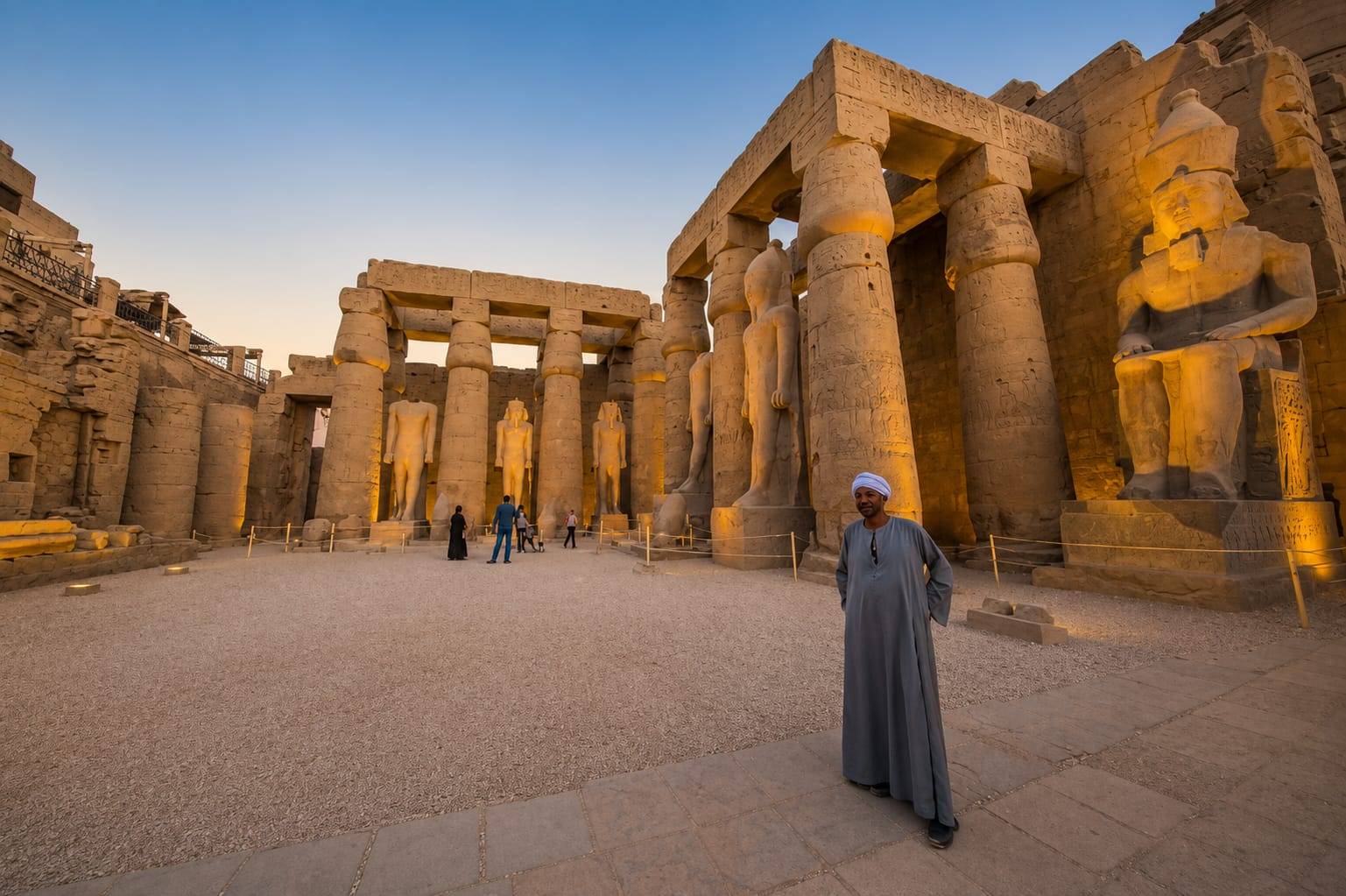
Karnak Temple, Luxor: History, Highlights and Visitor Guide
Karnak Temple is one of the most extraordinary archaeological sites in Egypt and a must-see destination for anyone interested in ancient Egyptian history. Located on the east bank of the Nile in Luxor, this vast religious complex features monumental gateways, towering stone columns, ancient obelisks, sacred spaces, and thousands of years of history.
Unlike a single temple built by one ruler, Karnak developed over many centuries as successive pharaohs added new structures, chapels, statues, and ceremonial spaces. The result is an enormous complex that reveals the religious beliefs, political ambitions, artistic achievements, and architectural skills of ancient Egypt.
For travelers visiting Luxor, Karnak Temple offers an unforgettable opportunity to explore the world of the pharaohs. Whether you are planning a private sightseeing experience or a longer historical journey, this guide explains what makes Karnak special, which highlights to see, and how to plan your visit.
What Is Karnak Temple?
Karnak Temple is a vast complex of ancient Egyptian temples, chapels, pylons, obelisks, and other religious structures. It stands near the modern city of Luxor, on the site of ancient Thebes, which served as an important religious and political center during much of Egypt's New Kingdom period.
The complex was primarily dedicated to Amun-Ra, one of the most important gods in ancient Egyptian religion. Other deities, including Mut and Khonsu, also had important sanctuaries within the broader Karnak temple precincts.
Karnak was not built all at once. Pharaohs from different dynasties expanded and modified the site, creating an architectural landscape that reflects changing royal priorities and religious traditions. Some of its most famous structures were developed during the New Kingdom, although construction and restoration continued across different periods of Egyptian history.
Today, Karnak is one of Luxor's leading historical attractions and forms part of the wider archaeological landscape of ancient Thebes, recognized as a UNESCO World Heritage Site.
The History of Karnak Temple
The Rise of Ancient Thebes
Ancient Thebes grew into a major center of Egyptian power and religion. As Thebes became increasingly important, its principal god, Amun, gained national significance. His association with the sun god Ra strengthened the position of Amun-Ra, whose worship became closely connected with royal authority.
Karnak developed into the principal religious center associated with this powerful deity. Its importance extended beyond worship: major ceremonies, royal offerings, and state religious events reinforced the relationship between the pharaoh and the gods.
Pharaohs Who Expanded Karnak
Many rulers contributed to the growth of Karnak. Among the most notable were Seti I, Ramesses II, Thutmose III, Hatshepsut, and Amenhotep III. Each left evidence of the ambition and resources invested in the complex.
Queen Hatshepsut commissioned important structures, including an impressive obelisk that remains one of the site's memorable monuments. Thutmose III expanded the complex and left inscriptions documenting royal achievements and military campaigns. Seti I and Ramesses II were closely associated with the development and decoration of the Great Hypostyle Hall.
These additions were not simply architectural projects. Monumental temples demonstrated the pharaoh's devotion to the gods, celebrated royal achievements, and strengthened the authority of the state.
From Religious Center to Archaeological Treasure
Over time, political changes and the decline of ancient Egyptian religious institutions transformed the role of Karnak. Some areas were reused, altered, or damaged, while other structures became buried beneath accumulated debris.
Archaeological exploration and conservation have gradually revealed the scale and complexity of the site. Today, Karnak provides invaluable evidence of ancient Egyptian architecture, religious practice, royal history, and artistic traditions.
Top Things to See at Karnak Temple
1. The Great Hypostyle Hall
The Great Hypostyle Hall is the most famous part of Karnak Temple and one of the most impressive architectural spaces in ancient Egypt.
The hall contains 134 massive columns arranged in multiple rows. The tallest columns in the central section rise to approximately 21 meters, creating a dramatic forest of stone above the visitor. Their capitals, carved in plant-inspired forms, evoke the papyrus and lotus motifs associated with ancient Egyptian art.
Many columns and surrounding walls feature carved inscriptions and reliefs depicting pharaohs making offerings to the gods. Look closely at the surfaces to appreciate the scale of the decoration and the craftsmanship involved in producing it.
Allow enough time to walk through the hall slowly. The changing light across the columns can reveal details that are easy to miss when moving too quickly.
2. The Monumental Pylons
Pylons are large gateway structures that mark important entrances to Egyptian temples. Karnak contains a series of monumental pylons, creating a sequence of architectural spaces as visitors move deeper into the complex.
These gateways were designed to impress. Their immense scale communicated the power of the gods and the authority of the rulers who commissioned them.
Some pylons retain evidence of carved decoration and inscriptions, while others remain incomplete. Their construction history reflects the many generations of pharaohs who contributed to Karnak.
3. The Obelisks of Karnak
Obelisks are tall, tapering stone monuments that typically end in a pyramid-shaped tip. They were associated with solar symbolism and royal devotion.
Karnak contains notable examples, including the surviving obelisk commissioned by Queen Hatshepsut. It is a reminder of her remarkable reign and the technical skill required to quarry, transport, raise, and inscribe such enormous stone monuments.
When viewing the obelisks, notice their proportions and the hieroglyphic inscriptions carved into their surfaces. These inscriptions often identify the ruler responsible for the monument and express devotion to the gods.
4. The Sacred Lake
The Sacred Lake is an important feature of the Karnak complex. In ancient times, sacred lakes were associated with ritual purification and religious ceremonies.
The lake provides a quieter setting in which to appreciate the layout of the temple precinct. From nearby viewpoints, visitors can also see parts of the surrounding architecture and imagine how priests moved through the complex during religious activities.
Its presence reminds visitors that Egyptian temples were carefully organized ceremonial environments, not merely collections of monumental buildings.
5. The Temple of Amun-Ra
The central precinct dedicated to Amun-Ra is the heart of Karnak. Its sanctuaries and surrounding structures developed over centuries, reflecting the importance of the god in ancient Egyptian religious life.
As you explore, observe how the architecture changes from large open spaces and courtyards to more enclosed areas. This progression reflects the traditional organization of Egyptian temples, where increasingly sacred spaces were arranged toward the inner sanctuary.
A knowledgeable guide can explain the religious significance of the rooms, reliefs, and inscriptions and help you understand the relationships between different parts of the complex.
6. The Avenue of Sphinxes
The Avenue of Sphinxes connects Karnak Temple with Luxor Temple over a distance of approximately 2.7 kilometers. The restored ceremonial route is lined with sphinx statues and played an important role in religious processions.
In ancient times, this route was associated with the Opet Festival, a major celebration involving the gods of Thebes and ceremonial movement between sacred locations.
The avenue offers a useful way to understand that Karnak and Luxor Temple were parts of a wider religious landscape. They were not isolated monuments but connected places with shared ceremonial importance.
7. The Reliefs and Hieroglyphics
Karnak's walls, columns, and gateways preserve countless examples of ancient Egyptian inscriptions and carved scenes.
Reliefs show rulers making offerings, participating in rituals, and presenting themselves before the gods. Other inscriptions record royal names, religious formulas, and historical events.
Even if you cannot read hieroglyphics, the imagery can reveal important details about ancient Egyptian beliefs. Look for depictions of crowns, ceremonial objects, deities, and symbolic gestures.
A licensed Egyptologist can explain the meaning behind these scenes and distinguish between religious imagery, royal propaganda, and historical records.
Why Is Karnak Temple So Important?
Karnak is important because it demonstrates the scale of ancient Egyptian religious architecture and the long-term relationship between religion and royal power.
Its many layers of construction provide a record of different dynasties and their artistic preferences. The complex also offers insights into the worship of Amun-Ra, the organization of temple life, and the role of religious ceremonies in ancient society.
For historians and archaeologists, Karnak is a valuable source of inscriptions, architectural evidence, and artistic traditions. For travelers, it offers a rare opportunity to experience the scale of an ancient sacred landscape in person.
The site is particularly rewarding when visited with a guide who can explain how the different buildings relate to one another and why successive rulers invested so heavily in the complex.
How to Plan Your Visit to Karnak Temple
How Long Should You Spend at Karnak?
Many visitors spend around two to three hours exploring the principal areas of Karnak, although the ideal duration depends on your interests, walking pace, and whether you are traveling with a guide.
History enthusiasts and photography lovers may want more time to examine the reliefs, columns, and less crowded sections. If Karnak is part of a full-day Luxor itinerary, plan your visit alongside the other monuments you want to see.
What Is the Best Time to Visit?
The cooler months are generally comfortable for exploring Luxor, particularly from late autumn through early spring. Temperatures can become very high during summer.
Early morning is often a good choice because it can be cooler and may offer more comfortable conditions for walking and photography. Check current opening hours before your visit, as schedules and access arrangements can change.
What Should You Wear?
Choose comfortable clothing suitable for warm weather and a substantial amount of walking. Supportive walking shoes are strongly recommended because the site includes uneven surfaces and extensive outdoor areas.
Bring drinking water, sun protection, a hat, and sunglasses. Modest, comfortable clothing is a practical choice for visiting Egypt's historical and cultural sites.
Should You Hire a Tour Guide?
A guide can make a significant difference at Karnak. The complex is enormous, and its structures span many periods of history. Without context, it can be difficult to understand which pharaoh built a particular monument or why a specific relief matters.
A licensed Egyptologist can explain the religious symbolism, architectural development, and historical background while helping you use your time effectively.
For visitors who prefer a flexible schedule, a private tour can also make it easier to coordinate Karnak with Luxor Temple and the monuments on the West Bank.
Visit Karnak Temple with Let’s Explore Egypt Travel
Discover the extraordinary history of Luxor with a guided experience designed around your interests and available time.
Our Private Full-Day Luxor Tour to the West and East Banks is an option for travelers who want to explore major monuments on both sides of the Nile in one day.
If you prefer a more extended exploration, consider our 3-Day Luxor Tour. A multi-day itinerary gives you more time to discover the region's ancient temples, royal tombs, and archaeological heritage without trying to fit every major attraction into a single day.
Whether you are visiting Luxor for the first time or returning to explore its history in greater depth, Karnak Temple deserves a place near the top of your itinerary.
Frequently Asked Questions About Karnak Temple
1. Where is Karnak Temple located?
Karnak Temple is located on the east bank of the Nile in Luxor, southern Egypt. It stands within the archaeological area of ancient Thebes and is one of the region's principal historical attractions.
2. What is Karnak Temple famous for?
Karnak is famous for its enormous religious complex, the Great Hypostyle Hall with 134 columns, monumental pylons, obelisks, sacred lake, and inscriptions created by generations of ancient Egyptian rulers.
3. Who built Karnak Temple?
Karnak was built and expanded by many pharaohs over a long period rather than by a single ruler. Important contributors included Hatshepsut, Thutmose III, Seti I, Ramesses II, and Amenhotep III.
4. How old is Karnak Temple?
Karnak developed over more than a thousand years, with its origins reaching back to the early periods of ancient Egyptian temple building. Many of its most famous monuments were constructed or expanded during the New Kingdom, approximately 1550–1070 BCE.
5. Why was Karnak Temple built?
Karnak was developed primarily as a religious center dedicated to Amun-Ra and other deities. It served as a place of worship, royal offerings, religious festivals, and ceremonies connected with the kingship of ancient Egypt.
6. How long does it take to visit Karnak Temple?
Most visitors should allow around two to three hours to explore the principal highlights. Visitors with a strong interest in history, architecture, or photography may prefer to spend longer.
7. Is Karnak Temple worth visiting?
Yes. Karnak is one of Egypt's most impressive archaeological sites. Its monumental architecture, detailed carvings, and long history make it especially worthwhile for travelers interested in ancient civilization.
8. What is the Great Hypostyle Hall?
The Great Hypostyle Hall is a monumental hall within Karnak Temple featuring 134 large columns. It is one of the complex's most recognizable structures and a major example of ancient Egyptian architectural achievement.
9. Can you visit Karnak Temple and Luxor Temple in one day?
Yes. Many visitors explore Karnak Temple and Luxor Temple on the same day because both are on Luxor's east bank. Travelers with more time can add monuments on the West Bank, such as the Valley of the Kings and the Temple of Hatshepsut.
10. What is the Avenue of Sphinxes?
The Avenue of Sphinxes is an ancient ceremonial route connecting Karnak Temple and Luxor Temple. It extends for approximately 2.7 kilometers and is lined with sphinx statues.
11. What is the best time of day to visit Karnak Temple?
Early morning is often a comfortable time to visit because temperatures may be lower and the light can be attractive for photography. Always verify the current opening hours before traveling.
12. Is Karnak Temple suitable for children?
Karnak can be an engaging visit for families, especially children interested in ancient history and monumental architecture. However, the site involves considerable walking and exposure to the sun, so families should plan breaks and bring water.
13. Can I visit Karnak Temple without a guide?
Yes, independent visits are possible. However, a knowledgeable guide can help explain the temple's historical development, religious symbolism, and hieroglyphic inscriptions, making the experience more informative.
14. What should I bring when visiting Karnak Temple?
Bring comfortable walking shoes, drinking water, a hat, sunglasses, and sunscreen. A camera or phone can be useful for photography, subject to any applicable site rules.
15. Is Karnak Temple part of a UNESCO World Heritage Site?
Yes. Karnak is part of the Ancient Thebes with its Necropolis UNESCO World Heritage Site, which recognizes the exceptional archaeological and historical significance of the wider ancient Theban landscape.
16. Can I book a private tour of Karnak Temple?
Yes. Visitors can arrange a private Luxor sightseeing experience that includes major monuments on the east and west banks of the Nile. Explore the Private Full-Day Luxor Tour or the 3-Day Luxor Tour from Let’s Explore Egypt Travel.
Final Thoughts
Karnak Temple is much more than an ancient monument. It is a remarkable record of Egypt's religious beliefs, royal ambitions, and architectural achievements across many centuries.
From the towering columns of the Great Hypostyle Hall to the obelisks, sacred lake, and ceremonial avenue, every part of the complex offers a glimpse into the world of ancient Thebes.
For a richer understanding of Luxor, combine your visit to Karnak with other major monuments and consider a guided tour to bring the stories behind the stones to life.
-
Private Full-Day Luxor Tour to the West and East Banks – Discover Karnak Temple, Luxor Temple, the Valley of the Kings, and other remarkable landmarks with a private tour.
-
3-Day Luxor Tour – Explore Luxor’s temples, royal tombs, and archaeological treasures over three memorable days.
Frequently Asked Questions About Karnak Temple
1. Where is Karnak Temple located?
Karnak Temple is located on the east bank of the Nile River in Luxor, southern Egypt. It is part of the ancient city of Thebes and is one of Egypt's most important archaeological sites.
2. What is Karnak Temple famous for?
Karnak Temple is famous for its vast religious complex, the Great Hypostyle Hall with 134 columns, monumental gateways, ancient obelisks, and detailed hieroglyphic inscriptions.
3. Who built Karnak Temple?
Karnak Temple was built and expanded by many pharaohs over several centuries. Notable rulers who contributed to the complex include Hatshepsut, Thutmose III, Seti I, Ramesses II, and Amenhotep III.
4. How old is Karnak Temple?
Karnak Temple developed over more than a thousand years. Many of its most famous structures date to the New Kingdom period, approximately 1550–1070 BCE.
5. Why was Karnak Temple built?
Karnak was primarily a religious center dedicated to Amun-Ra and other ancient Egyptian deities. It hosted religious ceremonies, royal offerings, and important festivals that reinforced the relationship between the pharaoh and the gods.
6. How long does it take to visit Karnak Temple?
Most visitors need around two to three hours to explore the main highlights. History enthusiasts and photography lovers may prefer to spend longer discovering the columns, inscriptions, and monumental architecture.
7. Is Karnak Temple worth visiting?
Yes. Karnak Temple is one of Egypt's most impressive ancient monuments. Its enormous columns, obelisks, sacred lake, and fascinating history make it a must-see attraction for visitors to Luxor.
8. What is the Great Hypostyle Hall?
The Great Hypostyle Hall is one of Karnak Temple's most famous structures. It contains 134 massive columns decorated with ancient Egyptian carvings and inscriptions, creating one of the most impressive architectural spaces in the complex.
9. Can you visit Karnak Temple and Luxor Temple in one day?
Yes. Karnak Temple and Luxor Temple are both on Luxor's east bank, making it possible to visit both in one day. You can also explore the Avenue of Sphinxes, which connects the two temple complexes.
For a convenient experience, consider our Private Full-Day Luxor Tour to the West and East Banks.
10. What is the Avenue of Sphinxes?
The Avenue of Sphinxes is an ancient ceremonial road connecting Karnak Temple with Luxor Temple over approximately 2.7 kilometers. Lined with sphinx statues, it played an important role in religious processions, including the Opet Festival.
11. What is the best time to visit Karnak Temple?
The cooler months from October through April are generally comfortable for visiting. Early morning is often a good choice for cooler temperatures and photography. Check current opening hours before your visit.
12. Can I visit Karnak Temple without a guide?
Yes. You can explore Karnak Temple independently, but a licensed Egyptologist can explain the historical significance of the monuments, the meaning of the hieroglyphics, and the religious traditions behind the complex.
For a longer exploration of Luxor's ancient treasures, see our 3-Day Luxor Tour.
-
Explore the magnificent Karnak Temple Complex, one of ancient Egypt’s most impressive religious sites.
-
Walk through the spectacular Great Hypostyle Hall, featuring 134 towering stone columns.
-
Admire monumental gateways, ancient obelisks, and beautifully carved hieroglyphics.
-
Discover the history of Amun-Ra and the powerful priests of ancient Thebes.
-
Visit the Sacred Lake, an important feature of the temple complex.
-
Learn how generations of pharaohs expanded and decorated Karnak over many centuries.
-
See remarkable reliefs and inscriptions that reveal stories of ancient Egyptian religion and royal power.
-
Capture unforgettable photos of the colossal columns and monumental architecture.
-
Combine Karnak Temple with Luxor Temple and other famous archaeological sites.
-
Experience one of Egypt’s most extraordinary surviving monuments of ancient civilization.