


Medinet Habu Temple
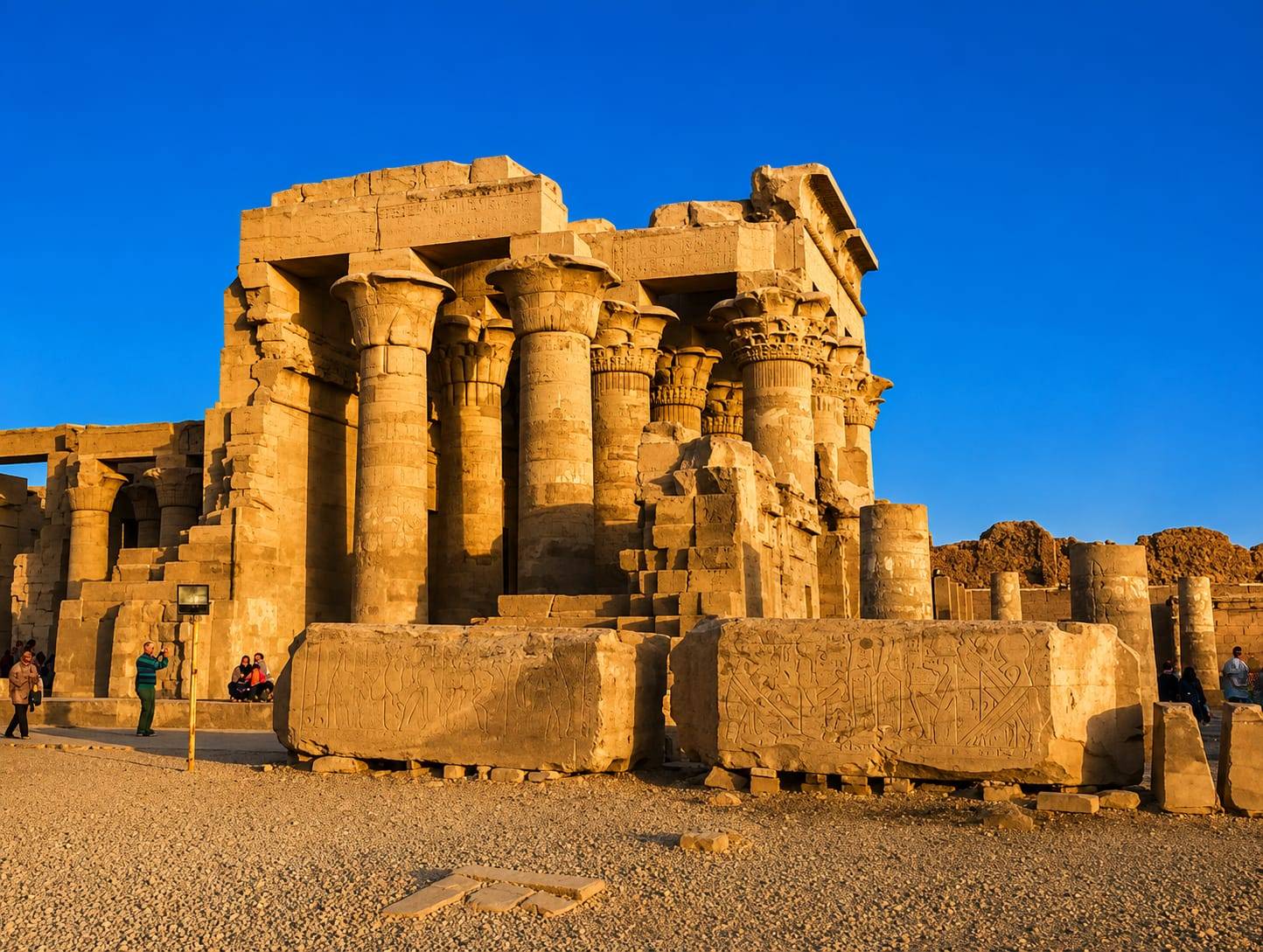
Medinet Habu Temple, Luxor: History, Highlights and Visitor Guide
Medinet Habu Temple is one of the most impressive ancient monuments on the West Bank of Luxor, Egypt. Known for its remarkable state of preservation, monumental gateways, colorful decorations, and detailed battle reliefs, this extraordinary site offers visitors a fascinating insight into the military achievements and religious traditions of ancient Egypt.
The temple was built by Pharaoh Ramesses III during the Twentieth Dynasty and served as his mortuary temple. It was also an important center for the worship of Amun. Its walls preserve scenes depicting royal ceremonies, religious offerings, military campaigns, and conflicts with Egypt's enemies.
Although many travelers visit the Valley of the Kings and the Temple of Hatshepsut, Medinet Habu deserves a place on any itinerary for those interested in ancient Egyptian history. It offers impressive architecture, detailed carvings, and a rewarding opportunity to explore one of Luxor's important archaeological sites.
Where Is Medinet Habu Temple Located?
Medinet Habu Temple is located on the West Bank of the Nile River in Luxor, southern Egypt. It lies in the archaeological landscape of ancient Thebes, an area renowned for its royal tombs, mortuary temples, and ancient religious monuments.
The temple is accessible from central Luxor by crossing the Nile to the West Bank. Visitors often combine it with nearby attractions such as the Valley of the Kings, the Temple of Hatshepsut at Deir el-Bahari, and the Colossi of Memnon.
Its location makes it a useful addition to a West Bank sightseeing itinerary. Travelers who want to understand more of ancient Egyptian history can explore Medinet Habu alongside the better-known monuments of Luxor.
The History of Medinet Habu Temple
Who Built Medinet Habu Temple?
Medinet Habu was built by Pharaoh Ramesses III, who ruled Egypt during the Twentieth Dynasty, approximately 1184–1153 BCE. He is often regarded as one of the last powerful pharaohs of the New Kingdom.
The temple was constructed to serve as his mortuary temple, where rituals connected with the king's afterlife and the worship of the gods could take place. It was dedicated in part to Amun, one of the most important deities in ancient Egyptian religion.
The complex was much more than a single religious building. It included courtyards, halls, chapels, storage areas, administrative buildings, and other structures associated with temple life.
Ramesses III and Ancient Egypt's Military Campaigns
Ramesses III ruled during a period of major challenges for the eastern Mediterranean world. His reign is especially associated with military campaigns against Libyan groups and the peoples commonly known as the Sea Peoples.
The temple's reliefs provide a remarkable visual record of how the king wished to present these campaigns. Carved scenes depict soldiers, weapons, chariots, captured enemies, and royal ceremonies connected with military victory.
These images are valuable historical evidence, although they should also be understood as royal representations designed to communicate the pharaoh's strength and divine support.
For visitors, the battle reliefs are among the most memorable features of Medinet Habu. They reveal how military achievement and religious authority were closely linked in ancient Egyptian royal ideology.
The Religious Importance of the Temple
Medinet Habu was not built only to commemorate the king's military achievements. It was also a sacred complex used for religious ceremonies and the worship of Amun.
Like other Egyptian mortuary temples, it supported rituals intended to maintain the king's relationship with the gods after death. Religious offerings, processions, and ceremonies helped preserve the sacred role of the ruler.
The temple's architecture reflects these purposes. Large gateways and open courtyards lead toward more restricted inner areas, creating a sequence of spaces associated with movement, ceremony, and worship.
Medinet Habu Through Later History
The wider Medinet Habu area continued to be used long after the reign of Ramesses III. The complex contains evidence of later activity, reflecting changes in religious life, settlement, and the political history of the Theban region.
Despite centuries of change, substantial parts of the temple have survived. Its walls, reliefs, columns, and gateways provide important evidence of ancient Egyptian architecture and artistic traditions.
Today, Medinet Habu is part of the archaeological landscape of Ancient Thebes and its Necropolis, recognized as a UNESCO World Heritage Site.
Top Things to See at Medinet Habu Temple
1. The Monumental Entrance and High Gate
One of the most distinctive features of Medinet Habu is its monumental eastern entrance, often associated with the High Gate of Ramesses III.
The entrance is connected with a massive enclosure wall and imposing architectural towers. Its unusual appearance reflects influences associated with fortified structures and demonstrates how monumental architecture could communicate both religious significance and royal power.
Take time to examine the proportions of the entrance and the surrounding walls before proceeding into the temple complex.
2. The First Pylon
The first pylon forms a monumental gateway leading into the principal temple area. Its walls are decorated with carved scenes and inscriptions associated with Ramesses III.
These decorations portray the king in powerful royal poses and reinforce his relationship with the gods. The scale of the structure helps visitors appreciate the ambition behind ancient Egyptian temple construction.
3. The First and Second Courtyards
The courtyards provide some of the most impressive views of the temple's architecture. They contain columns, statues, carved walls, and gateways that reveal how the complex was organized for ceremonial use.
As you move through these spaces, look for differences in the decorative details and the arrangement of the columns. The courtyards create a transition between the monumental entrance and the more sacred inner sections.
4. The Battle Reliefs of Ramesses III
The battle reliefs are among the most famous features of Medinet Habu Temple. They depict Ramesses III and his forces in campaigns against foreign enemies, including the Libyans and the Sea Peoples.
The scenes show warriors, weapons, military equipment, captured opponents, and the king's role as a victorious ruler. They are especially valuable for visitors interested in ancient warfare and royal propaganda.
A knowledgeable guide can explain the imagery and discuss how historians interpret the scenes alongside other archaeological and written evidence.
5. The Detailed Hieroglyphics
Medinet Habu preserves extensive hieroglyphic inscriptions carved into its walls and architectural surfaces.
These inscriptions record royal names, religious texts, ceremonial scenes, and accounts associated with the reign of Ramesses III. Together with the reliefs, they help researchers understand the temple's historical and religious significance.
Even if you cannot read hieroglyphics, the detailed carving and the arrangement of symbols are worth examining closely.
6. The Columns and Papyrus-Shaped Capitals
The temple contains impressive columns with capitals inspired by the papyrus plant, a common motif in ancient Egyptian architecture.
Some columns and statues represent the king in forms associated with Osiris, connecting the temple's architecture with ideas about death, renewal, and the afterlife.
Look upward to appreciate the capitals and the surviving decoration, and take time to notice how the columns frame the surrounding courtyards.
7. The Inner Halls and Sacred Areas
Beyond the outer courtyards, the temple contains columned halls, chapels, sanctuaries, and other rooms associated with religious ceremonies.
These spaces formed part of the temple's sacred layout, with increasingly restricted areas leading toward the inner sanctuary. Their arrangement reflects traditional Egyptian religious architecture.
Exploring these rooms with a guide can help clarify the different functions of the temple and the religious meaning of its decoration.
8. Remains of the Royal Palace and Temple Complex
The wider complex once included a royal palace, storage areas, administrative buildings, and other structures connected with temple operations.
Although not every building survives in its original form, the remains demonstrate that Medinet Habu functioned as a substantial religious and administrative center rather than simply a monumental temple.
These features provide a broader understanding of how ancient Egyptian temples were organized and maintained.
Why Is Medinet Habu Temple Important?
Medinet Habu is important for several reasons.
First, it is one of the major monuments associated with Ramesses III and provides extensive evidence of his reign. Its inscriptions and battle scenes are especially significant for studying the political and military history of the late New Kingdom.
Second, the temple is remarkably well preserved in many areas. Its architecture, reliefs, and inscriptions allow visitors to experience details that have been lost or heavily damaged at some other ancient sites.
Third, the complex reveals the connection between royal authority and religious belief. The king's military achievements, ceremonial role, and relationship with the gods are presented throughout the temple's decoration.
For travelers interested in ancient Egyptian civilization, Medinet Habu offers a rich historical experience beyond the most famous monuments of Luxor.
Medinet Habu Temple vs. Other Luxor Attractions
Medinet Habu offers a different experience from other well-known sites on the West Bank.
The Valley of the Kings is famous for its royal tombs and richly decorated burial chambers. The Temple of Hatshepsut is celebrated for its terraces and dramatic setting beneath limestone cliffs. The Colossi of Memnon are monumental statues associated with the mortuary temple of Amenhotep III.
Medinet Habu stands out for its monumental gateways, large temple enclosure, military reliefs, and extensive carved decoration.
If you have enough time, combining these attractions provides a broader understanding of ancient Thebes and the different roles played by temples, tombs, and royal monuments.
Best Time to Visit Medinet Habu Temple
The cooler months, generally from October through April, are often comfortable for sightseeing in Luxor. Summer temperatures can become very high, particularly in the middle of the day.
Early morning is a good option for many visitors because temperatures may be more pleasant and the site can be quieter. Always check the latest opening hours before your visit, as schedules may change.
Wear comfortable walking shoes and bring water, sunscreen, a hat, and sunglasses. The temple includes outdoor spaces and substantial areas to explore on foot.
How Long Does It Take to Visit Medinet Habu?
Many visitors allow approximately one to two hours to explore Medinet Habu Temple. The amount of time you need depends on your interest in the reliefs, inscriptions, architecture, and historical explanations.
If you are visiting with a licensed Egyptologist, you may wish to allow extra time to understand the battle scenes and religious decoration.
Medinet Habu can be included in a full-day West Bank itinerary with the Valley of the Kings, the Temple of Hatshepsut, and the Colossi of Memnon. The order of visits should take travel time, ticket arrangements, and the site's opening schedule into account.
Practical Tips for Visiting Medinet Habu Temple
-
Wear comfortable walking shoes for exploring courtyards and uneven surfaces.
-
Bring drinking water, sunscreen, a hat, and sunglasses.
-
Consider visiting with a licensed Egyptologist to understand the historical meaning of the reliefs.
-
Check current opening hours and entrance fees before traveling.
-
Allow enough time to examine the military scenes and hieroglyphic inscriptions.
-
Combine Medinet Habu with other West Bank attractions if you have a full day available.
-
Respect the archaeological site and follow instructions about photography and restricted areas.
Explore Luxor with Let's Explore Egypt Travel
Discover the extraordinary monuments of ancient Thebes with Let’s Explore Egypt Travel.
Our Private Full-Day Luxor Tour to the West and East Banks is an option for travelers who want to explore major landmarks across Luxor in one day.
If you prefer more time to discover the region's temples, tombs, and archaeological treasures, consider our 3-Day Luxor Tour.
Adding Medinet Habu to your Luxor itinerary provides a deeper look into the reign of Ramesses III and the religious and military history of ancient Egypt.
Frequently Asked Questions About Medinet Habu Temple
Where is Medinet Habu Temple located?
Medinet Habu Temple is located on the West Bank of the Nile in Luxor, southern Egypt. It is part of the archaeological landscape of ancient Thebes and can be visited alongside other West Bank monuments.
Who built Medinet Habu Temple?
Pharaoh Ramesses III of the Twentieth Dynasty built Medinet Habu as his mortuary temple. It was also dedicated to religious ceremonies associated with Amun.
How old is Medinet Habu Temple?
The temple dates to the reign of Ramesses III, approximately 1184–1153 BCE. It is therefore more than 3,000 years old.
What is Medinet Habu Temple famous for?
The temple is famous for its well-preserved architecture, monumental gateways, colorful reliefs, hieroglyphic inscriptions, and detailed scenes depicting the military campaigns of Ramesses III.
Why was Medinet Habu Temple built?
It was built as a mortuary temple for Ramesses III and as a center for religious worship, including rituals associated with the god Amun.
What can I see at Medinet Habu Temple?
Visitors can explore monumental gateways, courtyards, columns, battle reliefs, hieroglyphics, chapels, and the remains of buildings associated with the wider temple complex.
How long does it take to visit Medinet Habu?
Most visitors should allow approximately one to two hours. Travelers interested in the temple's inscriptions and military scenes may want to spend longer.
Is Medinet Habu Temple worth visiting?
Yes. It is one of Luxor's most rewarding archaeological sites, particularly for travelers interested in ancient Egyptian history, royal inscriptions, and well-preserved temple reliefs.
What are the battle scenes at Medinet Habu?
The battle scenes are carved reliefs depicting Ramesses III and his campaigns against Egypt's enemies, including Libyan groups and the Sea Peoples. They are important historical sources, although they also present the king's victories from a royal perspective.
What is the difference between Medinet Habu and the Valley of the Kings?
Medinet Habu is a mortuary temple associated with Ramesses III, while the Valley of the Kings is a royal burial ground containing tombs of pharaohs and other elite individuals. They served different purposes and offer different archaeological experiences.
Can I visit Medinet Habu and the Temple of Hatshepsut in one day?
Yes. Both sites are on Luxor's West Bank and can be combined in a day trip. You may also be able to visit the Valley of the Kings and the Colossi of Memnon, depending on your schedule.
What is the best time to visit Medinet Habu?
The cooler months from October through April are generally comfortable for sightseeing. Early morning can be a good option for avoiding the strongest heat.
Can I visit Medinet Habu without a guide?
Yes. Independent visits are possible. However, a licensed Egyptologist can explain the historical meaning of the reliefs, the religious role of the temple, and the military campaigns represented on its walls.
Is Medinet Habu part of a UNESCO World Heritage Site?
Yes. Medinet Habu is part of the Ancient Thebes with its Necropolis UNESCO World Heritage Site, which includes major monuments on both banks of the Nile in Luxor.
Can I include Medinet Habu in a private Luxor tour?
Yes. Medinet Habu can be included in a private West Bank itinerary. Discuss the preferred sites and available time when arranging your tour.
Conclusion
Medinet Habu Temple is one of Luxor's most fascinating ancient monuments. Built by Ramesses III, it preserves an extraordinary combination of monumental architecture, detailed reliefs, royal inscriptions, and religious spaces.
From its imposing gateways to its vivid battle scenes, the temple provides a valuable glimpse into the military ambitions and religious traditions of ancient Egypt.
For travelers who want to explore beyond the most famous archaeological sites, Medinet Habu is an excellent addition to a Luxor itinerary and a rewarding destination for anyone interested in the history of the pharaohs.
Tours You May Like
Private Full-Day Luxor Tour to the West and East Banks
Explore Luxor's remarkable ancient monuments on both sides of the Nile, with the opportunity to discover famous temples, royal tombs, and important archaeological sites.
Spend three days discovering Luxor's ancient temples, royal tombs, and historical treasures at a more relaxed pace, with more opportunities to explore the heritage of ancient Thebes.
Highlights – Medinet Habu Temple
-
Explore the magnificent mortuary temple of Pharaoh Ramesses III on Luxor's West Bank.
-
Admire the monumental entrance and impressive fortified enclosure walls.
-
Discover detailed battle reliefs depicting Ramesses III's military campaigns.
-
Examine ancient hieroglyphics and beautifully carved royal inscriptions.
-
Walk through spacious courtyards, columned halls, and sacred temple areas.
-
Learn about the religious traditions associated with Amun and ancient Egyptian kingship.
-
Discover one of Luxor's best-preserved ancient temple complexes.
-
Capture photographs of monumental gateways, columns, and detailed stone carvings.
-
Learn how the temple functioned as both a religious center and a mortuary monument.
-
Combine your visit with the Valley of the Kings, the Temple of Hatshepsut, and the Colossi of Memnon.