


The Best Museums to Visit in Egypt
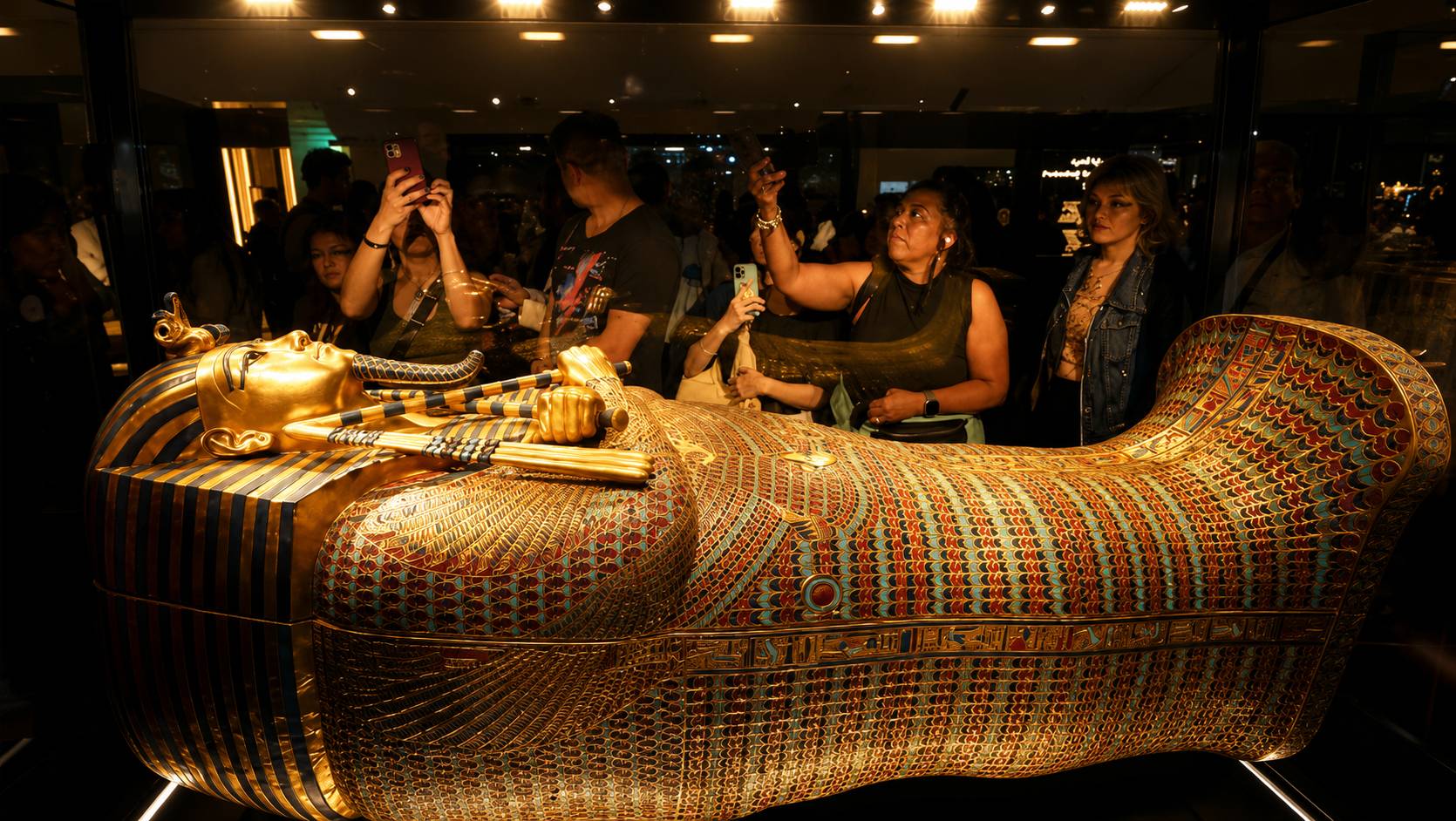
The Best Museums to Visit in Egypt
Egypt’s museums bring the country’s history to life, from ancient royal treasures and monumental statues to Coptic art and modern Egyptian culture. Whether you’re visiting Cairo, Giza, Luxor, Aswan, or Alexandria, a museum visit can add context to the historic sites around you.
1. The Grand Egyptian Museum, Giza
Near the Giza Pyramids, the Grand Egyptian Museum showcases ancient Egyptian artifacts and exhibitions. Explore visit and tour options on the Grand Egyptian Museum tours page.
Check the page for current tour details, tickets, pickup options, prices, and availability. The museum’s location also makes it convenient to combine your visit with the Giza Pyramids.
2. The Egyptian Museum, Cairo
Overlooking Tahrir Square, the Egyptian Museum displays a vast collection of ancient Egyptian artifacts, including statues, coffins, jewelry, and objects from daily life.
See visit options on the Egyptian Museum in Cairo tour page. Check the page for the current itinerary, pickup details, inclusions, price, and availability before booking.
3. National Museum of Egyptian Civilization, Cairo
The National Museum of Egyptian Civilization (NMEC) presents Egypt’s history across different periods, from prehistoric times to the present day. It is especially known for the Royal Mummies Hall.
Review visit arrangements on the National Museum of Egyptian Civilization Cairo tour page.
4. Museum of Islamic Art, Cairo
The Museum of Islamic Art holds a wide-ranging collection of art and objects from across the Islamic world. Its displays include ceramics, textiles, metalwork, manuscripts, and architectural details.
5. Coptic Museum, Cairo
Located in the historic area of Coptic Cairo, the Coptic Museum displays art and objects connected with Egypt’s Coptic Christian heritage, including textiles, icons, manuscripts, and stonework.
You can combine a visit with nearby churches and historic sites in Old Cairo.
6. Luxor Museum, Luxor
The Luxor Museum displays artifacts from ancient Thebes and the surrounding area. Its galleries include statues, reliefs, and objects connected with the temples and tombs of Luxor.
7. Mummification Museum, Luxor
This museum explains ancient Egyptian mummification through displays of tools, materials, and preserved remains. It offers a closer look at the practices and beliefs associated with preparing the dead for the afterlife.
8. Nubian Museum, Aswan
The Nubian Museum explores the history and culture of Nubia, including its traditions, archaeology, and communities. It offers useful context for travelers visiting Aswan and nearby Nubian sites.
9. Alexandria National Museum, Alexandria
Housed in a historic villa, the Alexandria National Museum presents the city’s history through artifacts from ancient Egyptian, Greco-Roman, Coptic, and Islamic periods.
10. Bibliotheca Alexandrina Museums, Alexandria
The Bibliotheca Alexandrina is a major cultural center with museums and exhibitions alongside its library spaces. Depending on current opening arrangements, visitors may be able to explore collections focused on archaeology, manuscripts, and the history of science.
Check current visitor information for exhibitions, opening hours, and access.
How to Choose Which Museums to Visit
Choose museums based on your interests and travel route:
- Ancient Egyptian history: Grand Egyptian Museum or Egyptian Museum
- Egypt across different historical periods: National Museum of Egyptian Civilization
- Islamic art and culture: Museum of Islamic Art
- Coptic heritage: Coptic Museum
- Ancient Thebes: Luxor Museum or Mummification Museum
- Nubian culture: Nubian Museum
- Alexandria’s history: Alexandria National Museum or Bibliotheca Alexandrina museums
Museum hours, exhibitions, ticket rules, and access can change. Check current details before visiting.
Frequently Asked Questions About Museums in Egypt
What is the most famous museum in Egypt?
The Egyptian Museum in Cairo is one of Egypt’s best-known museums. The Grand Egyptian Museum near the Giza Pyramids is another major destination for visitors interested in ancient Egypt.
Is the Grand Egyptian Museum open?
Opening arrangements and visitor access may change. Check the Grand Egyptian Museum tours page for current visit information and availability.
What is the difference between the Egyptian Museum and the Grand Egyptian Museum?
They are separate museums. The Egyptian Museum is in central Cairo, overlooking Tahrir Square, while the Grand Egyptian Museum is in Giza near the pyramids. Check each museum’s current exhibits and visitor information when planning.
Is the Egyptian Museum in Cairo worth visiting?
Yes. It displays a large collection of ancient Egyptian artifacts, including statues, coffins, jewelry, and objects from daily life.
What can I see at the National Museum of Egyptian Civilization?
The museum presents Egyptian history across different periods and is especially known for its Royal Mummies Hall. See the NMEC tour page for visit details.
How long does it take to visit the Grand Egyptian Museum?
The time needed depends on your interests and which exhibitions are open. Allow several hours so you can explore without rushing, and check current visitor information before your visit.
How long should I spend at the Egyptian Museum in Cairo?
Plan for a few hours. The collection is extensive, so visitors interested in ancient history may want to allow extra time.
Can I visit the Grand Egyptian Museum and the Giza Pyramids on the same day?
Yes. Their locations make it possible to combine them. Check opening hours and allow enough time for both visits.
Which museums should I visit in Cairo?
Popular choices include the Egyptian Museum, the National Museum of Egyptian Civilization, the Museum of Islamic Art, and the Coptic Museum. The Grand Egyptian Museum is in nearby Giza.
Where is the Grand Egyptian Museum?
It is in Giza, close to the Giza Pyramids. Check the museum tours page for visit and transport options.
Where is the National Museum of Egyptian Civilization?
NMEC is in the Fustat area of Cairo. You can review visit arrangements on the NMEC tour page.
Can I book a tour of the Egyptian Museum in Cairo?
Yes. See the Egyptian Museum in Cairo tour page for available booking details.
Do Egypt’s museums require advance tickets?
Ticket arrangements vary by museum and date. Check current ticket information before your visit, especially during busy travel periods.
Are museums in Egypt open every day?
Opening hours vary by museum and may change for holidays or special events. Confirm the schedule before you go.
What should I wear to a museum in Egypt?
Comfortable, modest clothing and walking shoes are practical choices, especially if you plan to visit several sites in one day.
Are Egypt’s museums suitable for children?
Many museums welcome families. Check the museum’s facilities and exhibitions in advance, and plan breaks for younger visitors.
Are guided tours available at Egypt’s museums?
Guided tours may be available through museums or tour providers. Review the tour details to see whether a guide, transportation, or admission tickets are included.
Which museum is best for ancient Egyptian history?
The Grand Egyptian Museum and the Egyptian Museum in Cairo are popular choices for ancient Egyptian collections. NMEC offers a broader view of Egypt’s history across multiple periods.
Plan Your Museum Visits
Choose museums that fit your route and interests, and confirm current opening and ticket information before setting out. In Cairo and Giza, combine museum visits with nearby historic sites. In Luxor, Aswan, and Alexandria, local museums add context to the landmarks around each city.