


Best Private Guides in Egypt
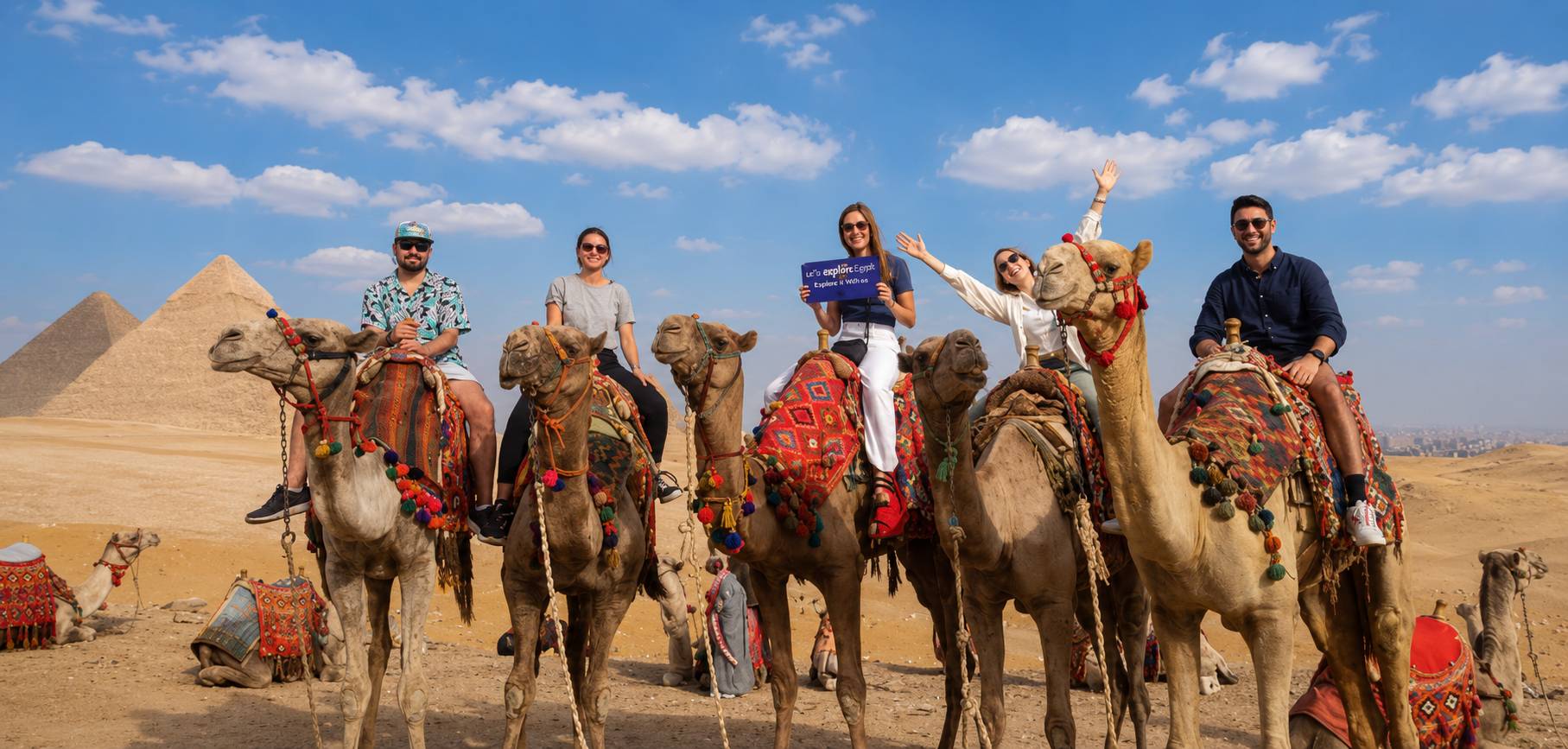
Best Private Guides in Egypt: What to Look For
Choosing the right private tour guide in Egypt can make a huge difference to your holiday. From standing in front of the Great Pyramids of Giza to exploring the temples of Luxor and sailing along the Nile, having a knowledgeable guide helps you understand the history, culture, and stories behind every destination.
Egypt has thousands of historical sites, fascinating museums, traditional markets, and archaeological landmarks. However, not every guide offers the same level of knowledge, experience, communication, or personal service.
So, how do you find the best private guide in Egypt? What qualifications should you check? Is a licensed Egyptologist guide worth the extra cost? And what questions should you ask before booking?
This guide explains everything you should consider when choosing a private Egypt tour guide, helping you enjoy a more informative, comfortable, and memorable experience.
Why Hire a Private Tour Guide in Egypt?
A private tour guide offers a more personalized experience than joining a large group tour.
Instead of following a fixed schedule with many other travelers, you can explore Egypt at your own pace, ask questions, spend more time at places that interest you, and adjust parts of your itinerary when possible.
Here are some of the main benefits.
1. Understand the History Behind Ancient Monuments
Egyptian monuments are much more than impressive buildings. They tell stories about ancient kings, religious beliefs, architecture, daily life, and thousands of years of civilization.
A knowledgeable guide can explain:
-
Why the ancient Egyptians built the pyramids.
-
How the pharaohs prepared for the afterlife.
-
The meaning of hieroglyphic inscriptions.
-
The religious significance of temples.
-
How ancient Egyptian civilization developed.
-
The stories behind famous tombs and royal monuments.
Without historical context, visitors may see beautiful monuments without fully understanding their importance.
2. Enjoy a Flexible Private Itinerary
Private tours are particularly useful for families, couples, senior travelers, and small groups.
You may want to spend more time exploring the Great Pyramid, visit a particular museum gallery, take photographs, or avoid walking long distances.
A private guide can help organize the sightseeing around your preferences, subject to site regulations and opening arrangements.
3. Save Time During Your Sightseeing
Egypt's major attractions can be busy, especially during popular travel seasons.
An experienced guide can help organize the order of visits, explain ticket arrangements, and coordinate with your driver to make the day more efficient.
However, remember that a private guide cannot guarantee immediate entry or bypass official security procedures and visitor regulations.
4. Discover Places Beyond the Main Tourist Attractions
A good guide can introduce you to local neighborhoods, traditional markets, cultural experiences, and lesser-known historical locations.
This can help you understand more about modern Egyptian life, not just ancient history.
10 Important Things to Look For When Choosing a Private Guide in Egypt
Before booking a private guide, consider these ten important factors.
1. Official Tourist Guide License
This should be one of your first checks.
Tourist guiding in Egypt is a regulated profession. The Ministry of Tourism and Antiquities provides services related to issuing and renewing tourist guide licenses, as well as language accreditation.
Ask whether your guide holds a valid Egyptian tourist guide license and can provide evidence of their professional credentials.
You can find information about tourist guide licensing through the Egyptian Ministry of Tourism and Antiquities.
A professional tour operator should be able to explain who will guide your tour and what qualifications that person holds.
2. Strong Knowledge of Egyptian History
A good private guide should understand more than basic historical facts.
For example, when visiting the Giza Pyramids, your guide should be able to explain:
-
The construction and historical significance of the three main pyramids.
-
The reign of Pharaoh Khufu.
-
The purpose and history of the Great Sphinx.
-
The relationship between the pyramids and ancient Egyptian beliefs.
-
The archaeological discoveries made around the Giza Plateau.
When visiting Luxor, your guide should understand the history of Karnak Temple, Luxor Temple, the Valley of the Kings, and the pharaohs associated with these sites.
Look for someone who can explain complicated subjects clearly without overwhelming you with information.
3. Excellent Communication Skills
Historical knowledge is important, but communication is equally essential.
The best guides know how to make history interesting and easy to understand.
They should:
-
Explain historical information in clear language.
-
Answer questions confidently.
-
Adjust explanations for children and adults.
-
Avoid unnecessary technical terminology.
-
Encourage visitors to ask questions.
-
Respect different interests and cultural backgrounds.
A great guide does not simply memorize information. They know how to tell a story.
4. Fluency in Your Preferred Language
Egypt welcomes visitors from many countries, so language skills are particularly important.
Before booking, confirm that the guide can conduct the tour in your preferred language.
Common languages include:
-
English.
-
Spanish.
-
French.
-
German.
-
Italian.
-
Portuguese.
-
Russian.
For a more comfortable experience, request a guide whose professional language accreditation matches your needs.
The Egyptian tourism authorities also provide services for guides seeking to add foreign languages to their professional licenses.
5. Experience at the Destinations You Want to Visit
Egypt is a large country, and each destination has its own history and attractions.
A guide who specializes in Cairo may not be the best choice for every archaeological site in Luxor or Aswan.
Consider the destinations included in your itinerary.
Cairo and Giza: Look for experience with the Giza Pyramids, Great Sphinx, Grand Egyptian Museum, Saqqara, Memphis, and Old Cairo.
Luxor: Look for knowledge of Karnak Temple, Luxor Temple, the Valley of the Kings, and the Temple of Hatshepsut.
Aswan: Choose someone familiar with Philae Temple, the Unfinished Obelisk, Nubian culture, and the history of southern Egypt.
Alexandria: Look for experience with the Catacombs of Kom El Shoqafa, Pompey's Pillar, the Citadel of Qaitbay, and the city's Greco-Roman heritage.
A destination-specific guide can provide more detailed explanations and help you make the most of your visit.
6. Genuine Reviews and Recommendations
Online reviews can help you understand what previous travelers experienced.
However, do not focus only on the overall star rating.
Read the comments and look for specific details about:
-
Historical knowledge.
-
Communication and language skills.
-
Punctuality.
-
Professional behavior.
-
Flexibility.
-
Organization.
-
Helpfulness throughout the tour.
Look for reviews that describe actual experiences rather than short comments with no meaningful details.
It is also useful to check whether feedback is consistent across different platforms.
7. Professionalism and Reliability
Your guide should arrive on time, communicate clearly, and understand the day's arrangements.
Before the tour, you should receive clear information about:
-
The meeting point.
-
Pick-up time.
-
The planned itinerary.
-
Expected duration.
-
Entrance ticket arrangements.
-
What is included and excluded.
-
Any additional costs.
Professionalism also means respecting your time and allowing you to enjoy the experience without unnecessary pressure.
8. Understanding of Family and Special Travel Needs
Different travelers have different requirements.
Families with children may need shorter explanations, regular breaks, and a flexible sightseeing schedule.
Senior travelers may prefer fewer stairs, shorter walking distances, and convenient transportation arrangements.
Couples may want a more relaxed experience with time for photographs and private moments.
When booking, explain your requirements in advance so the tour can be planned appropriately.
9. Honest Advice and Transparent Pricing
A professional guide or tour operator should explain exactly what you are paying for.
Ask whether the quoted price includes:
-
The private guide.
-
Transportation.
-
Hotel pick-up and drop-off.
-
Entrance tickets.
-
Meals.
-
Additional activities.
Some tours include transportation and guiding only, while entrance tickets and other services are charged separately.
Be careful with unusually cheap offers that do not clearly explain what is included.
The cheapest option is not necessarily the best value. A knowledgeable guide, reliable transportation, and well-organized itinerary can make a significant difference.
10. A Genuine Interest in Sharing Egyptian Culture
The best private guides do more than explain monuments.
They help travelers understand Egyptian traditions, local customs, food, everyday life, and the country's cultural heritage.
They should be welcoming, respectful, patient, and genuinely interested in making your visit enjoyable.
A great guide can turn a sightseeing day into one of the most memorable experiences of your entire holiday.
Private Egyptologist Guide vs. Regular Tour Guide: What Is the Difference?
Travelers often see the term "Egyptologist guide" when searching for private tours in Egypt.
Although the terms are sometimes used interchangeably in travel marketing, they do not necessarily describe identical academic or professional backgrounds.
An Egyptologist generally has academic training or specialized knowledge in ancient Egyptian history, archaeology, language, or civilization.
A licensed tourist guide is a professional authorized to conduct tourist guiding activities under the applicable Egyptian regulations.
Some licensed guides have university qualifications in tourism guidance, while others have additional academic or specialist backgrounds in Egyptology and archaeology.
When choosing a guide, look at both professional licensing and relevant subject knowledge.
| Feature | Licensed Tourist Guide | Egyptology Specialist |
|---|---|---|
| Professional authorization | Should hold the required tourist guide license | Should also hold the required license when conducting regulated tourist guiding |
| Historical knowledge | Depends on training and experience | Often has deeper specialist academic knowledge |
| Archaeological understanding | Varies by individual | May have advanced archaeological knowledge |
| Visitor communication | Depends on experience and language skills | Depends on experience and communication skills |
| Best for | General sightseeing and cultural tours | Travelers seeking more detailed historical explanations |
The best choice depends on your interests. For a history-focused private tour, look for a licensed guide with strong Egyptology knowledge and relevant experience.
Best Destinations to Explore with a Private Guide in Egypt
A private guide can improve your experience in almost every major Egyptian destination.
Cairo and the Giza Pyramids
<escape> </escape>
The Giza Pyramids are among the most famous archaeological landmarks in the world.
A private guide can explain the history of the Great Pyramid, the pyramids of Khafre and Menkaure, the Great Sphinx, and the surrounding archaeological area.
You can also combine your visit with the Grand Egyptian Museum, Saqqara, and Memphis.
Explore our Cairo day tours to discover private sightseeing options.
Luxor: The World's Greatest Open-Air Museum
Luxor is one of the most important archaeological destinations in Egypt.
With a knowledgeable guide, you can discover:
-
Karnak Temple.
-
Luxor Temple.
-
Valley of the Kings.
-
Temple of Hatshepsut.
-
Colossi of Memnon.
A good guide can explain the religious significance of the temples, the burial traditions of the pharaohs, and the history of ancient Thebes.
Discover more through our Luxor attractions guide.
You can also learn more about Karnak Temple and the Valley of the Kings.
Aswan: Ancient Temples and Nubian Culture
Aswan offers a different atmosphere from Cairo and Luxor.
A private guide can help you explore Philae Temple, the Unfinished Obelisk, and other local attractions.
You may also discover Nubian traditions, local architecture, and the cultural history of southern Egypt.
See our Aswan day tours for sightseeing ideas.
Alexandria: A Different Side of Egyptian History
Alexandria has a fascinating history shaped by ancient Greek, Roman, and Egyptian civilizations.
Popular attractions include the Catacombs of Kom El Shoqafa, Pompey's Pillar, the Citadel of Qaitbay, and the Bibliotheca Alexandrina.
A knowledgeable local guide can help explain the city's historical importance and its role in the Mediterranean world.
Questions to Ask Before Booking a Private Guide in Egypt
Before confirming your reservation, ask the following questions:
-
Do you hold a valid Egyptian tourist guide license?
-
Which languages are you professionally qualified to guide in?
-
How many years of experience do you have?
-
Are you experienced at the specific attractions in my itinerary?
-
Can you customize the tour according to my interests?
-
Is the tour completely private?
-
Are entrance tickets included in the quoted price?
-
Does the price include private transportation?
-
Can you provide recent customer reviews or references?
-
Who will be my actual guide on the day of the tour?
These questions will help you compare different options and avoid misunderstandings.
How Much Does a Private Tour Guide Cost in Egypt?
The cost of hiring a private guide in Egypt varies depending on several factors.
These include:
-
The destination.
-
The guide's experience and qualifications.
-
The language required.
-
The duration of the tour.
-
The number of travelers.
-
Whether the tour includes transportation.
-
Whether entrance tickets and other services are included.
A private guide for a half-day Cairo tour will generally have a different price from a full-day archaeological tour in Luxor.
A specialist guide with experience in a less commonly requested language may also have a different rate.
When comparing quotations, make sure you are comparing the same services. A low price may cover guiding only, while another quotation may include transportation, entrance tickets, and additional arrangements.
For a customized quotation, provide your travel date, destination, preferred language, and group size.
Why Choose a Private Tour Instead of a Group Tour?
Both private and group tours can be good ways to explore Egypt, but they offer different experiences.
| Feature | Private Tour | Group Tour |
|---|---|---|
| Schedule | More flexible | Usually fixed |
| Group size | Your own party | Shared with other travelers |
| Guide attention | Focused on your group | Shared |
| Pace | Can be adjusted | Usually follows the group |
| Customization | More options | Limited |
| Privacy | Higher | Shared experience |
| Cost | Usually higher per booking | Often lower per person |
A private tour is particularly suitable for travelers who value flexibility, personal attention, and a customized sightseeing experience.
Tips for Getting the Most from Your Private Guide
Once you have selected your guide, a little preparation can improve your experience.
Share your interests before the tour. Tell your guide whether you are particularly interested in ancient architecture, pharaohs, photography, religion, or everyday Egyptian culture.
Prepare a few questions. If there are specific monuments or historical subjects you want to understand, mention them in advance.
Wear comfortable clothing and shoes. Many archaeological sites involve walking on uneven surfaces and spending time outdoors.
Bring water and sun protection. Egyptian weather can be hot, especially in Upper Egypt.
Allow enough time. Avoid scheduling too many attractions into a single day.
Communicate your preferred pace. Let your guide know if you need breaks or prefer a slower sightseeing schedule.
Confirm the arrangements. Double-check pick-up time, meeting point, transportation, and ticket inclusions before the tour.
Frequently Asked Questions About Private Guides in Egypt
Do I need a licensed tour guide in Egypt?
Tourist guiding at archaeological sites and museums is a regulated profession in Egypt. When booking a professional guide, ask for evidence of a valid tourist guide license and confirm the relevant professional credentials.
How do I find a good private Egyptologist guide?
Look for a licensed professional with relevant historical knowledge, strong communication skills, experience at your chosen destinations, and genuine customer reviews.
Can I hire a private English-speaking guide in Cairo?
Yes. English-speaking private guides are available in Cairo and other major Egyptian tourist destinations. Confirm the guide's language qualifications and availability before booking.
Can I hire one guide for the entire Egypt trip?
It may be possible to arrange one guide for several destinations, depending on availability, itinerary, travel logistics, and the guide's professional coverage. For longer trips, different destination specialists may be more practical.
Is a private guide worth it in Egypt?
For travelers interested in history and culture, a private guide can make sightseeing more informative and comfortable. It also allows more flexibility than a standard group tour.
Should I book a guide or a complete private tour package?
If you only need historical explanations, you may prefer booking a guide separately. If you need transportation, hotel transfers, tickets, and several sightseeing activities, a complete private tour package can simplify the arrangements.
Can a private guide help me avoid crowds?
An experienced guide can suggest suitable visit times and help plan the order of attractions. However, crowd levels depend on visitor numbers, official schedules, and site regulations.
Are private guides available in Luxor and Aswan?
Yes. Both destinations have professional tourist guides offering sightseeing services in different languages. Confirm the guide's qualifications and destination experience when booking.
What is the difference between a tour guide and a tour operator?
A tour guide provides information and conducts sightseeing activities. A tour operator organizes the travel arrangements, which may include transportation, accommodation, guides, tickets, and excursions.
Can I request a guide who specializes in ancient Egyptian history?
Yes. When booking, explain that you prefer a guide with strong Egyptology or archaeology knowledge and ask about their academic and professional background.
Discover Egypt with the Right Private Guide
Choosing the right private guide is one of the most important decisions when planning a holiday in Egypt.
A professional, knowledgeable, and friendly guide can help you understand the country's remarkable history, explore its famous monuments, discover local culture, and enjoy a more personalized travel experience.
Whether you are visiting the Giza Pyramids, exploring the temples of Luxor, discovering Aswan, or planning a complete journey across Egypt, choose a guide who combines professional credentials, historical knowledge, language skills, and excellent communication.
At Let's Explore Egypt, we help travelers organize private sightseeing experiences and customized Egypt holidays with professional guides and carefully planned transportation arrangements.
Explore our Egypt tour packages or visit Let's Explore Egypt to start planning your private Egyptian adventure.
Contact our team today and tell us where you want to go, which language you prefer, and what you would like to discover.