


Valley of the Kings Travel Guide
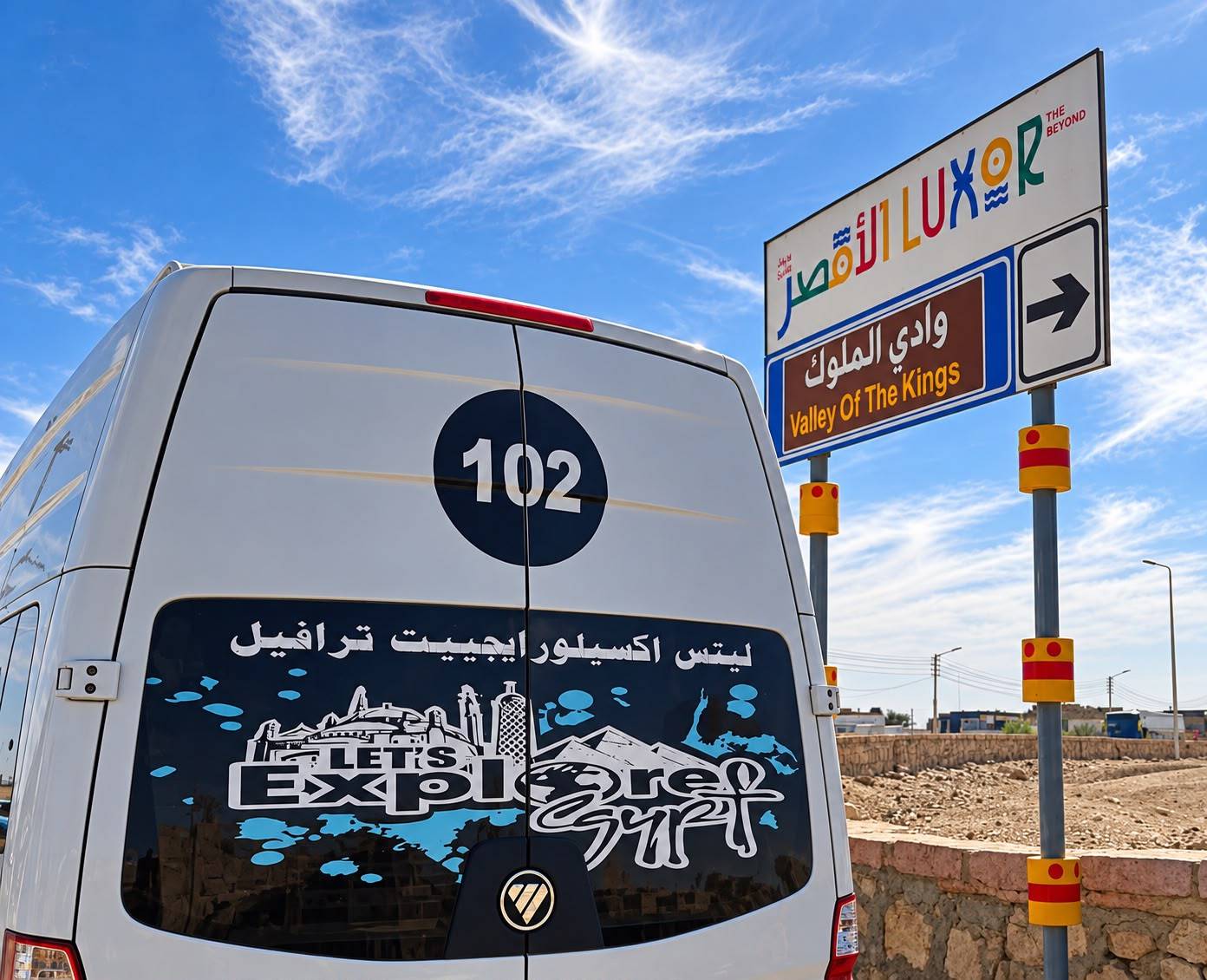
Valley of the Kings Travel Guide: Tombs, Tickets, History & Visiting Tips
The Valley of the Kings is one of the most extraordinary archaeological sites in Egypt and a must-see attraction for anyone visiting Luxor. Hidden among the desert mountains on the West Bank of the Nile, this ancient royal burial ground contains the tombs of some of Egypt's most powerful pharaohs.
For centuries, ancient Egyptian rulers chose this secluded valley as their final resting place. Instead of building enormous pyramids, New Kingdom pharaohs carved elaborate tombs deep into the limestone mountains, decorating their walls with colorful paintings, hieroglyphic inscriptions, and religious scenes describing the journey into the afterlife.
Today, visitors can explore selected royal tombs, admire remarkable ancient artwork, and discover the fascinating history of Egypt's New Kingdom.
This complete Valley of the Kings travel guide explains its history, the most famous tombs, entrance tickets, visiting times, transportation, and practical tips to help you plan your visit.
If you are planning a trip to southern Egypt, explore our Luxor Travel Guide for more information about the city's temples and archaeological attractions.
1. Where Is the Valley of the Kings?
The Valley of the Kings is located on the West Bank of the Nile River in Luxor, southern Egypt.
It lies within the Theban Necropolis, an extensive archaeological area that includes royal tombs, mortuary temples, ancient villages, and other important historical sites.
The valley is surrounded by desert mountains and is relatively close to several famous attractions, including:
-
Temple of Hatshepsut
-
Colossi of Memnon
-
Medinet Habu Temple
-
Valley of the Queens
-
Deir el-Medina
-
Ramesseum
Most visitors explore the Valley of the Kings as part of a West Bank sightseeing itinerary.
2. History of the Valley of the Kings
The Valley of the Kings became the principal royal burial ground during Egypt's New Kingdom, approximately between 1550 and 1070 BC.
During this period, Egypt was ruled by powerful pharaohs who expanded the kingdom, built impressive temples, and developed elaborate religious traditions.
Rather than continuing the earlier tradition of constructing large pyramids, New Kingdom rulers chose hidden underground tombs carved into the surrounding mountains.
The valley offered a secluded burial location, surrounded by natural rock formations and protected by the desert landscape.
The tombs were designed to protect the pharaoh's burial chambers and provide everything needed for the ruler's journey into the afterlife, according to ancient Egyptian religious beliefs.
Their walls were decorated with scenes and texts from important religious compositions, including:
-
The Book of the Dead
-
The Amduat
-
The Book of Gates
-
The Book of Caverns
-
The Litany of Ra
These texts and paintings were intended to guide the deceased king through the underworld and help him achieve eternal life.
More than 60 tombs and burial structures have been identified in the Valley of the Kings, although not all belonged to pharaohs.
3. Why Is the Valley of the Kings So Famous?
The Valley of the Kings is famous for several reasons.
Royal tombs: It contains the burial places of many important rulers of ancient Egypt.
Tutankhamun's discovery: The discovery of Tutankhamun's tomb in 1922 attracted worldwide attention.
Ancient artwork: Many tombs preserve colorful wall paintings and religious inscriptions.
Historical importance: The valley provides valuable evidence about royal burial practices, religious beliefs, and the history of the New Kingdom.
Archaeological discoveries: Excavations continue to reveal information about ancient Egyptian civilization.
For visitors interested in ancient history, it is one of the most rewarding places to explore in Egypt.
4. The Most Famous Tombs in the Valley of the Kings
Not every tomb in the Valley of the Kings is open to visitors. Access depends on preservation conditions, conservation work, and current site regulations.
However, several tombs are particularly famous for their historical importance and decoration.
Tomb of Tutankhamun (KV62)
The tomb of Tutankhamun is probably the most famous burial chamber in the world.
Tutankhamun became pharaoh as a young boy and ruled during the 18th Dynasty.
His tomb was discovered by British archaeologist Howard Carter in November 1922, with the support of Lord Carnarvon.
Unlike many other royal tombs, Tutankhamun's burial chamber had remained largely undisturbed by ancient tomb robbers.
The discovery revealed an extraordinary collection of treasures, including golden objects, furniture, chariots, jewelry, and the famous golden funerary mask.
Today, visitors can enter the tomb and see the burial chamber and the mummy of Tutankhamun. Access requires a separate ticket under the applicable ticket arrangements.
Tomb of Ramesses IV (KV2)
The tomb of Ramesses IV is known for its long corridors and beautifully decorated walls.
It contains religious scenes and inscriptions from ancient Egyptian funerary texts.
The tomb's relatively accessible layout makes it an interesting stop for visitors exploring the valley.
Tomb of Ramesses III (KV11)
The tomb of Ramesses III is one of the important royal tombs in the valley.
Its decorated corridors contain colorful scenes and religious representations connected with the pharaoh's journey into the afterlife.
The tomb is particularly interesting for visitors who want to understand ancient Egyptian beliefs about death and resurrection.
Tomb of Seti I (KV17)
The tomb of Seti I is considered one of the most beautifully decorated royal tombs in Egypt.
It is famous for its detailed paintings, elaborate corridors, and religious inscriptions.
The decoration includes scenes from ancient Egyptian funerary texts and representations of gods associated with the afterlife.
Access to this tomb is generally subject to a separate ticket and visitor conditions.
Tomb of Thutmose III (KV34)
The tomb of Thutmose III is an important example of early royal tomb architecture in the Valley of the Kings.
Its burial chamber has an unusual shape and distinctive decoration.
The tomb contains scenes and inscriptions from the Amduat, a religious text describing the sun god's journey through the underworld.
Tomb of Merenptah (KV8)
The tomb of Merenptah is one of the larger royal tombs in the valley.
Its corridors and chambers contain religious inscriptions and scenes associated with the pharaoh's burial traditions.
The tomb is an interesting option for travelers who want to explore the development of royal tomb architecture.
5. The Discovery of Tutankhamun's Tomb
One of the most important archaeological discoveries in modern history took place in the Valley of the Kings in 1922.
For years, Howard Carter searched for the tomb of Tutankhamun.
On November 4, 1922, his team discovered steps leading down to a sealed doorway.
After further excavation, Carter and his team reached the burial chambers and began uncovering an extraordinary collection of ancient objects.
The discovery attracted international attention because the tomb contained a remarkable collection of funerary treasures.
Among the most famous objects was Tutankhamun's golden funerary mask, which became one of the most recognizable symbols of ancient Egypt.
The discovery also provided valuable information about royal burial practices during the 18th Dynasty.
Today, visitors can enter Tutankhamun's tomb, although the famous treasures discovered there are displayed in museums rather than remaining inside the burial chamber.
6. What Can You See Inside the Tombs?
The interior of the royal tombs is very different from the temples and monuments found elsewhere in Luxor.
Instead of large outdoor courtyards and monumental columns, visitors walk through underground corridors leading to decorated chambers.
Depending on the tomb, you may see:
-
Colorful paintings on limestone walls.
-
Hieroglyphic inscriptions.
-
Religious scenes and symbols.
-
Representations of ancient Egyptian gods.
-
Scenes from funerary books.
-
Burial chambers and stone sarcophagi.
-
Decorative ceilings covered with stars and religious imagery.
The decoration was closely connected to ancient Egyptian beliefs about death, resurrection, and eternal life.
Some tombs preserve exceptionally detailed artwork, allowing visitors to appreciate the skill of ancient Egyptian artists.
7. Valley of the Kings Entrance Tickets and Prices
The Valley of the Kings requires an entrance ticket.
Ticket categories, prices, included tombs, and additional charges can change, so visitors should check the official ticket information before traveling.
The general admission ticket typically provides access to a selection of tombs that are open to visitors.
Some special tombs require additional tickets.
These may include famous tombs such as:
-
Tutankhamun
-
Seti I
-
Other specially ticketed tombs, depending on current regulations
Are All Tombs Included in the General Ticket?
No. Not every tomb is included in the standard entrance ticket.
The number of tombs included and the available selection may change according to site regulations and conservation requirements.
Always confirm the current ticket conditions at the official ticket office or through the official ticketing channels.
Can You Buy Tickets at the Entrance?
Ticket arrangements may vary, so check the current official purchasing procedure before your visit.
It is advisable to arrive early during busy travel periods.
Are Student Discounts Available?
Eligible students may receive discounted entrance fees under applicable regulations. Valid identification or an accepted student card may be required.
8. Best Time to Visit the Valley of the Kings
The best time to visit the Valley of the Kings is generally between October and April.
During these months, temperatures in Luxor are usually more comfortable for exploring outdoor archaeological sites.
October and November
These months offer pleasant conditions for sightseeing and are a good time to explore the West Bank.
December to February
Winter is a popular season for visiting Luxor.
Days are generally comfortable, although mornings can be cooler.
March and April
Spring is another good period for visiting the Valley of the Kings.
Temperatures gradually increase, so early morning visits are recommended.
May to September
Summer in Luxor can be extremely hot.
If you visit during summer, arrive early, wear comfortable clothing, use sunscreen, and carry drinking water.
9. How Long Do You Need at the Valley of the Kings?
Most visitors should allow approximately two hours to explore the Valley of the Kings.
The exact time depends on:
-
How many tombs are open.
-
Which tombs you choose to visit.
-
Whether you purchase additional tickets.
-
The number of visitors at the site.
-
Your interest in ancient Egyptian history and artwork.
Travelers who want to explore several tombs carefully may need additional time.
It is also important to allow time for transportation between the visitor entrance and the tomb area, as well as walking between the different tombs.
10. How to Get to the Valley of the Kings from Luxor
The Valley of the Kings is located on the West Bank of Luxor.
There are several ways to reach it.
By Private Car
A private air-conditioned vehicle is one of the most convenient options.
It allows you to visit the Valley of the Kings and other West Bank attractions without arranging separate transportation for each stop.
By Taxi
You can arrange a taxi from the East Bank or your hotel.
Always agree on the price and return arrangements before starting your journey.
By Ferry and Local Transportation
Visitors staying on the East Bank can cross the Nile using local ferry services and arrange transportation on the West Bank.
This option requires additional planning, especially if you want to visit several archaeological sites.
By Organized Tour
An organized tour can combine the Valley of the Kings with other major West Bank attractions.
This is a practical option for visitors who want transportation and professional guiding arranged in advance.
11. Best Attractions to Visit Near the Valley of the Kings
The Valley of the Kings is surrounded by several important archaeological sites.
You can combine multiple attractions during a single West Bank sightseeing day.
Temple of Hatshepsut
Located at Deir el-Bahari, the Temple of Hatshepsut is one of the most distinctive monuments in Luxor.
Its three terraces and impressive architecture make it an essential stop during a West Bank tour.
Colossi of Memnon
These two enormous statues of Amenhotep III are among the most recognizable monuments in Luxor.
They are a convenient photography stop during your West Bank itinerary.
Medinet Habu Temple
Medinet Habu is the impressive mortuary temple of Ramesses III.
It is famous for its detailed reliefs, monumental entrance, and historical scenes depicting military campaigns.
Discover this attraction through our Medinet Habu Temple Tour.
Valley of the Queens
The Valley of the Queens contains the tombs of royal women and members of the royal family.
Its most famous tomb belongs to Queen Nefertari, whose burial chamber is known for its exceptional decoration.
Deir el-Medina
Deir el-Medina was the village of the skilled workers who built and decorated the royal tombs.
It offers an interesting insight into the daily lives of ancient Egyptian artisans and their families.
12. Suggested Valley of the Kings Half-Day Itinerary
If you have limited time in Luxor, you can organize a half-day visit to the Valley of the Kings.
8:00 AM – Hotel Pickup
Start your journey from your hotel in Luxor with private transportation.
8:30 AM – Arrive at the Valley of the Kings
Purchase your entrance tickets and begin exploring the open royal tombs.
9:00 AM – Explore the Royal Tombs
Visit the tombs included in your ticket and learn about ancient Egyptian burial traditions.
10:30 AM – Optional Special Tomb Visit
If you have purchased the required additional ticket, visit one of the specially ticketed tombs.
11:00 AM – Continue Your West Bank Experience
Depending on your schedule, continue to the Temple of Hatshepsut or other nearby attractions.
This is a suggested itinerary. Actual timings depend on ticket arrangements, opening hours, and visitor conditions.
13. What to Wear and Bring
Visiting the Valley of the Kings involves walking through a desert archaeological area.
For a comfortable experience, bring:
-
Comfortable walking shoes.
-
Lightweight clothing.
-
A hat or cap.
-
Sunglasses.
-
Sunscreen.
-
Drinking water.
-
A camera or smartphone, subject to photography rules.
During summer, avoid spending unnecessary time in direct sunlight.
Inside the tombs, follow the visitor instructions and avoid touching the decorated walls.
14. Photography Rules Inside the Tombs
Photography regulations can differ between tombs and may change over time.
Some areas may permit photography, while others may have restrictions or require an additional photography ticket.
Always follow the signs and instructions provided by site staff.
Avoid using flash if prohibited, and never touch the ancient paintings or walls.
The tomb decorations are fragile and need protection for future generations.
15. Is the Valley of the Kings Suitable for Children?
Yes. Families can visit the Valley of the Kings with children.
However, parents should consider the following:
-
Some tomb corridors have steps and uneven surfaces.
-
The site involves walking in hot and dry conditions.
-
Some underground chambers have limited space.
-
Young children may need assistance when entering and leaving certain tombs.
Bring water, comfortable shoes, and sun protection.
A private tour can also make family visits easier by allowing a more flexible schedule.
16. Is the Valley of the Kings Worth Visiting?
Absolutely.
The Valley of the Kings is one of the most important archaeological attractions in Egypt and a highlight of any visit to Luxor.
It offers a unique opportunity to enter the burial places of ancient Egyptian rulers and admire artwork that has survived for thousands of years.
The tombs reveal fascinating details about ancient Egyptian religion, royal traditions, artistic achievements, and beliefs about the afterlife.
Whether you are visiting Egypt for the first time or returning to explore more of its history, the Valley of the Kings deserves a place on your itinerary.
17. Explore the Valley of the Kings with Let's Explore Egypt Travel
Discover the royal tombs of ancient Egypt with a professionally organized sightseeing experience.
At Let's Explore Egypt Travel, we help visitors explore Luxor's most important archaeological attractions with private transportation and knowledgeable local guides.
Our Valley of the Kings Tour offers an opportunity to discover this extraordinary royal burial ground and learn more about the history of the pharaohs.
You can also combine your visit with other famous attractions, including the Temple of Hatshepsut, Colossi of Memnon, and Medinet Habu.
Explore our Luxor Attractions Guide to plan more activities during your stay.
Ready to explore the Valley of the Kings?
Contact Let's Explore Egypt Travel with your travel date and group size to arrange your private Luxor experience.
Frequently Asked Questions About the Valley of the Kings
Where is the Valley of the Kings located?
The Valley of the Kings is located on the West Bank of the Nile River in Luxor, southern Egypt.
How many tombs are in the Valley of the Kings?
More than 60 tombs and burial structures have been identified in the valley.
Who was buried in the Valley of the Kings?
Many pharaohs of the New Kingdom were buried there, including Tutankhamun, Ramesses II's successors, Seti I, and Thutmose III.
Who discovered the tomb of Tutankhamun?
British archaeologist Howard Carter discovered the tomb of Tutankhamun in November 1922.
How much time should I spend at the Valley of the Kings?
Approximately two hours is a good starting point, although visitors interested in exploring several tombs may need more time.
Is Tutankhamun's tomb included in the entrance ticket?
The tomb of Tutankhamun generally requires a separate ticket. Check the current official ticket arrangements before visiting.
Can you visit the Valley of the Kings without a guide?
Yes. Visitors can explore independently, but a knowledgeable guide can explain the history, religious texts, and artwork inside the tombs.
What is the best time of day to visit?
Early morning is generally recommended, especially during the hotter months.
Is photography allowed inside the tombs?
Photography rules vary. Check the current regulations and follow instructions at each tomb.
Can I visit the Valley of the Kings and Hatshepsut Temple on the same day?
Yes. They are both located on the West Bank and are commonly combined in a single sightseeing itinerary.
Is the Valley of the Kings open every day?
Opening schedules and visitor access can change. Confirm current arrangements before your visit.
What should I wear when visiting the Valley of the Kings?
Wear comfortable walking shoes and lightweight clothing. Bring a hat, sunscreen, sunglasses, and drinking water.
Plan your visit to Luxor with Let's Explore Egypt Travel and discover the extraordinary history of the ancient Egyptian pharaohs.
Visitor information note: Entrance fees, ticket inclusions, tomb access, photography rules, and opening hours may change. Always confirm the latest information through official channels before your visit.