


Best Time to Visit Luxor, Egypt
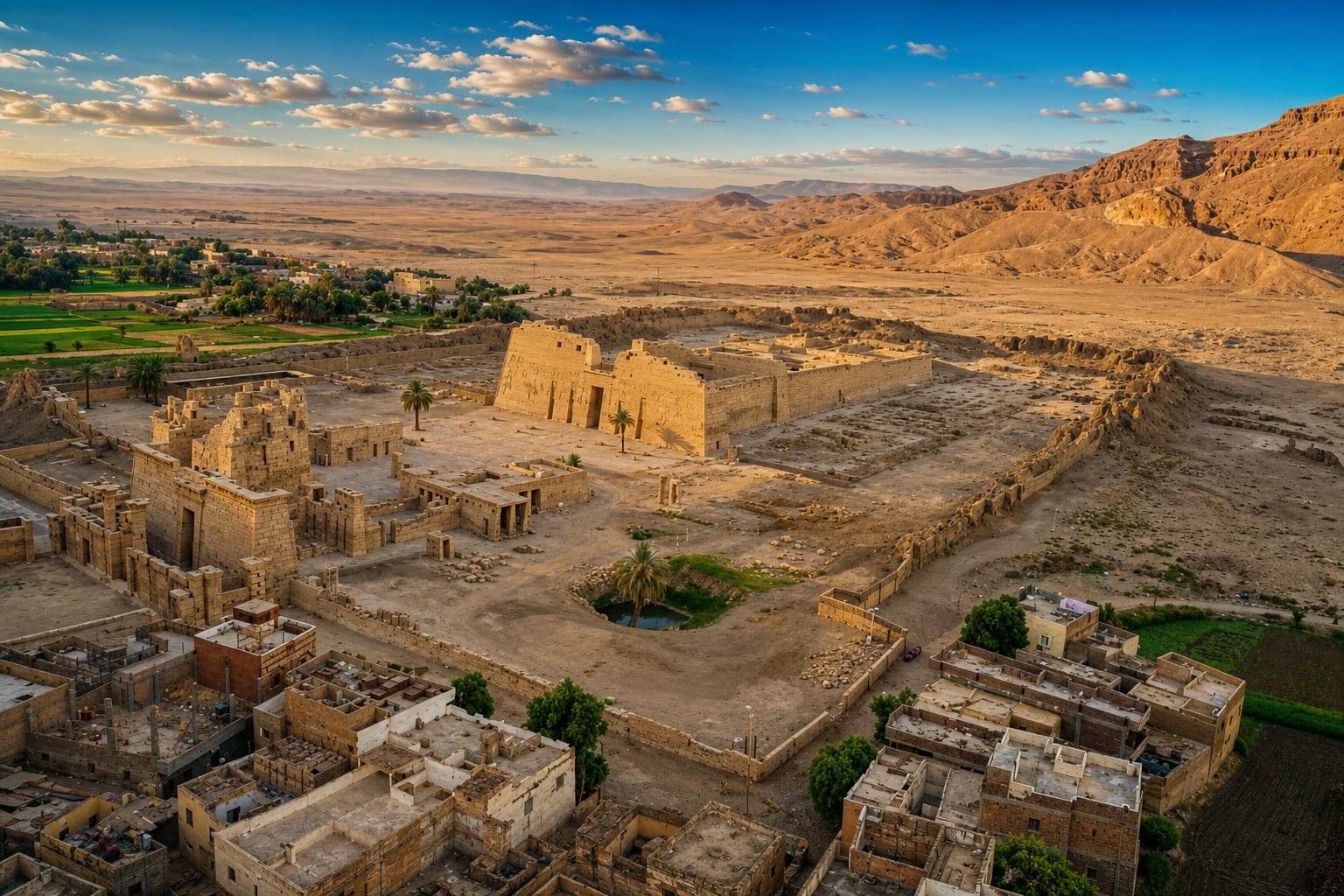
Best Time to Visit Luxor, Egypt: Weather, Seasons & Travel Tips
Planning a trip to Luxor, Egypt? Choosing the best time to visit can make a significant difference to your travel experience. Known as the world's greatest open-air museum, Luxor is home to magnificent ancient temples, royal tombs, archaeological treasures, and breathtaking views of the Nile River.
From exploring the Valley of the Kings to discovering Karnak Temple and enjoying a sunrise hot air balloon ride, Luxor offers unforgettable experiences throughout the year.
However, temperatures in Luxor vary significantly between seasons. While winter offers pleasant sightseeing conditions, summer can bring extremely high temperatures.
In this guide, we explain the best time to visit Luxor, Egypt, including monthly weather, seasonal temperatures, the best months for sightseeing, and practical travel tips.
If you are planning your first visit, read our complete Luxor Travel Guide for more information about attractions, transportation, accommodation, and planning your trip.
1. What Is the Best Time to Visit Luxor?
The best time to visit Luxor is generally from October to April, when temperatures are cooler and more comfortable for exploring ancient Egyptian monuments.
During these months, visitors can comfortably discover archaeological sites, walk through ancient temples, explore royal tombs, and enjoy outdoor activities.
The most popular months are November, December, January, February, and March.
If you prefer pleasant weather with potentially fewer tourists, October and April can also be excellent choices.
For most travelers, November through February offers the best overall sightseeing conditions.
2. Luxor Weather Throughout the Year
Luxor has a hot desert climate characterized by extremely hot summers, mild winters, and very little rainfall.
Summers are particularly hot, with daytime temperatures frequently exceeding 40°C. Winters are much more comfortable, making them ideal for exploring outdoor attractions.
Here is a general overview of average temperatures throughout the year:
| Month | Average High | Average Low |
|---|---|---|
| January | 23°C | 7°C |
| February | 26°C | 9°C |
| March | 30°C | 12°C |
| April | 36°C | 17°C |
| May | 40°C | 21°C |
| June | 41°C | 24°C |
| July | 42°C | 25°C |
| August | 41°C | 25°C |
| September | 39°C | 23°C |
| October | 36°C | 19°C |
| November | 29°C | 13°C |
| December | 24°C | 8°C |
These figures are approximate and actual temperatures vary depending on weather conditions and the year.
3. Best Time to Visit Luxor by Season
Winter in Luxor (December to February)
Winter is one of the best seasons to visit Luxor.
Daytime temperatures are generally comfortable, allowing visitors to explore archaeological attractions without experiencing the extreme summer heat.
Winter is particularly suitable for:
-
Exploring the Valley of the Kings.
-
Visiting Karnak Temple.
-
Discovering Luxor Temple.
-
Visiting the Temple of Hatshepsut.
-
Enjoying Nile River cruises.
-
Taking sunrise hot air balloon rides.
Evenings can be chilly, especially in January, so bringing a light jacket or sweater is recommended.
December and January are popular travel months, particularly around Christmas and New Year, so booking accommodation and tours in advance is advisable.
Spring in Luxor (March to April)
Spring is another excellent time to visit Luxor.
March offers warm daytime temperatures and generally comfortable conditions for sightseeing.
April becomes progressively hotter, particularly toward the end of the month, but early morning visits remain enjoyable.
Travelers should also be aware of occasional Khamsin winds, which can bring dust and sand across parts of Egypt during spring.
Spring is a good choice for visitors who enjoy warm weather and want to explore Luxor before the peak summer heat arrives.
Summer in Luxor (May to September)
Summer is the hottest season in Luxor.
Temperatures frequently exceed 40°C, and outdoor sightseeing during midday can be physically challenging.
Despite the heat, summer can offer several advantages:
-
Fewer international tourists at some attractions.
-
Potentially lower hotel prices.
-
Quieter sightseeing experiences.
-
More flexibility when arranging private tours.
If you visit during summer, we strongly recommend starting your sightseeing early in the morning.
Plan outdoor activities before the strongest afternoon heat and take breaks in air-conditioned places.
Always carry drinking water, wear sunscreen, and choose lightweight clothing.
Autumn in Luxor (October to November)
Autumn is an excellent season for visiting Luxor.
October marks the transition from the hot summer months to more comfortable temperatures.
By November, weather conditions are generally very pleasant, making it an ideal time to explore temples, tombs, and archaeological sites.
Autumn is also a wonderful season for combining Luxor with Cairo, Aswan, and a Nile River cruise.
4. Best Month to Visit Luxor
Each month offers a slightly different travel experience.
October: A good month for travelers who prefer warm weather. Temperatures begin to become more comfortable after summer.
November: One of the best months for sightseeing, with pleasant daytime temperatures and comfortable mornings.
December: Excellent weather for exploring ancient monuments and enjoying outdoor activities.
January: Ideal for visiting archaeological attractions, although evenings can be cold.
February: One of the best months for outdoor sightseeing and hot air balloon experiences.
March: Warm and generally comfortable, particularly during morning hours.
April: A good option for early morning sightseeing, although temperatures increase significantly.
For most visitors, November, December, January, and February are the strongest choices.
5. Best Time to Visit Popular Attractions in Luxor
Luxor has an extraordinary concentration of ancient Egyptian monuments. Choosing the right time of day and season can improve your experience.
Valley of the Kings
The Valley of the Kings is one of Egypt's most important archaeological sites and the burial place of many New Kingdom pharaohs.
The best months to visit are October through April.
Arriving early in the morning is recommended because the site is largely exposed to the sun.
Visitors can explore selected royal tombs and discover fascinating ancient paintings, inscriptions, and burial chambers.
Karnak Temple
Karnak Temple is one of the largest religious complexes ever constructed.
Its enormous columns, sacred lake, obelisks, and impressive Hypostyle Hall make it one of Luxor's essential attractions.
Early morning and late afternoon are excellent times to explore the complex, particularly during warmer months.
Luxor Temple
Located in the heart of modern Luxor, Luxor Temple is especially impressive in the late afternoon and evening.
Its illuminated columns and ancient statues create a spectacular atmosphere after sunset.
Winter and spring are particularly comfortable seasons for exploring the temple.
Temple of Hatshepsut
The magnificent Temple of Hatshepsut is situated beneath dramatic limestone cliffs on Luxor's West Bank.
The best time to visit is early morning, when temperatures are more comfortable and the sunlight creates beautiful views of the surrounding landscape.
Colossi of Memnon
These two enormous statues stand at the entrance to the ancient funerary temple of Amenhotep III.
They are often included in West Bank sightseeing itineraries and make an excellent photography stop.
6. Best Time for a Hot Air Balloon Ride in Luxor
A sunrise hot air balloon ride is one of the most unforgettable experiences in Luxor.
From above, visitors can enjoy spectacular views of the Nile River, green agricultural fields, ancient temples, and the surrounding desert landscape.
The cooler months, particularly October through April, are generally comfortable for this activity.
Balloon flights usually take place early in the morning before sunrise.
However, flights depend on wind and weather conditions. Operators may postpone or cancel flights when conditions are unsuitable for safety.
Booking with a reputable operator is important.
7. Best Time for a Nile River Cruise
A Nile River cruise between Luxor and Aswan is one of the most popular ways to discover southern Egypt.
The October-to-April period is generally the most popular season for cruising.
During the journey, travelers can enjoy beautiful Nile scenery and visit important historical attractions, including:
-
Karnak Temple.
-
Luxor Temple.
-
Edfu Temple.
-
Kom Ombo Temple.
-
Philae Temple.
A Nile cruise is an excellent addition to a Luxor itinerary, particularly for travelers who want to discover more of ancient Egyptian civilization.
8. How Many Days Should You Spend in Luxor?
We recommend spending at least two full days in Luxor to explore its major attractions.
If you have more time, three days will allow you to enjoy a more relaxed itinerary.
Suggested 2-Day Luxor Itinerary
Day 1 – Luxor East Bank
-
Visit Karnak Temple.
-
Explore Luxor Temple.
-
Enjoy a relaxing walk along the Nile Corniche.
-
Optional traditional felucca sailing experience.
Day 2 – Luxor West Bank
-
Optional sunrise hot air balloon ride.
-
Explore the Valley of the Kings.
-
Visit the Temple of Hatshepsut.
-
Stop at the Colossi of Memnon.
For a more complete experience, consider adding additional archaeological sites and a day trip to nearby attractions.
9. What to Wear in Luxor Depending on the Season
Choosing suitable clothing will help make your sightseeing experience more comfortable.
Winter Clothing
During winter, daytime temperatures are generally pleasant, but mornings and evenings can be cool.
We recommend bringing:
-
Comfortable walking shoes.
-
Light jackets or sweaters.
-
Sunglasses.
-
Sunscreen.
-
Comfortable daytime clothing.
Summer Clothing
During summer, lightweight and breathable clothing is essential.
Consider packing:
-
Cotton or linen clothing.
-
A sun hat or cap.
-
Sunglasses.
-
High-SPF sunscreen.
-
Comfortable walking shoes.
-
A reusable water bottle.
Regardless of the season, many archaeological sites involve walking outdoors, so comfortable footwear is essential.
10. Is Luxor Worth Visiting During Summer?
Absolutely. Luxor remains one of Egypt's most fascinating destinations throughout the year.
Although summer temperatures can be extremely high, travelers who organize their schedules carefully can still enjoy its historical attractions.
The key is to avoid the hottest hours of the day.
Start sightseeing early, take breaks during midday, and arrange comfortable private transportation between attractions.
Summer may also appeal to travelers who prefer a quieter atmosphere at some tourist sites.
However, if you have flexibility with your travel dates, winter and spring generally offer a more comfortable experience.
11. Best Luxor Tours to Book During Your Visit
Luxor offers a wide variety of guided experiences for different interests and travel schedules.
Some of the most popular options include:
-
Luxor East and West Bank Full-Day Tour: Explore the city's most famous temples and royal tombs in one day.
-
Valley of the Kings and Hatshepsut Temple Tour: Discover the royal burial grounds and one of ancient Egypt's most impressive temples.
-
Karnak and Luxor Temples Tour: Explore two extraordinary religious monuments.
-
Luxor Sunrise Hot Air Balloon Experience: Enjoy breathtaking views of ancient Thebes from above.
-
Luxor to Aswan Nile Cruise: Discover historical sites along the Nile.
-
Private Luxor Tour with an Egyptologist: Enjoy a personalized sightseeing experience with a professional guide.
Private tours are especially useful for travelers who want flexible schedules, comfortable transportation, and expert explanations of ancient Egyptian history.
12. Frequently Asked Questions About Visiting Luxor
What is the best month to visit Luxor, Egypt?
November, December, January, and February are among the best months to visit Luxor because temperatures are generally comfortable for sightseeing.
Is Luxor too hot in summer?
Luxor can become extremely hot during summer, with temperatures frequently exceeding 40°C. Early morning sightseeing is strongly recommended.
Is January a good time to visit Luxor?
Yes. January offers pleasant daytime weather for visiting temples and archaeological sites, although mornings and evenings can be cold.
Can you visit Luxor in July and August?
Yes, but temperatures are extremely high. Travelers should plan outdoor activities early in the morning and avoid the midday heat.
How many days are enough for Luxor?
Two full days are enough to explore the major East Bank and West Bank attractions. Three days allow a more relaxed experience.
What is the best time for a hot air balloon ride in Luxor?
October through April is generally a comfortable period for hot air balloon experiences. Flights are usually scheduled around sunrise and depend on weather conditions.
Is Luxor better than Aswan?
Luxor and Aswan offer different experiences. Luxor is famous for its enormous collection of ancient temples and royal tombs, while Aswan is known for its beautiful Nile scenery, Nubian culture, and peaceful atmosphere. Visiting both cities is highly recommended.
13. Final Verdict: When Should You Visit Luxor?
The best time to visit Luxor, Egypt, is generally between October and April.
November through February offers particularly pleasant conditions for exploring ancient temples, visiting royal tombs, enjoying hot air balloon rides, and experiencing a Nile River cruise.
March and October are also excellent choices for travelers who prefer warmer temperatures.
Although summer can be extremely hot, Luxor remains an unforgettable destination throughout the year.
Plan your trip carefully, start outdoor activities early, and allow enough time to discover the incredible history of ancient Thebes.
Discover Luxor with Let's Explore Egypt Travel
Make the most of your visit to Luxor with Let's Explore Egypt Travel.
We organize private tours and personalized sightseeing experiences designed to help travelers discover the best of ancient Egypt.
Our Luxor experiences can include:
-
Private air-conditioned transportation.
-
Professional licensed Egyptologist guides.
-
East Bank and West Bank sightseeing.
-
Valley of the Kings visits.
-
Karnak and Luxor Temples.
-
Optional hot air balloon experiences.
-
Personalized itineraries.
Whether you are visiting Luxor for one day or planning a longer Egyptian holiday, we can help organize an unforgettable journey.
Explore ancient Egypt with Let's Explore Egypt Travel and discover the wonders of Luxor!
Related Luxor Travel Guides
-
Best Things to Do in Luxor, Egypt.
-
Valley of the Kings Visitor Guide.
-
Karnak Temple Visitor Guide.
-
Luxor Temple Travel Guide.
-
Best Time to Visit Aswan, Egypt.ر