


Best Things to Do in Luxor, Egypt: 20 Must-See Attractions & Experiences
Best Things to Do in Luxor, Egypt: 20 Must-See Attractions & Experiences
Are you planning a trip to Luxor, Egypt, and wondering what to see and do? Luxor is one of the world's most extraordinary historical destinations, offering an incredible collection of ancient temples, royal tombs, archaeological treasures, and unforgettable experiences along the Nile River.
Often described as the world's greatest open-air museum, Luxor stands on the site of ancient Thebes, the former capital of Egypt during important periods of the New Kingdom.
From exploring the Valley of the Kings and discovering the magnificent Karnak Temple to enjoying a sunrise hot air balloon ride, there are countless things to do in Luxor for history lovers, adventure seekers, and first-time visitors.
Whether you are spending one day or several days in the city, this guide covers the 20 best things to do in Luxor, Egypt, to help you plan an unforgettable journey.
If you are visiting for the first time, start with our complete Luxor Travel Guide.
1. Explore the Valley of the Kings
The Valley of the Kings is one of the most famous archaeological sites in Egypt and a must-see attraction in Luxor.
Located on the West Bank of the Nile, this ancient royal cemetery contains the tombs of numerous New Kingdom pharaohs.
Among its most famous discoveries is the tomb of Tutankhamun, discovered by Howard Carter in 1922.
Visitors can explore selected tombs and admire their beautifully decorated walls, ancient hieroglyphics, religious scenes, and colorful paintings.
Each tomb offers a fascinating look into the beliefs and burial traditions of ancient Egyptian civilization.
Travel tip: Arrive early in the morning to avoid the strongest heat and allow enough time to explore the tombs.
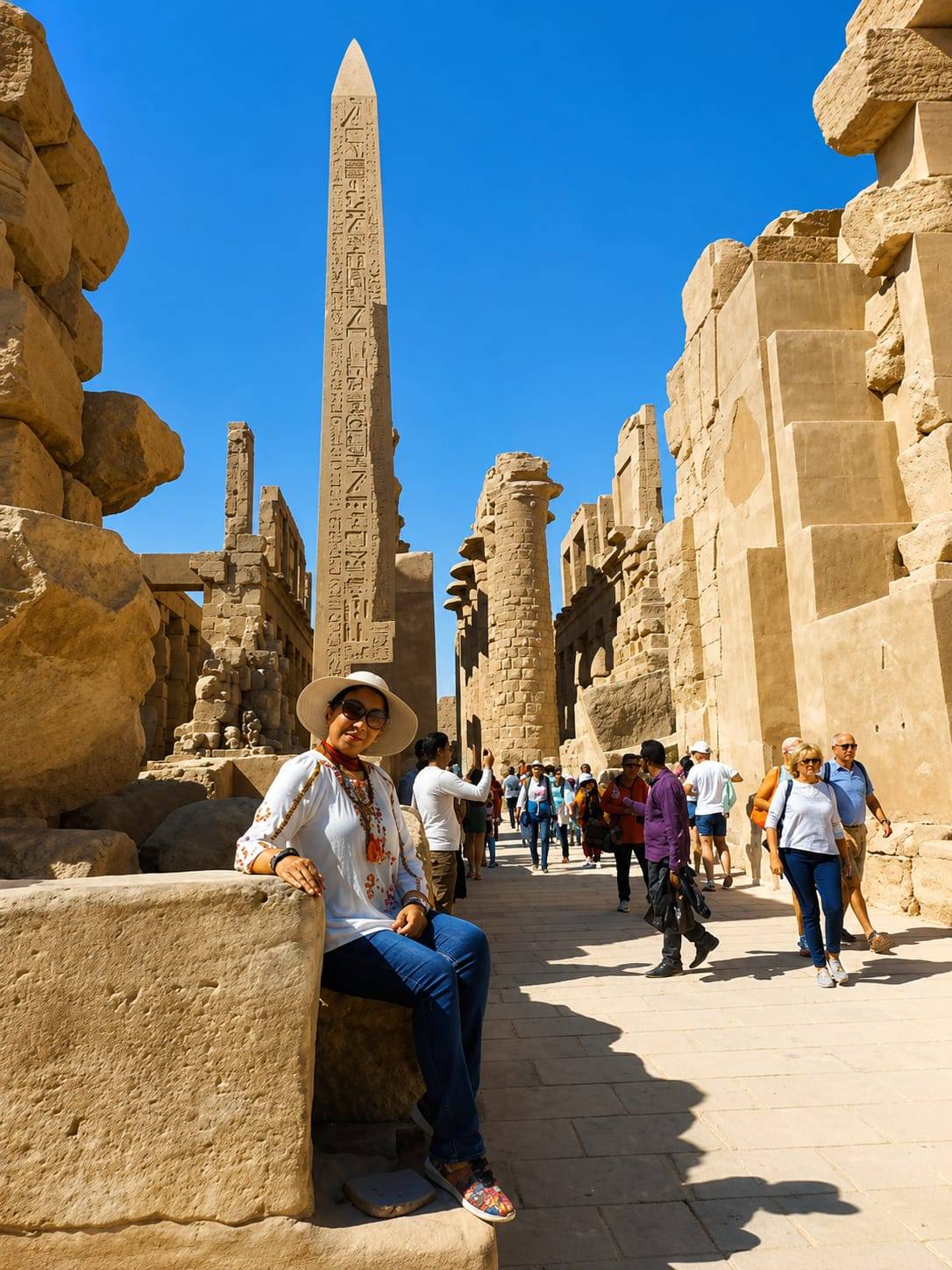
2. Visit the Magnificent Karnak Temple
Karnak Temple is one of the largest religious complexes ever constructed and one of Luxor's most impressive attractions.
Built and expanded by numerous pharaohs over many centuries, the complex was primarily dedicated to Amun-Ra, the ancient Egyptian god associated with kingship and creation.
Its most famous feature is the Great Hypostyle Hall, containing 134 enormous columns decorated with ancient inscriptions.
Other highlights include:
-
The Avenue of Sphinxes.
-
Sacred Lake.
-
Obelisks of Hatshepsut.
-
Temple of Amun-Ra.
-
Monumental pylons and statues.
Exploring Karnak Temple provides an incredible understanding of ancient Egyptian religious life and architecture.
3. Discover Luxor Temple
Luxor Temple is located in the center of modern Luxor and is one of the most beautiful ancient monuments in Egypt.
Unlike many other temples, Luxor Temple was closely associated with royal ceremonies and the rejuvenation of kingship.
It was constructed primarily during the reigns of Amenhotep III and Ramesses II.
The temple features enormous statues, impressive columns, ancient reliefs, and a monumental entrance.
Visiting Luxor Temple in the late afternoon or evening is particularly rewarding because its illuminated architecture creates a spectacular atmosphere.
4. Explore the Temple of Hatshepsut
The Temple of Hatshepsut is one of the most architecturally distinctive monuments in ancient Egypt.
Located at Deir el-Bahari on Luxor's West Bank, the temple was built for Queen Hatshepsut, one of Egypt's most successful female pharaohs.
Its three terraces rise dramatically against the surrounding limestone cliffs.
The temple is famous for its elegant architecture and detailed reliefs depicting important events from Hatshepsut's reign, including the famous expedition to the Land of Punt.
This is one of the essential attractions to include in any Luxor itinerary.
5. Enjoy a Sunrise Hot Air Balloon Ride
A sunrise hot air balloon ride is one of the most unforgettable experiences in Luxor.
Imagine floating above the Nile River while watching the sun rise over ancient temples, green agricultural fields, desert landscapes, and historical monuments.
From above, you can enjoy incredible views of the West Bank and the surrounding countryside.
Most flights take place early in the morning, before sunrise.
Balloon rides depend on weather and wind conditions, so flights may be postponed or canceled when conditions are unsuitable.
Travel tip: Book with a reputable operator and confirm the transportation, flight arrangements, and safety procedures before your experience.
6. See the Colossi of Memnon
The Colossi of Memnon are two enormous stone statues representing Pharaoh Amenhotep III.
Standing on Luxor's West Bank, these statues once guarded the entrance to the pharaoh's enormous mortuary temple.
Although much of the original temple has disappeared, the statues remain among Luxor's most recognizable landmarks.
They are a popular stop during West Bank sightseeing tours and offer excellent photography opportunities.
7. Discover Medinet Habu Temple
Medinet Habu is one of the most impressive and well-preserved temple complexes on Luxor's West Bank.
The site is best known for the mortuary temple of Ramesses III, one of the last great pharaohs of ancient Egypt.
Its enormous walls feature detailed reliefs depicting military victories, religious ceremonies, and scenes from royal life.
Compared with some of Luxor's more famous attractions, Medinet Habu can offer a quieter archaeological experience.
It is highly recommended for travelers interested in ancient Egyptian history.
8. Visit the Valley of the Queens
The Valley of the Queens is another important royal burial site located on Luxor's West Bank.
It served as the burial place of queens, princes, and other members of the royal family during the New Kingdom.
One of its most famous tombs belongs to Queen Nefertari, the beloved wife of Ramesses II.
The tomb of Nefertari is particularly famous for its beautifully preserved paintings and extraordinary colors.
Special entrance arrangements and additional tickets may apply, so check availability before visiting.
9. Explore Deir el-Medina
Deir el-Medina was an ancient village where the skilled workers and craftsmen responsible for building and decorating royal tombs lived.
The settlement provides a fascinating look into the daily lives of ordinary people in ancient Egypt.
Visitors can explore the remains of houses, temples, and beautifully decorated workers' tombs.
It is one of the most interesting archaeological sites for understanding how ancient Egyptian communities functioned beyond the royal palaces and temples.
10. Take a Traditional Felucca Ride on the Nile
A felucca ride is a relaxing way to experience the beauty of the Nile River.
These traditional wooden sailing boats have been used on the Nile for generations.
During your journey, you can enjoy views of the riverbanks, agricultural landscapes, local villages, and the surrounding mountains.
Sunset is particularly beautiful and offers a peaceful atmosphere after a busy day exploring ancient monuments.
A felucca ride is an excellent addition to a Luxor sightseeing itinerary.
11. Visit Luxor Museum
Luxor Museum is one of Egypt's finest museums and an excellent place to learn more about the city's ancient history.
Located along the Nile Corniche, the museum houses an impressive collection of archaeological objects discovered in and around Luxor.
Its exhibits include:
-
Ancient Egyptian statues.
-
Royal artifacts.
-
Sculptures and reliefs.
-
Objects from the New Kingdom.
-
Archaeological discoveries from local temples and tombs.
The museum is a great choice for visitors who want to understand the historical background of the monuments they have explored.
12. Discover the Avenue of Sphinxes
The Avenue of Sphinxes is an extraordinary ancient ceremonial road connecting Karnak Temple and Luxor Temple.
The route extends for approximately 2.7 kilometers and is lined with hundreds of sphinx statues.
The avenue was associated with the ancient Opet Festival, an important religious celebration during which statues of the gods were carried between the temples.
Walking through this historical area offers a unique perspective on the religious and ceremonial life of ancient Thebes.
13. Visit Dendera Temple
Located north of Luxor, Dendera Temple is one of the most beautiful and well-preserved ancient temples in Egypt.
The complex is primarily dedicated to Hathor, the goddess associated with love, music, beauty, and motherhood.
Its most famous features include:
-
Beautifully decorated columns.
-
The astronomical ceiling.
-
Ancient reliefs.
-
Rooftop structures.
-
The famous Dendera Zodiac.
Dendera is an excellent day trip from Luxor for travelers who want to explore additional ancient Egyptian monuments.
14. Explore Abydos Temple
Abydos is one of the most important religious sites in ancient Egyptian history.
The Temple of Seti I is particularly famous for its beautifully preserved reliefs and the Abydos King List, which records the names of many ancient Egyptian rulers.
The temple provides valuable historical information about royal traditions and religious beliefs.
Abydos is located farther from Luxor than Dendera, so it is best planned as a dedicated excursion.
15. Experience a Nile River Cruise
A Nile River cruise is one of the most popular experiences for visitors exploring southern Egypt.
Cruises commonly operate between Luxor and Aswan, allowing travelers to discover important historical sites along the river.
Popular stops include:
-
Edfu Temple.
-
Kom Ombo Temple.
-
Philae Temple.
-
Karnak Temple.
-
Luxor Temple.
During the cruise, you can enjoy beautiful river scenery, comfortable accommodation, onboard dining, and guided sightseeing excursions.
A Nile cruise is an excellent way to combine relaxation with ancient Egyptian history.
16. Visit the Ramesseum Temple
The Ramesseum is the mortuary temple of Ramesses II, one of ancient Egypt's most powerful and famous pharaohs.
Located on the West Bank, the temple once featured an enormous statue of the king, fragments of which can still be seen today.
Its walls contain important reliefs depicting the Battle of Kadesh and other royal events.
The Ramesseum is an excellent attraction for travelers interested in the military history and achievements of Ramesses II.
17. Discover the Tombs of the Nobles
The Tombs of the Nobles offer a different perspective on ancient Egyptian burial traditions.
Unlike the royal tombs in the Valley of the Kings, these burial chambers belonged to important officials, governors, priests, and administrators.
Many tombs feature detailed paintings depicting everyday activities such as agriculture, fishing, hunting, music, and religious ceremonies.
They provide fascinating insights into the lives of wealthy and influential Egyptians.
18. Enjoy a Traditional Egyptian Food Experience
Exploring Egyptian food is another enjoyable part of visiting Luxor.
Traditional dishes offer a delicious introduction to local culture and culinary traditions.
Some popular Egyptian dishes include:
-
Koshari.
-
Molokhia.
-
Grilled kofta.
-
Grilled chicken.
-
Fattah.
-
Taameya.
-
Fresh Egyptian bread.
You can enjoy traditional meals at local restaurants or choose a restaurant overlooking the Nile.
Trying authentic Egyptian food is a wonderful way to make your trip even more memorable.
19. Walk Along the Nile Corniche
The Nile Corniche is one of the most pleasant areas in modern Luxor.
It offers beautiful views of the river, traditional sailing boats, and the West Bank landscape.
Walking along the Corniche in the late afternoon or evening is a relaxing activity after visiting the city's archaeological attractions.
You can also find restaurants, cafés, and boat operators nearby.
20. Explore Luxor's Local Markets
Visiting local markets is an excellent way to experience everyday life in Luxor.
You can discover traditional Egyptian products, souvenirs, spices, handmade crafts, clothing, and decorative items.
Markets offer opportunities to interact with local people and experience the atmosphere of the city.
Remember to compare prices and agree on prices before purchasing items.
Best Time to Visit Luxor
The best time to visit Luxor is generally between October and April.
During these months, temperatures are more comfortable for exploring ancient temples, royal tombs, and archaeological sites.
November through February is particularly popular among international travelers.
Summer temperatures can exceed 40°C, so visitors traveling between May and September should plan outdoor activities early in the morning.
For more information about monthly temperatures and seasonal weather, read our detailed guide:
Best Time to Visit Luxor, Egypt: Weather, Seasons & Travel Tips.
How Many Days Do You Need in Luxor?
We recommend spending at least two full days in Luxor to explore its most important attractions.
However, three or four days will give you more opportunities to discover additional archaeological sites and enjoy other experiences.
Here is a suggested itinerary:
One Day in Luxor
-
Valley of the Kings.
-
Temple of Hatshepsut.
-
Colossi of Memnon.
-
Karnak Temple.
-
Luxor Temple.
Two Days in Luxor
Day 1: Karnak Temple, Luxor Temple, and a Nile felucca ride.
Day 2: Valley of the Kings, Temple of Hatshepsut, and Colossi of Memnon.
Three Days in Luxor
Add Medinet Habu, Valley of the Queens, Deir el-Medina, and Luxor Museum.
Four Days in Luxor
Add Dendera, Abydos, or a relaxing Nile experience, depending on your interests.
For a complete day-by-day itinerary, read:
.
Is Luxor Worth Visiting?
Absolutely. Luxor is one of the most rewarding destinations in Egypt and a must-visit for anyone interested in ancient history.
The city offers an extraordinary combination of monumental temples, royal tombs, museums, river experiences, and traditional Egyptian culture.
Whether you spend one day or an entire week, Luxor provides countless opportunities to discover the remarkable achievements of ancient Egyptian civilization.
Tips for Visiting Luxor
Before your trip, consider these practical recommendations:
1. Start Early: Visit outdoor archaeological sites in the morning, especially during warmer months.
2. Wear Comfortable Shoes: Many attractions involve walking across sandy and uneven surfaces.
3. Bring Water: Staying hydrated is essential when exploring outdoor sites.
4. Hire a Licensed Egyptologist Guide: A knowledgeable guide can explain the history, architecture, and significance of the monuments.
5. Plan Your Transportation: The East Bank and West Bank attractions are spread across different areas, so organize your transfers in advance.
6. Check Entrance Fees: Some tombs and special attractions require separate tickets.
7. Respect Historical Sites: Follow site regulations and avoid touching ancient decorations or monuments.
Book Your Luxor Experience with Let's Explore Egypt Travel
Discover the wonders of ancient Thebes with Let's Explore Egypt Travel.
We organize private Luxor sightseeing tours designed to help travelers explore the city's most important historical attractions comfortably and efficiently.
Our experiences can include:
-
Private air-conditioned transportation.
-
Professional licensed Egyptologist guides.
-
Valley of the Kings visits.
-
Karnak and Luxor Temples.
-
Temple of Hatshepsut.
-
Optional hot air balloon experiences.
-
Nile River activities.
-
Personalized sightseeing itineraries.
Whether you are visiting Luxor for one day or planning a longer Egyptian holiday, we can help create an experience that matches your schedule and interests.
Explore the wonders of Luxor with Let's Explore Egypt Travel and discover the history of ancient Egypt!
Related Luxor Travel Guides
-
Valley of the Kings Visitor Guide.
-
Karnak Temple Visitor Guide.
-
Luxor Temple Travel Guide.
-
Dendera Temple Visitor Guide.