


Medinet Habu Temple, Luxor: Complete Visitor Guide, History, Architecture & Travel Tips
Medinet Habu Temple, Luxor: Complete Visitor Guide, History, Architecture & Travel Tips
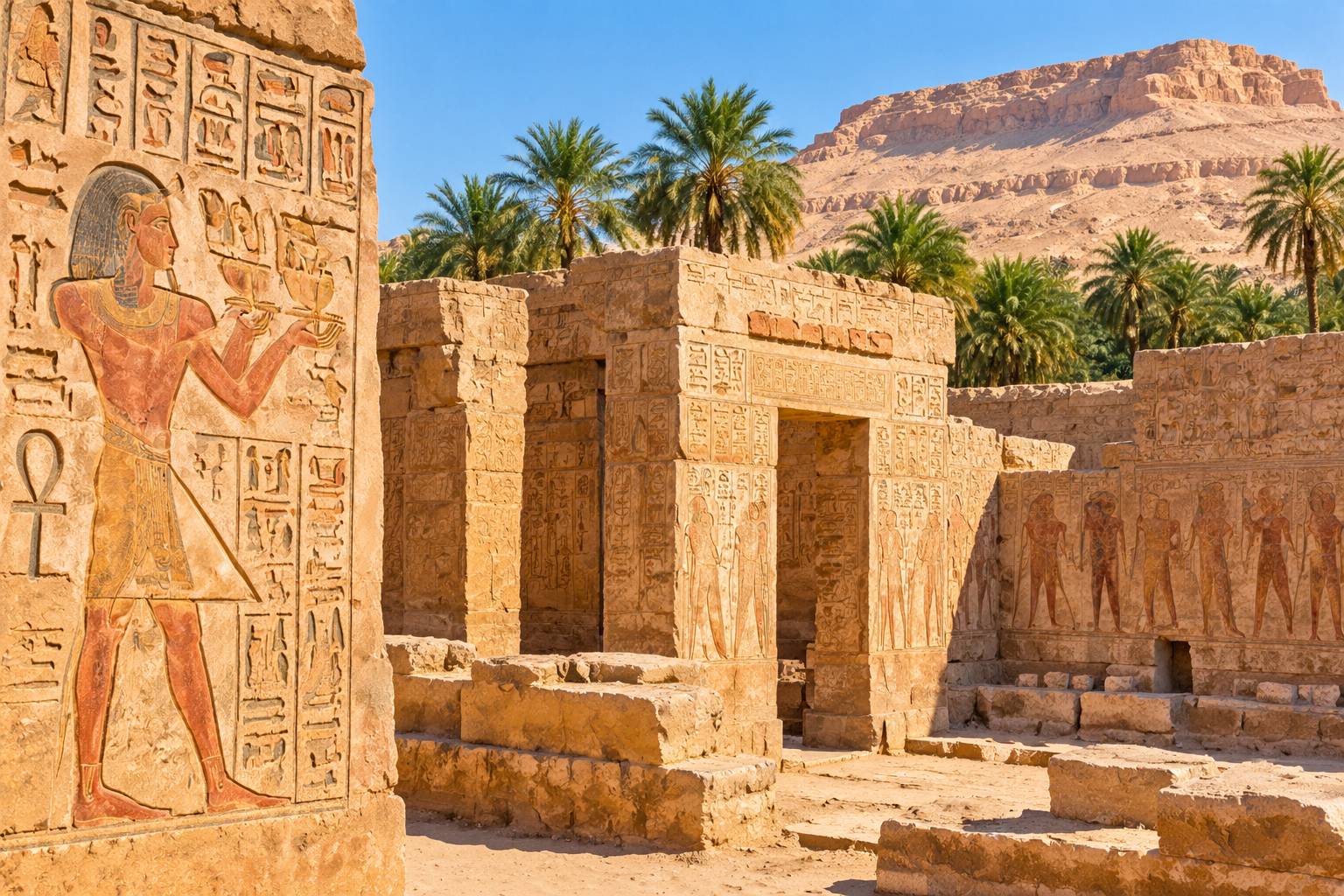
Medinet Habu Temple is one of the most impressive and best-preserved ancient Egyptian temples in Luxor. Located on the West Bank of the Nile River, this magnificent archaeological site is famous for its monumental architecture, detailed wall carvings, colorful decorations, and fascinating history.
Built during the reign of Pharaoh Ramesses III, Medinet Habu served as a mortuary temple and an important religious center dedicated primarily to the god Amun.
Unlike some of Luxor's more crowded attractions, Medinet Habu often offers visitors a quieter and more relaxed opportunity to explore ancient Egyptian architecture and history.
Whether you are interested in ancient Egyptian civilization, historical monuments, or photography, visiting Medinet Habu should be part of your Luxor itinerary.
In this complete visitor guide, we explore the history of Medinet Habu Temple, its most important features, opening hours, tickets, location, and practical tips for planning your visit.
1. Where Is Medinet Habu Temple Located?
Medinet Habu Temple is located on the West Bank of the Nile River in Luxor, southern Egypt.
The temple stands near several important archaeological attractions, including the Temple of Hatshepsut, the Valley of the Kings, the Valley of the Queens, and the Colossi of Memnon.
Its location makes it easy to include Medinet Habu in a full-day West Bank sightseeing itinerary.
The surrounding area is part of ancient Thebes, one of the most important political and religious centers of ancient Egypt.
Visitors can reach the temple by private car, taxi, or organized sightseeing tour from central Luxor.
2. History of Medinet Habu Temple
Medinet Habu is primarily associated with Pharaoh Ramesses III, who ruled Egypt during the Twentieth Dynasty of the New Kingdom.
His reign is generally dated to approximately 1184–1153 BC.
The temple was constructed as a mortuary temple where religious rituals could be performed in honor of the king and the god Amun.
Ramesses III is remembered as one of the last great warrior pharaohs of ancient Egypt.
His reign was marked by military conflicts, particularly against the Libyans and the groups known as the Sea Peoples.
The temple's enormous walls preserve important historical scenes depicting these military campaigns, religious ceremonies, and royal achievements.
Today, Medinet Habu is considered one of the most important monuments for understanding the history and political events of the late New Kingdom.
3. Why Is Medinet Habu Temple Famous?
Medinet Habu is famous for several reasons.
First, it is one of the best-preserved large temple complexes in Luxor.
Second, its walls contain detailed historical reliefs documenting the military campaigns of Ramesses III.
Third, its architecture combines religious symbolism with impressive defensive-looking structures.
The temple also preserves beautiful architectural details, columns, inscriptions, and traces of ancient colors.
For visitors interested in Egyptian history, Medinet Habu provides a fascinating opportunity to understand the achievements and challenges of the New Kingdom period.
4. Main Attractions Inside Medinet Habu Temple
The Great Entrance and High Gate
One of the most distinctive features of Medinet Habu is its impressive entrance structure, commonly known as the High Gate.
Unlike the traditional entrances found in many Egyptian temples, this structure resembles a fortified building.
Its architectural design reflects influences from ancient Near Eastern military architecture.
The gate is decorated with reliefs depicting Ramesses III and scenes connected with his royal authority.
The First Pylon
The first pylon is one of the most impressive parts of the temple.
Its massive walls feature enormous carved scenes showing Ramesses III defeating his enemies.
These reliefs communicate the power of the pharaoh and his role as the protector of Egypt.
The scale and detail of the carvings make this entrance particularly impressive.
The First Courtyard
The first courtyard contains architectural remains, columns, and decorative elements associated with the religious activities of the temple.
Visitors can admire the monumental design and study the historical inscriptions covering the surrounding walls.
The Second Courtyard
The second courtyard contains impressive columns and important religious reliefs.
Although some parts have suffered damage over thousands of years, many architectural features remain remarkably well preserved.
The courtyard provides excellent opportunities to appreciate the scale and artistic quality of ancient Egyptian temple construction.
The Hypostyle Hall
The temple's interior includes halls supported by columns decorated with religious scenes and inscriptions.
These spaces were associated with important ceremonies and religious activities.
The architectural details offer an interesting contrast with the large open courtyards.
The Military Reliefs of Ramesses III
One of the most important reasons to visit Medinet Habu is its collection of military reliefs.
The walls depict battles against the Sea Peoples and other enemies during the reign of Ramesses III.
The scenes include soldiers, chariots, weapons, captured enemies, and royal victory celebrations.
These reliefs are valuable historical records that help researchers understand the military conflicts of the late Bronze Age.
5. The Sea Peoples and the Military History of Ramesses III
The Sea Peoples were groups involved in major population movements and conflicts across the eastern Mediterranean during the late Bronze Age.
Their origins and identities remain subjects of historical research.
Ramesses III recorded military victories against these groups in inscriptions and reliefs at Medinet Habu.
The temple's battle scenes show ancient Egyptian soldiers fighting enemy forces on land and at sea.
These representations provide some of the most important surviving visual records of the conflicts that affected the eastern Mediterranean during this period.
For history enthusiasts, studying these reliefs is one of the highlights of visiting Medinet Habu.
6. Architecture and Ancient Egyptian Decorations
Medinet Habu combines monumental architecture with detailed religious and historical decorations.
Its most recognizable architectural features include:
-
Massive entrance pylons.
-
Large open courtyards.
-
Columned halls.
-
Religious chambers.
-
Monumental gateways.
-
Detailed wall reliefs.
-
Ancient inscriptions and decorative scenes.
The temple's walls preserve important information about ancient Egyptian religion, royal traditions, and military history.
Some areas still display traces of their original colors, making the monument especially interesting for photography and historical study.
7. Opening Hours of Medinet Habu Temple
Medinet Habu generally follows the operating schedule of Luxor's archaeological attractions.
Opening hours can change depending on the season and official arrangements.
Visitors should check the latest opening schedule before traveling.
We recommend arriving early in the morning, especially during warmer months, to enjoy the temple comfortably.
8. Medinet Habu Temple Entrance Fees
Entrance fees depend on the visitor's nationality and applicable ticket categories.
Prices may change, so visitors should check the official Egyptian Ministry of Tourism and Antiquities information before their visit.
Some ticket categories may offer reduced prices for eligible students.
Bring valid identification or student documentation if you intend to use a discounted ticket.
For the most reliable information, consult the official tourism authorities or the ticket office at the archaeological site.
9. How Long Does It Take to Visit Medinet Habu?
Most visitors should allow approximately one to two hours to explore Medinet Habu Temple.
The amount of time depends on your interest in ancient Egyptian history, photography, and architectural details.
History enthusiasts may prefer spending additional time studying the military reliefs and religious inscriptions.
If you are visiting several West Bank attractions on the same day, including Medinet Habu in a private guided itinerary is a convenient option.
10. Best Time to Visit Medinet Habu Temple
The best time to visit Medinet Habu is generally between October and April, when temperatures in Luxor are more comfortable.
November through February are particularly pleasant months for outdoor sightseeing.
During summer, temperatures can exceed 40°C, making early morning visits essential.
We recommend visiting in the morning to avoid the strongest afternoon heat.
For more detailed information about weather conditions and seasonal travel, read our guide:
Best Time to Visit Luxor, Egypt: Weather, Seasons & Travel Tips.
11. How to Get to Medinet Habu Temple
Medinet Habu is situated on Luxor's West Bank, approximately several kilometers from central Luxor, depending on your starting point.
There are several ways to reach the temple.
Private Transportation
A private air-conditioned vehicle is one of the most convenient options.
You can combine Medinet Habu with other nearby attractions without worrying about arranging separate transportation.
Taxi
Taxis are available in Luxor, although it is advisable to agree on the fare and return arrangements before starting your journey.
Organized Guided Tour
A guided tour offers transportation and the opportunity to learn about the temple's history from a professional Egyptologist.
This is particularly useful for travelers interested in understanding the historical scenes and inscriptions.
12. Best Attractions Near Medinet Habu Temple
Medinet Habu is surrounded by some of Luxor's most famous archaeological attractions.
You can combine several of these sites in one West Bank itinerary.
Temple of Hatshepsut
The magnificent mortuary temple of Queen Hatshepsut is located at Deir el-Bahari.
Its impressive terraces and dramatic mountain backdrop make it one of the most recognizable monuments in Egypt.
Valley of the Kings
The Valley of the Kings contains the tombs of numerous New Kingdom pharaohs, including Tutankhamun.
It is one of the most important archaeological sites in the world.
Valley of the Queens
This royal burial site contains the tombs of queens and members of the royal family.
The tomb of Queen Nefertari is particularly famous for its beautiful decorations.
Colossi of Memnon
These two enormous statues of Amenhotep III are among Luxor's most recognizable historical landmarks.
They are a popular stop during West Bank sightseeing tours.
Deir el-Medina
This ancient village was home to the craftsmen who worked on the royal tombs in the Valley of the Kings and Valley of the Queens.
The site provides fascinating insights into everyday life in ancient Egypt.
13. Suggested Luxor West Bank Itinerary
If you are planning to visit several attractions on the West Bank, we recommend organizing a full-day sightseeing itinerary.
A suggested program includes:
Morning:
-
Valley of the Kings.
-
Temple of Hatshepsut.
-
Colossi of Memnon.
Late Morning and Afternoon:
-
Medinet Habu Temple.
-
Deir el-Medina.
-
Valley of the Queens, depending on available time and your interests.
This itinerary allows you to explore some of Luxor's most important archaeological monuments in one day.
The order can be adjusted according to opening hours, weather, and your preferred attractions.
14. Photography Tips for Medinet Habu
Medinet Habu is an excellent destination for photography.
Its monumental gateways, detailed reliefs, columns, and preserved decorations provide many interesting photographic opportunities.
For the best results:
-
Visit early in the morning for comfortable lighting.
-
Photograph the massive entrance structures.
-
Focus on the military reliefs.
-
Capture details of the hieroglyphics.
-
Explore the courtyards and columned halls.
-
Follow the site's photography regulations.
Always avoid touching ancient reliefs or decorations.
15. Is Medinet Habu Worth Visiting?
Absolutely.
Medinet Habu is one of the most rewarding historical attractions in Luxor, particularly for visitors interested in ancient Egyptian architecture and military history.
Its impressive structures, detailed battle scenes, and relatively well-preserved decorations make it an essential stop for anyone exploring the West Bank.
Although it receives less attention than the Valley of the Kings and Karnak Temple, Medinet Habu offers a remarkable experience that should not be missed.
We particularly recommend it to travelers who want to discover more than the most famous tourist attractions in Luxor.
16. Frequently Asked Questions About Medinet Habu Temple
Who built Medinet Habu Temple?
The main mortuary temple at Medinet Habu was built by Pharaoh Ramesses III during Egypt's Twentieth Dynasty.
When was Medinet Habu Temple built?
Construction began during the reign of Ramesses III, around the 12th century BC.
What was Medinet Habu used for?
It served as a mortuary temple for Ramesses III and an important religious center associated with the worship of Amun.
Why is Medinet Habu important?
The temple is famous for its well-preserved architecture, historical inscriptions, and military reliefs depicting the campaigns of Ramesses III.
How long should I spend at Medinet Habu?
Most visitors should allow one to two hours to explore the temple comfortably.
Is Medinet Habu included in Luxor West Bank tours?
Many private West Bank itineraries can include Medinet Habu alongside the Valley of the Kings, Temple of Hatshepsut, and Colossi of Memnon. Always confirm the included attractions before booking.
Can I visit Medinet Habu and the Valley of the Kings on the same day?
Yes. Both attractions are located on Luxor's West Bank and can be combined in a full-day private sightseeing itinerary.
Is Medinet Habu suitable for history lovers?
Yes. It is particularly interesting for visitors who want to understand the reign of Ramesses III, ancient Egyptian military history, religious traditions, and temple architecture.
17. Discover Medinet Habu with Let's Explore Egypt Travel
Explore one of Luxor's most impressive ancient monuments with Let's Explore Egypt Travel.
We organize private Luxor West Bank sightseeing tours designed to help visitors discover the historical treasures of ancient Thebes.
Our experiences can include:
-
Private air-conditioned transportation.
-
Professional licensed Egyptologist guides.
-
Medinet Habu Temple.
-
Valley of the Kings.
-
Temple of Hatshepsut.
-
Colossi of Memnon.
-
Additional archaeological attractions.
Whether you are visiting Luxor for one day or planning a longer Egyptian holiday, we can help organize a personalized itinerary according to your interests and schedule.
Discover the history of Ramesses III and explore the extraordinary monuments of Luxor with Let's Explore Egypt Travel!
Related Luxor Travel Guides
-
Valley of the Kings Visitor Guide.
-
Karnak Temple Visitor Guide.
-
Luxor Temple Visitor Guide.
-
Temple of Hatshepsut Visitor Guide.