


What to Wear in Egypt as a Female Tourist
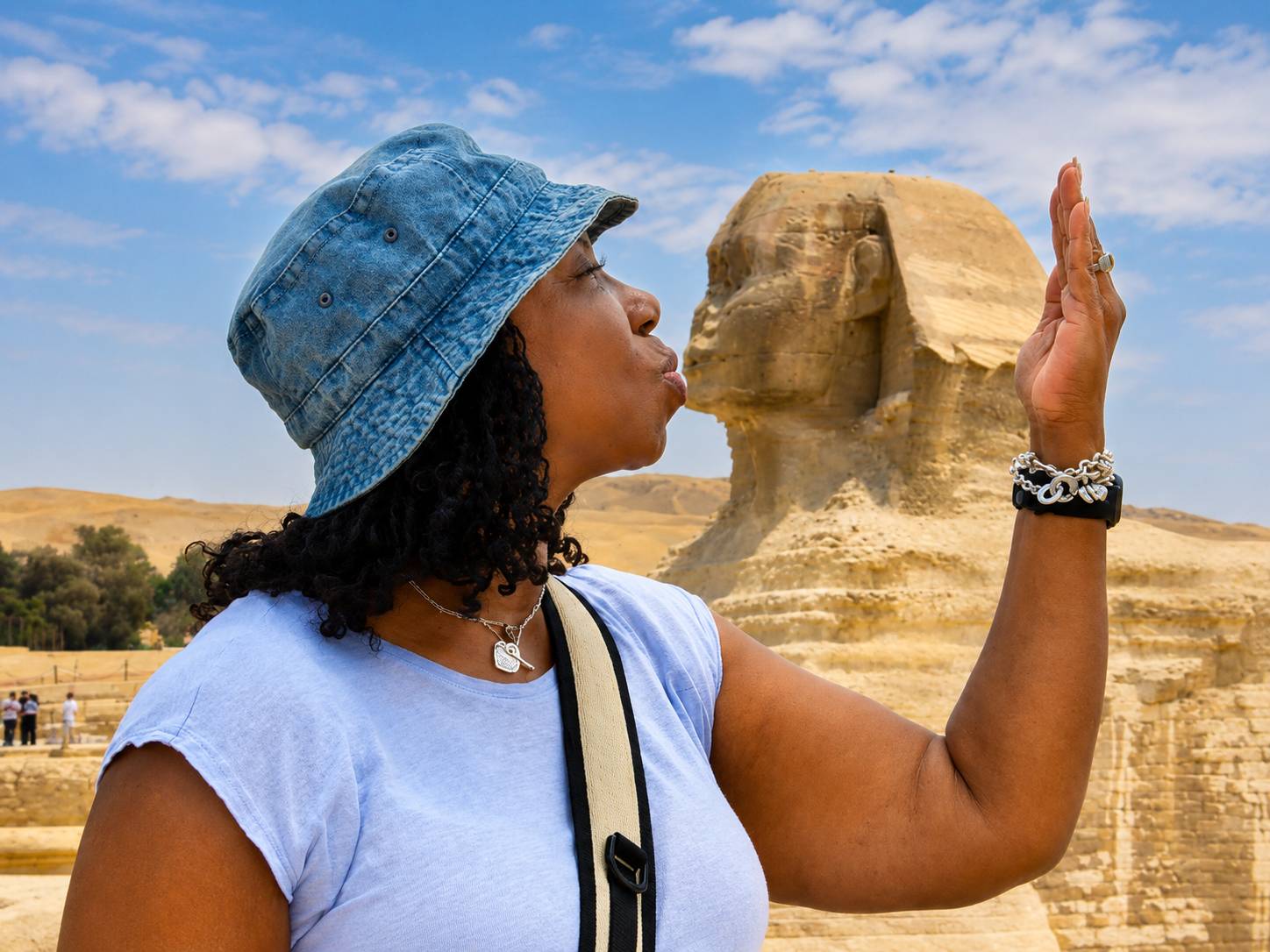
What to Wear in Egypt as a Female Tourist: Complete Dress Code Guide (2026)
Planning a trip to Egypt and wondering what to wear as a woman? Choosing the right clothes can make your journey more comfortable, especially when visiting historical attractions, traditional neighborhoods, religious sites, and beautiful Red Sea resorts.
Egypt is a culturally diverse country with different clothing expectations depending on where you are traveling. Cairo and traditional local neighborhoods tend to have more conservative social environments, while beach resorts in Hurghada and Sharm El Sheikh generally have more relaxed dress codes.
Foreign female tourists do not need to wear traditional Egyptian clothing or cover their hair in ordinary public spaces. However, wearing comfortable and reasonably modest clothing is often a practical choice.
Whether you are visiting the Great Pyramids of Giza, exploring the Grand Egyptian Museum, discovering the temples of Luxor, or relaxing beside the Red Sea, this guide explains what women should wear in Egypt and how to prepare a suitable travel wardrobe.
If you are traveling alone, also read our complete Solo Female Travel to Egypt Guide for practical advice about safety, destinations, accommodation, and transportation.
1. Is There a Dress Code for Female Tourists in Egypt?
Egypt does not have one universal dress code for foreign female tourists.
Women are not generally required to cover their hair or wear traditional clothing when walking around cities or visiting ordinary tourist attractions.
However, Egypt is a predominantly Muslim country with relatively conservative social customs in many communities.
Wearing modest clothing can help you feel more comfortable, particularly when visiting local markets, traditional neighborhoods, and religious sites.
A practical approach is to adapt your clothing to the destination and activity.
For example:
-
Lightweight trousers and T-shirts are suitable for everyday sightseeing.
-
Long dresses and skirts are practical choices for traditional neighborhoods.
-
A scarf is useful when visiting certain mosques.
-
Swimwear is generally acceptable around hotel swimming pools and private resort beaches.
-
Comfortable walking shoes are essential for archaeological sites.
You do not need to completely change your personal style to visit Egypt.
2. What Should Women Wear in Cairo?
Cairo is a large city with a mixture of modern neighborhoods, traditional markets, business districts, and historical areas.
You will see Egyptian women wearing a wide range of clothing, from traditional outfits to modern international fashion.
For female tourists, comfortable and modest everyday clothing is generally practical.
Recommended Clothing for Cairo
Consider packing:
-
Lightweight trousers.
-
Jeans.
-
Cotton T-shirts.
-
Loose-fitting blouses.
-
Long skirts.
-
Comfortable dresses.
-
Sneakers or walking shoes.
-
A lightweight cardigan.
During summer, breathable fabrics such as cotton and linen are particularly useful.
Can Women Wear Shorts in Cairo?
There is no universal prohibition on women wearing shorts.
However, very short shorts may attract attention in more conservative neighborhoods.
Longer shorts, lightweight trousers, and comfortable skirts are often more practical choices for sightseeing.
What Should Women Wear at Khan el-Khalili?
Khan el-Khalili is one of Cairo's most famous traditional markets.
When visiting, choose comfortable clothing that allows you to walk easily through busy streets.
Trousers, casual tops, long skirts, and comfortable shoes are suitable options.
Keep your personal belongings secure and be prepared for crowded market conditions.
3. What Should Women Wear When Visiting the Giza Pyramids?
Visiting the Great Pyramids of Giza involves walking across large areas, uneven ground, and sometimes sandy surfaces.
Your clothing should prioritize comfort, sun protection, and mobility.
Recommended Clothing
-
Lightweight trousers.
-
Breathable T-shirts.
-
Comfortable sneakers.
-
Sunglasses.
-
A sun hat.
-
Sunscreen.
-
A lightweight scarf.
Avoid uncomfortable footwear because you may spend several hours walking around the archaeological site.
If you are planning a camel ride or horseback experience, choose trousers and secure footwear.
For more practical information, read our guide to Solo Female Travel to Egypt.
4. What Should Women Wear When Visiting Mosques in Egypt?
Mosques and religious sites have more specific clothing expectations than ordinary tourist attractions.
When visiting a mosque, women should generally dress modestly.
This usually means:
-
Covering your shoulders.
-
Wearing clothing that covers your knees.
-
Avoiding transparent or revealing outfits.
-
Carrying a scarf to cover your hair when required.
-
Following the individual mosque's visitor instructions.
Some mosques may provide coverings for visitors, but bringing your own scarf is convenient.
Can Women Enter Mosques in Egypt?
Yes. Many mosques welcome non-Muslim visitors during designated visiting hours, subject to local rules.
Some areas may be restricted during prayer times or religious activities.
Always follow the instructions of mosque staff.
5. What Should Women Wear in Luxor?
Luxor is one of Egypt's most important archaeological destinations.
Visiting Karnak Temple, Luxor Temple, the Valley of the Kings, and Hatshepsut Temple often involves walking outdoors for extended periods.
The weather can become extremely hot, especially during summer.
Recommended Clothing for Luxor
-
Lightweight linen trousers.
-
Cotton shirts.
-
Long skirts.
-
Breathable dresses.
-
Comfortable walking shoes.
-
Sunglasses.
-
A wide-brimmed hat.
-
Sunscreen.
Choose light-colored clothing that allows air circulation.
For early morning excursions, a light jacket may be useful during cooler months.
What to Wear in the Valley of the Kings
The Valley of the Kings has uneven surfaces and rocky walking paths.
Wear comfortable shoes with good grip and lightweight clothing.
Avoid high heels, tight clothing, and footwear that makes walking difficult.
6. What Should Women Wear in Aswan?
Aswan is known for its beautiful Nile scenery, Nubian culture, and historical attractions.
Although the atmosphere in some tourist areas is relaxed, modest clothing is often a comfortable choice when visiting traditional communities.
Recommended options include:
-
Long cotton dresses.
-
Lightweight trousers.
-
Breathable tops.
-
Comfortable sandals.
-
A sun hat.
-
Sunglasses.
If you are visiting a Nubian village, wearing respectful clothing is advisable.
A lightweight scarf can also be useful for sun protection.
7. What Should Women Wear in Hurghada and Sharm El Sheikh?
The Red Sea resort destinations of Hurghada and Sharm El Sheikh generally have more relaxed clothing expectations around hotels and private beaches.
International tourists commonly wear swimsuits, shorts, summer dresses, and beach clothing within resort environments.
What to Wear at Hotel Swimming Pools
Swimwear is generally acceptable around hotel swimming pools.
You can wear bikinis, one-piece swimsuits, and other conventional swimwear.
Follow the individual hotel's pool rules.
What to Wear at Public Beaches?
Beach dress expectations can vary depending on whether you are visiting a private resort beach or a public beach.
Check the beach's rules and consider a more modest swimsuit or cover-up where appropriate.
What to Wear When Leaving the Resort?
When visiting local shops, restaurants, or towns, wearing a cover-up, summer dress, or casual trousers is a practical choice.
There is no need to wear formal clothing.
8. What Should Women Wear in Egypt During Summer?
Egyptian summers can be extremely hot, particularly in Cairo, Luxor, and Aswan.
Temperatures can rise considerably during June, July, August, and September.
Choose clothing that helps you stay cool and protects your skin from direct sunlight.
Best Summer Fabrics
Cotton: Breathable and comfortable for everyday sightseeing.
Linen: Lightweight and suitable for hot weather.
Lightweight viscose: Comfortable for dresses and casual clothing.
Moisture-wicking fabrics: Useful for longer outdoor activities.
Summer Packing List
-
Cotton T-shirts.
-
Linen trousers.
-
Loose dresses.
-
Comfortable sandals.
-
Sneakers.
-
Sunglasses.
-
Wide-brimmed hat.
-
Sunscreen.
-
Lightweight scarf.
Avoid heavy fabrics and tight clothing during long sightseeing days.
9. What Should Women Wear in Egypt During Winter?
Winter in Egypt is generally mild compared with many European and North American destinations.
However, temperatures can vary considerably between cities and between daytime and nighttime.
Cairo can feel cool during winter evenings, while Luxor and Aswan are often warmer during the day.
Recommended Winter Clothing
-
Jeans.
-
Lightweight trousers.
-
Long-sleeved shirts.
-
Sweaters.
-
Cardigans.
-
Comfortable sneakers.
-
A light jacket.
-
A scarf.
If you are visiting the desert or taking an early morning excursion, bring an additional warm layer.
10. Can Women Wear Bikinis in Egypt?
Yes. Bikinis are generally acceptable at hotel swimming pools and private resort beaches in destinations such as Hurghada and Sharm El Sheikh.
However, clothing expectations differ between private resorts, public beaches, and traditional communities.
A practical approach is to bring a beach cover-up for walking between the beach, hotel facilities, and restaurants.
Always follow the specific rules of your accommodation or beach.
11. Do Female Tourists Need to Wear a Hijab in Egypt?
No. Foreign female tourists are not generally required to wear a hijab in public places in Egypt.
You can walk around Cairo, Giza, Luxor, Aswan, and Red Sea resorts without covering your hair.
However, some mosques and religious sites require women to cover their hair when entering certain areas.
Carrying a lightweight scarf is therefore useful.
12. What Shoes Should Women Wear in Egypt?
Choosing the right shoes is particularly important because many Egyptian attractions involve considerable walking.
Best Shoes for Sightseeing
Comfortable sneakers
Suitable for visiting the Pyramids of Giza, museums, temples, and city streets.
Walking sandals
Useful during warm weather, provided they offer good support.
Lightweight trainers
A practical option for longer sightseeing days.
Flip-flops
Best reserved for hotel rooms, swimming pools, and beaches.
Avoid high heels when visiting archaeological sites with uneven surfaces.
13. What Should Women Pack for a Trip to Egypt?
Here is a practical packing list for female travelers.
Clothing
-
Three or four comfortable tops.
-
Two or three pairs of lightweight trousers.
-
One or two dresses.
-
A long skirt.
-
One cardigan or light jacket.
-
Swimwear.
-
A beach cover-up.
-
Comfortable walking shoes.
-
Sandals.
-
A lightweight scarf.
Accessories
-
Sunglasses.
-
Sun hat.
-
Crossbody bag.
-
Reusable water bottle.
-
Small backpack.
-
Hair accessories.
Personal Essentials
-
Sunscreen.
-
Personal medication.
-
Hand sanitizer.
-
Basic first-aid supplies.
-
Moisturizer.
-
Travel toiletries.
Travel Documents and Technology
-
Passport.
-
Visa documentation, if required.
-
Travel insurance.
-
Hotel reservations.
-
Flight confirmations.
-
Smartphone.
-
Power bank.
-
Charging cables.
-
Local SIM or eSIM.
14. Clothing Mistakes Female Tourists Should Avoid
A few simple decisions can make your journey more comfortable.
Wearing Heavy Clothing During Summer
Heavy fabrics can become uncomfortable during long outdoor excursions.
Choose breathable materials instead.
Forgetting a Scarf
A lightweight scarf is useful for religious sites, sun protection, and additional coverage.
Wearing Uncomfortable Shoes
Archaeological sites often involve walking across sand, stone, and uneven ground.
Choose footwear that supports your feet.
Wearing Beachwear Outside Resorts
Swimwear is generally acceptable around resort pools and private beaches, but a cover-up is advisable when visiting local streets and shops.
Ignoring the Weather
Check the forecast for each destination before packing, particularly if you are traveling between Cairo, Luxor, Aswan, and the Red Sea.
15. Is Egypt Safe for Women Who Dress Differently?
Egypt is a culturally diverse country, and visitors have different clothing preferences.
Foreign women do not need to adopt traditional Egyptian clothing to travel around the country.
However, dressing appropriately for the destination can make interactions more comfortable.
The important thing is to respect local customs while remaining comfortable with your personal choices.
If you are traveling alone, you can also read our detailed guide about Is Egypt Safe for Solo Female Travelers?, which covers personal safety, transportation, unwanted attention, and practical precautions.
16. Frequently Asked Questions About Women's Clothing in Egypt
Can female tourists wear jeans in Egypt?
Yes. Jeans are acceptable in Egypt, although lightweight trousers may be more comfortable during hot weather.
Can women wear sleeveless tops in Egypt?
Sleeveless tops are generally worn by tourists, particularly in resort areas. For traditional neighborhoods and religious sites, tops covering the shoulders are often more appropriate.
Can women wear leggings in Egypt?
Yes. Leggings are generally acceptable, although some women prefer wearing them with a longer top or tunic in conservative areas.
Can women wear dresses in Egypt?
Absolutely. Dresses are popular choices for female tourists. Lightweight dresses that cover the shoulders and knees can be practical for everyday sightseeing.
Can women wear bikinis in Hurghada?
Yes. Bikinis are generally acceptable around hotel swimming pools and private resort beaches. Follow the rules of the individual beach or hotel.
Do women need to cover their heads in Cairo?
No. There is no general requirement for foreign women to cover their heads in Cairo's public streets.
What should women wear when visiting the Grand Egyptian Museum?
Comfortable trousers, casual tops, dresses, and walking shoes are suitable choices. Choose clothing that allows you to walk comfortably through the museum.
Is it necessary to wear long sleeves in Egypt?
No. Long sleeves are not required everywhere. However, they can provide useful sun protection and may be more comfortable in conservative areas.
What is the best color to wear in Egypt during summer?
Light colors such as white, beige, and pastel shades are practical because they can help reflect sunlight. Breathable fabric is more important than color alone.
Can women wear shorts in Luxor?
Yes, but longer shorts or lightweight trousers may be more comfortable when visiting traditional areas and archaeological attractions.
17. Final Advice: Dress Comfortably and Enjoy Egypt
Choosing what to wear in Egypt does not need to be complicated.
The best travel wardrobe combines comfort, sun protection, and respect for local customs.
Pack lightweight clothing for sightseeing, comfortable shoes for archaeological sites, a scarf for religious visits, and swimwear for your Red Sea holiday.
You do not need an entirely different wardrobe to enjoy Egypt. A few practical choices will help you feel comfortable throughout your journey.
Whether you are exploring the Pyramids of Giza, discovering the temples of Luxor, sailing along the Nile in Aswan, or relaxing in Hurghada, Egypt offers unforgettable experiences for women travelers.
Plan Your Egypt Adventure with Local Experts
Ready to discover Egypt?
Let's Explore Egypt Travel offers private sightseeing experiences, professional local guides, airport transfers, and customized itineraries.
Explore our Egypt Tour Packages and discover the country's most famous historical attractions and beautiful destinations.
Experience Egypt comfortably, confidently, and at your own pace.
For more specific clothing recommendations, outfit ideas, footwear advice, and seasonal packing tips, read our detailed guide: What to Wear at the Pyramids of Giza.