


Common Scams in Egypt and How to Avoid Them
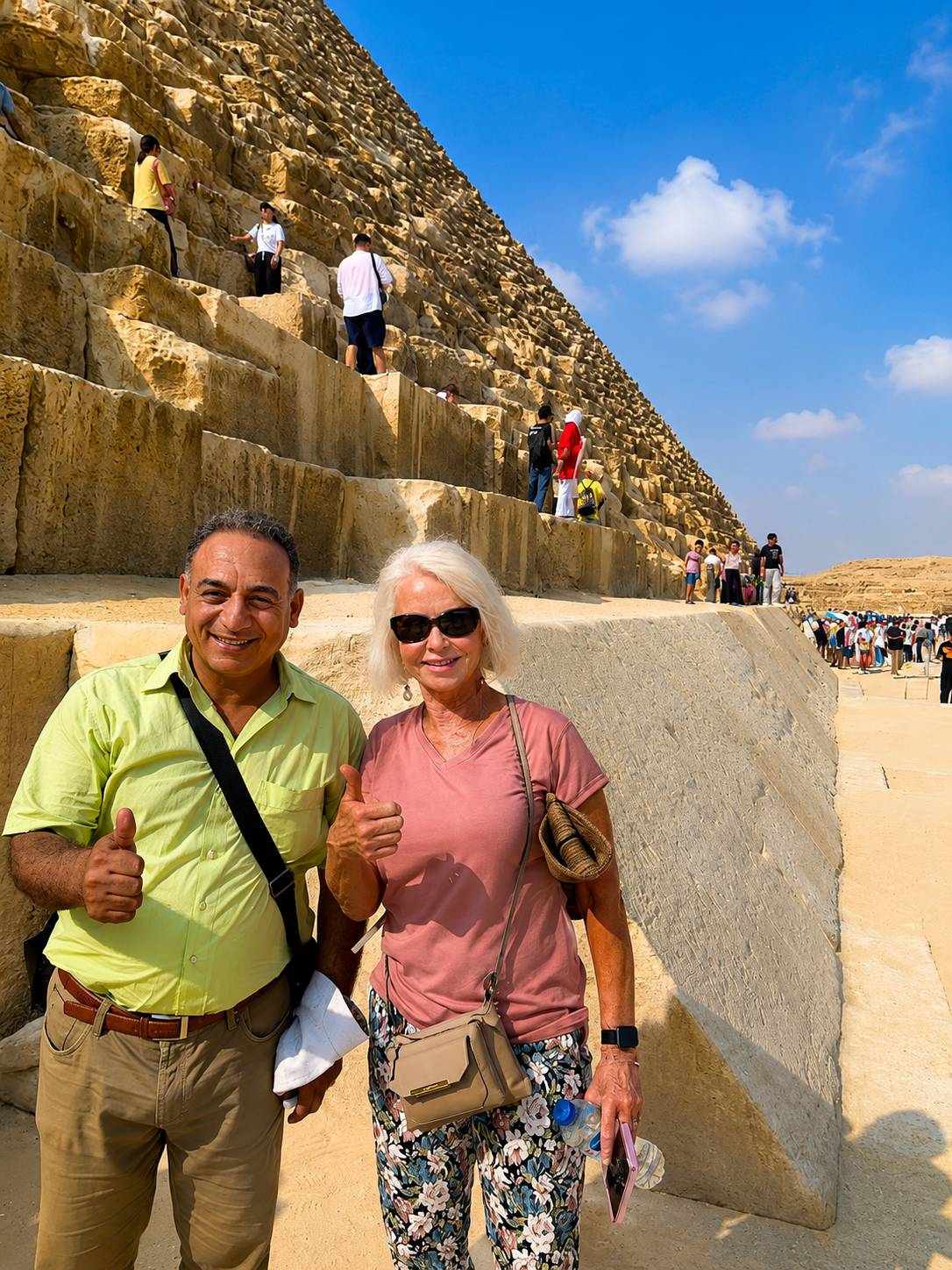
Common Scams in Egypt and How to Avoid Them: A Tourist Safety Guide (2026)
Common Scams in Egypt and How to Avoid Them
Egypt is one of the world's most fascinating travel destinations, offering ancient monuments, vibrant markets, beautiful coastlines, and thousands of years of history.
From the Great Pyramids of Giza and the temples of Luxor to the Nile in Aswan and the Red Sea resorts, visitors can enjoy an extraordinary range of experiences.
Like many popular tourist destinations, however, Egypt has situations where visitors may encounter misleading offers, unexpected charges, persistent sales approaches, or dishonest individuals.
Understanding common tourist scams in Egypt can help you make informed decisions, protect your belongings, and enjoy your trip with greater confidence.
This guide explains situations tourists may encounter, how to recognize warning signs, and practical ways to avoid problems while traveling in Egypt.
If you are planning your first visit, start with our complete guide to Solo Female Travel to Egypt.
1. The Unofficial Tour Guide Scam
One situation visitors may encounter around popular attractions is someone approaching them and offering to act as a guide.
They may introduce themselves as an official guide, claim that they can provide special access, or offer an inexpensive tour.
After the visit begins, they may request additional payment or provide a service that was never clearly agreed upon.
How to Avoid This Situation
-
Arrange guided tours through a reputable provider.
-
Ask whether the guide is licensed.
-
Confirm the total price before starting.
-
Clarify what is included in the tour.
-
Do not assume that someone approaching you at an attraction is an official representative.
If you want historical explanations at archaeological sites, choose a qualified Egyptologist guide and confirm the guiding service before booking.
2. The Camel and Horse Ride Price Dispute at the Pyramids
Camel and horse rides are popular experiences around the Giza Pyramids.
However, some visitors report disagreements about prices, ride duration, or additional charges.
A price may initially sound inexpensive, but the final amount may be different from what the visitor expected.
How to Avoid Problems
Before agreeing to a ride:
-
Confirm the total price.
-
Agree on the duration.
-
Clarify the starting and ending points.
-
Ask whether the price is per person or for the entire group.
-
Confirm whether photographs or additional services cost extra.
-
Do not begin the ride until the agreement is clear.
If the provider changes the agreed price, you can decline the service before it starts.
3. The Friendly Stranger Offering Unrequested Help
At tourist attractions, markets, and transportation areas, someone may approach you and offer help.
They may offer directions, assistance with photographs, or help finding a particular attraction.
Some people are genuinely helpful, but others may expect payment afterward or use the interaction to lead visitors toward shops.
How to Protect Yourself
-
Politely decline help you did not request.
-
Use official information points when available.
-
Ask your hotel or tour operator for directions.
-
Avoid following strangers to unfamiliar locations.
-
Do not feel obligated to pay for assistance you did not agree to receive.
A simple "No, thank you" is usually enough.
4. The Taxi Fare Scam
Traditional taxis are available in many Egyptian cities.
However, tourists unfamiliar with local transportation may experience disagreements over fares, particularly when the price is not agreed upon before the journey.
Common Problems
-
A driver quotes a price different from what the passenger expected.
-
The driver claims the destination is farther away.
-
The passenger misunderstands whether the fare is per person or for the entire ride.
-
Additional charges are introduced unexpectedly.
How to Avoid Taxi Problems
-
Agree on the fare before starting if the meter is not being used correctly.
-
Confirm that the price is for the entire journey.
-
Keep your destination written in Arabic or saved on your phone.
-
Use a reputable ride-hailing application where available.
-
Check the route on your phone.
For more information, read our guide to Best Transportation Apps in Egypt for Tourists.
5. The Shopping Commission Trap
Some visitors may be taken to souvenir shops, perfume stores, papyrus shops, or other commercial establishments during a sightseeing day.
The shop owner may offer hospitality or demonstrations before introducing products.
In some situations, a guide or driver may receive a commission for bringing customers.
This does not automatically mean that every shop visit is dishonest, but travelers should understand whether shopping stops are part of the agreed itinerary.
How to Avoid Unwanted Shopping Stops
-
Choose a tour with a clearly stated no-shopping policy if that is your preference.
-
Ask whether shopping stops are included before booking.
-
Tell your tour provider that you do not want commercial stops.
-
Do not feel pressured to purchase anything.
-
Compare prices before buying souvenirs.
If you prefer to focus entirely on sightseeing, request a private itinerary without shopping stops.
6. The Fake Papyrus and Perfume Shop Experience
Papyrus paintings, perfumes, alabaster products, and traditional souvenirs are popular purchases in Egypt.
However, visitors should be careful when buying expensive products from unfamiliar shops.
A seller may describe an item as authentic or handmade without providing convincing information about its origin or quality.
How to Shop Carefully
-
Compare prices at several stores.
-
Ask about the material and manufacturing process.
-
Request a receipt.
-
Avoid purchases made under pressure.
-
Be cautious of claims that sound unusually attractive.
-
Use a payment method you understand.
For expensive purchases, take your time and do not make a decision simply because a seller says an offer is available for a limited time.
7. The Restaurant and Café Bill Surprise
Restaurants and cafés in tourist areas may have different pricing structures.
A visitor may misunderstand the menu, service charge, taxes, or additional items added to the bill.
How to Avoid Unexpected Charges
-
Check the menu before ordering.
-
Ask whether prices include taxes and service charges.
-
Confirm the price of special items.
-
Review the bill before paying.
-
Keep a copy of the receipt if a problem occurs.
Choose restaurants with clear menus and recent customer reviews.
8. The Airport Transportation Scam
After a long flight, visitors may be tired and eager to reach their hotel.
At airports, travelers can encounter people offering transportation without a clear booking or price.
The final fare may be higher than expected, or the service may not match what was promised.
How to Avoid Airport Transportation Problems
-
Arrange your pickup before arrival when possible.
-
Use official booking channels.
-
Confirm the vehicle and driver details.
-
Agree on the total price.
-
Check the pickup instructions.
-
Do not accept unsolicited transportation offers if you are uncomfortable.
If you use Uber or another ride-hailing service, follow the pickup instructions displayed in the application.
Read our guide to Is Uber Safe in Egypt for Female Tourists?.
9. The Fake Ticket or Special Access Offer
At major attractions, visitors may encounter people claiming they can arrange special access, faster entry, or discounted tickets.
Not every offer is legitimate.
Buying tickets through unauthorized sellers may lead to invalid tickets, unexpected charges, or problems at the entrance.
How to Avoid Ticket Problems
-
Purchase tickets through official channels whenever possible.
-
Check current ticket requirements before visiting.
-
Be cautious of unsolicited offers.
-
Confirm whether the ticket includes access to the specific area you want to visit.
-
Keep your ticket until you leave the attraction.
For major archaeological sites and museums, always check the official visitor information before your visit.
10. The Currency Exchange and Payment Confusion
Travelers may encounter different exchange rates and payment arrangements when exchanging money or paying for services.
Problems can occur when visitors do not understand the exchange rate, receive incorrect change, or agree to a payment in a currency they did not expect.
How to Protect Your Money
-
Use authorized exchange services.
-
Check the exchange rate before changing money.
-
Count your cash before leaving the counter.
-
Confirm the currency before paying.
-
Review card transactions.
-
Keep payment receipts when appropriate.
Avoid exchanging money with strangers offering unusually favorable rates.
11. The Unsolicited Photography Fee
At some tourist locations, visitors may be offered help taking photographs.
A person may take several pictures and then request payment, even though the price was never discussed.
How to Avoid This Situation
Before accepting photography assistance:
-
Ask whether there is a charge.
-
Agree on the price first.
-
Clarify how many photographs are included.
-
Decline if you are uncomfortable.
-
Keep your phone or camera secure.
If you do not want assistance, politely say no.
12. The Overpriced Souvenir or Gift
A seller may offer a small souvenir as a gift or say that it is free.
After accepting it, the visitor may be asked to pay.
How to Handle the Situation
-
Ask whether an item is genuinely free before accepting it.
-
Decline gifts if the terms are unclear.
-
Ask for the price before taking an item.
-
Do not feel pressured to buy anything.
Remember that you can walk away from a purchase you have not agreed to make.
13. Common Scams and Tourist Problems for Solo Female Travelers
Women traveling alone may face some additional situations that require awareness.
These can include unwanted approaches, persistent sales conversations, misleading offers of assistance, or transportation arrangements that feel uncomfortable.
Not every interaction is dangerous, and many Egyptians are welcoming and helpful. The important thing is to recognize when an interaction becomes unwanted or inappropriate.
Practical Tips for Women Traveling Alone
-
Use reputable transportation services.
-
Choose accommodation with recent positive reviews.
-
Avoid sharing detailed personal information with strangers.
-
Keep your hotel address accessible.
-
Arrange remote excursions with established providers.
-
Share your itinerary with someone you trust.
-
Decline unwanted attention clearly and calmly.
-
Move to a populated place if you feel uncomfortable.
For more detailed advice, read Is Egypt Safe for Solo Female Travelers?.
14. What Should You Do If You Encounter a Scam in Egypt?
If you believe someone is trying to deceive you, remain calm and focus on resolving the situation safely.
If You Have Not Paid Yet
-
Do not hand over money if the price is unclear.
-
Decline the service.
-
Move away from the situation.
-
Ask your hotel or tour provider for assistance.
If You Have Already Paid
-
Keep your receipt or payment confirmation.
-
Record relevant details if it is safe to do so.
-
Contact your bank if you suspect card fraud.
-
Report the incident through the relevant official channel.
If You Feel Threatened
-
Move to a safe, populated location.
-
Contact someone you trust.
-
Ask hotel staff or official security personnel for assistance.
-
Contact local emergency services if you are in immediate danger.
Do not put yourself at risk trying to recover a small amount of money.
15. How to Choose a Reliable Tour Company in Egypt
Choosing a reputable tour operator can reduce uncertainty when arranging sightseeing and transportation.
Before booking, consider the following:
Check Company Information
Look for clear company details, contact information, and evidence of legitimate tourism operations.
Read Recent Reviews
Read recent reviews across more than one platform. Look for consistent feedback about communication, punctuality, transportation, and guide quality.
Request a Written Itinerary
The itinerary should clearly explain:
-
Pickup and drop-off arrangements.
-
Destinations included.
-
Tour duration.
-
Guide services.
-
Transportation arrangements.
-
Entrance tickets.
-
Meals and other inclusions.
-
Additional charges.
-
Cancellation terms.
Confirm the Price
Ask for the total price and clarify what is included or excluded.
Confirm the Guide's Qualifications
If you want historical explanations at archaeological sites, ask whether a licensed Egyptologist guide is included.
Ask About Shopping Stops
If you prefer a sightseeing-only experience, request confirmation that no shopping stops are included.
16. Common Scams in Egypt: Quick Reference Table
| Situation | How to Protect Yourself |
|---|---|
| Unofficial tour guide | Book a qualified guide in advance |
| Camel ride price dispute | Agree on price and duration first |
| Unrequested assistance | Politely decline |
| Taxi fare disagreement | Confirm fare before departure |
| Shopping commission stops | Request a no-shopping itinerary |
| Unclear souvenir quality | Compare shops and request receipts |
| Unexpected restaurant bill | Check menu and charges |
| Airport transportation offer | Arrange a confirmed pickup |
| Fake ticket offer | Use official ticket channels |
| Currency exchange confusion | Use authorized exchange services |
| Unsolicited photography | Agree on price first |
| Free gift with payment request | Ask whether it is genuinely free |
Frequently Asked Questions
Is Egypt full of tourist scams?
No. Egypt is a major tourist destination with many legitimate businesses, guides, hotels, and transportation providers. However, like other popular destinations, some visitors may encounter misleading offers or unexpected charges. Knowing common situations can help you make informed decisions.
What is the most common tourist scam in Egypt?
There is no reliable single ranking of tourist scams. Visitors may encounter price disagreements, unsolicited services, misleading sales approaches, or unexpected charges around busy tourist areas.
Are the Pyramids of Giza safe for tourists?
The Giza Pyramids are a major tourist attraction visited by travelers from around the world. Visitors should follow site regulations, use official ticket channels, and agree on prices before accepting additional services.
How can I avoid being overcharged in Egypt?
Ask for the total price before purchasing a service, confirm what is included, compare prices, and avoid agreeing to arrangements you do not understand.
Is it safe to take a taxi in Egypt?
Taxis are widely used in Egypt. Agree on the fare before departure if the meter is not being used correctly, or use a ride-hailing application where available.
Should I book tours before arriving in Egypt?
Booking in advance can make planning easier, particularly for private tours, airport transfers, and excursions with limited availability. Compare providers and confirm the itinerary and inclusions before paying.
Are women safe traveling alone in Egypt?
Many women visit Egypt independently. Their experiences vary, and preparation matters. Choosing reliable accommodation and transportation, understanding local customs, and planning excursions carefully can help.
Should I carry cash in Egypt?
It is useful to have some Egyptian pounds for small purchases and situations where card payments are unavailable. Keep cash secure and use authorized exchange services.
What should I do if someone pressures me to buy something?
You can politely decline and walk away. You are not required to purchase anything simply because someone offers help or starts a conversation.
Final Thoughts: Enjoy Egypt with Confidence
Egypt offers extraordinary historical and cultural experiences, and most visitors come to discover its monuments, people, landscapes, and traditions.
Being aware of common tourist scams does not mean you should approach every interaction with suspicion. Instead, it helps you make informed decisions, recognize unclear arrangements, and avoid unnecessary problems.
Agree on prices before accepting services, use reputable transportation and tour providers, check ticket arrangements, and never feel pressured into a purchase.
With sensible preparation and reliable local support, you can enjoy a more comfortable and rewarding visit to Egypt.
Explore Egypt with Local Travel Support
Planning to visit the Giza Pyramids, Cairo, Luxor, or Aswan?
Let's Explore Egypt Travel offers private sightseeing tours, transportation services, and customized Egypt travel experiences.
Explore our Egypt Tour Packages or contact our team to discuss an itinerary that suits your travel plans.
Whether you are looking for a private pyramids tour, a licensed Egyptologist guide, or reliable transportation, clear arrangements before your trip can make a real difference.
Discover Egypt, explore its history, and enjoy your journey with confidence.