


What to Pack for Egypt as a Solo Female Traveler
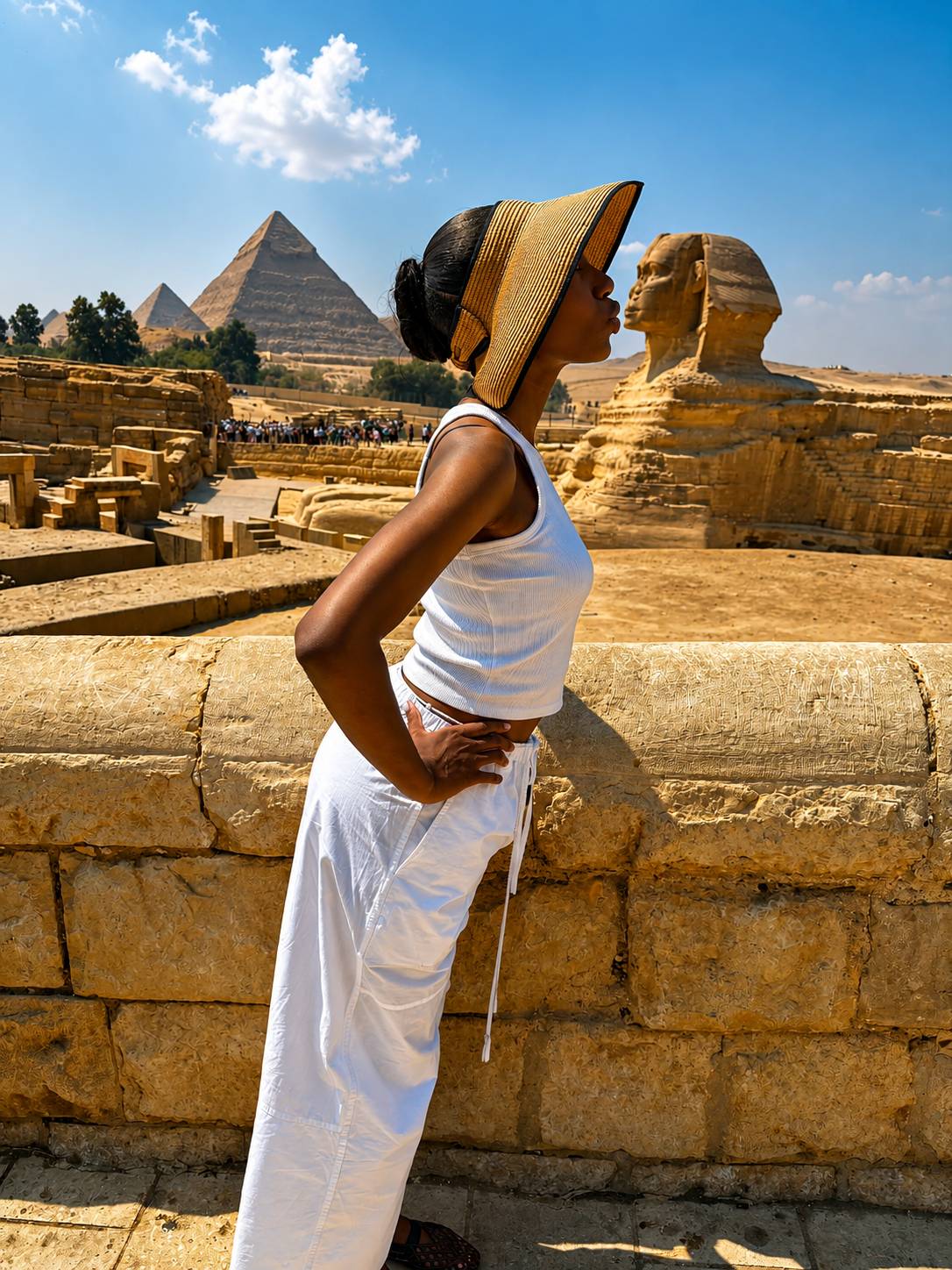
What to Pack for Egypt as a Solo Female Traveler: Complete Packing List (2026)
What to Pack for Egypt as a Solo Female Traveler
Planning a trip to Egypt is exciting, especially if you are traveling independently and looking forward to exploring ancient monuments, historic cities, traditional markets, and beautiful Red Sea beaches.
However, knowing what to pack can make a significant difference to your travel experience.
Egypt has different climates and environments depending on the season and destination. You may spend one day exploring the Giza Pyramids under the sun, another visiting ancient temples in Luxor, and another relaxing beside the Red Sea.
As a solo female traveler, you may also want to prepare a few additional essentials that make moving around, organizing your belongings, and managing your daily activities easier.
This guide provides a practical Egypt packing list for women, including clothing, travel documents, personal items, electronics, and destination-specific recommendations.
If this is your first independent trip, start with our complete guide to Solo Female Travel to Egypt.
1. Essential Travel Documents for Egypt
Before thinking about clothes and accessories, organize your important travel documents.
Keeping these items accessible can make airport procedures, hotel check-ins, and sightseeing arrangements easier.
Passport
Your passport is one of the most important items to bring.
Before departure:
-
Check its expiration date.
-
Review the passport validity requirements that apply to your nationality.
-
Keep it in a secure place.
-
Carry a digital copy separately.
-
Avoid leaving it unattended.
Visa and Entry Documents
Check the current Egyptian entry and visa requirements for your nationality before traveling.
Depending on your circumstances, you may need:
-
An Egyptian visa or e-Visa.
-
Supporting travel documents.
-
Accommodation information.
-
Return or onward travel details.
Use official Egyptian government channels to verify the requirements before departure.
Flight and Hotel Confirmations
Save copies of:
-
International flight tickets.
-
Domestic flight confirmations.
-
Hotel reservations.
-
Airport transfer details.
-
Tour booking confirmations.
-
Travel insurance documents.
Keep digital copies on your phone and consider having printed copies of particularly important documents.
Travel Insurance
Travel insurance is worth considering for an international trip.
Review the policy to understand whether it covers:
-
Medical emergencies.
-
Trip cancellation or interruption.
-
Lost or delayed luggage.
-
Travel delays.
-
Emergency assistance.
Check exclusions and coverage limits before purchasing.
2. Clothing to Pack for Egypt
Clothing is one of the most important parts of your Egypt packing list.
The best choices depend on the season, your itinerary, and the places you plan to visit.
Egypt is generally hot and sunny during much of the year, while winter evenings can be cooler, particularly in desert destinations and Upper Egypt.
Lightweight Tops
Pack breathable tops made from materials such as cotton or linen.
Useful options include:
-
Short-sleeved shirts.
-
Lightweight long-sleeved tops.
-
Breathable blouses.
-
Loose-fitting T-shirts.
Longer sleeves can provide additional sun protection during outdoor sightseeing.
Comfortable Trousers and Skirts
Loose-fitting trousers and longer skirts can be practical for sightseeing.
They are useful when walking around cities, visiting archaeological sites, and exploring traditional neighborhoods.
Lightweight Dresses
A few comfortable dresses can be useful for sightseeing, restaurants, and evenings.
Choose styles that are easy to walk in and suitable for your planned activities.
A Lightweight Scarf or Shawl
A scarf takes up very little space in your luggage and can be useful for several reasons:
-
Covering your shoulders when visiting religious sites.
-
Protecting your neck from the sun.
-
Adding warmth during cooler evenings.
-
Providing an extra layer when needed.
Comfortable Sleepwear and Underwear
Pack enough underwear and sleepwear for your trip, considering whether you will have access to laundry facilities.
Swimwear
If your itinerary includes Hurghada, Sharm El Sheikh, Dahab, or another beach destination, bring swimwear.
Beach resorts and swimming pools generally have different clothing expectations from traditional neighborhoods and religious sites.
Light Jacket or Cardigan
Evenings can be cooler during the winter months.
A lightweight jacket or cardigan can be useful, especially if you are visiting Cairo, Luxor, Aswan, or desert destinations.
For more detailed clothing recommendations, read our guide to What to Wear in Egypt as a Female Tourist.
3. Best Shoes to Pack for Egypt
Choosing the right footwear is essential because many Egyptian attractions involve walking on uneven ground, stone pathways, sand, and archaeological terrain.
Consider packing:
Comfortable Walking Shoes
A pair of supportive walking shoes is essential for sightseeing.
Choose shoes that you have already worn and know are comfortable.
Sandals
Comfortable sandals can be useful for hotels, restaurants, and relaxed outings.
Choose a pair that provides adequate support.
Beach Shoes
If you are planning snorkeling, boat trips, or beach activities, water-friendly footwear may be useful.
What Shoes Should You Avoid?
Avoid relying entirely on:
-
High heels for archaeological sites.
-
Brand-new shoes that may cause blisters.
-
Slippery footwear.
-
Shoes without adequate support for long walking days.
If you are visiting the pyramids, check our guide to What to Wear at the Pyramids of Giza.
4. Sun Protection Essentials
Egypt receives strong sunlight, especially during the warmer months.
If you are spending several hours outdoors, sun protection should be an important part of your packing list.
Bring:
-
Sunscreen with an appropriate SPF.
-
Sunglasses with UV protection.
-
A wide-brimmed hat or cap.
-
Lightweight clothing that covers exposed skin.
-
A reusable water bottle.
-
Lip balm with sun protection.
Apply sunscreen according to its instructions and reapply as needed.
A hat and sunglasses are particularly useful when visiting the Giza Pyramids, Karnak Temple, the Valley of the Kings, and other outdoor attractions.
5. Toiletries and Personal Care Items
You can find many personal care products in Egyptian pharmacies and supermarkets, but you may prefer bringing familiar products from home.
Consider packing:
-
Toothbrush and toothpaste.
-
Shampoo and conditioner.
-
Body wash.
-
Deodorant.
-
Hairbrush or comb.
-
Moisturizer.
-
Face cleanser.
-
Personal hygiene products.
-
Makeup and makeup remover, if needed.
-
Hair ties and clips.
-
Small travel towel, if useful.
Remember to follow airline restrictions for liquids in your carry-on luggage.
6. Health and Personal Care Essentials
A small personal travel kit can be useful during a busy sightseeing itinerary.
Consider bringing:
-
Your regular prescribed medication in its original packaging.
-
A copy of relevant prescriptions when appropriate.
-
Basic personal first-aid supplies.
-
Blister plasters.
-
Hand sanitizer.
-
Wet wipes.
-
Insect repellent if needed.
-
Any personal care products you regularly use.
Check whether any medication you plan to carry is subject to Egyptian import restrictions.
Do not pack prescription medication in unlabelled containers.
7. Electronics and Travel Technology
Your phone will probably be one of your most useful travel tools.
It can help with navigation, transportation, bookings, translation, communication, and photography.
Smartphone
Make sure your phone is unlocked if you plan to use a local SIM or eSIM.
Download important applications before departure.
Power Bank
A portable power bank is useful during long sightseeing days.
Your phone battery may drain quickly when using maps, taking photographs, and booking transportation.
Check airline rules for carrying power banks, including capacity limits and cabin baggage requirements.
Travel Adapter
Egypt commonly uses Type C and Type F electrical sockets with a nominal 220V supply at 50Hz.
Bring a compatible adapter and check that your electronic devices support the local voltage.
Charging Cables
Pack the charging cables you need for your phone, camera, tablet, and other devices.
Keeping an extra charging cable can be useful.
Camera
If you enjoy photography, bring your camera and any necessary accessories.
Remember to check attraction photography rules, especially where photography restrictions apply.
Headphones
Headphones can be useful during airport journeys, train travel, and long transfers.
8. Essential Apps to Download Before Visiting Egypt
A few mobile applications can make independent travel easier.
Consider downloading:
Google Maps
Useful for finding hotels, restaurants, attractions, and navigation routes.
Uber
A ride-hailing option in Cairo and other locations where service is available.
Careem
An additional transportation option where current coverage is available.
Google Translate
Helpful for translating Arabic phrases and communicating with local people.
Airline Applications
Useful for checking flight information, boarding passes, and schedule updates.
Travel Insurance Application
If your insurance provider offers one, it may help you access policy details and emergency assistance.
For more information about local transport services, read our guide to Best Transportation Apps in Egypt for Tourists.
9. What Should Solo Female Travelers Carry Every Day?
You do not need to carry your entire suitcase while sightseeing.
A small, comfortable day bag is usually enough for daily essentials.
Consider carrying:
-
Your phone.
-
Some cash.
-
A payment card.
-
Identification or a secure copy of important documents.
-
Sunglasses.
-
Sunscreen.
-
A small water bottle.
-
Tissues.
-
Hand sanitizer.
-
Power bank.
-
Hotel address.
-
Any personal medication you may need.
Choose a bag that closes securely and is comfortable to carry.
Keep your passport and larger amounts of cash in a secure place rather than carrying them unnecessarily during every sightseeing activity.
10. Packing for Different Destinations in Egypt
Your packing list should change depending on the destinations included in your itinerary.
Cairo and Giza
For Cairo and Giza, prioritize:
-
Comfortable walking shoes.
-
Breathable everyday clothing.
-
Sunglasses.
-
Sunscreen.
-
A hat.
-
A lightweight scarf.
-
A small day bag.
Outdoor sightseeing at the pyramids can involve considerable walking and exposure to sunlight.
Luxor
Luxor is known for its archaeological sites, many of which require walking outdoors.
Pack:
-
Supportive walking shoes.
-
Lightweight clothing.
-
Sun protection.
-
A reusable water bottle.
-
A small day bag.
A light layer can also be useful during cooler winter mornings and evenings.
Aswan
Aswan can be particularly hot during warmer months.
Consider bringing:
-
Breathable clothing.
-
Comfortable sandals.
-
Sun protection.
-
Sunglasses.
-
A lightweight scarf.
-
Swimwear if your accommodation offers suitable facilities.
Alexandria
For Alexandria, pack comfortable city clothing and a light jacket, particularly during cooler or windy periods.
Comfortable walking shoes are useful for visiting the Corniche and historical attractions.
Hurghada and Sharm El Sheikh
For Red Sea destinations, include:
-
Swimwear.
-
Beach sandals.
-
Sunglasses.
-
Sunscreen.
-
A beach cover-up.
-
A reusable water bottle.
-
Water-friendly footwear for suitable activities.
If you plan to snorkel or dive, check what equipment your activity provider supplies before packing specialist gear.
Dahab
Dahab is popular for beach activities, snorkeling, and diving.
Pack comfortable casual clothing, swimwear, sandals, sun protection, and any personal diving equipment you prefer to use.
Siwa Oasis
Siwa involves desert scenery and outdoor activities.
Useful items include:
-
Comfortable closed shoes.
-
Lightweight long-sleeved clothing.
-
Sun protection.
-
A hat.
-
A scarf.
-
A small backpack.
-
A warm layer for cooler evenings, depending on the season.
11. What to Pack for Egypt in Summer
Summer in Egypt can be extremely hot, particularly in Cairo, Luxor, and Aswan.
If you are visiting between June and September, consider packing:
-
Lightweight cotton or linen clothing.
-
Loose-fitting trousers.
-
Breathable tops.
-
A wide-brimmed hat.
-
Sunglasses.
-
Sunscreen.
-
Comfortable walking shoes.
-
A reusable water bottle.
-
A lightweight scarf.
Try to schedule outdoor sightseeing during cooler parts of the day when possible.
12. What to Pack for Egypt in Winter
Winter is generally milder than summer, but temperatures can vary between destinations and between daytime and nighttime.
If you are visiting between December and February, consider packing:
-
Long-sleeved tops.
-
Comfortable trousers.
-
A light jacket.
-
A cardigan or sweater.
-
Comfortable closed shoes.
-
A scarf.
-
Sunglasses.
-
Lightweight clothing for warmer afternoons.
Cairo evenings can feel cooler than daytime temperatures, while Luxor and Aswan may have pleasant daytime weather and cooler nights.
13. What Not to Pack for Egypt
Packing efficiently is just as important as bringing the right items.
You may not need:
-
Excessive heavy clothing during summer.
-
Multiple pairs of high heels.
-
Large amounts of unnecessary jewelry.
-
Expensive accessories for everyday sightseeing.
-
Too many toiletries that are readily available locally.
-
Heavy beach equipment if your hotel or activity provider supplies it.
Avoid packing items that may be restricted by airline regulations or Egyptian customs requirements.
Check current official regulations before carrying restricted or regulated items.
14. How to Pack Safely When Traveling Alone
Organizing your luggage can make independent travel easier.
Keep Important Items Separate
Do not store all your essential documents, payment cards, and money in one place.
Use a Secure Day Bag
Choose a bag that closes properly and is comfortable for long sightseeing days.
Keep Digital Copies
Store copies of important travel documents in a secure digital location.
Avoid Carrying Everything
Take only the items you need for the day's activities.
Organize Your Luggage
Packing cubes or small organizers can help separate clothing, toiletries, electronics, and personal items.
Keep Your Phone Accessible
Your phone is useful for maps, bookings, and communication. Keep it secure and charged.
15. Complete Egypt Packing Checklist for Female Travelers
Use this checklist when preparing your luggage.
Travel Documents
-
Passport.
-
Visa or entry documents, if required.
-
Flight confirmations.
-
Hotel reservations.
-
Travel insurance information.
-
Tour booking confirmations.
-
Copies of important documents.
Clothing
-
Lightweight tops.
-
Comfortable trousers.
-
Skirts or dresses.
-
Underwear.
-
Sleepwear.
-
Scarf or shawl.
-
Light jacket or cardigan.
-
Swimwear.
-
Beach cover-up.
Shoes
-
Comfortable walking shoes.
-
Sandals.
-
Beach or water shoes, if needed.
Sun Protection
-
Sunscreen.
-
Sunglasses.
-
Hat or cap.
-
Lip balm with sun protection.
Toiletries
-
Toothbrush and toothpaste.
-
Shampoo and conditioner.
-
Deodorant.
-
Moisturizer.
-
Hairbrush.
-
Personal hygiene products.
-
Hand sanitizer.
-
Wet wipes.
Health Essentials
-
Personal medication.
-
Prescriptions where appropriate.
-
Basic first-aid supplies.
-
Blister plasters.
-
Insect repellent if needed.
Electronics
-
Smartphone.
-
Power bank.
-
Charging cables.
-
Travel adapter.
-
Camera, if needed.
-
Headphones.
Daily Bag
-
Phone.
-
Cash.
-
Payment card.
-
Sunglasses.
-
Sunscreen.
-
Water bottle.
-
Tissues.
-
Hotel address.
-
Power bank.
Frequently Asked Questions
What should a woman pack for a trip to Egypt?
Women visiting Egypt should pack comfortable clothing, walking shoes, sun protection, personal toiletries, travel documents, electronics, and any personal medication they need. The exact list depends on the season and destinations.
Do female tourists need to dress modestly in Egypt?
Modest clothing can be appropriate when visiting traditional neighborhoods and religious sites. However, clothing expectations differ between cities, tourist attractions, and beach resorts. There is no single dress code for every destination.
Can I wear shorts in Egypt?
Shorts are commonly worn in hotels, beach resorts, and some tourist environments. For religious sites and more traditional settings, longer and more modest clothing may be more appropriate.
Should I bring sunscreen to Egypt?
Yes. Sunscreen is an important item, especially if you plan to visit outdoor attractions such as the Giza Pyramids, Luxor temples, or desert locations.
Do I need a travel adapter in Egypt?
You may need an adapter depending on the plug types used by your devices. Egypt commonly uses Type C and Type F sockets with a nominal 220V supply.
Can I buy toiletries in Egypt?
Yes. Many common personal care products are available in Egyptian pharmacies and supermarkets. However, you may prefer bringing specific products you regularly use.
What shoes are best for visiting the Pyramids of Giza?
Comfortable walking shoes with good grip are recommended because the site includes uneven ground, sand, and rocky surfaces.
Should I bring cash to Egypt?
It is useful to carry some Egyptian pounds for small purchases and situations where card payment is unavailable. Keep your money secure and use authorized exchange services.
Is a power bank necessary when traveling around Egypt?
A power bank is useful for long sightseeing days, especially when you use navigation, transportation applications, and your camera frequently.
What should I pack for Egypt in December?
Pack comfortable daytime clothing, long-sleeved tops, trousers, a light jacket, and a warmer layer for cooler evenings. Conditions vary between Cairo, Upper Egypt, and coastal destinations.
Final Thoughts: Pack Smart and Enjoy Your Egypt Adventure
Preparing the right luggage can make your trip to Egypt easier, more comfortable, and more enjoyable.
Focus on lightweight clothing, comfortable footwear, sun protection, important documents, and the technology you need for navigation and communication.
Your packing list should reflect your actual itinerary. A woman exploring Cairo and Luxor will need different items from someone spending most of her holiday at a Red Sea resort.
You do not need to bring everything from home. Pack the essentials, leave some space for souvenirs, and prepare for the destinations you plan to visit.
Plan Your Egypt Trip with Local Travel Support
Whether you are visiting the Giza Pyramids, discovering the temples of Luxor, exploring Aswan, or relaxing beside the Red Sea, organizing your transportation and sightseeing in advance can make your trip easier.
Let's Explore Egypt Travel offers private sightseeing tours, transportation services, and customized Egypt travel experiences.
Explore our Egypt Tour Packages or contact our team to discuss a travel itinerary that suits your dates and interests.
Prepare your luggage, plan your adventure, and discover Egypt at your own pace.