


Solo Female Travel in Rosetta
Solo Female Travel in Rosetta (Rashid): Safety, Tips & Things to Do (2026)
SEO Title: Solo Female Travel in Rosetta Egypt: Safety, Tips & Things to Do (2026)
Suggested URL: /en/solo-female-travel-rosetta-rashid
Focus Keyword: Solo Female Travel in Rosetta
Secondary Keywords: Rosetta Egypt travel, Rashid Egypt travel guide, Rosetta Stone Egypt, things to do in Rosetta, Rosetta historic houses, Qaitbay Citadel Rashid
Meta Description: Planning solo female travel in Rosetta, Egypt? Discover Ottoman houses, Qaitbay Citadel, the Rosetta Museum, Nile scenery, local markets and practical travel tips.
Introduction: Discover Rosetta (Rashid), Egypt
Rosetta, also known as Rashid, is one of Egypt's most fascinating historic towns. Located in Beheira Governorate in the Nile Delta, near the Mediterranean coast, it is famous worldwide for the discovery of the Rosetta Stone in 1799.
While many travellers visit Cairo, Luxor and Alexandria, Rosetta offers a different experience: narrow historic streets, beautiful Ottoman-era houses, traditional architecture, old mosques and the scenery of the Nile Delta.
For solo female travellers interested in history, architecture and authentic Egyptian culture, Rashid is an excellent destination to consider.
The town is particularly attractive to travellers who prefer exploring beyond the country's busiest tourist attractions. However, it has fewer large-scale tourist facilities than destinations such as Cairo and Alexandria, so arranging transportation and checking attraction access in advance is important.
For more destination ideas, explore our complete guide to Solo Female Travel in Egypt.
Is Rosetta Suitable for Solo Female Travelers?
Rosetta is a traditional Egyptian town with a strong connection to local culture, fishing, trade and architectural heritage.
It is not a large international resort destination. Instead, its main attractions are historical buildings, traditional streets, religious monuments and the surrounding Nile landscape.
Solo female travellers can enjoy exploring the town, but a little preparation makes the experience easier.
Here are some practical recommendations:
-
Choose accommodation with recent guest reviews and reliable reception arrangements.
-
Arrange transportation from Alexandria or your hotel in advance.
-
Consider hiring a local guide familiar with Rosetta's historic buildings.
-
Wear comfortable shoes for walking through narrow streets.
-
Dress respectfully when visiting mosques and traditional neighbourhoods.
-
Avoid isolated streets and unfamiliar areas late at night.
-
Keep your phone charged and save your accommodation details.
-
Share your itinerary with someone you trust.
No destination can guarantee personal safety. Before travelling, review your government's latest Egypt travel advice.
The UK Foreign, Commonwealth & Development Office Egypt travel guidance includes information about security, transport and precautions for women travelling alone. It recommends particular care when travelling alone at night and using taxis.
Best Things to Do in Rosetta Alone
1. Explore Rosetta's Historic Ottoman Houses
One of the most remarkable features of Rosetta is its collection of historic Ottoman-era houses.
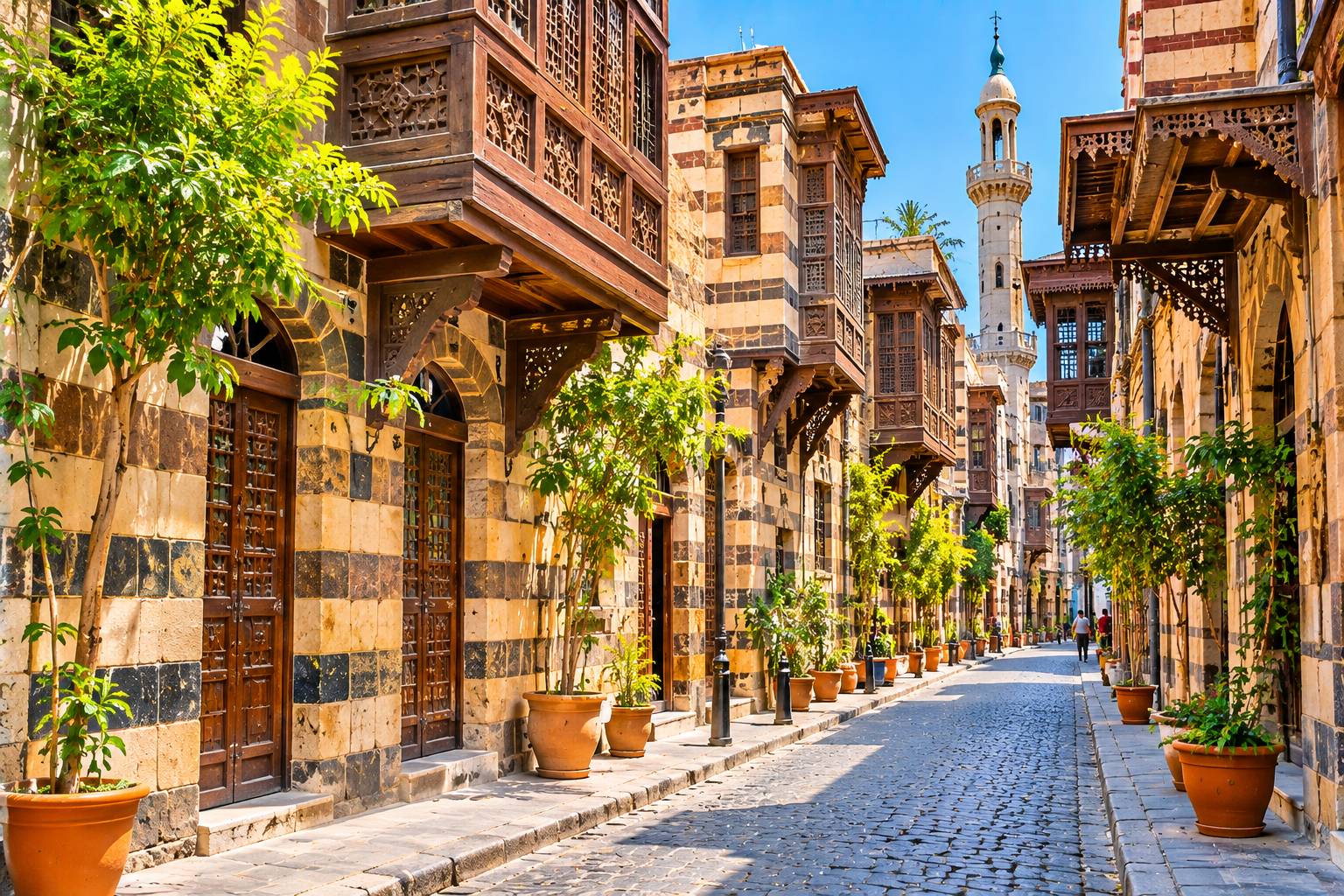
The town preserves distinctive buildings dating mainly from the 18th and 19th centuries. Many feature traditional red, black and white brickwork, wooden mashrabiyas, decorative windows and beautifully designed interiors.
These houses reflect Rosetta's importance as a prosperous trading town during the Ottoman period.
Some of the most notable buildings include:
-
Al-Amasili House.
-
Ramadan House.
-
Al-Mezuni House.
-
Al-Alwan House.
-
Al-Qanadili House.
Walking through the historic streets is one of the best ways to appreciate the town's architectural identity.
Solo travel tip: Consider a local heritage guide who can explain the history and architectural details of the houses. Confirm which buildings are open to visitors, as restoration and access arrangements may change.
Read more about Rosetta's historic architecture through UNESCO's description of the historic quarters and monuments of Rosetta.
2. Visit Qaitbay Citadel of Rosetta
Qaitbay Citadel, also known as Fort Julien, is one of Rosetta's most important historical landmarks.
The fort was built during the Mamluk period to help protect Egypt's Mediterranean coastline. It became internationally famous because the Rosetta Stone was discovered there by members of the French expedition in 1799.
The discovery was a turning point in the study of ancient Egyptian writing.
The stone contains inscriptions in three scripts: Egyptian hieroglyphs, Demotic and Ancient Greek. Its study eventually helped scholars decipher Egyptian hieroglyphics.
The original Rosetta Stone is now displayed at the British Museum in London, rather than in Egypt.
Qaitbay Citadel is located approximately seven kilometres from the town centre, so arrange transportation before visiting.
Solo travel tip: Check current opening times, entrance arrangements and photography rules before your trip.
Visitor information: Beheira Governorate – Qaitbay Citadel in Rosetta.
3. Discover the Rosetta National Museum
The Rosetta National Museum is housed in the historic Arab Killy House, an important Ottoman-era residence.
The museum tells the story of Rosetta through archaeological objects, historical documents, manuscripts and displays connected with local traditions and the town's resistance to the British-led Fraser Campaign in 1807.
The building itself is worth learning about because it illustrates the architectural character of historic Rosetta.
Important visitor information: The museum underwent a major restoration and development programme after closing to the public in 2021. A June 2026 report described restoration work and plans to improve the visitor experience. Do not assume it is currently open without checking directly before your visit.
Useful resources:
4. Visit Abu Shahin Mill
Abu Shahin Mill is one of Rosetta's distinctive historic landmarks.
The old mill reflects the town's traditional commercial and agricultural history. It is particularly interesting to visitors who want to understand how daily life and local production operated before modern machinery.
The structure is part of Rosetta's wider Ottoman-era heritage district.
Check visitor access before making a special journey, especially while conservation and development work continues.
5. Admire Zaghloul Mosque
Zaghloul Mosque is one of the most important historical mosques in Rosetta.
Its architecture reflects the town's religious and cultural heritage, and it is recognised as one of the city's oldest and largest mosques.
The mosque is a meaningful stop for visitors interested in Islamic architecture.
Solo travel tip: Remember that this is a religious site. Wear modest clothing, observe prayer times and ask about visitor access before entering. Respect any restrictions on photography.
6. Explore Rosetta's Traditional Streets and Markets
The historic streets of Rosetta offer an opportunity to experience everyday Egyptian life.
You can discover traditional houses, local shops, small markets and buildings that preserve the town's distinctive architectural character.
Take time to notice the decorative brick façades, wooden windows and narrow streets.
Local markets may offer:
-
Traditional food products.
-
Household goods.
-
Clothing.
-
Local handicrafts.
-
Seasonal produce.
When shopping, ask about prices before purchasing and keep your belongings secure in busy areas.
7. Discover the Meeting of the Nile and Mediterranean Sea
One of Rosetta's most interesting geographical features is its location near the mouth of the Rosetta branch of the Nile.
The wider area around Burj Rashid offers landscapes shaped by the river, fishing activity and the Mediterranean coastline.
It is a fascinating place for travellers interested in nature, photography and the geography of the Nile Delta.
Access to the river mouth and surrounding coastal areas can vary, so arrange transport with a knowledgeable local provider.
Solo travel tip: Do not visit isolated riverbank or coastal locations without confirming access and arranging a reliable return journey.
8. Visit Rosetta Lighthouse
Rosetta Lighthouse is another historic landmark associated with the town's maritime heritage.
It reflects Rosetta's former importance as a trading and coastal settlement.
The wider area is also interesting for understanding the relationship between the Nile, fishing communities and Mediterranean shipping.
Check the exact visitor access arrangements before planning a visit, as not every historic structure is open for interior tours.
9. Enjoy Fresh Fish and Local Egyptian Food
Rosetta's location near the Nile and Mediterranean has a strong influence on its food culture.
Seafood is one of the most appealing culinary experiences for visitors.
Look for established local restaurants serving:
-
Grilled fish.
-
Fried fish.
-
Shrimp.
-
Rice with fish.
-
Traditional Egyptian salads.
-
Fresh bread.
You can also try Egyptian favourites such as feteer, ful medames and seasonal local dishes.
For a comfortable solo dining experience, choose a restaurant with a welcoming atmosphere, check prices before ordering and arrange your return transport if necessary.
10. Enjoy a Relaxed Walk Beside the Nile
The Nile is an important part of Rosetta's character.
Spending time near the river allows you to appreciate the agricultural landscape, fishing activity and traditional river life of the Delta.
A walk during the cooler part of the day can be a pleasant way to finish your sightseeing.
Choose accessible public areas and follow local instructions, particularly near working fishing and river facilities.
Where to Stay in Rosetta as a Solo Female Traveler
Rosetta has fewer international hotel options than Alexandria or Cairo.
For some visitors, staying in Alexandria and arranging a day trip to Rosetta may be more convenient.
If you prefer staying locally, consider accommodation with:
-
A staffed reception.
-
Recent and credible guest reviews.
-
Secure room access.
-
Clear check-in arrangements.
-
Assistance with transportation.
-
Restaurants or shops nearby.
Before booking, confirm the exact location and available services.
If your main interest is the historic town, choose accommodation that makes it convenient to arrange transport to the heritage district.
Getting Around Rosetta Alone
Transportation is an important consideration because some attractions are inside the historic town while others are outside the centre.
Walking
Walking is a good way to explore the historic streets and admire the old houses.
Wear comfortable shoes because some lanes may be narrow, uneven or busy.
Local Taxis
Taxis and local transport may be useful for short journeys. Confirm the fare before starting and make sure your destination is understood.
Private Transportation
For a more organised visit, a private vehicle with a professional driver can be useful.
It is particularly helpful if you are arriving from Alexandria or want to combine the historic town with Qaitbay Citadel and the surrounding river area.
Guided Heritage Tours
A local guide can make your visit more informative by explaining the town's Ottoman architecture, history and connection to the Rosetta Stone.
For solo visitors, an organised private excursion can also simplify transportation and timing.
What Should Women Wear in Rosetta?
Rosetta is a traditional town rather than a beach resort.
Comfortable, modest clothing is a practical choice when exploring markets, historic streets and religious monuments.
Consider packing:
-
Lightweight trousers.
-
Comfortable long skirts or dresses.
-
Breathable tops.
-
A light scarf or cover-up.
-
Comfortable walking shoes.
-
Sunglasses and a sun hat.
-
A light jacket for cooler weather.
When visiting mosques, wear clothing that covers your shoulders and knees and follow the site's visitor requirements.
Best Time to Visit Rosetta
Rosetta has a Mediterranean-influenced climate, with hot summers and generally milder winters than many inland Egyptian destinations.
March to May: A good period for walking through the historic town and exploring outdoor attractions.
June to August: Warmer weather and busier summer travel periods. Plan sightseeing early or later in the day.
September to November: Often a comfortable period for exploring the town and enjoying the river scenery.
December to February: Cooler temperatures can make walking pleasant, but evenings may be windy or chilly.
Spring and autumn are useful seasons to consider if your main priority is cultural sightseeing rather than a beach holiday.
Suggested 1-Day Rosetta Itinerary for Solo Female Travelers
Rosetta can be explored as a day trip from Alexandria.
Morning: Discover the Historic Town
-
Travel from Alexandria to Rosetta.
-
Explore the historic streets and traditional Ottoman houses.
-
Visit Al-Amasili House, subject to access.
-
See other restored historic buildings.
-
Visit Zaghloul Mosque if visitor access is available.
Midday: Discover Rosetta's History
-
Visit the Rosetta National Museum if it has reopened and confirmed visitor access.
-
Explore the heritage district.
-
Learn about the discovery of the Rosetta Stone.
-
Enjoy lunch at an established local restaurant.
Afternoon: Qaitbay Citadel and the Nile
-
Travel to Qaitbay Citadel.
-
Explore the fort if open.
-
Visit an accessible viewpoint near the Rosetta branch of the Nile.
-
Enjoy the surrounding scenery.
-
Return to Alexandria.
This is a suggested itinerary. Confirm opening arrangements and transport before departure, particularly for the museum and heritage buildings undergoing restoration.
Can You Visit Rosetta from Alexandria?
Yes. Rosetta is a convenient historical excursion from Alexandria.
The journey is often approximately an hour by road, depending on the pickup location and traffic.
A day trip can include the historic Ottoman houses, Qaitbay Citadel, the museum if open and the surrounding Nile scenery.
You can explore our Rosetta Day Trip from Alexandria page for more information.
A private vehicle can make the journey easier, especially if you want to visit several historical locations in one day.
What to Pack for Rosetta
Useful items include:
-
Comfortable walking shoes.
-
Lightweight clothing.
-
Sunscreen.
-
Sunglasses.
-
A hat.
-
A reusable water bottle.
-
A portable phone charger.
-
A small secure day bag.
-
Cash for small purchases.
-
Copies of important travel documents.
-
Any personal medication you need.
If you are visiting historic buildings and religious sites, pack clothing suitable for those environments.
Is Rosetta Better Than Alexandria for Solo Female Travel?
Rosetta and Alexandria offer very different experiences.
Rosetta is ideal for travellers interested in Ottoman architecture, traditional houses, local heritage and the history of the Rosetta Stone.
Alexandria offers a larger selection of hotels, restaurants, museums, cultural attractions and transport options.
For a first visit to Egypt, Alexandria may be easier to organise independently. Rosetta is especially rewarding for visitors who want to explore a quieter historic town.
You can combine both destinations in one itinerary and use Alexandria as your accommodation base.
Frequently Asked Questions
Is Rosetta safe for solo female travelers?
Rosetta can be explored with sensible preparation. Choose suitable accommodation, arrange reliable transportation, stay aware of your surroundings and check current official travel advice.
What is Rosetta famous for?
Rosetta is famous for the discovery of the Rosetta Stone in 1799, its Ottoman-era houses, historic mosques and Qaitbay Citadel.
Where was the Rosetta Stone discovered?
The Rosetta Stone was discovered in 1799 at Fort Julien, now known as Qaitbay Citadel of Rosetta, during the French expedition in Egypt.
Is the original Rosetta Stone in Egypt?
No. The original Rosetta Stone is displayed at the British Museum in London. Rosetta's historical museum has been associated with a replica and displays relating to the town's history.
How many days should I spend in Rosetta?
One full day can introduce you to the main historic attractions. A longer stay is worthwhile if you want to explore the surrounding countryside and Nile Delta more slowly.
Can I visit Rosetta from Alexandria?
Yes. Rosetta is commonly visited as a day trip from Alexandria. A private vehicle can make it easier to explore several sites.
Is Rosetta National Museum open?
The museum underwent restoration and development work after closing to the public in 2021. Reports in 2026 described the restoration programme. Check directly with the relevant authorities before planning your visit.
What are the most important historical attractions in Rosetta?
Some of the best-known attractions include Qaitbay Citadel, Al-Amasili House, Rosetta National Museum, Abu Shahin Mill, Zaghloul Mosque and the historic Ottoman streets.
Is Rosetta worth visiting?
Yes. It is particularly worthwhile for travellers interested in Islamic architecture, Ottoman history, Egyptian heritage and the story behind the Rosetta Stone.
Final Thoughts: Discover the Historic Charm of Rosetta
Rosetta is one of Egypt's most fascinating heritage destinations.
Its historic houses, traditional streets, religious architecture and connection to the discovery of the Rosetta Stone give it a special place in Egyptian history.
For solo female travellers, the best approach is to plan ahead, choose reliable transportation, check attraction access and allow enough time to explore the town without rushing.
Whether you are admiring the Ottoman houses, discovering Qaitbay Citadel or enjoying the scenery of the Nile Delta, Rosetta offers an authentic cultural experience beyond Egypt's usual tourist route.
Continue exploring Egypt: Read our complete guide to Solo Female Travel in Egypt for more destination guides and practical travel advice.