


Solo Female Travel in Wadi El Natrun
Solo Female Travel in Wadi El Natrun, Egypt: Safety, Tips & Things to Do (2026)
Introduction: Discover Wadi El Natrun, Egypt
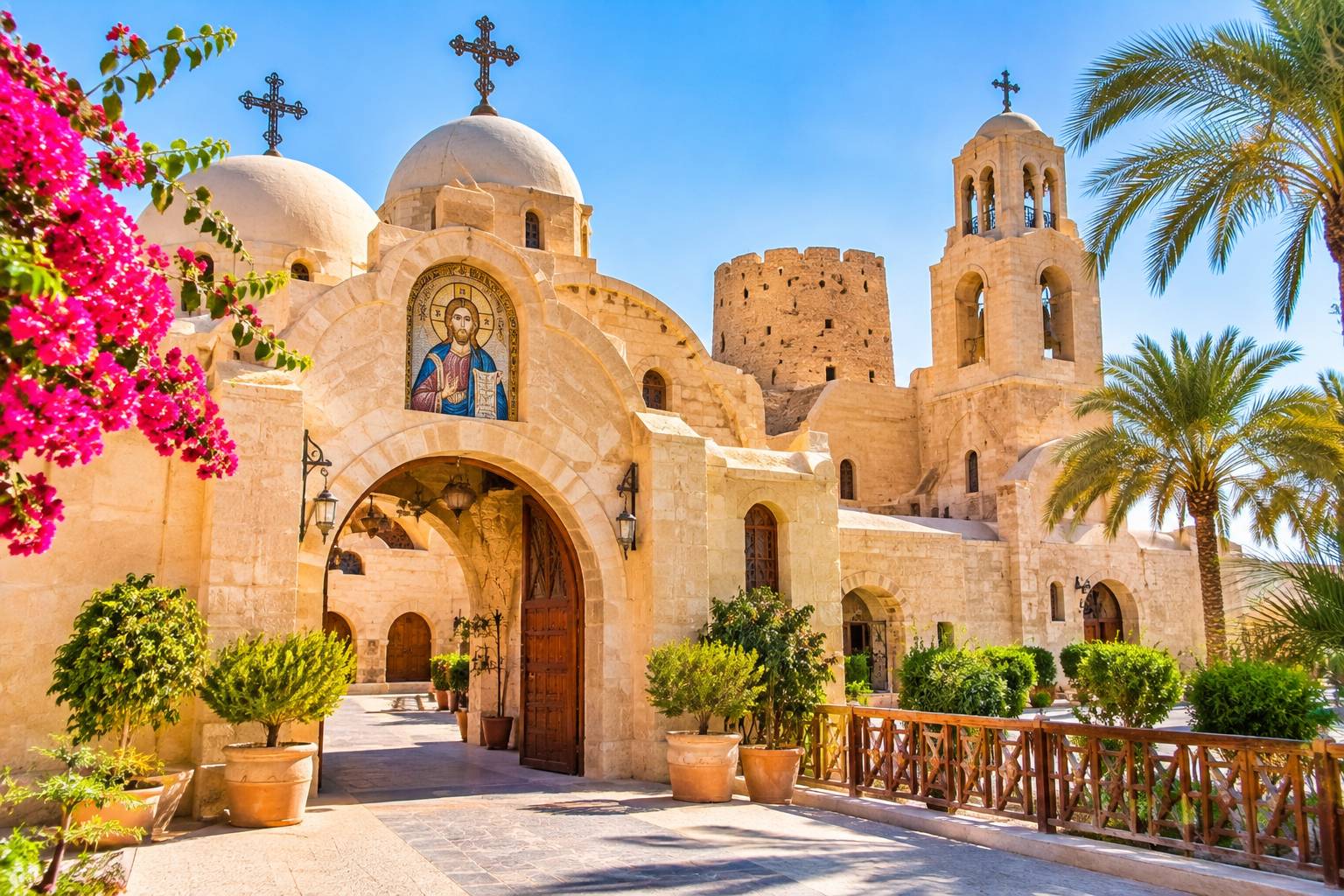
Wadi El Natrun is one of Egypt's most important religious and historical destinations. Located in Beheira Governorate between Cairo and Alexandria, this remarkable desert valley is internationally recognised for its ancient Coptic monasteries and its role in the development of Christian monasticism.
For more than 1,500 years, monks have lived and worshipped in this peaceful desert region. Its monasteries preserve beautiful churches, historic manuscripts, religious artwork, fortified buildings and centuries-old traditions.
Unlike Egypt's famous archaeological destinations, Wadi El Natrun offers a different kind of cultural journey. You can explore the history of early Christianity, admire Coptic architecture, discover traditional religious communities and experience the quiet atmosphere of the desert.
For solo female travellers interested in religious heritage, architecture, history and cultural tourism, Wadi El Natrun is an excellent destination to consider.
It is also conveniently located between Cairo and Alexandria, making it suitable for a day trip or a stop during a wider journey.
If you are planning more independent travel around Egypt, explore our complete guide to Solo Female Travel in Egypt.
Is Wadi El Natrun Suitable for Solo Female Travelers?
Wadi El Natrun is not a conventional tourist resort. It is primarily known for its religious heritage and the monasteries that continue to function as active spiritual communities.
The main attractions are spread across the valley, so organising transportation in advance is recommended.
For solo female travellers, visiting with a reputable local guide or private driver can make the experience more comfortable, especially when visiting several monasteries in one day.
Practical recommendations:
-
Arrange transportation through a reputable provider.
-
Confirm which monasteries are receiving visitors on your chosen date.
-
Dress modestly when entering religious buildings.
-
Carry a light scarf for church visits.
-
Respect prayer services and the privacy of the monks.
-
Ask permission before taking photographs.
-
Keep your phone charged and save your driver's contact details.
-
Share your itinerary with someone you trust.
-
Avoid entering restricted monastic areas.
-
Check current official travel advice before departure.
The monasteries are living religious communities, not ordinary museums. Visitor access, photography arrangements and opening times can differ between locations.
For general travel information, consult the UK Foreign, Commonwealth & Development Office Egypt travel advice.
Best Things to Do in Wadi El Natrun Alone
1. Visit the Monastery of Saint Bishoy
The Monastery of Saint Bishoy, also known as Deir Anba Bishoy, is one of the most important monasteries in Wadi El Natrun.
It is associated with Saint Bishoy, one of the prominent figures in early Egyptian monastic history.
The monastery has a long history dating back to the early centuries of Christianity. Its complex includes churches, monastic buildings, defensive architecture and peaceful courtyards.
One of its distinctive features is its fortified structure, which reflects the need to protect the monastic community during periods of insecurity.
Important features include:
-
Historic churches.
-
Monastic courtyards.
-
Traditional architectural details.
-
Religious icons and artwork.
-
The monastery's historic defensive tower.
-
The Well of the Martyrs.
The monastery is particularly meaningful for visitors interested in the development of Coptic Christianity and the history of desert monasticism.
Solo travel tip: Respect the monastery's daily religious activities and ask which areas are accessible to visitors. Some spaces are reserved for monks and religious services.
Official website: St. Bishoy Monastery.
2. Explore the Syrian Monastery (Deir El-Surian)
The Syrian Monastery is one of the most famous religious landmarks in Wadi El Natrun.
Its foundations date back to the early centuries of monastic life, although it became particularly associated with Syrian monks who settled there in 984 AD.
The monastery is internationally recognised for its remarkable Coptic architecture, religious artwork and historic manuscript collections.
One of its most interesting features is the Church of the Virgin Mary, which dates to 645 AD.
The church contains important wall paintings and frescoes representing religious scenes and figures.
The monastery also has a long history of preserving Syriac manuscripts, some of which are now held in major international libraries.
Other buildings include:
-
The Church of the Virgin Mary.
-
The Cave of the Virgin Mary.
-
The Church of Archangel Michael.
-
Historic monastic cells.
-
A defensive fortress.
Solo travel tip: Do not assume photography is permitted inside the churches. Ask the monks or visitor attendants before using your camera.
Official information: Egyptian Ministry of Tourism and Antiquities – Monastery of the Syrians.
3. Discover Saint Macarius Monastery (Deir Abu Maqar)
The Monastery of Saint Macarius is one of the most important spiritual centres in Wadi El Natrun.
It is associated with Saint Macarius the Great, one of the most influential early Christian desert fathers.
The monastery developed from the fourth century onwards and became an important centre of Coptic monastic life.
Its history includes periods of expansion, restoration and protection during difficult historical periods.
The complex contains several churches and important religious treasures.
Highlights include:
-
The Church of Saint Macarius.
-
Ancient wall paintings.
-
Historic religious icons.
-
Monastic buildings.
-
Ancient defensive architecture.
-
Important religious relics.
The monastery is particularly interesting because of its role in preserving the spiritual traditions of Egyptian Christianity.
Solo travel tip: Access arrangements can differ from those at other monasteries. Contact the monastery or arrange confirmation through an experienced tour operator before including it in your itinerary.
4. Visit the Monastery of El-Baramous
The Monastery of El-Baramous, also called the Monastery of the Romans or Paromeos Monastery, is another important centre of Christian monasticism in Wadi El Natrun.
Its name is traditionally connected with two Roman brothers who came to the desert to live a life of prayer and spiritual retreat.
The monastery is known for its traditional architecture, historic churches and quiet atmosphere.
It contains important religious buildings and architectural features reflecting centuries of monastic development.
A visit can offer a different perspective from the better-known Syrian and Saint Bishoy monasteries.
Solo travel tip: Confirm visitor access and opening arrangements in advance. Respect areas reserved for the resident monastic community.
The Beheira Governorate identifies El-Baramous among the four surviving historic monasteries of Wadi El Natrun.
Official reference: Beheira Governorate – Wadi El Natrun.
5. Discover the History of Early Christian Monasticism
Wadi El Natrun played a major role in the development of Christian monastic life.
During the early centuries of Christianity, monks and hermits came to the region to live in isolation, prayer and contemplation.
Over time, individual hermitages developed into organised monastic communities.
The valley became one of the most important centres of Christian monasticism in the ancient world.
Learning about this development helps visitors understand why Wadi El Natrun is so significant to Coptic history.
Its monastic traditions influenced religious communities far beyond Egypt.
For travellers interested in religious heritage, the valley offers an experience that is very different from visiting ordinary historical monuments.
Further reading: UNESCO – Monasteries of the Arab Desert and Wadi Natrun.
Note: This property is on UNESCO's Tentative List; it should not be described as an officially inscribed UNESCO World Heritage Site.
6. Explore the Historic Monastic Fortresses
One of the distinctive architectural features of the Wadi El Natrun monasteries is their defensive fortifications.
Historically, the monasteries sometimes faced attacks and periods of insecurity.
As a result, defensive towers and fortified buildings became important parts of their architecture.
These structures were designed to protect monks and preserve food, water and other essential supplies during difficult periods.
The monastery of Saint Bishoy and the Syrian Monastery are particularly interesting for visitors who want to understand this defensive architecture.
Some of the old towers contained storage areas, water supplies and religious spaces.
Solo travel tip: Only enter buildings and towers that are explicitly open to visitors. Follow the guidance of the monastery staff.
7. Discover the Monastic Churches and Coptic Artwork
The churches of Wadi El Natrun preserve important examples of Coptic religious art.
Depending on which monasteries are accessible, you may see:
-
Religious icons.
-
Wall paintings.
-
Decorative domes.
-
Traditional wooden doors.
-
Carved architectural details.
-
Historic altars.
-
Religious inscriptions.
The artistic traditions of the monasteries developed over many centuries, combining ancient Egyptian, Byzantine and later Coptic influences.
The Syrian Monastery is particularly famous for its historic frescoes.
For visitors interested in religious art, it is worth taking time to appreciate the details rather than rushing between monasteries.
8. Explore the Wadi El Natrun Salt Lakes
The valley is also known for its natural salt lakes.
The name Wadi El Natrun refers to the presence of natron, a naturally occurring mixture of sodium salts historically used in ancient Egyptian mummification and other activities.
The area contains saline lakes and marshland habitats that are important for local wildlife and migratory birds.
The landscapes create an interesting contrast with the green palm groves and monastic settlements.
Depending on seasonal conditions and access arrangements, visitors may enjoy:
-
Nature photography.
-
Landscape observation.
-
Birdwatching.
-
Learning about salt production.
-
Exploring approved viewpoints.
Solo travel tip: Visit only accessible public areas and arrange transport in advance. Do not assume that every lake or wetland area is open for recreation or swimming.
Official destination information: Experience Egypt – Wadi El Natrun Marshlands.
9. Enjoy Birdwatching and Nature Photography
Wadi El Natrun is not only a religious destination. Its wetlands and saline lakes also provide habitats for birds and other wildlife.
Migratory birds use the wetlands during their seasonal journeys, making the area interesting for nature enthusiasts.
A quiet visit to suitable observation areas may offer opportunities to photograph:
-
Waterbirds.
-
Shorebirds.
-
Wetland vegetation.
-
Palm groves.
-
Saltwater landscapes.
-
Desert scenery.
The exact wildlife visible depends on the season and environmental conditions.
For birdwatching, consider visiting with someone familiar with the local wetlands and permitted access points.
10. Learn About Natron and Ancient Egyptian Mummification
Natron has an important place in ancient Egyptian history.
It was used during the mummification process because of its drying properties.
The natural deposits around Wadi El Natrun contributed to the region's historical importance long before the development of its Christian monasteries.
Learning about natron provides an interesting connection between ancient Egyptian funerary traditions and the later religious history of the valley.
It is one of the reasons this destination offers a more varied historical experience than a monastery visit alone.
11. Discover the New Archaeological Discovery of 2026
Wadi El Natrun continues to reveal important archaeological information.
On 24 March 2026, Egypt's State Information Service reported the discovery of an early monastic complex by a joint Egyptian mission from the Supreme Council of Antiquities and Cairo University.
The complex dates from the fourth to sixth centuries AD and covers approximately 2,000 square metres.
Archaeologists identified:
-
A central courtyard.
-
Monks' cells.
-
Service areas.
-
Burial locations.
-
Decorated plaster walls.
-
Crosses and plant motifs.
-
Coptic inscriptions.
The discovery offers new evidence about the development of early organised monastic communities in Egypt.
Visitor note: This is an archaeological discovery, not automatically a visitor attraction. Do not plan to enter an excavation area unless official public access is announced.
Read more: State Information Service – Discovery of an Early Monastic Complex in Wadi El Natrun, 24 March 2026.
Where to Stay in Wadi El Natrun as a Solo Female Traveler
Wadi El Natrun has a smaller tourism and accommodation sector than Cairo or Alexandria.
Many visitors prefer staying in one of the larger cities and visiting the monasteries during a day excursion.
Staying in Wadi El Natrun
If you prefer a quieter experience, check the available local accommodation.
Before booking, confirm:
-
Recent guest reviews.
-
Staffed reception arrangements.
-
Secure room access.
-
Exact location.
-
Transportation availability.
-
Meal arrangements.
-
Cancellation conditions.
Staying in Cairo
Cairo offers a much wider choice of hotels, restaurants and organised excursions.
It can be a practical base for visiting Wadi El Natrun as a day trip.
Staying in Alexandria
Alexandria is another convenient option.
Because Wadi El Natrun lies between Cairo and Alexandria, the monasteries can also be included in an itinerary connecting the two cities.
For many travellers, a pre-arranged private day trip is more practical than changing hotels.
Getting Around Wadi El Natrun Alone
The monasteries are located in different parts of the valley, so transportation must be organised carefully.
Private Transportation
A private vehicle is one of the most practical options.
It allows you to visit several monasteries in one day and wait while you explore each location.
Confirm the pickup point, route, waiting time and total cost before booking.
Organised Heritage Excursions
An organised tour may include:
-
Hotel pickup.
-
Air-conditioned transportation.
-
An English-speaking guide.
-
Visits to selected monasteries.
-
Return transportation.
Check which monasteries are included and whether the itinerary has been confirmed with each monastery.
Do not assume that all four monasteries will be accessible on every visit.
Local Taxis
Taxis can be useful for local journeys, but availability may be limited around some monastic sites.
For a solo traveller, it is better to arrange the entire journey in advance rather than relying on finding a return taxi after visiting a monastery.
Walking
Walking around the courtyards and permitted areas of individual monasteries is usually part of the visitor experience.
However, the monasteries are not all close enough to explore as one continuous walking route.
Use transportation between the different locations.
What Should Women Wear in Wadi El Natrun?
Wadi El Natrun is an important religious destination, and its monasteries are active places of worship.
Modest clothing is essential for a respectful visit.
Consider packing:
-
Long trousers or a long skirt.
-
Tops covering the shoulders.
-
Comfortable walking shoes.
-
A light scarf to cover your hair inside churches if requested.
-
A light jacket for cooler weather.
-
Sunglasses.
-
A small day bag.
Avoid tight or revealing clothing when entering churches and monastic buildings.
Remember that some areas are reserved for monks and are not open to general visitors.
Best Time to Visit Wadi El Natrun
The valley can be visited throughout the year, but the weather and religious calendar may influence your experience.
October to April: Generally more comfortable for exploring monasteries and walking outdoors.
March to May: Often a good period for cultural sightseeing and nature observation.
June to September: Summer temperatures can become very high. Plan visits early in the day and carry sufficient drinking water.
Coptic religious festivals and fasting periods: Visitor arrangements may change during major religious occasions. Some monasteries may receive large numbers of pilgrims or restrict access to certain areas.
Before choosing your date, confirm the visiting arrangements directly with the monasteries or through your tour operator.
Suggested 1-Day Wadi El Natrun Itinerary for Solo Female Travelers
Morning: Discover the Monasteries
-
Depart from Cairo or Alexandria using pre-arranged transportation.
-
Visit the Monastery of Saint Bishoy, if open to visitors.
-
Explore the accessible church and courtyard areas.
-
Learn about the history of Saint Bishoy.
-
Continue to the Syrian Monastery, subject to access arrangements.
Midday: Discover Coptic Heritage
-
Explore the historic churches and artwork of the Syrian Monastery.
-
Visit the Monastery of El-Baramous if visitor access is confirmed.
-
Enjoy lunch at a suitable local restaurant or as arranged by your tour operator.
Afternoon: Explore the Valley
-
Visit another accessible monastery if time permits.
-
Enjoy the surrounding desert scenery.
-
Visit an approved natural viewpoint if included in your plan.
-
Return to your hotel in Cairo or Alexandria.
This is a suggested itinerary, not a guarantee of access. Monastery schedules are set by the communities themselves and can change because of prayer services, religious events and other circumstances.
Can You Visit Wadi El Natrun from Cairo?
Yes. Wadi El Natrun is an accessible excursion from Cairo.
The valley is located northwest of Cairo along the main road towards Alexandria.
A private day trip can include selected monasteries, a guide and return transportation.
The journey is suitable for travellers who want to discover Egypt's Coptic heritage without taking a longer multi-day trip.
For solo female travellers, a private organised excursion can be convenient because transportation and monastery visits can be coordinated in advance.
Can You Visit Wadi El Natrun from Alexandria?
Yes. Alexandria is another suitable starting point.
The destination lies between Cairo and Alexandria, making it a practical addition to a journey between the two cities.
You can arrange a private excursion from Alexandria or include the valley as a stop during a longer trip.
Confirm which monasteries will receive visitors on your chosen date before planning the route.
Can You Combine Wadi El Natrun with Rosetta?
Wadi El Natrun and Rosetta offer very different cultural experiences and can be considered in a wider northern Egypt itinerary.
Wadi El Natrun is famous for its early Christian monasteries, religious architecture and spiritual history.
Rosetta (Rashid) is known for its Ottoman-era houses, Qaitbay Citadel and its association with the discovery of the Rosetta Stone.
If you are interested in both Coptic and Islamic heritage, combining these destinations can create an interesting cultural journey.
Read our Solo Female Travel in Rosetta guide for more information.
What to Pack for Wadi El Natrun
Useful items include:
-
Comfortable walking shoes.
-
Modest clothing.
-
A light scarf.
-
Sunscreen.
-
Sunglasses.
-
A reusable water bottle.
-
Portable phone charger.
-
Small secure day bag.
-
Cash for small purchases and donations.
-
Copies of important travel documents.
-
Personal medication.
Bring enough drinking water, particularly during summer.
If you plan to photograph the monasteries, check the rules at each location rather than assuming the same photography policy applies everywhere.
Is Wadi El Natrun Better Than Saint Catherine for Solo Female Travel?
Wadi El Natrun and Saint Catherine offer different types of religious and cultural travel.
Wadi El Natrun is famous for its Coptic monasteries, early Christian history, religious artwork and historic desert communities. It is particularly suitable for a day trip from Cairo or Alexandria.
Saint Catherine is known for its ancient monastery, Mount Sinai, mountain hiking and Bedouin heritage. It requires more detailed travel and security planning because of its location in South Sinai.
For travellers interested mainly in Coptic history and religious architecture, Wadi El Natrun is an excellent option.
For those interested in mountain adventures and the religious history of Sinai, Saint Catherine may be more suitable.
You can also read our Solo Female Travel in Saint Catherine guide.
Frequently Asked Questions
Is Wadi El Natrun safe for solo female travelers?
Wadi El Natrun can be visited with sensible preparation. Arrange reliable transportation, confirm monastery access, dress respectfully and check current official travel advice before departure.
Can non-Christian visitors enter the monasteries?
The Egyptian tourism authorities promote the monasteries as cultural and religious attractions. However, visitor access varies between communities and locations. Confirm arrangements before travelling and respect any restrictions.
What are the four famous monasteries of Wadi El Natrun?
The four surviving historic monasteries are:
-
Monastery of Saint Macarius.
-
Monastery of Saint Bishoy.
-
Monastery of the Syrians.
-
Monastery of El-Baramous.
How many monasteries should I visit in one day?
Two or three monasteries can provide a comfortable introduction. Visiting all four may be possible with an early start, but only if each monastery confirms access and the schedule allows sufficient time.
How far is Wadi El Natrun from Cairo?
The valley is located northwest of Cairo along the highway towards Alexandria. Journey time depends on the departure point and traffic conditions.
Can women visit the churches inside the monasteries?
Visitor arrangements differ by monastery and particular building. Ask for permission and follow the instructions of the resident community. Some religious or residential areas are restricted.
Can I take photographs inside the monasteries?
Photography rules differ. Some outdoor areas permit photography, while certain churches, frescoes and religious spaces may prohibit it. Always ask before taking pictures.
What is Wadi El Natrun famous for?
The valley is famous for its four surviving historic Coptic monasteries, early Christian monastic traditions, saline lakes and its connection with natron used in ancient Egyptian mummification.
How many hours do I need for a visit?
A half-day can cover selected monasteries, but a full day is preferable if you want to visit several locations and enjoy the experience without rushing.
Is Wadi El Natrun worth visiting?
Absolutely. It is one of Egypt's most important destinations for Coptic religious heritage and early Christian history.
Final Thoughts: Discover the Spiritual Heritage of Wadi El Natrun
Wadi El Natrun offers a remarkable opportunity to explore an important part of Egypt's religious and cultural history.
Its ancient monasteries, beautifully decorated churches, historic defensive towers and peaceful desert environment make it very different from the country's major archaeological destinations.
For solo female travellers, the best approach is to organise transportation in advance, confirm monastery access, dress respectfully and allow enough time to experience the heritage of each location.
Whether you are admiring the frescoes of the Syrian Monastery, discovering the history of Saint Macarius or exploring the quiet courtyards of Saint Bishoy, Wadi El Natrun offers a meaningful cultural experience.
Continue exploring Egypt: Read our complete guide to Solo Female Travel in Egypt for more destination guides and practical travel advice.