


Solo Female Travel in Giza
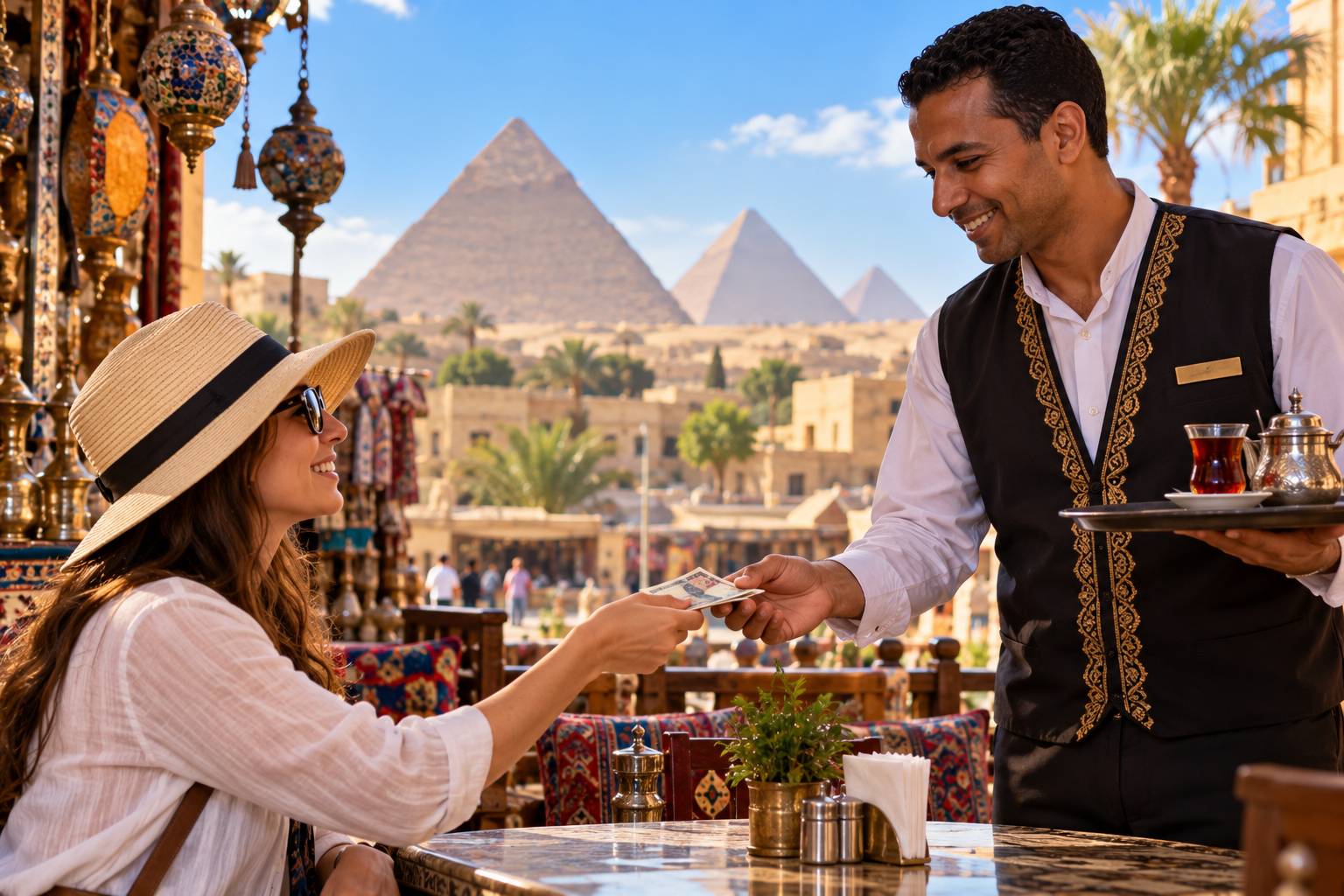
Solo Female Travel in Giza, Egypt: Safety, Tips & Things to Do (2026)
Introduction: Discover Giza, Egypt
Giza is one of the most extraordinary destinations in Egypt and a must-visit location for anyone interested in ancient history, archaeology and Egyptian culture.
Located southwest of central Cairo, Giza is internationally famous for the Great Pyramids, the Great Sphinx and the ancient necropolis that surrounds them.
It is also home to the Grand Egyptian Museum, an important modern cultural attraction that offers visitors an opportunity to explore thousands of years of ancient Egyptian civilisation.
For solo female travellers, Giza offers a remarkable combination of historical sightseeing, cultural experiences, local restaurants and organised private tours.
However, visiting Giza requires some planning. The main attractions are spread across different archaeological areas, traffic can be busy, and popular tourist locations can attract unofficial guides and vendors.
With reliable transportation, suitable accommodation and a realistic itinerary, you can enjoy a memorable trip at your own pace.
If you are planning a wider trip around Egypt, begin with our complete guide to Solo Female Travel in Egypt.
Is Giza Suitable for Solo Female Travelers?
Giza is one of Egypt's main international tourist destinations, attracting visitors from around the world throughout the year.
The pyramid area, Grand Egyptian Museum and major archaeological attractions have established visitor facilities and organised sightseeing services.
For women travelling alone, a private tour with a professional driver and licensed Egyptologist can make exploring the area easier and more comfortable.
Here are some practical recommendations:
-
Choose accommodation with recent guest reviews and reliable reception arrangements.
-
Arrange airport transfers and sightseeing transportation in advance.
-
Use recognised transportation providers.
-
Consider a licensed Egyptologist for archaeological visits.
-
Agree on prices before booking optional activities.
-
Avoid accepting unsolicited guiding or transportation offers.
-
Keep your phone charged and save your hotel's contact details.
-
Carry copies of important travel documents.
-
Share your itinerary with someone you trust.
-
Avoid isolated areas after dark.
No destination can guarantee personal safety. Check your government's latest travel advice before departure and use reputable service providers throughout your visit.
Best Things to Do in Giza Alone
1. Visit the Great Pyramids of Giza
The Great Pyramids of Giza are the most famous attractions in Egypt and one of the world's greatest archaeological achievements.
The complex contains three principal pyramids:
-
The Great Pyramid of Khufu: The largest and oldest of the three.
-
The Pyramid of Khafre: Recognised by its remaining outer casing stones near the summit.
-
The Pyramid of Menkaure: The smallest of the three principal pyramids.
The Great Pyramid was built as the tomb of Pharaoh Khufu during the Fourth Dynasty, approximately 4,500 years ago.
Originally standing approximately 146.5 metres high, it remained the tallest human-made structure in the world for thousands of years.
Walking around the pyramid plateau allows you to appreciate the incredible scale of these monuments and the engineering achievements of ancient Egyptian builders.
Solo travel tip: Arrive early to enjoy more comfortable temperatures and allow sufficient time for photographs and sightseeing. Wear comfortable walking shoes because the archaeological area is large and the ground can be uneven.
For organised sightseeing, explore our Giza Pyramids Tours, featuring options for discovering the pyramids and surrounding monuments.
2. Discover the Great Sphinx
The Great Sphinx is one of the most recognisable monuments in the world.
Carved from natural limestone, this monumental statue has the body of a lion and the head of a human, traditionally identified with Pharaoh Khafre.
It stands near the Valley Temple and the Pyramid of Khafre, forming an important part of the Giza funerary complex.
The Sphinx is particularly impressive when viewed from the designated visitor areas, where you can appreciate its size and the details of its face.
Solo travel tip: Combine the Sphinx with the pyramids during the same visit. A knowledgeable Egyptologist can explain the monument's history, symbolism and connection with the surrounding temples.
3. Enjoy the Panoramic Viewpoint
The Giza Plateau has designated panoramic viewing locations where visitors can admire the three pyramids together.
This is one of the best areas for photography, particularly if you want a wide view of the ancient monuments.
You can capture photographs of all three pyramids against the desert landscape.
Some visitors also arrange traditional camel or horse rides in designated areas.
Before booking an animal ride, confirm the complete price, duration, route and services included. Choose an operator that treats animals responsibly and avoid activities that make you uncomfortable.
4. Explore the Grand Egyptian Museum
The Grand Egyptian Museum is one of Egypt's most important modern cultural attractions.
Located near the Giza Pyramids, the museum provides an extensive introduction to ancient Egyptian civilisation.
Its collection includes remarkable statues, archaeological objects and artefacts from different periods of Egyptian history.
Visitor areas include:
-
The Grand Hall.
-
The Grand Staircase.
-
The Main Galleries.
-
Tutankhamun Galleries.
-
Khufu's Boats Museum.
-
The museum's commercial area.
-
Outdoor gardens.
The Tutankhamun collection is particularly exciting for visitors interested in ancient Egyptian royal history.
The building itself is also an architectural attraction, offering impressive views and a contemporary visitor experience.
Solo travel tip: Give yourself enough time. The museum is large, and rushing through the galleries can make the experience less enjoyable.
To organise your visit, explore our Grand Egyptian Museum Tours, with options for discovering this extraordinary museum with professional assistance.
Official visitor information: Grand Egyptian Museum – Plan Your Visit.
5. Visit the Giza Solar Boat Museum
The ancient boats discovered beside the Great Pyramid of Khufu provide fascinating evidence of Egyptian craftsmanship and burial traditions.
One of the most important discoveries was the dismantled boat found in a pit on the southern side of the pyramid.
The vessel was reconstructed and became known as the Khufu solar boat.
Today, the relocated boat is displayed at the Grand Egyptian Museum's Khufu's Boats Museum.
It is particularly interesting for visitors who want to understand ancient Egyptian shipbuilding, religious beliefs and royal funerary traditions.
6. Discover Saqqara and the Step Pyramid of Djoser
Saqqara is one of Egypt's most important archaeological destinations and an excellent addition to a Giza sightseeing itinerary.
The site is famous for the Step Pyramid of Djoser, traditionally recognised as the earliest large-scale stone pyramid complex in Egypt.
It was designed by the architect Imhotep during the Third Dynasty.
The archaeological area contains much more than the Step Pyramid.
Highlights include:
-
The Step Pyramid.
-
The Pyramid of Unas.
-
The Serapeum.
-
Tombs of important officials.
-
Beautifully decorated Old Kingdom tombs.
-
The Imhotep Museum.
The tombs are especially interesting because their walls preserve scenes depicting everyday ancient Egyptian life, agriculture, food preparation and religious offerings.
Solo travel tip: Saqqara is spread across a large area. Arrange private transportation and consider a professional guide so you can visit the main monuments without unnecessary delays.
Learn more through the Egyptian Ministry of Tourism and Antiquities – Saqqara.
7. Explore Dahshur and the Bent Pyramid
Dahshur is another remarkable archaeological area in the Giza region.
It is particularly famous for the Bent Pyramid and the Red Pyramid, both built during the reign of Pharaoh Sneferu.
The Bent Pyramid has an unusual appearance because its angle changes partway up the structure.
The Red Pyramid is one of the earliest successful smooth-sided pyramids in ancient Egypt.
Dahshur is generally quieter than the Giza Plateau, making it interesting for travellers who want to explore additional pyramid sites.
Solo travel tip: Dahshur is outside the main Giza tourist area. Arrange transportation in advance and confirm which monuments are open to visitors.
8. Visit Memphis, the Ancient Capital
Memphis was one of the most important cities in ancient Egypt and served as a major political and religious centre during different periods.
Today, the archaeological area includes remains of the ancient city and the open-air museum at Mit Rahina.
Important attractions include:
-
The colossal statue of Ramesses II.
-
The Alabaster Sphinx.
-
Ancient statues and architectural fragments.
-
Archaeological remains associated with the ancient capital.
Memphis is particularly interesting when combined with Saqqara and Dahshur during a full-day excursion.
9. Discover the Valley Temple of Khafre
The Valley Temple of Khafre forms part of the funerary complex associated with the Pyramid of Khafre.
It is one of the important structures connected with the pyramid and the Great Sphinx.
The temple was built using enormous limestone and granite blocks and preserves evidence of ancient Egyptian architectural techniques.
Its location near the Sphinx makes it a natural stop during your visit to the Giza Plateau.
Your Egyptologist can explain how the Valley Temple was connected with the pyramid, the causeway and the funerary ceremonies.
10. Enjoy a Traditional Egyptian Meal with a Pyramid View
Giza has many restaurants and cafés offering views of the pyramids.
Enjoying a meal overlooking the ancient monuments can be a memorable part of your visit.
Depending on the restaurant, you may find:
-
Traditional Egyptian mezze.
-
Grilled chicken.
-
Kofta.
-
Fresh salads.
-
Egyptian rice.
-
Local bread.
-
Traditional desserts.
-
Egyptian tea.
For solo dining, choose an established restaurant with clear menu prices and a comfortable atmosphere.
Confirm whether seating with a direct pyramid view requires a reservation or an additional charge.
11. Enjoy a Camel Ride Near the Pyramids
A camel ride is one of the traditional experiences associated with the Giza Plateau.
It offers an opportunity to enjoy the surrounding desert scenery and take photographs with the pyramids in the background.
However, it is important to arrange the experience carefully.
Before agreeing:
-
Confirm the complete price.
-
Agree on the ride duration.
-
Confirm the exact route.
-
Avoid unexpected additional charges.
-
Choose a responsible operator.
-
Do not participate if animal welfare conditions concern you.
A camel ride is optional. You can enjoy the pyramids without taking part.
12. Discover the Local Markets and Traditional Egyptian Products
Giza has several commercial areas where visitors can explore local shops and buy souvenirs.
You may find:
-
Egyptian cotton products.
-
Traditional clothing.
-
Handmade souvenirs.
-
Papyrus artwork.
-
Jewellery.
-
Spices.
-
Perfumes.
-
Small decorative pieces.
Ask about prices before purchasing and compare products in different shops.
For authentic purchases, choose established stores and request clear pricing.
Where to Stay in Giza as a Solo Female Traveler
Choosing accommodation is an important part of planning your visit.
Giza offers different types of accommodation, from budget guesthouses to established hotels and luxury properties.
Staying Near the Pyramids
This area may suit travellers who want views of the pyramids and convenient access to the archaeological plateau.
Some properties offer rooftop restaurants, pyramid-view rooms and organised excursions.
Before booking, check:
-
Recent guest reviews.
-
Exact location.
-
Room security.
-
Reception arrangements.
-
Noise levels.
-
Transportation availability.
-
Whether the advertised pyramid view is from your actual room.
-
Whether breakfast and other facilities are included.
Staying in Mohandessin or Dokki
These neighbourhoods may suit visitors who want access to restaurants, shops and services while remaining within reasonable driving distance of Giza's attractions.
They offer a different atmosphere from the hotel areas immediately surrounding the pyramids.
Staying in New Giza or Sheikh Zayed
These areas may appeal to travellers who prefer modern residential developments and a quieter hotel environment.
However, you should consider the distance to the archaeological attractions and arrange suitable transportation.
For solo female travellers, a hotel with a reliable reception and organised transfer assistance is a practical choice.
Getting Around Giza Alone
Giza is a large governorate, and its attractions are not all located close together.
Planning your transportation can save time and make sightseeing more comfortable.
Private Transportation
A private vehicle with a professional driver is a convenient option for visiting several attractions in one day.
It can be especially useful for itineraries combining Giza, Saqqara, Dahshur and Memphis.
Confirm the itinerary, waiting time and total price before booking.
Taxis and Ride-Hailing Services
Taxis and ride-hailing services may be useful for shorter journeys.
Check your destination carefully, confirm the journey details and use recognised services.
Organised Guided Tours
An organised tour can combine transportation, a professional driver and an Egyptologist.
This can simplify the experience, especially for first-time visitors who want to explore several archaeological sites.
Check whether entrance tickets, meals and additional activities are included.
Giza Pyramids and Grand Egyptian Museum: Opening Hours and Tickets
Before visiting, check the official ticket platforms because opening arrangements and prices can change.
Giza Plateau
The official Egyptian monument ticketing platform currently lists the following foreign visitor prices:
| Visitor category | Published price |
|---|---|
| Foreign adult – Plateau entry | EGP 700 |
| Foreign student – Plateau entry | EGP 350 |
| Great Pyramid interior – additional ticket | EGP 1,000 |
| Great Pyramid interior – student | EGP 500 |
The general plateau admission does not automatically include entry inside the Great Pyramid, the pyramids of Khafre or Menkaure, or certain other restricted attractions.
The ticketing platform lists a last entry time of 4:00 PM under its regular summer and winter schedules.
Grand Egyptian Museum
The Grand Egyptian Museum currently publishes these visitor hours:
| Day | Museum complex | Galleries |
|---|---|---|
| Sunday, Monday, Tuesday, Thursday, Friday | 8:30 AM–7:00 PM | 9:00 AM–6:00 PM |
| Wednesday and Saturday | 8:30 AM–10:00 PM | 9:00 AM–9:00 PM |
The last entry to the galleries is one hour before closing.
Admission prices can vary by visitor category, nationality and booking arrangement. Use the official ticketing website to confirm the current price.
Official resources:
What Should Women Wear in Giza?
Giza is a busy urban and tourist destination, so comfortable clothing is a practical choice.
For archaeological sightseeing, consider:
-
Lightweight trousers.
-
Comfortable summer dresses.
-
Breathable tops.
-
Comfortable walking shoes.
-
A sun hat.
-
Sunglasses.
-
Sunscreen.
-
A light scarf or cover-up.
The pyramid plateau includes open desert areas, so sun protection is important.
For visiting mosques or religious places, wear modest clothing and follow local requirements.
Best Time to Visit Giza
Giza can be visited throughout the year, but the weather affects how comfortable outdoor sightseeing will be.
October to April: Generally more comfortable for visiting the pyramids, Saqqara and other outdoor archaeological sites.
March to May: A good period for exploring historical attractions, although temperatures can rise towards the end of spring.
June to September: Summer can be extremely hot. Begin outdoor visits early, carry drinking water and avoid prolonged exposure to the midday sun.
For solo female travellers, the cooler months offer a more comfortable experience for full-day sightseeing.
Suggested 3-Day Giza Itinerary for Solo Female Travelers
Day 1: Giza Pyramids and the Great Sphinx
-
Breakfast at your hotel.
-
Visit the Great Pyramid of Khufu.
-
Explore the pyramids of Khafre and Menkaure.
-
Discover the Great Sphinx.
-
Visit the Valley Temple of Khafre.
-
Enjoy the panoramic viewpoint.
-
Have lunch at a restaurant overlooking the pyramids.
-
Return to your hotel.
Day 2: Grand Egyptian Museum
-
Have breakfast at your hotel.
-
Visit the Grand Egyptian Museum.
-
Explore the Grand Hall and Grand Staircase.
-
Discover the Main Galleries.
-
Visit the Tutankhamun Galleries.
-
Explore the Khufu's Boats Museum.
-
Enjoy lunch or refreshments at the museum.
-
Visit the commercial area and gardens before returning to your hotel.
Day 3: Saqqara, Memphis and Dahshur
-
Start early with your pre-arranged driver.
-
Visit the Step Pyramid of Djoser at Saqqara.
-
Explore selected tombs and archaeological areas.
-
Visit the ancient capital of Memphis.
-
Discover the Red Pyramid and Bent Pyramid at Dahshur, subject to site access.
-
Return to your hotel.
This is a suggested itinerary. Adjust the schedule according to opening hours, travel time and your interests. Saqqara and Dahshur are large archaeological areas, so avoid trying to visit every monument in one day.
Can You Visit Giza from Cairo?
Yes. Giza is directly connected to the wider Greater Cairo urban area.
Many visitors stay in Cairo and travel to the Giza Pyramids and Grand Egyptian Museum during the day.
However, traffic can be heavy, particularly during morning and afternoon periods.
Plan sufficient time for transportation, especially if you have museum reservations or onward travel arrangements.
A private vehicle can be useful when combining several attractions.
Can You Combine Giza with a Cairo City Tour?
Absolutely. Giza and Cairo offer different experiences and work very well together.
You can combine:
Giza attractions:
-
Great Pyramids.
-
Great Sphinx.
-
Grand Egyptian Museum.
-
Saqqara.
-
Memphis.
-
Dahshur.
Cairo attractions:
-
Egyptian Museum in Tahrir.
-
Khan El Khalili.
-
Historic Islamic Cairo.
-
Coptic Cairo.
-
Citadel of Saladin.
-
Alabaster Mosque.
Allow at least two or three days if you want to explore both areas comfortably.
What to Pack for Giza
Useful items include:
-
Sunscreen.
-
Sunglasses.
-
A wide-brimmed hat.
-
Comfortable walking shoes.
-
Lightweight clothing.
-
Reusable water bottle.
-
Portable phone charger.
-
Small secure day bag.
-
Cash for small purchases.
-
Copies of important travel documents.
-
Personal medication.
For a full day at the archaeological sites, bring sufficient water and avoid carrying unnecessary valuables.
Is Giza Better Than Luxor or Aswan for Solo Female Travel?
Giza, Luxor and Aswan offer different travel experiences.
Giza is ideal for visitors who want to see the Great Pyramids, the Sphinx and the Grand Egyptian Museum. It is particularly suitable for travellers interested in ancient Egyptian history and major archaeological landmarks.
Luxor offers an extraordinary concentration of temples and royal tombs, including Karnak Temple, Luxor Temple, the Valley of the Kings and the Temple of Hatshepsut.
Aswan offers a more relaxed atmosphere, Nubian cultural experiences, Philae Temple and beautiful Nile scenery.
For a first visit to Egypt, Giza and Cairo are excellent starting points. Adding Luxor and Aswan creates a more complete journey through ancient Egyptian history and culture.
Frequently Asked Questions
Is Giza safe for solo female travelers?
Giza is a major international tourist destination, but no place is completely risk-free. Choose suitable accommodation, arrange reliable transport, use reputable guides and follow current official travel advice.
How many days should I spend in Giza?
Two to three days are recommended if you want to explore the pyramids, Grand Egyptian Museum and other archaeological destinations such as Saqqara and Dahshur.
Can I visit the pyramids and Grand Egyptian Museum in one day?
It is possible, but it makes for a very full day. Two separate days provide a more relaxed experience and allow more time to enjoy both attractions.
Can I enter the Great Pyramid?
Visitors can purchase a separate ticket for entry inside the Great Pyramid, subject to current access arrangements. The interior involves narrow passages and is not suitable for everyone.
Is the Grand Egyptian Museum near the pyramids?
Yes. The museum is located in the Giza area near the pyramid plateau, making it convenient to include both attractions in one itinerary.
Is Saqqara worth visiting?
Absolutely. Saqqara contains the famous Step Pyramid of Djoser, important royal and noble tombs and other archaeological monuments.
Can I visit Giza without a tour guide?
You can explore the main attractions independently, but a licensed Egyptologist can greatly improve your understanding of the monuments and their history.
What is the best time to visit the Giza Pyramids?
October through April is generally more comfortable for outdoor sightseeing. Early morning visits are recommended, particularly during warmer months.
Are the Giza Pyramids and the Grand Egyptian Museum included in one ticket?
No. They are separate attractions with separate admission arrangements. Check the official ticketing websites before booking.
Can I combine Giza, Saqqara and Dahshur in one trip?
Yes. A private full-day itinerary can combine these destinations, but allow sufficient time for the long distances and archaeological visits.
Final Thoughts: Discover the Wonders of Giza
Giza is one of the most extraordinary destinations in Egypt and a highlight for travellers interested in ancient history and archaeology.
From the Great Pyramids and the Great Sphinx to the Grand Egyptian Museum and the ancient necropolis of Saqqara, the region offers unforgettable experiences.
For solo female travellers, good preparation makes the difference. Choose suitable accommodation, organise reliable transportation, book reputable guides and plan enough time to enjoy each attraction without rushing.
Whether you are standing before the Great Pyramid, exploring the Tutankhamun collection or discovering the Step Pyramid of Djoser, Giza offers an unforgettable introduction to Egypt.
Continue exploring Egypt: Read our complete guide to Solo Female Travel in Egypt for more destination guides and practical travel advice.