


Solo Female Travel in Egypt: What to Wear
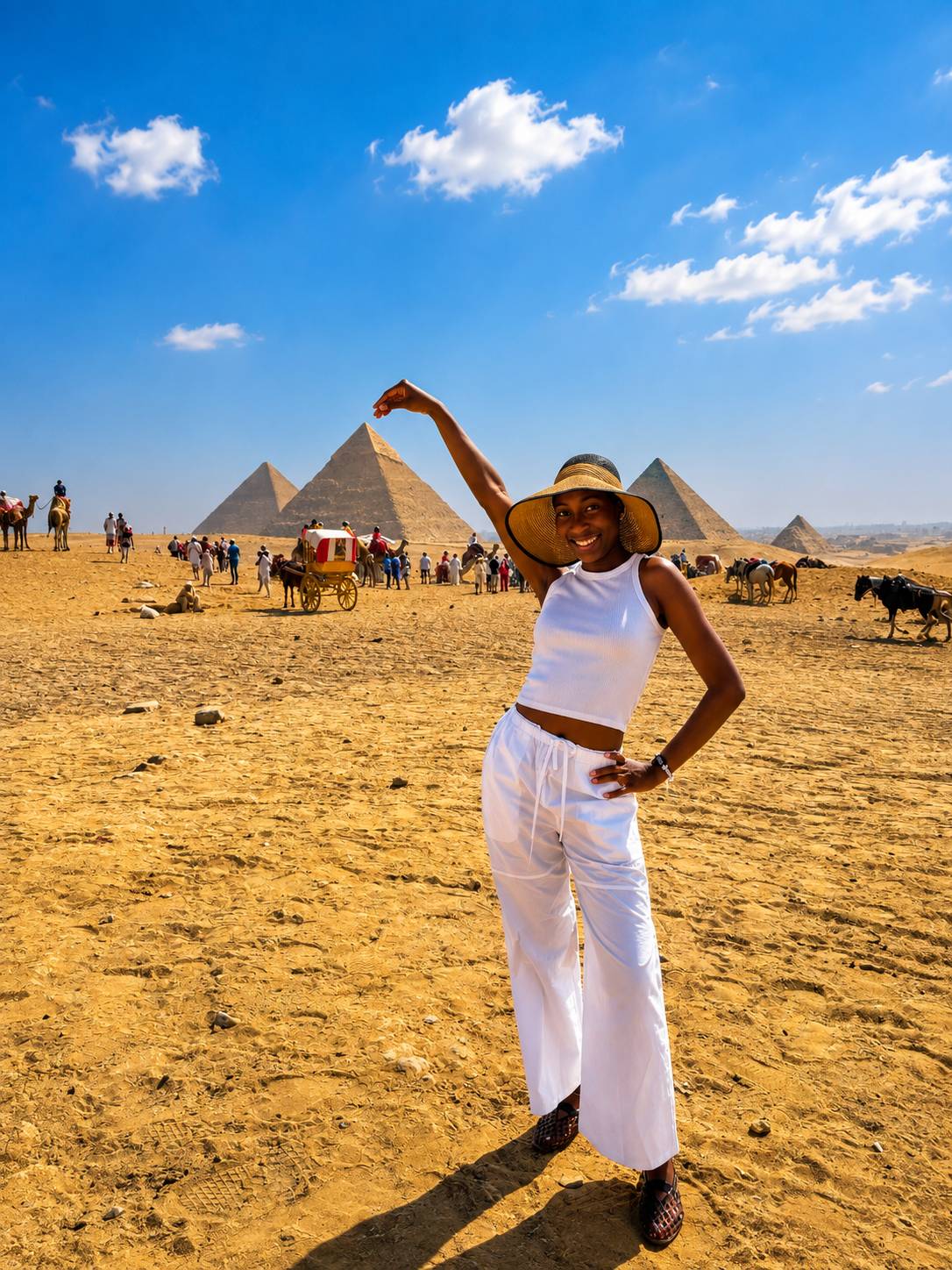
Solo Female Travel in Egypt: What to Wear, Local Culture & Etiquette (2027)
Egypt is a country of fascinating contrasts. You can explore ancient temples, walk through traditional markets, visit historic mosques, enjoy modern cafés, and relax at a Red Sea resort—all during the same holiday.
For women traveling alone, understanding local culture and knowing what to wear can make the experience more comfortable. Egypt has a predominantly Muslim population and strong cultural traditions, but clothing styles and social expectations vary between cities, rural communities, historical sites, and tourist resorts.
You do not need to wear the same outfit everywhere. What feels appropriate at a beach resort may not be the best choice for visiting a mosque or exploring a traditional neighborhood in Cairo.
This guide explains what female tourists can wear in different parts of Egypt, how to behave respectfully at religious and historical sites, and what to know about greetings, photography, dining, shopping, and everyday interactions.
The goal is not to make you feel that you must change who you are. It is to help you understand the local environment so you can make informed choices and enjoy your journey with confidence.
1. Do Women Need to Dress Modestly in Egypt?
Egypt does not have one universal clothing rule for every public place. Clothing expectations vary according to the setting.
In major tourist cities such as Cairo, Alexandria, Luxor, and Aswan, you will see people wearing a wide range of clothing. Tourist resorts on the Red Sea generally have a more relaxed atmosphere, particularly around hotel swimming pools and private beaches.
However, more modest clothing is generally appreciated in traditional neighborhoods, local markets, rural communities, and religious places.
For a comfortable sightseeing wardrobe, consider:
-
Lightweight trousers or loose-fitting pants.
-
Long skirts or dresses.
-
Shirts that cover the shoulders.
-
Breathable tops.
-
A light cardigan or scarf.
-
Comfortable walking shoes.
You do not need to wear traditional Egyptian clothing to visit the country. Choose practical outfits that suit the weather, your personal style, and the places you intend to visit.
An important distinction: Modest clothing is a cultural consideration, not a guarantee of personal safety. Harassment can occur regardless of what a woman is wearing. You are not responsible for another person's inappropriate behavior.
2. What to Wear in Cairo as a Solo Female Traveler
Cairo is a large, diverse city with modern commercial areas, traditional neighborhoods, residential districts, busy markets, and historic religious sites.
You will see different clothing styles depending on where you go.
Daytime Sightseeing
For visiting museums, walking around the city, and exploring historic neighborhoods, comfortable and breathable clothing is a good choice.
Consider wearing:
-
Cotton or linen trousers.
-
A T-shirt or blouse covering your shoulders.
-
A loose dress.
-
Comfortable sneakers or walking shoes.
-
Sunglasses and a hat.
During hot weather, lightweight fabrics can make sightseeing more comfortable.
Visiting Traditional Markets
Markets such as Khan El Khalili are lively and busy. A practical outfit with comfortable footwear is ideal because you may spend considerable time walking.
A loose shirt with trousers or a long skirt works well. Keep your bag secure and be prepared for shopkeepers to approach you.
Evening Outfits
Cairo has a wide range of restaurants, cafés, hotels, and entertainment venues.
You can dress according to the venue. A restaurant in a luxury hotel may have different expectations from a traditional café in an older neighborhood.
Check the dress requirements of a particular venue when necessary.
For more planning ideas, read our Solo Female Travel in Egypt guide.
3. What to Wear When Visiting the Pyramids of Giza
Visiting the Great Pyramids is one of the most memorable experiences in Egypt. However, the archaeological area is large, exposed to the sun, and involves walking over uneven ground.
Your clothing should prioritize comfort and sun protection.
Recommended Clothing
-
Lightweight trousers or breathable long shorts, where comfortable.
-
A T-shirt or loose blouse.
-
A sun hat or cap.
-
Sunglasses.
-
Comfortable trainers or walking shoes.
-
Sunscreen.
-
A light scarf for sun or dust protection.
You do not need formal clothing for the pyramids. Practical sightseeing clothes are usually the best choice.
Additional Tips for Female Visitors
The pyramid area can be busy, and visitors may encounter offers for camel rides, horse rides, photographs, souvenirs, or guiding services.
Ask for the full price before agreeing to any additional service. You are free to decline offers that you do not want.
For sightseeing information, visit our Giza Pyramids Tours page and read Solo Female Travel in Giza.
4. What to Wear in Luxor and Aswan
Luxor and Aswan are major destinations for visitors interested in ancient Egyptian history and Nile scenery.
The weather can be very hot, particularly during summer, and you may spend several hours outdoors visiting archaeological sites.
Recommended Outfits
-
Loose cotton or linen trousers.
-
Long skirts or lightweight dresses.
-
Breathable shirts.
-
A sun hat.
-
Sunglasses.
-
Comfortable walking shoes.
-
A light scarf.
Clothing that protects your skin from direct sunlight can be particularly useful during long sightseeing days.
Visiting Temples and Tombs
There is generally no special outfit required for entering ordinary archaeological sites beyond following the attraction's instructions.
However, some areas have specific restrictions or practical requirements. Check the information provided by the site or your tour guide.
For underground tombs and archaeological areas, choose shoes that provide good grip and clothing that allows comfortable movement.
5. Dress Code for Mosques in Egypt
Visiting a mosque can be a meaningful cultural experience, but visitors should respect the religious environment.
When visiting mosques, women should be prepared to cover their hair, shoulders, and legs.
What Should You Wear?
A practical outfit may include:
-
A long skirt or loose trousers.
-
A long-sleeved or modest top.
-
A headscarf.
-
Shoes that can be removed easily.
Some mosques provide coverings for visitors, but bringing your own scarf is useful.
Mosque Etiquette
When entering a mosque:
-
Follow the instructions of the staff.
-
Remove your shoes before entering prayer areas where required.
-
Keep your voice low.
-
Avoid walking in front of people who are praying.
-
Do not interrupt religious activities.
-
Ask before taking photographs.
-
Respect areas that are closed to visitors.
Some mosques may restrict access to certain areas during prayer times or religious events.
If you are unsure what to do, ask the mosque staff or your guide before entering.
6. What to Wear When Visiting Churches and Monasteries
Egypt has important Christian heritage sites, including historic churches and monasteries.
Visitors should dress respectfully when entering places of worship, regardless of their own religious background.
A practical outfit includes:
-
Clothing covering the shoulders.
-
Trousers or a skirt covering the knees.
-
Comfortable shoes.
-
A light scarf if requested by the site.
Some religious sites may have additional visitor rules. Follow posted instructions and the guidance of the staff.
Remember that churches and monasteries are active religious spaces, not simply tourist attractions. Keep your voice low and avoid disrupting services or people who are praying.
7. What to Wear at Hurghada, Sharm El Sheikh, and Marsa Alam Resorts
Red Sea resort destinations generally have a more relaxed clothing atmosphere than traditional neighborhoods and religious areas.
At hotel swimming pools and designated private beaches, standard swimwear is commonly worn.
You can usually wear:
-
Swimsuits.
-
Bikinis.
-
Beach dresses.
-
Shorts.
-
Sandals.
-
Lightweight cover-ups.
When Leaving the Resort
The atmosphere may change when you leave the hotel and visit local markets, town centers, restaurants, or nearby communities.
A light cover-up, dress, or shirt with shorts or trousers can be convenient for these outings.
For more detail, read our guide: Can Females Wear Shorts in Egypt?.
Practical Resort Tips
-
Check your hotel's dress policy.
-
Bring a cover-up for walking through hotel public areas.
-
Follow beach and pool rules.
-
Ask about dress expectations at special dining venues.
-
Respect signs and local instructions at public beaches.
For destination-specific advice, explore:
8. What to Wear in Siwa Oasis and Traditional Communities
Siwa Oasis offers a different atmosphere from Egypt's major cities and coastal resorts.
Its distinctive culture, traditional architecture, and local customs make it especially interesting for travelers who want to experience a different side of Egypt.
When visiting local communities, modest and comfortable clothing is a considerate choice.
Consider:
-
Loose trousers.
-
Long skirts.
-
Tops covering the shoulders.
-
Comfortable walking shoes.
-
A scarf or cardigan.
The purpose is not to follow an identical dress code everywhere, but to respect the local environment.
Ask before photographing residents, homes, or private spaces. A tourist's interest in local culture should not override the privacy of the people who live there.
Read our Solo Female Travel in Siwa Oasis guide before planning your visit.
9. Understanding Greetings and Social Interactions
Egyptians are generally known for hospitality and welcoming visitors, although individual experiences naturally differ.
Learning a few simple Arabic greetings can help you communicate politely.
Useful Arabic Greetings
| Arabic | Pronunciation | Meaning |
|---|---|---|
| مرحباً | Marhaba | Hello |
| صباح الخير | Sabah el-kheir | Good morning |
| مساء الخير | Masa' el-kheir | Good evening |
| شكراً | Shukran | Thank you |
| من فضلك | Min fadlak / Min fadlik | Please |
| لو سمحت | Law samaht | Excuse me |
| لا، شكراً | La', shukran | No, thank you |
| مع السلامة | Ma'a salama | Goodbye |
Even a few Arabic phrases can make everyday interactions easier.
Handshakes and Greetings
Some people greet visitors with a handshake, while others prefer a verbal greeting.
As a woman, you can simply smile and greet someone verbally if you are unsure whether a handshake is welcome.
Do not feel obligated to initiate physical contact. Follow your own comfort level and the other person's social cues.
Accepting Hospitality
You may be offered tea, coffee, or refreshments during a visit or conversation.
You can accept politely, or decline respectfully if you do not want anything.
A simple "La', shukran" is enough.
You are not required to accept an invitation or enter a private home. Use your judgment and maintain your boundaries.
10. Bargaining and Shopping Etiquette
Shopping in traditional Egyptian markets can be an enjoyable part of your visit.
Some shops have fixed prices, while others allow bargaining.
How to Bargain Politely
-
Ask the price before choosing to buy.
-
Compare prices at more than one shop.
-
Negotiate calmly and respectfully.
-
Agree on the final price before paying.
-
Walk away politely if you do not want the item.
You do not need to buy something simply because a shopkeeper has spent time showing it to you.
Be Careful with "Free" Offers
At tourist attractions, you may be offered a photograph, souvenir, or small gift described as free.
Clarify whether there is any charge before accepting.
If a service involves a payment, agree on the full amount in advance.
11. Photography Etiquette in Egypt
Egypt provides wonderful opportunities for photography, from ancient monuments and Nile landscapes to traditional markets and coastal scenery.
However, you should understand the rules before taking photographs.
Photographing People
Always respect people's privacy.
Egypt's official tourism information states that Egyptian citizens must provide written permission before being photographed and that photographing children is prohibited.
Ask before photographing individuals, families, shopkeepers, workers, or residents. A person may decline, and you should respect that decision.
Photographing Religious Buildings
Ask staff whether photography is permitted inside a mosque, church, monastery, or other religious building.
Some places may restrict photography during prayer or inside particular rooms.
Photography at Archaeological Sites and Museums
Egypt's official tourism information says personal, non-commercial photography is permitted in public places and includes archaeological sites and museums, without flash photography indoors.
However, individual sites may have additional restrictions or ticket requirements.
Follow the signs and instructions from staff. Do not assume that permission to take personal photographs includes professional or commercial photography.
Places You Should Not Photograph Without Authorization
Avoid photographing:
-
Military installations.
-
Police stations.
-
Security facilities.
-
Government buildings where photography is restricted.
-
Sensitive infrastructure.
-
Restricted airport or port areas.
Professional photography equipment, commercial filming, and certain equipment setups may require special permits.
For detailed guidance, consult the official Experience Egypt practical information page.
12. Dining Etiquette and Eating Out
Egyptian food is an important part of the travel experience.
You may eat in traditional restaurants, cafés, hotel dining rooms, street-food establishments, and international restaurants.
Practical Dining Tips
-
Check the menu and prices before ordering.
-
Ask whether service charges and taxes are included.
-
Use your right hand when eating with your hands if that is customary for the meal.
-
Be considerate of people around you.
-
Ask before taking photographs of restaurant staff or other guests.
-
Choose restaurants with appropriate food hygiene.
You can comfortably choose between local and international restaurants according to your preferences.
There is no need to eat a particular food simply because it is traditional. Choose what you enjoy and what suits your dietary requirements.
13. Understanding Ramadan in Egypt
Ramadan is the Islamic holy month during which Muslims fast from dawn until sunset.
The dates change each year according to the Islamic lunar calendar.
During Ramadan, daily routines may be different from other times of the year. Some restaurants, shops, and attractions may adjust their opening hours.
What Should Female Travelers Know?
-
Check restaurant opening hours.
-
Expect changes to working hours and transport patterns.
-
Be patient during busy periods before sunset.
-
Dress respectfully, particularly in traditional neighborhoods.
-
Avoid eating, drinking, or smoking openly in public during daylight as a gesture of respect.
Some hotels and tourist restaurants continue serving non-fasting guests during the day, sometimes in designated areas.
Ramadan can also be a special time to experience evening food markets, family gatherings, traditional decorations, and the atmosphere after sunset.
The UK Foreign, Commonwealth & Development Office recommends respecting local customs during Ramadan and checking opening hours in advance.
14. Public Behavior and Personal Boundaries
Cultural expectations around public behavior can differ from those in your home country.
In Egypt, public displays of affection are generally more restrained outside certain tourist resort environments.
Holding hands is generally accepted, but more intimate public behavior may attract unwanted attention or be considered inappropriate.
For women traveling alone, it is also important to understand that you can be polite without agreeing to every interaction.
How to Handle Unwanted Attention
-
Say "No, thank you" clearly.
-
Avoid lengthy explanations when you want to end a conversation.
-
Move toward a staffed or busier area if someone makes you uncomfortable.
-
Ask hotel staff, your guide, or tourist police for assistance when needed.
-
Share your location with a trusted person where appropriate.
Unwanted comments or harassment are not your fault and should not be excused as cultural differences.
Official travel advice from the UK, US, and Australia highlights that women may experience harassment in Egypt, including verbal and physical harassment. Keep practical precautions in mind regardless of your clothing or location.
15. What to Pack: A Practical Clothing Checklist
Rather than packing a separate wardrobe for every destination, choose versatile pieces that can be combined.
Everyday Sightseeing
-
Three or four lightweight tops.
-
Two pairs of comfortable trousers.
-
One or two long skirts or dresses.
-
Comfortable walking shoes.
-
Sandals.
-
A sun hat or cap.
-
Sunglasses.
Religious and Cultural Visits
-
One or two tops covering the shoulders.
-
A long skirt or loose trousers.
-
A lightweight headscarf.
-
A cardigan or light cover-up.
Red Sea Resorts
-
Swimsuit or bikini.
-
Beach dress or cover-up.
-
Sandals.
-
Light daytime clothing.
-
An additional outfit for restaurants.
Other Useful Items
-
Sunscreen.
-
A small crossbody bag.
-
A reusable water bottle.
-
A light jacket for cooler evenings.
-
Comfortable socks.
-
A small personal-care kit.
The official Egyptian tourism website recommends lightweight, loose cotton clothing, sun protection, a light jacket or windbreaker during cooler seasons, and a scarf or cardigan for visiting places of worship.
16. Common Cultural Mistakes to Avoid
A little preparation can help you avoid misunderstandings.
Entering a religious building without checking the dress requirements: Carry a scarf and dress modestly when visiting mosques and other places of worship.
Taking photographs without permission: Ask before photographing people and follow rules at religious sites and protected locations.
Assuming every shop has fixed prices: Ask the price before purchasing and agree on the final amount.
Confusing friendliness with an invitation: A friendly conversation does not mean you need to share personal details or accept an invitation.
Ignoring Ramadan customs: Be considerate of fasting people and check adjusted business hours.
Wearing uncomfortable shoes at archaeological sites: Egypt's historical attractions often involve extensive walking and uneven surfaces.
Assuming every region has identical customs: The atmosphere of a Red Sea resort can differ significantly from a traditional neighborhood or rural community.
Frequently Asked Questions
What should a female tourist wear in Egypt?
Lightweight, comfortable clothing is suitable for most sightseeing. Loose trousers, long skirts, shirts covering the shoulders, and comfortable walking shoes are practical choices. Clothing expectations are more relaxed in tourist resorts and more conservative in some traditional and religious settings.
Can women wear shorts in Egypt?
You may see shorts in tourist areas and resort settings. However, longer shorts or trousers may be a more comfortable choice when visiting traditional neighborhoods, markets, and religious sites.
For a more detailed answer, read our guide: Can Females Wear Shorts in Egypt?.
Do women have to wear a hijab in Egypt?
Female tourists are not generally required to wear a hijab in public. However, women visiting mosques should be prepared to cover their hair and dress modestly according to the mosque's visitor rules.
Can women wear bikinis in Egypt?
Bikinis are commonly worn at designated hotel pools and many private resort beaches. Public beach rules and expectations can vary, so check the specific location.
Is it acceptable to wear sleeveless tops in Cairo?
You will see different clothing styles in Cairo. Sleeveless clothing may be seen in some modern and tourist settings, but a top covering the shoulders can be a more versatile choice for visiting traditional neighborhoods and historical areas.
What should women wear when visiting the Pyramids of Giza?
Comfortable, breathable clothing, walking shoes, a hat, sunglasses, and sunscreen are practical. Choose clothes suitable for extensive walking and exposure to the sun.
Can tourists take photographs inside mosques in Egypt?
Rules vary by mosque and area. Ask staff before photographing, avoid disrupting prayer, and respect restricted areas.
Can I photograph Egyptian people?
The official Experience Egypt guidance states that Egyptian citizens must give written permission before being photographed. Ask first, respect refusals, and do not photograph children.
Is tipping expected in Egypt?
Tipping is common in some tourism and hospitality settings, but amounts and expectations vary. Ask whether service charges are included and decide on tips according to the service and your budget.
What should I know about Ramadan as a female tourist?
Ramadan changes daily routines and the opening hours of many businesses. Dress respectfully, be considerate of people fasting, and check restaurant and attraction schedules in advance.
Can I wear Western clothing in Egypt?
Yes. Many Egyptians and visitors wear modern international clothing. The most practical approach is to adapt your outfit to the location and activity rather than assuming that every area has the same dress expectations.
Is Egypt conservative or modern?
Egypt has both traditional and modern social environments. Clothing and social expectations vary according to the city, neighborhood, religious setting, and type of venue.
Final Thoughts: Respect Local Culture While Being Yourself
Egypt is a country with a rich cultural identity and a wide variety of social environments.
As a solo female traveler, you do not need an entirely different wardrobe or to change your personality to enjoy your holiday. A few practical clothing choices, an understanding of religious-site etiquette, and respect for people's privacy can make everyday experiences easier.
Wear comfortable clothes, carry a scarf for religious visits, ask permission before taking photographs, and be polite while maintaining your personal boundaries.
Most importantly, remember that respect should go both ways. You can appreciate Egyptian traditions while expecting to be treated respectfully yourself.
With a little preparation, you can enjoy Egypt's ancient history, local culture, warm hospitality, and beautiful landscapes at your own pace.
Plan your Egypt experience with Let’s Explore Egypt Travel. Explore our destination guides and sightseeing options to organize a personalized itinerary that suits your interests and travel style.