


Eating Alone in Egypt: Food, Restaurants & Food Safety Tips for Solo Female Travelers
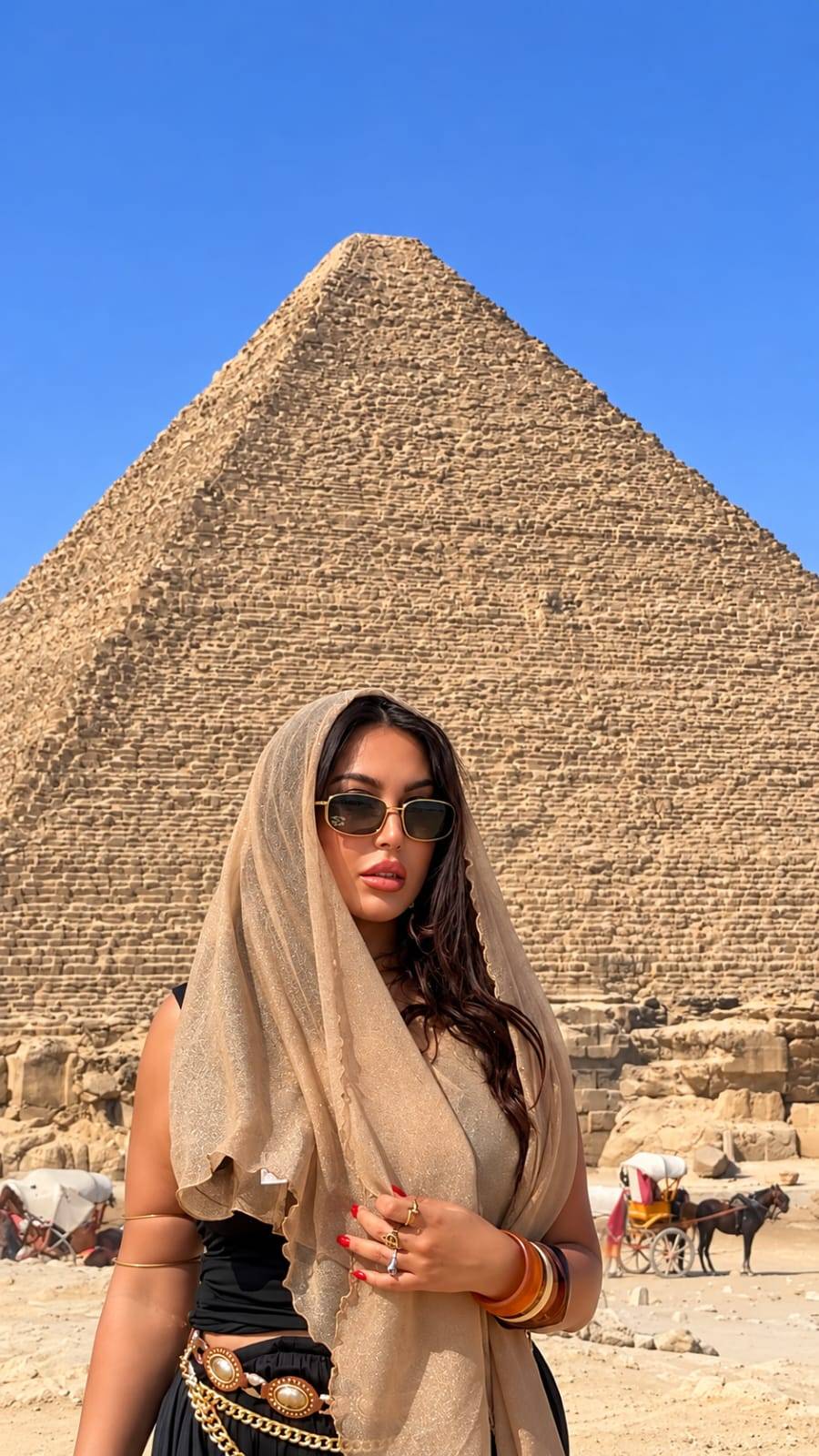
Eating Alone in Egypt: Food, Restaurants & Food Safety Tips for Solo Female Travelers (2027)
Food is one of the most enjoyable ways to discover a country's culture, and Egypt has plenty to offer. From traditional breakfasts and freshly prepared street food to seafood restaurants beside the Red Sea and elegant Nile-view dining, eating can become a memorable part of your Egyptian holiday.
But what is it like to eat alone in Egypt as a woman?
Whether you are exploring Cairo, visiting the Pyramids of Giza, discovering the temples of Luxor, relaxing in Hurghada, or taking a Nile cruise, you will find different dining experiences throughout the country.
You may want to enjoy a traditional Egyptian meal, try local vegetarian dishes, have dinner in a hotel restaurant, or simply find a comfortable place for a quick lunch between sightseeing activities.
Traveling alone does not mean you have to miss out on Egypt's food culture. With a little preparation, you can enjoy local cuisine, choose suitable restaurants, and make informed decisions about food and water hygiene.
This guide covers what to eat, where to dine, how to handle restaurant interactions, and the precautions that can help you enjoy your meals during a solo trip.
1. Is It Normal for a Woman to Eat Alone in Egypt?
Yes. You can visit restaurants, cafés, hotel dining rooms, and food establishments on your own.
Egypt has a diverse restaurant scene, ranging from casual local eateries to modern international restaurants and luxury hotel dining venues.
In larger tourist cities, you will find many different places where an individual traveler can enjoy a meal without needing to arrange company.
However, the atmosphere varies by venue and neighborhood. A modern hotel restaurant may feel different from a busy traditional café or a small local takeaway shop.
Tips for Comfortable Solo Dining
-
Choose a restaurant with recent positive reviews.
-
Look for a clean, busy establishment with a visible menu.
-
Ask about prices before ordering.
-
Choose a table where you feel comfortable.
-
Keep your phone and belongings secure.
-
Arrange your return transportation before going out at night.
-
Do not feel pressured to accept invitations or continue conversations.
You can enjoy a meal independently without explaining why you are traveling alone.
2. Egyptian Food You Should Try During Your Visit
Egyptian cuisine includes many hearty, flavorful dishes influenced by local traditions and regional ingredients.
From traditional breakfasts to popular street food and classic home-cooked meals, there is plenty to discover.
For a complete introduction to Egyptian dishes, ingredients, and local food traditions, read our guide: What to Eat in Egypt.
Here are some dishes worth adding to your food list.
Koshari: A Famous Egyptian Street-Food Favorite
Koshari is one of Egypt's best-known dishes.
It combines rice, pasta, brown lentils, chickpeas, tomato sauce, crispy onions, and often a spicy sauce.
It is filling and commonly available in casual restaurants and specialized koshari shops.
Why try it?
It is a distinctive Egyptian dish and can be a satisfying meal when you want something traditional and affordable.
You can usually ask for the chili sauce separately.
Ful Medames: A Traditional Egyptian Breakfast
Ful is made from slowly cooked fava beans and is commonly served with Egyptian bread.
It may be accompanied by olive oil, lemon, tahini, vegetables, or other toppings.
It is a popular breakfast option and can also be eaten at other times of the day.
Taameya: Egyptian-Style Falafel
Egyptian taameya is traditionally made from fava beans mixed with herbs and spices.
It is usually fried until crispy on the outside and soft inside.
It is often served in sandwiches with bread, salad, and tahini.
Molokhia: A Traditional Egyptian Dish
Molokhia is a green leafy soup prepared with garlic and coriander.
It is commonly served with rice and sometimes chicken or meat.
Ask how the dish is prepared if you follow a vegetarian diet, as recipes and broths can vary.
Hawawshi: Bread Filled with Seasoned Meat
Hawawshi is a popular Egyptian dish made with bread filled with seasoned minced meat.
It is baked or grilled and is often served with pickles and other sides.
Choose a busy establishment where the food is prepared and served thoroughly cooked.
Egyptian Grilled Kebab and Kofta
Kebab and kofta are popular grilled meat dishes.
Kebab is commonly made using pieces of seasoned meat, while kofta is prepared from minced meat mixed with herbs and spices.
They are often served with bread, rice, tahini, and side dishes.
Mahshi and Wara Enab
Mahshi refers to vegetables stuffed with seasoned rice or a rice-and-meat mixture.
Wara enab consists of stuffed grape leaves.
These dishes can be vegetarian, but recipes differ. Ask whether the filling contains meat or whether an animal-based broth is used.
Feteer Meshaltet
Feteer is a traditional Egyptian layered pastry.
It may be served with sweet toppings such as honey or syrup, or with savory ingredients such as cheese.
It is a good option for travelers who want to try a traditional Egyptian baked dish.
Egyptian Desserts
Do not miss the opportunity to try traditional sweets such as:
-
Basbousa.
-
Kunafa.
-
Baklava.
-
Qatayef, particularly during Ramadan.
-
Rice pudding.
Egyptian desserts often contain sugar, syrup, cream, nuts, or dairy products. Check the ingredients if you have allergies or dietary restrictions.
3. Best Places to Eat as a Solo Female Traveler
The best restaurant depends on the city, your budget, food preferences, and the type of atmosphere you enjoy.
Here are some options to consider.
Hotel Restaurants
Hotel restaurants can be convenient, particularly on your first evening or after a long day of sightseeing.
They often offer international and local dishes, and you can ask reception for information about dining arrangements.
Good for:
-
A relaxed first meal after arriving.
-
Breakfast before sightseeing.
-
Dinner when you prefer to stay near your accommodation.
-
Travelers with specific dietary requirements.
Hotel restaurants may cost more than local eateries, so check the menu before ordering.
Established Local Restaurants
Local restaurants are a good way to explore Egyptian cuisine.
Look for places with:
-
A visible menu and clear prices.
-
Good recent reviews.
-
Clean dining areas.
-
Food prepared and served properly.
-
Staff who can explain the dishes.
A popular restaurant is not automatically perfect, but an established business with consistent recent feedback can be a useful starting point.
Cafés
Cafés are convenient for a coffee, tea, light meal, or a break between sightseeing stops.
In Cairo, Luxor, Alexandria, and many resort destinations, you can find cafés with a mixture of traditional and modern settings.
Shopping-Area Restaurants
Markets and shopping districts often have restaurants and small food outlets.
They can be enjoyable places to try local food, but check prices before ordering and avoid feeling pressured by anyone encouraging you to enter a particular restaurant.
Food Delivery
Food delivery may be useful when you want to eat at your accommodation or prefer not to go out.
Use a recognized delivery platform where available, check the restaurant's reviews, and verify the order before accepting it.
Remember that delivery availability differs between cities and neighborhoods.
4. Where to Eat in Cairo as a Solo Woman
Cairo offers one of Egypt's widest selections of restaurants.
You can find traditional Egyptian dishes, international restaurants, cafés, bakeries, hotel dining, and modern food establishments.
Traditional Egyptian Food
Look for established restaurants serving koshari, ful, taameya, molokhia, and grilled dishes.
These are good starting points if you want to discover local cuisine.
Modern Restaurants and Cafés
Cairo also has modern restaurant areas with international menus and different dining styles.
Choose a location that is convenient for your hotel or sightseeing schedule.
Dining Near the Pyramids
Giza offers restaurants, cafés, and hotel dining options, including establishments with views of the Pyramids.
Before entering a restaurant, check its menu and ask whether the advertised view or seating arrangement involves an additional charge.
For sightseeing information, explore our Giza Pyramids Tours page.
You can also read Solo Female Travel in Giza.
5. Eating Alone in Luxor and Aswan
Luxor and Aswan are important destinations for visitors exploring ancient Egyptian history and the Nile.
Their dining options include hotel restaurants, local establishments, cafés, and restaurants serving traditional Egyptian dishes.
Eating in Luxor
After visiting Karnak Temple or the Valley of the Kings, you can enjoy a meal at a restaurant or hotel near your accommodation.
Try local dishes such as grilled kofta, rice, molokhia, or traditional Egyptian breakfast options.
If your sightseeing finishes late, confirm your return transport before choosing a restaurant away from your hotel.
Eating in Aswan
Aswan offers a mixture of Egyptian, Nubian-inspired, and international dining experiences.
You can research restaurants along the Nile or near your accommodation.
Seafood and grilled dishes may also be available, depending on the restaurant.
If you are interested in local food traditions, ask about the ingredients and preparation rather than assuming every dish is made the same way.
Eating During a Nile Cruise
A Nile cruise may include some or all meals, depending on the vessel and package.
Before booking, ask about:
-
Meal schedules.
-
Buffet or set-menu arrangements.
-
Vegetarian and vegan options.
-
Special dietary requirements.
-
Food-allergy procedures.
-
Whether drinks are included.
A cruise can be convenient for solo travelers because meals are organized on board, but it is important to check the vessel and operator's arrangements in advance.
Explore our Egypt Nile Cruises page for more information.
6. Food Experiences in Hurghada and Other Red Sea Resorts
The Red Sea offers a different food experience from Cairo and Upper Egypt.
In destinations such as Hurghada, Sharm El Sheikh, and Marsa Alam, you can find international hotel buffets, seafood restaurants, beach cafés, and local Egyptian cuisine.
Hurghada
Hurghada has dining options ranging from hotel restaurants to seafood establishments and casual cafés.
You can enjoy grilled fish, shrimp, Egyptian dishes, and international meals.
If you are planning an evening outside your hotel, choose a known venue and arrange your return transportation in advance.
Read our Solo Female Travel in Hurghada guide.
Marsa Alam
Many visitors stay at resorts in Marsa Alam, where meals may be included in the accommodation package.
Check whether your hotel offers vegetarian food, special dietary menus, or suitable alternatives.
Some resorts are far from town centers, so eating at the hotel may be more convenient on certain evenings.
Read our Solo Female Travel in Marsa Alam guide.
7. Is Egyptian Food Suitable for Vegetarians and Vegans?
Egypt offers several traditional foods that can suit vegetarian and vegan diets.
Some well-known examples include:
-
Ful medames.
-
Taameya.
-
Koshari.
-
Some versions of mahshi.
-
Some salads and vegetable dishes.
-
Feteer with suitable plant-based fillings.
However, ingredients can differ between restaurants.
A dish that looks vegetarian may contain meat stock, butter, cheese, yogurt, or other animal products.
How to Explain Your Dietary Requirements
Useful Arabic phrases include:
| English | Arabic |
|---|---|
| I am vegetarian. | أنا نباتية |
| I am vegan. | أنا نباتية ولا أتناول أي منتجات حيوانية |
| No meat, please. | من فضلك بدون لحوم |
| No chicken, please. | من فضلك بدون فراخ |
| No fish, please. | من فضلك بدون سمك |
| Does this contain milk? | هل يحتوي على لبن؟ |
| Does this contain eggs? | هل يحتوي على بيض؟ |
If you follow a strict vegan diet, explain that you also avoid milk, eggs, butter, and other animal products.
It is useful to save your dietary requirements in Arabic on your phone.
8. Food Allergies and Special Dietary Requirements
If you have a food allergy, communicate it clearly before ordering.
Do not rely only on the name of a dish or a general description from a menu.
Tell the Restaurant Before Ordering
Explain:
-
Which ingredient you must avoid.
-
Whether even a small amount is a problem.
-
Whether cross-contact with other foods is a concern.
-
Whether sauces, oils, and cooking ingredients need to be checked.
Common ingredients that may need attention include nuts, sesame, dairy, eggs, wheat, seafood, and specific spices.
For serious allergies, carry a written Arabic allergy card prepared in advance and keep your prescribed emergency medication accessible.
A restaurant may not be able to guarantee the absence of cross-contact. If staff cannot clearly explain the ingredients and preparation, choose another meal or restaurant.
9. Street Food in Egypt: Should You Try It?
Egyptian street food can be a memorable part of your visit.
You may encounter koshari shops, taameya sandwiches, grilled corn, bakeries, fresh juices, and many other local options.
However, food hygiene should be considered carefully.
The US Centers for Disease Control and Prevention (CDC) identifies a high risk of travelers' diarrhea in Egypt and recommends precautions with food and water.
How to Choose Street Food More Carefully
-
Choose a busy stall with a steady flow of customers.
-
Prefer food cooked thoroughly and served hot.
-
Watch how food is prepared and handled.
-
Avoid food that has been sitting uncovered for a long time.
-
Be cautious with raw meat, seafood, eggs, and dairy products.
-
Avoid food that looks poorly stored.
-
Wash your hands before eating.
-
Carry hand sanitizer when clean water and soap are unavailable.
A long line can be a useful sign of popularity, but it is not a guarantee of hygiene.
What About Fresh Fruit and Salads?
Raw produce may be exposed to unsafe water during washing or preparation.
Choose fruit you can peel yourself, and be cautious about uncooked salads in places where the washing water is uncertain.
Freshly cooked vegetables and thoroughly cooked food are generally a more cautious choice.
10. Drinking Water in Egypt: Important Tips
Water safety deserves attention during your trip.
The CDC's 2026 Yellow Book advises that tap water outside large international tourist hotels is not safe to drink because it may come from private storage tanks that are not monitored by the Ministry of Health.
The US Department of State also warns that some restaurants and hotels may serve tap water unless visitors specifically request bottled water.
Practical Water-Safety Tips
-
Use sealed bottled water for drinking.
-
Check that the bottle seal is intact.
-
Ask for bottled water when ordering at restaurants.
-
Ask whether ice is made using treated or bottled water.
-
Be cautious with drinks from uncertain sources.
-
Use a trusted source for water used to wash fresh food.
-
Carry water during long sightseeing days.
Do not assume that ice is safe simply because a drink is served in a restaurant.
The CDC notes that drinking water, food preparation, and ice can all be sources of exposure.
11. Coffee, Tea, and Traditional Egyptian Drinks
Drinks are an important part of Egyptian hospitality.
You will find traditional tea, Turkish-style coffee, Arabic-style coffee, and a range of fresh juices and other beverages.
Egyptian Tea
Tea is widely enjoyed throughout Egypt and is often served strong and sweet.
You can request less sugar or no sugar.
Useful phrase:
من فضلك بدون سكر
Min fadlak bedoon sokkar – Please, without sugar.
Turkish-Style Coffee
Egyptian coffee is commonly served in small cups and may contain sugar.
You can ask for it without sugar or with less sugar when ordering.
Hibiscus Drink (Karkadeh)
Karkadeh is a popular hibiscus drink that can be served hot or cold.
It is often associated with Egyptian hospitality and is worth trying from a reputable establishment.
Fresh Juices
Fruit juices are available in many Egyptian cafés and restaurants.
Ask about how the fruit is washed and whether the water and ice used are safe. A freshly prepared juice is not automatically safe if its ingredients or preparation water are uncertain.
12. Dining Alone During Ramadan
Ramadan is an important month in Egypt, and daily routines can change during the fasting period.
Some restaurants adjust their opening hours, and many people gather for iftar after sunset.
For a solo female traveler, Ramadan can offer an opportunity to experience traditional food and evening social life.
Practical Tips
-
Check restaurant opening hours before going.
-
Ask your hotel where non-fasting guests can eat during the day.
-
Expect busy restaurants around iftar.
-
Book a table when necessary.
-
Be considerate of people fasting during daylight.
-
Check whether attractions and transport services have adjusted schedules.
Some hotels and tourist restaurants may continue serving meals during daylight, sometimes in designated areas.
Dining in Egypt during Ramadan can be a memorable cultural experience, provided you plan around the different opening hours.
13. Restaurant Etiquette and Paying the Bill
Restaurant customs can differ between establishments.
You may find table service, counter ordering, buffet arrangements, or casual takeaway.
Before Ordering
Ask for the menu and confirm the prices.
If the menu is unclear, ask whether the price is per portion or whether additional charges apply.
Service Charges and Tipping
Some restaurants add service charges or taxes to the bill.
Check the final amount before paying. A service charge on a bill is not necessarily the same as a personal tip paid directly to staff.
Tipping is common in parts of Egypt's tourism and hospitality sector, but the amount is a personal decision based on the service and your budget.
You do not need to feel pressured into paying an amount that was never clearly explained.
Paying by Card or Cash
Some restaurants accept cards, while others may prefer cash.
Ask before ordering if you need to pay by card.
Keep a small amount of Egyptian currency for places where electronic payments are unavailable.
14. What to Do If You Feel Uncomfortable While Dining Alone
Most restaurant visits may be straightforward, but you should always feel free to change your plans if an interaction makes you uncomfortable.
If Someone Keeps Approaching Your Table
You can politely say:
لا، شكراً
La', shukran – No, thank you.
If the interaction continues, speak to the restaurant manager or move to a busier area.
If Someone Asks Personal Questions
You do not have to explain:
-
Why you are traveling alone.
-
Where you are staying.
-
Your room number.
-
Your exact travel itinerary.
-
Your private contact details.
You can simply say that you prefer not to share that information.
If You Need Help
Ask the restaurant staff, hotel reception, or another trusted person for assistance.
For immediate emergencies in Egypt, keep the relevant emergency contacts available.
15. How Much Should You Budget for Food in Egypt?
Food costs vary according to the city, restaurant type, meal, and season.
A simple local meal is generally less expensive than an international restaurant or hotel dining experience.
A useful way to plan your food budget is to divide meals into three categories.
| Dining style | Typical examples |
|---|---|
| Budget | Koshari, ful, taameya sandwiches, simple local meals |
| Mid-range | Established Egyptian restaurants, cafés, casual dining |
| Higher-end | Hotel restaurants, upscale dining, special Nile-view meals |
Prices change, so check menus and recent listings before deciding how much money to set aside.
For a budget-focused holiday, combine local meals with selected restaurant experiences rather than eating at expensive hotels every day.
See our broader guide: Solo Female Travel in Egypt for more planning information.
Frequently Asked Questions
Is it safe for a woman to eat alone in Egypt?
Women can visit restaurants and cafés independently. Choose established places, check recent reviews, keep your belongings secure, and arrange your return transportation when dining out at night.
Is it strange for a woman to eat alone in Egypt?
No. Solo dining is possible in hotel restaurants, cafés, and many established restaurants. The atmosphere differs by venue, but you do not need a companion to enjoy a meal.
What is the best Egyptian food to try?
Popular dishes include koshari, ful medames, taameya, molokhia, hawawshi, kebab, kofta, mahshi, and feteer meshaltet. Traditional sweets include basbousa, kunafa, and baklava.
For more Egyptian dishes and food recommendations, visit our complete guide: What to Eat in Egypt.
Is Egyptian food suitable for vegetarians?
Egypt has several traditional vegetarian-friendly foods, including ful, taameya, and many versions of koshari. Always check whether the dish contains meat stock, dairy, eggs, or other ingredients you avoid.
Can I find vegan food in Egypt?
Yes. Traditional Egyptian cuisine includes plant-based options. However, recipes vary, so explain your requirements clearly and ask about sauces, cooking fat, broth, and other ingredients.
Is street food safe in Egypt?
Food hygiene varies. Choose busy establishments with good food handling practices and prefer food that is thoroughly cooked and served hot. Avoid raw or undercooked meat and seafood.
Can tourists drink tap water in Egypt?
The CDC advises against drinking tap water outside large international tourist hotels because water may come from private tanks that are not monitored. Sealed bottled water is a practical choice for visitors.
Is it safe to drink fresh juice in Egypt?
It depends on how the drink is prepared. Ask about the water used to wash the fruit and whether ice is added. A fresh juice is not automatically safe if its ingredients or preparation water are uncertain.
Should I avoid ice in drinks?
Ask whether the ice is made from treated or bottled water. If the source is uncertain, request your drink without ice.
What should I eat for breakfast in Egypt?
Ful medames, taameya, bread, eggs, and other traditional breakfast dishes are common options. Hotels also offer international breakfast choices.
Can I find seafood in Egypt?
Yes. Seafood is popular in Mediterranean and Red Sea coastal destinations, including Alexandria and Red Sea resorts. Choose a reputable restaurant and order seafood that is freshly prepared and thoroughly cooked.
What should I do if I have a food allergy?
Explain your allergy before ordering and ask about ingredients and cooking methods. For serious allergies, carry a written Arabic allergy card and your prescribed emergency medication. Avoid a dish when the restaurant cannot explain its preparation confidently.
Do Egyptian restaurants add service charges?
Some do. Check the bill for service charges and taxes before paying, and decide on any additional tip according to the service and your budget.
Can I eat during Ramadan as a tourist in Egypt?
Many hotels and tourist restaurants serve non-fasting guests during the day, but opening arrangements vary. Check with your hotel and local restaurants before going out.
Final Thoughts: Enjoy Egypt One Meal at a Time
Eating alone in Egypt can be a rewarding part of your journey.
You can discover traditional dishes, enjoy local cafés, try Egyptian desserts, and experience the food culture of Cairo, Luxor, Aswan, Alexandria, and the Red Sea.
The most important things are to choose restaurants thoughtfully, check prices, communicate dietary requirements, and pay attention to food and water hygiene.
You do not need to avoid local cuisine or spend every evening in a luxury hotel. Explore at your own pace, try dishes that interest you, and choose the dining environment where you feel comfortable.
Planning your trip with Let’s Explore Egypt Travel? Combine your sightseeing with time to discover Egyptian food and local culture. Read our What to Eat in Egypt guide, then explore our destination guides and travel services to plan your Egypt holiday.
Official Sources and Further Reading
-
CDC Yellow Book 2026 – Egypt: Traveler Health Information
-
US Department of State – Egypt Travel Advisory: Food and Water Safety
-
Experience Egypt – Egyptian Food, Culture and Dining
-
UK Government – Egypt Travel Advice
Suggested Image Alt Text
-
Solo female traveler enjoying traditional Egyptian koshari in Cairo
-
Egyptian ful medames and taameya breakfast served with baladi bread
-
Woman dining alone at a traditional Egyptian restaurant
-
Freshly prepared Egyptian grilled kebab and kofta with rice
-
Solo female traveler enjoying seafood at a Red Sea restaurant
-
Traditional Egyptian feteer meshaltet served with honey
-
Woman enjoying hibiscus karkadeh drink at an Egyptian cafe
-
Solo female traveler discovering local food and restaurants in Egypt