


Religious Tours in Egypt: The Ultimate Guide
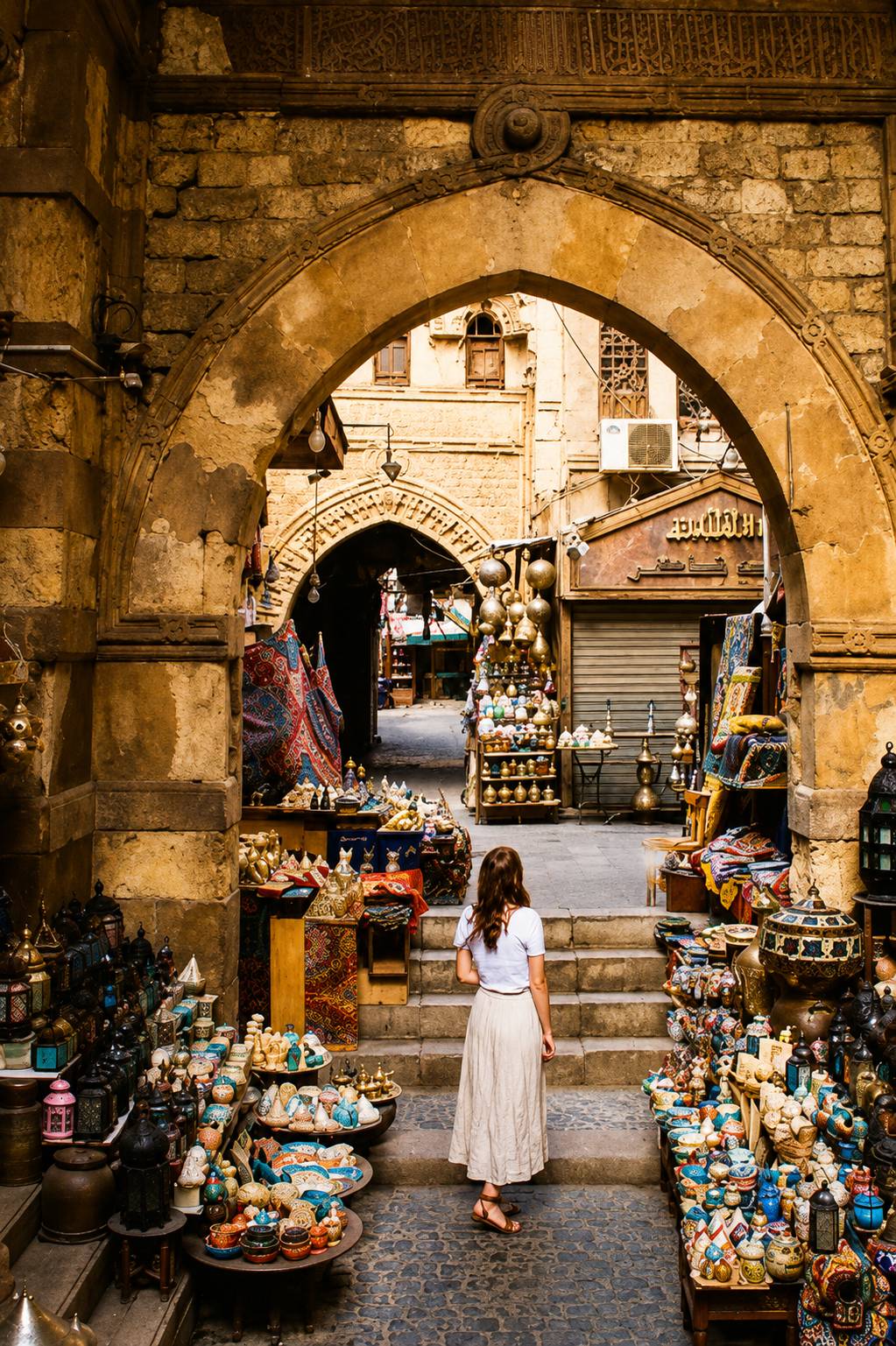
Religious Tours in Egypt: The Ultimate Guide to Christian, Islamic & Spiritual Journeys
Explore Egypt's Sacred Heritage Through Ancient Churches, Historic Mosques, Biblical Landmarks, Christian Monasteries, and Spiritual Destinations.
Egypt is much more than the land of the Pyramids and ancient Pharaohs. It is also one of the world's most fascinating destinations for religious tourism, offering thousands of years of spiritual history, sacred traditions, and remarkable religious monuments.
From the traditional journey of the Holy Family through Egypt to the ancient Christian monasteries of the Egyptian desert, from the historic mosques of Islamic Cairo to the sacred mountains of Sinai, Egypt offers extraordinary experiences for visitors interested in religion, history, culture, and spirituality.
Egypt is particularly unique because Judaism, Christianity, and Islam have all played important roles in shaping its history and cultural identity. Travelers can discover ancient churches, historic synagogues, magnificent mosques, religious schools, and monasteries that preserve centuries of spiritual heritage.
Whether you are planning a Christian pilgrimage, an Islamic heritage tour, a Holy Family journey, or a private spiritual holiday, Egypt provides opportunities for meaningful travel and cultural discovery.
At Let's Explore Egypt Travel, we organize private Egypt tours and customized itineraries to help international travelers explore the country's most important religious landmarks with professional guides and comfortable transportation.
Discover the most important religious destinations in Egypt and start planning your spiritual journey.
1. Why Is Egypt an Important Destination for Religious Tourism?
Egypt occupies a special place in the history of the three major monotheistic religions.
Its religious heritage extends across thousands of years, from ancient biblical traditions to the development of Christianity and the arrival of Islam.
For Christian visitors, Egypt is traditionally associated with the journey of the Holy Family, early Christian communities, and the development of monastic life.
For Muslim travelers, Egypt is home to some of the most important Islamic monuments in the region, including historic mosques, religious schools, and the renowned Al-Azhar institution.
For Jewish visitors, Egypt preserves an important historical legacy connected with Jewish communities, historic synagogues, and biblical traditions.
Some of the most important reasons to visit Egypt for religious tourism include:
-
Discovering the traditional route of the Holy Family.
-
Visiting historic Coptic churches in Cairo.
-
Exploring ancient Christian monasteries.
-
Climbing Mount Sinai, traditionally associated with Prophet Moses.
-
Visiting Saint Catherine's Monastery.
-
Exploring historic Islamic mosques in Cairo.
-
Discovering Jewish heritage in Old Cairo and Alexandria.
-
Experiencing the spiritual atmosphere of Egypt's deserts and religious communities.
Egypt combines religious history with remarkable architecture, traditional culture, and beautiful natural landscapes.
2. The Holy Family Journey in Egypt: Following the Footsteps of Jesus
One of the most important Christian pilgrimage experiences in Egypt is visiting the traditional locations associated with the Holy Family's journey.
According to Christian tradition, the Virgin Mary, Saint Joseph, and the infant Jesus traveled to Egypt seeking refuge.
During their journey, they visited several locations across the country, where churches, monasteries, and religious landmarks were later established.
Today, these destinations form an important part of Egypt's Christian heritage and attract pilgrims from around the world.
Important Holy Family Sites in Egypt
Abu Serga Church – Old Cairo
The Church of Saints Sergius and Bacchus, commonly known as Abu Serga, is one of the most important Christian landmarks in Egypt.
The church is traditionally associated with the Holy Family's stay in Egypt. Its underground crypt is considered one of the most significant religious locations in Coptic Cairo.
Visitors can explore its ancient architecture, religious icons, and historic sanctuary.
The Hanging Church – Coptic Cairo
The Hanging Church, officially known as Saint Virgin Mary's Coptic Orthodox Church, is among the most famous churches in Egypt.
It was constructed above the southern gate of the Roman Fortress of Babylon and is particularly admired for its wooden ceiling, marble columns, and beautiful religious icons.
The church is an essential stop for visitors interested in the history of Christianity in Egypt.
The Church of the Virgin Mary in Maadi
Located beside the Nile River, this historic church is traditionally connected with the Holy Family's journey through Egypt.
According to tradition, the Holy Family departed from this area by boat to continue their journey south along the Nile.
The church remains an important destination for Christian pilgrims.
Virgin Mary's Tree – Matariya
Located in the Matariya district of Cairo, the Virgin Mary's Tree is associated with the traditional story of the Holy Family's stay in the area.
The location attracts visitors interested in biblical traditions and the history of Christianity in Egypt.
The Monastery of the Virgin Mary at Gabal El-Tair – Minya
Located in Upper Egypt, this monastery is traditionally connected with the Holy Family's journey.
Its location overlooking the Nile makes it an interesting destination for visitors exploring the religious heritage of Minya.
The Monastery of Al-Muharraq – Assiut
The Monastery of the Virgin Mary at Al-Muharraq is among the most important Coptic pilgrimage destinations in Upper Egypt.
It is traditionally associated with an extended period of the Holy Family's stay in Egypt.
For visitors interested in Christian pilgrimage, this monastery offers a deeper understanding of Coptic religious history.
How Long Does the Holy Family Tour Take?
Visitors can explore the most important Holy Family landmarks in Cairo in one or two days.
However, travelers interested in visiting destinations across Upper Egypt should consider a longer itinerary of five to ten days.
A complete journey can include Cairo, Wadi El Natrun, Minya, and Assiut, depending on available time and travel arrangements.
3. Coptic Cairo: Discover Egypt's Ancient Christian Heritage
Coptic Cairo is one of the most important Christian historical districts in the Middle East.
Located in Old Cairo, this fascinating neighborhood contains ancient churches, religious monuments, museums, and historic sites that reflect the development of Christianity in Egypt.
A walking tour of Coptic Cairo allows visitors to discover centuries of religious traditions and architecture.
The Hanging Church
The Hanging Church is one of the most recognizable religious landmarks in Cairo.
Its name comes from its position above the remains of the Roman Fortress of Babylon.
Inside, visitors can admire beautiful icons, intricate woodwork, marble columns, and historic religious decorations.
Abu Serga Church
Abu Serga Church is especially important because of its association with the traditional Holy Family route.
Its underground crypt is one of the highlights of a Coptic Cairo visit.
Saint Barbara Church
Saint Barbara Church is another important historic church in Old Cairo.
It preserves beautiful Coptic architecture and religious artwork and is dedicated to Saint Barbara.
Abu Seifein Church
Also known as the Church of Saint Mercurius, Abu Seifein is a significant Coptic monument with a long religious history.
It is located within the historic religious district of Old Cairo.
The Coptic Museum
The Coptic Museum provides visitors with an opportunity to discover the artistic, cultural, and religious history of Egyptian Christianity.
Its collections include manuscripts, textiles, icons, woodwork, and other examples of Coptic heritage.
Ben Ezra Synagogue
Located within the same historic district, Ben Ezra Synagogue reflects the long history of Jewish communities in Egypt.
It is particularly famous for its connection with the Cairo Geniza manuscripts.
A visit to Coptic Cairo offers a unique opportunity to discover several religious traditions in one historic neighborhood.
4. Mount Sinai: A Spiritual Journey to the Mountain of Moses
Mount Sinai, also known as Jebel Musa, is one of the most famous religious destinations in Egypt.
According to biblical tradition, Mount Sinai is where Prophet Moses received the Ten Commandments.
The mountain has religious significance for Christians, Muslims, and Jews, making it an important destination for spiritual travelers.
Located in South Sinai, Mount Sinai is surrounded by spectacular mountains and desert landscapes.
The Mount Sinai Climb
One of the most memorable experiences in Egypt is climbing Mount Sinai during the night to reach the summit around sunrise.
The journey usually begins before midnight or during the early morning hours, depending on the selected arrangement.
Visitors can enjoy beautiful mountain scenery and experience the peaceful atmosphere of this historic destination.
There are different routes to the summit, and the climb requires reasonable physical fitness.
Travelers should wear comfortable walking shoes and warm clothing, especially during winter.
Saint Catherine's Monastery
Located at the foot of Mount Sinai, Saint Catherine's Monastery is one of the world's oldest continuously functioning Christian monasteries.
Built during the sixth century under the Byzantine Emperor Justinian I, the monastery is a remarkable example of early Christian architecture.
Its important features include:
-
The Church of the Transfiguration.
-
The Chapel of the Burning Bush.
-
Historic religious icons.
-
Ancient manuscripts.
-
A remarkable collection of historical documents.
-
A Fatimid-era mosque.
-
Traditional monastery buildings.
Saint Catherine's Monastery is also recognized as a UNESCO World Heritage Site.
Visitors should check the monastery's official opening arrangements before planning their visit because access hours and visiting days are limited.
Why Visit Mount Sinai?
A visit to Mount Sinai combines religious history, cultural discovery, and natural beauty.
It is particularly suitable for:
-
Christian pilgrimage groups.
-
Muslim travelers interested in the story of Prophet Moses.
-
Jewish heritage travelers.
-
Religious history enthusiasts.
-
Visitors seeking a peaceful spiritual experience.
5. The Ancient Christian Monasteries of Egypt
Egypt played a major role in the development of Christian monasticism.
During the early centuries of Christianity, monks traveled into the Egyptian desert to dedicate their lives to prayer, worship, and spiritual discipline.
Several of these ancient monasteries remain active religious communities and important historical destinations.
Wadi El Natrun Monasteries
Wadi El Natrun is one of the most important centers of Coptic monasticism in Egypt.
Located between Cairo and Alexandria, this region contains several historic monasteries.
Important monasteries include:
Monastery of Saint Bishoy
One of the most important Coptic monasteries in Wadi El Natrun, known for its religious significance and historic architecture.
Monastery of the Syrians
Also known as Deir El-Surian, this monastery preserves important religious artwork, manuscripts, and architectural features.
Monastery of Saint Macarius
A significant spiritual center associated with the development of Egyptian monasticism.
Monastery of the Romans
Another historic monastery in the region, forming part of the remarkable religious heritage of Wadi El Natrun.
Visits should be arranged according to the monasteries' visitor policies and religious schedules.
Monastery of Saint Anthony
Located in the Eastern Desert near the Red Sea Mountains, the Monastery of Saint Anthony is traditionally regarded as one of the oldest Christian monasteries in the world.
Saint Anthony is widely recognized as an important founder of Christian monasticism.
The monastery features historic churches, religious paintings, ancient buildings, and peaceful surroundings.
Visitors interested in early Christian history will find this destination particularly meaningful.
Monastery of Saint Paul
The Monastery of Saint Paul is another important Christian pilgrimage destination in the Eastern Desert.
It is associated with Saint Paul the First Hermit and preserves centuries of monastic traditions.
Its remote desert location makes the journey particularly interesting for travelers seeking to discover Egypt beyond its main tourist cities.
6. Islamic Cairo: A Journey Through Egypt's Islamic Heritage
Cairo is one of the world's most important historic Islamic cities.
Its remarkable collection of mosques, religious schools, historic streets, and architectural monuments reflects centuries of Islamic culture and scholarship.
An Islamic Cairo tour allows visitors to explore the city's religious heritage while discovering the architectural beauty of its historic districts.
Al-Azhar Mosque
Al-Azhar Mosque is one of the most famous Islamic landmarks in Egypt.
Founded in the tenth century, it developed into one of the most influential centers of Islamic learning.
Its beautiful courtyard, historic architecture, and religious importance make it a must-visit destination.
Mosque of Amr Ibn Al-As
Located in Old Cairo, the Mosque of Amr Ibn Al-As is traditionally recognized as the first mosque established in Egypt and Africa.
Its origins date to the seventh century, although the building has undergone many renovations and reconstructions.
The mosque is an important landmark for visitors interested in the early history of Islam in Egypt.
Mosque of Sultan Hassan
The Mosque-Madrasa of Sultan Hassan is one of Cairo's most impressive examples of Mamluk architecture.
Its enormous entrance, impressive courtyard, and beautiful stonework make it one of the highlights of Islamic Cairo.
Al-Rifa'i Mosque
Located opposite the Mosque of Sultan Hassan, Al-Rifa'i Mosque is famous for its elegant architectural design and royal tombs.
Together, the two mosques create one of Cairo's most remarkable architectural scenes.
Mosque of Ibn Tulun
The Mosque of Ibn Tulun is among the oldest and largest mosques in Cairo.
Built during the ninth century, it is famous for its spacious courtyard, distinctive minaret, and beautiful Islamic architectural details.
Mosque of Muhammad Ali
Located inside the Citadel of Saladin, the Mosque of Muhammad Ali is one of Cairo's most recognizable landmarks.
Its Ottoman-inspired architecture, large domes, and impressive minarets dominate the skyline.
Visitors can also enjoy beautiful panoramic views of Cairo from the surrounding Citadel.
Al-Hussein Mosque
Located near Khan el Khalili, Al-Hussein Mosque is an important religious landmark in Islamic Cairo.
The surrounding neighborhood is also famous for its traditional markets, historic streets, and cultural atmosphere.
7. Jewish Heritage in Egypt: Historic Synagogues and Sacred Places
Egypt has a rich Jewish history dating back many centuries.
Jewish communities contributed to the country's cultural, commercial, and religious development, particularly in Cairo and Alexandria.
Visitors interested in Jewish heritage can explore several historic synagogues and locations associated with Jewish communities.
Ben Ezra Synagogue – Cairo
Ben Ezra Synagogue is one of the most historically significant Jewish landmarks in Egypt.
Located in Old Cairo, it is particularly famous for the Cairo Geniza, a collection of historical Jewish manuscripts that provided important information about Jewish life and communities in the medieval Mediterranean world.
Sha'ar Hashamayim Synagogue – Cairo
Also known as the Gates of Heaven Synagogue, this historic synagogue reflects the history of Cairo's Jewish community.
Eliyahu Hanavi Synagogue – Alexandria
Located in Alexandria, Eliyahu Hanavi Synagogue is one of the city's most important Jewish heritage landmarks.
It is a remarkable example of the historical presence of Jewish communities in Egypt.
Access to synagogues may be restricted or subject to prior arrangements, so visitors should confirm availability before traveling.
8. Best Religious Tours and Spiritual Journeys in Egypt
Egypt offers a wide range of religious tours, from short sightseeing experiences to multi-day pilgrimage programs.
Below are suggested itineraries for travelers interested in discovering Egypt's sacred heritage.
Tour 1: Coptic Cairo and Holy Family Tour
Duration: Approximately 6–8 hours.
Suggested itinerary:
-
Hotel pickup in Cairo.
-
Visit the Hanging Church.
-
Explore Abu Serga Church.
-
Visit Saint Barbara Church.
-
Discover Abu Seifein Church.
-
Explore the Coptic Museum, subject to opening hours.
-
Visit Ben Ezra Synagogue.
-
Explore the historic Religious Complex.
-
Return to your hotel.
This experience is ideal for Christian visitors and travelers interested in Egypt's ancient religious history.
Tour 2: Islamic Cairo Religious and Historical Tour
Duration: Approximately 6–8 hours.
Suggested itinerary:
-
Hotel pickup.
-
Visit the Citadel of Saladin.
-
Explore the Mosque of Muhammad Ali.
-
Visit the Mosque of Sultan Hassan.
-
Discover Al-Rifa'i Mosque.
-
Explore Al-Azhar Mosque.
-
Visit historic Islamic streets.
-
Discover Khan el Khalili Bazaar.
-
Return to your hotel.
This tour is suitable for visitors interested in Islamic architecture, history, and culture.
Tour 3: Wadi El Natrun Christian Monastery Tour
Duration: Approximately 8–10 hours, depending on traffic and monastery access.
Suggested itinerary:
-
Private pickup from Cairo.
-
Travel to Wadi El Natrun.
-
Visit selected Coptic monasteries.
-
Learn about the history of Egyptian monasticism.
-
Explore the architecture and religious heritage of the monasteries.
-
Return to Cairo.
The number of monasteries visited depends on their opening schedules and visitor regulations.
Tour 4: Mount Sinai and Saint Catherine's Monastery
Duration: 2–3 days.
Day 1: Cairo to Saint Catherine
-
Private transfer from Cairo.
-
Travel through the Sinai Peninsula.
-
Arrive in Saint Catherine.
-
Check in to your accommodation.
-
Overnight stay.
Day 2: Mount Sinai and Saint Catherine's Monastery
-
Early morning Mount Sinai climb.
-
Watch the sunrise, weather and access permitting.
-
Return to the accommodation.
-
Breakfast.
-
Visit Saint Catherine's Monastery during official visiting hours.
-
Explore the surrounding mountain area.
-
Overnight stay or departure according to the itinerary.
Day 3: Return to Cairo
-
Breakfast.
-
Private transfer back to Cairo.
Tour 5: Seven-Day Religious Tour of Egypt
Duration: 7 days.
This program combines important Christian, Islamic, and biblical destinations.
Day 1: Arrival in Cairo
-
Airport pickup.
-
Private transfer to your hotel.
-
Free time.
Day 2: Coptic Cairo and Holy Family Heritage
-
Hanging Church.
-
Abu Serga Church.
-
Saint Barbara Church.
-
Ben Ezra Synagogue.
-
Old Cairo Religious Complex.
Day 3: Islamic Cairo
-
Mosque of Amr Ibn Al-As.
-
Mosque of Sultan Hassan.
-
Al-Rifa'i Mosque.
-
Al-Azhar Mosque.
-
Khan el Khalili.
Day 4: Wadi El Natrun Monasteries
-
Travel to Wadi El Natrun.
-
Visit selected monasteries.
-
Return to Cairo.
Day 5: Travel to Saint Catherine
-
Private transfer through Sinai.
-
Arrival and accommodation.
-
Overnight stay.
Day 6: Mount Sinai and Saint Catherine's Monastery
-
Early morning mountain climb.
-
Visit the monastery according to its opening arrangements.
-
Discover the history of the region.
Day 7: Return to Cairo
-
Private transfer.
-
Airport drop-off or additional accommodation.
This itinerary can be customized according to the group's religious interests, flight schedules, and travel preferences.
Tour 6: Ten-Day Christian Pilgrimage Tour in Egypt
Duration: 10 days.
A longer journey allows visitors to explore more of Egypt's Christian heritage.
Suggested itinerary:
-
Day 1: Arrival in Cairo.
-
Day 2: Coptic Cairo and historic churches.
-
Day 3: Virgin Mary's Tree and Maadi Holy Family sites.
-
Day 4: Wadi El Natrun monasteries.
-
Day 5: Travel to Minya and visit selected Holy Family sites.
-
Day 6: Visit Gabal El-Tair and surrounding Christian landmarks.
-
Day 7: Travel to Assiut.
-
Day 8: Visit the Monastery of Al-Muharraq and selected religious sites.
-
Day 9: Visit Deir Dronka and return arrangements.
-
Day 10: Departure.
Long-distance transportation, overnight accommodation, and monastery access should be planned in advance.
9. Best Time to Visit Egypt for Religious Tours
The best time for most religious tours in Egypt is generally between October and April.
During these months, temperatures are usually more comfortable for walking through historic neighborhoods, visiting monasteries, and exploring outdoor religious destinations.
Winter: December to February
Winter is suitable for visiting Cairo, Alexandria, and many religious landmarks in Upper Egypt.
However, temperatures in Saint Catherine and Mount Sinai can become very cold at night.
Visitors planning an early morning mountain climb should bring warm clothing.
Spring: March to April
Spring offers pleasant sightseeing conditions in many parts of Egypt.
It is a good period for exploring churches, mosques, monasteries, and historical sites.
Autumn: October to November
Autumn is another excellent season for religious tourism.
The weather is generally more comfortable than during the summer, making it suitable for longer sightseeing programs.
Religious Holidays and Special Celebrations
Egypt celebrates many important religious occasions throughout the year.
Visitors interested in attending religious celebrations should research the relevant dates and confirm whether public participation is permitted.
Accommodation and transportation should be arranged early during major religious holidays.
10. What to Wear When Visiting Religious Sites in Egypt
Respectful clothing is important when visiting churches, monasteries, mosques, and synagogues.
Although specific requirements vary between destinations, visitors should generally follow these recommendations:
-
Wear clothing that covers the shoulders.
-
Choose trousers, long skirts, or clothing covering the knees.
-
Avoid revealing outfits.
-
Women may be required to cover their hair when entering certain mosques.
-
Remove shoes when required.
-
Follow local photography regulations.
-
Avoid disturbing religious ceremonies.
-
Respect monks, worshippers, and religious staff.
Some monasteries and religious institutions have additional visitor requirements.
Your guide can help explain the appropriate arrangements before entering each site.
11. Is Egypt Suitable for Religious Group Tours?
Yes. Egypt is an excellent destination for religious group travel.
Church communities, pilgrimage groups, cultural associations, families, and educational organizations can organize private journeys to explore the country's spiritual heritage.
Group tours can be customized according to the visitors' religious interests and available travel dates.
Popular group experiences include:
Christian Church Groups
-
Holy Family pilgrimage.
-
Coptic Cairo.
-
Wadi El Natrun monasteries.
-
Saint Catherine's Monastery.
-
Mount Sinai.
Muslim Heritage Groups
-
Historic Islamic Cairo.
-
Al-Azhar Mosque.
-
Mosque of Amr Ibn Al-As.
-
Mosque of Ibn Tulun.
-
Islamic architectural tours.
Interfaith and Cultural Groups
-
Coptic Cairo.
-
Islamic Cairo.
-
Jewish heritage sites.
-
Mount Sinai.
-
Historic religious landmarks.
Private group tours can include air-conditioned transportation, professional guides, customized sightseeing, and assistance with entrance arrangements.
12. Is Egypt Safe for Religious Tourism?
Egypt is an established international tourism destination, and its historic religious landmarks receive visitors from many countries.
As with any international journey, travelers should take normal precautions and follow current official travel advice.
For a comfortable and organized experience, consider the following recommendations:
-
Book transportation through a reputable local tour operator.
-
Confirm the visiting arrangements for monasteries and religious institutions.
-
Follow local regulations and security instructions.
-
Respect religious customs and dress requirements.
-
Keep personal belongings secure.
-
Confirm opening hours before visiting.
-
Allow additional time for long-distance journeys.
Some religious destinations are located in remote desert or mountain areas, making advance transportation arrangements particularly important.
13. Private Religious Tours in Egypt: What Is Included?
Private religious tours offer flexibility for visitors who want to explore sacred destinations at their own pace.
Depending on the selected package, services may include:
-
Private air-conditioned transportation.
-
Professional licensed Egyptologist guide.
-
Hotel pickup and drop-off.
-
Customized sightseeing itinerary.
-
Assistance with entrance tickets.
-
Private transfers between cities.
-
Accommodation arrangements for multi-day tours.
-
Airport transfers.
-
Flexible departure times where possible.
Entrance fees, meals, accommodation, and additional activities should be confirmed in the quotation because inclusions vary between packages.
14. Why Choose Let's Explore Egypt Travel?
Planning a religious journey requires careful organization, especially when visiting several destinations across Egypt.
At Let's Explore Egypt Travel, we help international visitors discover Egypt's cultural and spiritual heritage through personalized travel arrangements.
Our company focuses on private tours, flexible itineraries, and comfortable sightseeing experiences.
Our Services
Private Transportation
Travel between religious landmarks in a private air-conditioned vehicle with a professional driver.
Professional Guides
Explore Egypt's history with knowledgeable guides and arrange specialized religious or historical guidance according to your itinerary.
Customized Itineraries
Choose the destinations that interest you most, from Coptic Cairo and Islamic Cairo to Mount Sinai and the monasteries of Upper Egypt.
Flexible Travel Arrangements
Organize tours for individuals, couples, families, and larger groups.
Entrance Ticket Assistance
Receive assistance with entrance arrangements and ticket information for selected attractions.
Airport and Hotel Transfers
Arrange convenient transportation throughout your stay in Egypt.
Whether you are planning a short religious sightseeing experience or an extended pilgrimage, our team can help create a suitable itinerary.
15. Explore More Egypt Tour Packages
Religious tourism is just one way to discover Egypt.
Travelers can combine their spiritual journey with visits to the Pyramids of Giza, the Grand Egyptian Museum, Luxor, Aswan, Alexandria, and other remarkable destinations.
If you are planning a longer holiday, explore our available private Egypt tour packages.
Choose from different itineraries, travel durations, and sightseeing experiences according to your interests and schedule.
Discover Egypt with private transportation, professional guides, and personalized travel arrangements.
Explore our available packages:
https://letsexploreegypttravel.com/en/egypttourpackages
16. Frequently Asked Questions About Religious Tours in Egypt
1. What are the most important Christian pilgrimage sites in Egypt?
Important Christian destinations include the Hanging Church, Abu Serga Church, Saint Catherine's Monastery, Wadi El Natrun monasteries, the Monastery of Saint Anthony, and the Monastery of Al-Muharraq.
2. Can I follow the Holy Family route in Egypt?
Yes. Visitors can explore several traditional Holy Family locations throughout Egypt, including Cairo, Wadi El Natrun, Minya, and Assiut.
A multi-day itinerary is recommended for travelers who want to visit destinations outside Cairo.
3. Is Mount Sinai important to Christianity, Islam, and Judaism?
Yes. Mount Sinai is traditionally associated with Prophet Moses and is significant to all three Abrahamic religions.
4. Can non-Christians visit Christian monasteries in Egypt?
Many monasteries accept visitors from different religious backgrounds, subject to their individual visitor policies, opening schedules, and religious activities.
5. Can non-Muslims visit mosques in Cairo?
Many historic mosques welcome respectful visitors outside prayer times, subject to local access arrangements and dress requirements.
6. How many days are needed for a religious tour in Egypt?
A one-day tour is sufficient for exploring Coptic Cairo or Islamic Cairo.
A three-day trip can include Mount Sinai and Saint Catherine's Monastery.
A seven-to-ten-day itinerary is suitable for visitors interested in several religious destinations across Egypt.
7. What is the best time for Christian pilgrimage tours in Egypt?
October to April is generally recommended because temperatures are more comfortable for sightseeing and outdoor activities.
8. Can I organize a private Christian group tour in Egypt?
Yes. Private Christian pilgrimage tours can be organized for church communities, families, couples, and larger groups.
9. Are entrance fees included in religious tour packages?
This depends on the selected itinerary. Your quotation can specify whether entrance tickets are included or paid separately.
10. Can I combine Islamic and Christian heritage tours?
Absolutely. Cairo offers opportunities to discover both Christian and Islamic heritage, often within the same sightseeing program.
11. Are religious tours in Egypt suitable for senior travelers?
Yes. Itineraries can be adapted to reduce walking, include more rest breaks, and use private transportation. However, mountain climbing at Mount Sinai requires a higher level of physical fitness.
12. Can I customize my religious tour itinerary?
Yes. Private tours can be customized according to your religious interests, travel dates, group size, accommodation preferences, and budget.
17. Book Your Religious Journey in Egypt
Egypt is a land of extraordinary spiritual history, where ancient traditions, religious communities, and sacred landmarks have shaped the country's identity for thousands of years.
From the traditional journey of the Holy Family to the peaceful monasteries of the Egyptian desert, from the historic mosques of Cairo to the sacred heights of Mount Sinai, every destination offers a unique opportunity to discover Egypt's spiritual heritage.
Whether you are planning a Christian pilgrimage, an Islamic heritage experience, a Jewish historical journey, or a personalized spiritual holiday, Egypt welcomes you to explore its remarkable religious history.
Let’s Explore Egypt Travel can help you organize your journey with private transportation, professional guides, and customized itineraries.
Start planning your Egyptian adventure today.
Explore our Egypt Tour Packages:
https://letsexploreegypttravel.com/en/egypttourpackages
Contact Let's Explore Egypt Travel to request your private religious tour in Egypt.