
Aswan Attractions: Best Places to Visit in Aswan, Egypt
Discover the Best Things to Do in Aswan
Aswan is one of the most fascinating destinations in southern Egypt, known for its ancient temples, granite quarries, beautiful Nile scenery, Nubian culture, and remarkable archaeological sites. Located along the Nile River, Aswan offers a different atmosphere from Cairo and Luxor, with picturesque islands, traditional sailing boats, colorful villages, and monuments that reveal thousands of years of Egyptian history.
Whether you are planning a day trip, a Nile cruise, or a longer Egypt vacation, exploring Aswan's attractions is an essential part of discovering Upper Egypt.
From the magnificent Temple of Philae to the Unfinished Obelisk, the Aswan High Dam, and the legendary temples of Abu Simbel, this guide introduces the best places to visit in Aswan and helps you plan your sightseeing itinerary.
1. Philae Temple
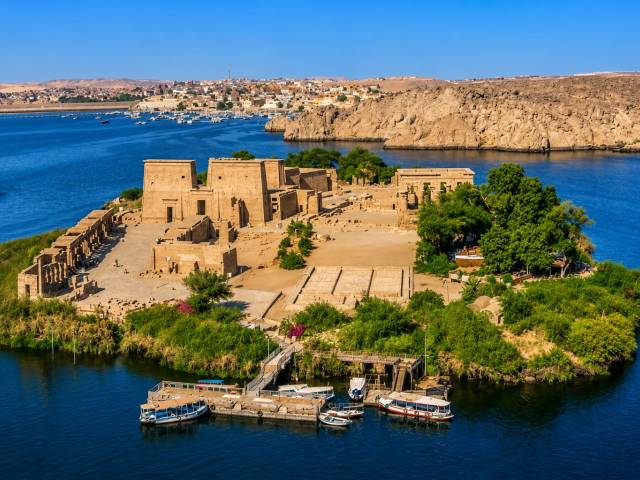
Philae Temple is one of Aswan's most beautiful ancient monuments. Dedicated primarily to the goddess Isis, the temple complex stands on Agilkia Island and is reached by motorboat across the Nile.
The complex includes monumental gateways, decorated columns, sacred chambers, the Birth House, and the famous Kiosk of Trajan. Its history reflects the importance of Isis in ancient Egyptian religion and the continuation of traditional worship into the Roman period.
The temple was relocated from the original Philae Island during an international preservation campaign supported by UNESCO after the construction of the Aswan High Dam threatened the ancient monuments.
Why visit?
Discover the Temple of Isis and its decorated reliefs.
Enjoy a scenic boat ride to Agilkia Island.
Explore the Birth House and Kiosk of Trajan.
Learn about one of Egypt's most important archaeological rescue projects.
Read our Philae Temple in Aswan: History, Tickets & Visitor Guide.
2. The Unfinished Obelisk
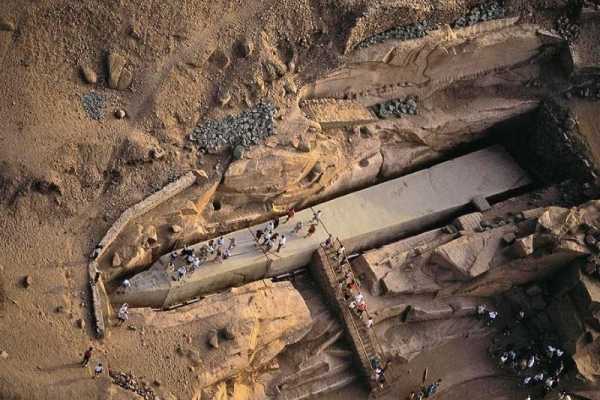
The Unfinished Obelisk is located in Aswan's ancient granite quarries. It reveals how ancient Egyptian craftsmen worked massive blocks of granite to create monumental obelisks.
Traditionally associated with Queen Hatshepsut, the monument would have been approximately 42 meters tall if completed. Cracks in the granite caused the ancient workers to abandon the project, leaving the obelisk attached to the bedrock.
Visitors can examine the surrounding trenches and stone surfaces to understand the challenges of ancient stone extraction.
Why visit?
See an enormous unfinished granite monument.
Discover ancient Egyptian stone-cutting techniques.
Learn why the obelisk was abandoned.
Explore one of Aswan's most important archaeological sites.
Read our guide to the Unfinished Obelisk in Aswan for its history, dimensions, tickets, and visitor information.
3. Aswan High Dam
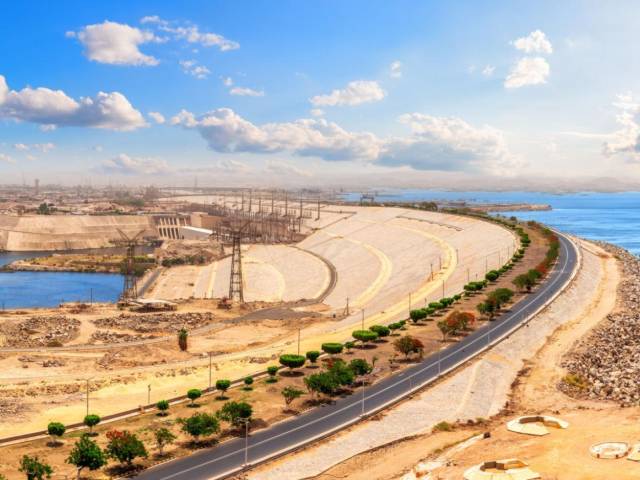
The Aswan High Dam is one of Egypt's most important modern engineering projects. Built across the Nile south of Aswan, it helps regulate the river's water flow, supports irrigation, and created Lake Nasser, one of the world's largest artificial lakes.
The dam also played an important role in the history of Nubian archaeological preservation because the rising water threatened numerous ancient monuments.
Why visit?
Learn about modern Egyptian engineering.
Discover the importance of water management and flood control.
Enjoy views of Lake Nasser and the surrounding landscape.
Understand the connection between the dam and the relocation of Philae Temple.
The High Dam is commonly combined with Philae Temple and the Unfinished Obelisk on an Aswan sightseeing tour.
4. Nubian Museum
The Nubian Museum presents the history, archaeology, and cultural heritage of Nubia, the region extending across southern Egypt and northern Sudan.
Its collections include archaeological discoveries, traditional objects, sculptures, and displays that illustrate Nubian life through different historical periods.
The museum is an excellent choice for travelers who want to understand the people and culture of southern Egypt in addition to visiting its ancient temples.
Why visit?
Learn about Nubian history and traditions.
Explore archaeological collections from the region.
Discover the relationship between ancient Nubia and Egypt.
Enjoy an indoor attraction during the hotter hours of the day.
5. Elephantine Island
Elephantine Island lies in the Nile opposite central Aswan. It is one of the region's most important archaeological locations, with evidence of ancient settlements dating back thousands of years.
The island contains remains associated with the ancient town of Abu, including temples dedicated to Khnum and Satet, as well as archaeological areas that reveal how people lived along the Nile.
Why visit?
Explore the remains of an ancient Egyptian settlement.
Learn about the worship of Khnum, the ram-headed god associated with the Nile's waters.
Enjoy river scenery and traditional island life.
Discover the history of Aswan as a southern gateway to Egypt.
6. Abu Simbel Temples
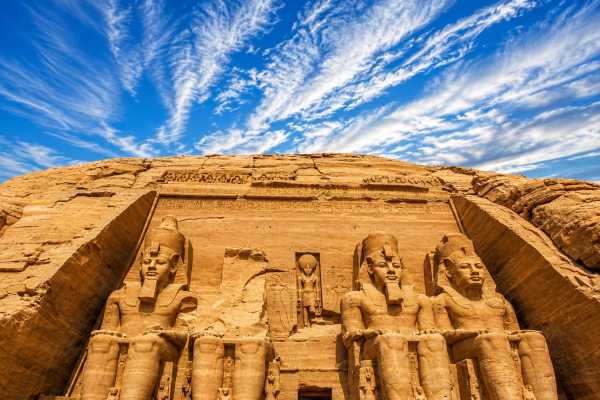
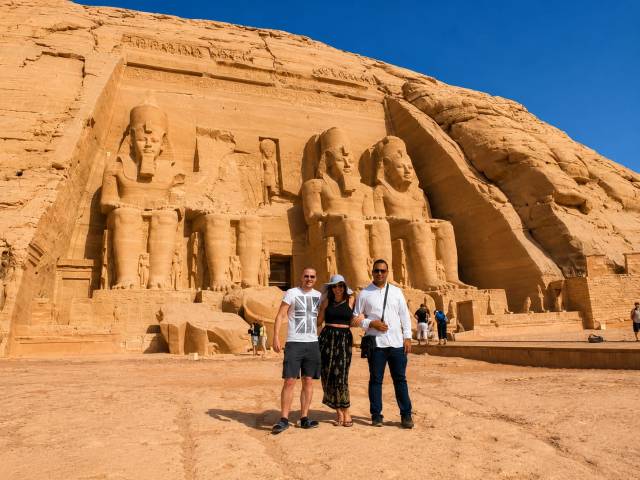
The temples of Abu Simbel are among the most spectacular monuments in southern Egypt. Commissioned by Ramesses II during the nineteenth dynasty, the two rock-cut temples are famous for their colossal statues and monumental interiors.
The Great Temple honors Ramesses II and includes impressive royal imagery, while the smaller temple is dedicated to Queen Nefertari and the goddess Hathor.
Like Philae, Abu Simbel was relocated to protect it from the rising waters associated with the Aswan High Dam project.
Abu Simbel is approximately 280–300 kilometers south of Aswan, depending on the route. Most visitors arrange a dedicated excursion rather than combining it with a short city sightseeing tour.
Why visit?
See the colossal statues of Ramesses II.
Explore remarkable rock-cut temple architecture.
Learn about the temples' relocation.
Experience one of Egypt's most celebrated archaeological destinations.
7. Monastery of St. Simeon
The Monastery of St. Simeon is a historic Christian monastery located on the West Bank of the Nile near Aswan.
The remains include substantial mudbrick walls, religious spaces, and evidence of the monastic community that once lived in the area. Its setting also provides a different perspective on the history and landscapes surrounding Aswan.
Visitors commonly reach the area by arranging local transportation and, depending on the route, a boat crossing or a walk through the surrounding desert landscape.
8. Tombs of the Nobles
The Tombs of the Nobles are located on the West Bank of the Nile near Aswan. These rock-cut tombs belonged to governors and high-ranking officials from different periods of ancient Egyptian history.
Their inscriptions and wall decorations provide information about administration, trade expeditions, religious beliefs, and everyday life in ancient Egypt.
Some tombs feature detailed scenes of travel, hunting, agriculture, and official activities, making them valuable for understanding life beyond the royal monuments.
9. Kalabsha Temple
Kalabsha Temple is an important monument from the Roman period, dedicated primarily to the Nubian god Mandulis.
The temple was moved from its original location to protect it from flooding after the construction of the Aswan High Dam. It stands near Lake Nasser and offers visitors another example of the international effort to preserve Nubia's archaeological heritage.
Travelers interested in ancient architecture and Nubian history may find Kalabsha a rewarding addition to a longer Aswan itinerary.
10. Aswan Botanical Garden
Aswan Botanical Garden occupies Kitchener's Island in the Nile. The island is known for its collection of tropical and subtropical plants, shaded walking paths, and peaceful river scenery.
A visit offers a relaxing contrast to the region's archaeological sites and is particularly appealing to travelers who enjoy nature and photography.
Visitors usually reach the island by boat, making the journey part of the experience.
11. Nubian Villages
Nubian villages near Aswan are known for their colorful houses, distinctive architecture, local crafts, and cultural traditions.
A visit can provide an opportunity to learn about Nubian heritage and daily life in southern Egypt. Choose a responsible local experience that respects residents, asks permission before photographing people, and supports local businesses.
Boat trips along the Nile often form part of visits to villages on the riverbanks or nearby islands.
12. Aswan Corniche and Nile Felucca Rides
The Aswan Corniche is a pleasant place to walk beside the Nile, watch boats, and enjoy views of the islands and river landscape.
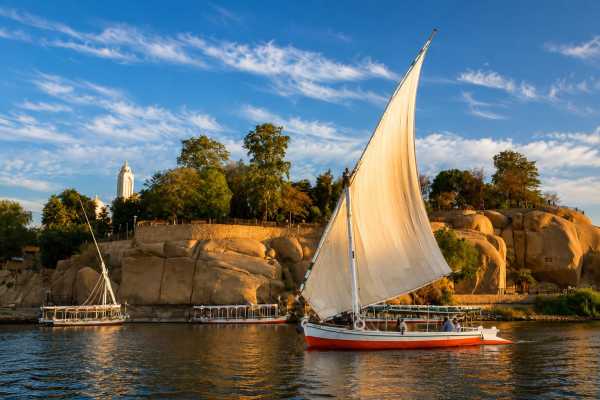
A traditional felucca ride offers another way to experience Aswan. These sailing boats move along the river, passing granite rocks, green riverbanks, and islands.
Felucca rides are especially popular around sunset, although the best timing depends on weather conditions and the arrangement with your boat operator.
Best Things to Do in Aswan in One Day
If you have one day in Aswan, focus on the major attractions rather than trying to visit every site.
A practical itinerary could include:
Morning
Visit Philae Temple and enjoy the boat transfer.
Explore the Unfinished Obelisk.
Midday
Visit the Aswan High Dam.
Have lunch and take a break from the heat.
Afternoon
Visit the Nubian Museum or enjoy a boat ride on the Nile.
If time permits, explore a Nubian village or take a felucca ride.
If Abu Simbel is a priority, plan a separate day because the journey is long.
Best Time to Visit Aswan
The cooler months, generally October through April, are popular for sightseeing in Aswan. Temperatures are often more comfortable for visiting temples, archaeological sites, and outdoor attractions.
Summer can be extremely hot, especially around midday. If you travel during the warmer months, start sightseeing early, drink water regularly, and allow time for rest.
How Many Days Do You Need in Aswan?
One full day is enough to visit several of Aswan's main attractions, including Philae Temple, the Unfinished Obelisk, and the High Dam.
Two days provide more time for the Nubian Museum, Elephantine Island, a felucca ride, and other cultural experiences.
Three days or more can allow you to explore additional sites and arrange a separate excursion to Abu Simbel without rushing your visit.
How to Get Around Aswan
Visitors can explore Aswan by taxi, private car, guided tour, and boat, depending on the attraction.
Philae Temple requires a boat transfer to Agilkia Island. Botanical Garden visits also require a boat, while other attractions are reached by road or by combining road and walking routes.
For a smoother sightseeing experience, confirm transportation, pickup arrangements, entrance tickets, and guide services before booking.
Plan Your Aswan Trip with Let's Explore Egypt Travel
Discover Aswan's ancient temples, Nubian heritage, Nile landscapes, and remarkable monuments with a sightseeing itinerary suited to your travel plans.
Depending on the services selected, you can combine Philae Temple, the Unfinished Obelisk, the High Dam, and other attractions in a private excursion. Abu Simbel can be arranged as a separate day trip.
Before booking, confirm the itinerary, entrance fees, transportation, guide arrangements, and any optional activities.
Explore the wonders of southern Egypt with Let's Explore Egypt Travel and discover the history and culture that make Aswan a memorable destination.