



Best Time to Visit the Giza Pyramids: Weather, Crowds & Photography Tips
Planning a trip to Egypt and wondering about the best time to visit the Giza Pyramids? Choosing the right time can make a big difference to your experience. The weather, crowd levels, sunlight, and opening hours all affect how comfortably you can explore the pyramids and take photographs.
For most visitors, an early morning visit is a great choice. Temperatures are usually more comfortable, the light can be beautiful for photography, and arriving early gives you more time to explore before the busiest part of the day.
The best month depends on your priorities. If you want comfortable outdoor sightseeing, the cooler months are generally a good option. If you prefer fewer visitors and can handle the heat, a summer visit may also work with careful planning.
In this guide, you'll learn when to visit the Giza Pyramids, which months offer the most comfortable weather, how to avoid the busiest periods, what time is best for photography, and how to plan a smooth visit.
What Is the Best Time of Day to Visit the Giza Pyramids?
Early morning is generally the best time to visit the Giza Pyramids, particularly if you want to avoid the strongest midday heat.
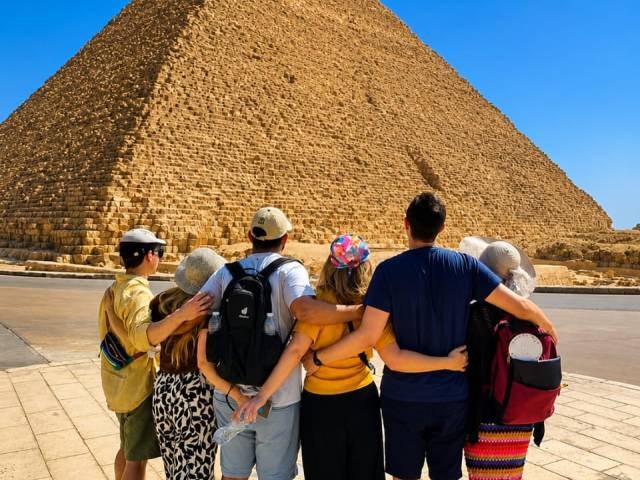
The three main pyramids—Khufu, Khafre, and Menkaure—stand on an open archaeological plateau with limited shade in many areas. Starting early makes walking around the site more comfortable, especially during warmer months.
Early Morning: Best for Comfortable Sightseeing
Arriving around the official opening time gives you more opportunity to explore the plateau before temperatures rise and visitor numbers increase.
Early morning is particularly suitable for:
Families traveling with children.
Visitors planning to walk around the plateau.
Travelers hoping to enter a pyramid, subject to ticket availability.
Photographers who prefer softer light.
Visitors combining Giza with another attraction later in the day.
Check the official opening hours before your visit because schedules may change seasonally or during special periods.
Mid-Morning: Good for a Flexible Visit
Mid-morning can still be a good time to explore, especially during cooler months. However, visitor numbers and temperatures may increase as the day progresses.
If you arrive later in the morning, prioritize the attractions that matter most to you. Allow enough time for the Great Pyramid, the other pyramid viewpoints, and the Great Sphinx rather than trying to rush through every area.
Midday: Best Planned Carefully in Hot Weather
The middle of the day can be challenging during summer because large parts of the plateau are exposed to direct sunlight.
If midday is your only option, bring water, wear sun protection, take breaks when needed, and avoid overloading your itinerary. Visitors who are sensitive to heat may prefer a shorter visit or a cooler season.
Late Afternoon: An Alternative for Photography
Late afternoon can offer warm light and attractive photographic conditions. Depending on the season and the official closing time, it may also be less busy than the middle of the day.
However, don't arrive too close to closing. You need enough time to enter the site, visit your chosen areas, and return to the exit without rushing.
What Is the Best Month to Visit the Giza Pyramids?
For many travelers, October through April is a useful starting point when choosing dates for a comfortable outdoor visit. Conditions vary from month to month, and winter nights and early mornings can be cool.
The best month ultimately depends on your budget, tolerance for heat, preferred crowd levels, and travel schedule.
October and November
Autumn can be a good time to explore Giza as temperatures become more comfortable after summer.
These months suit travelers who want to walk around the plateau, take photographs, and combine the pyramids with other Cairo attractions. November can also offer pleasant conditions for longer sightseeing days.
December and January
Winter is popular with travelers looking for milder daytime temperatures. It can be comfortable for exploring the plateau without the intense heat of summer.
However, the holiday period can bring increased demand for tours and accommodation. Early mornings may feel chilly, so carrying a light jacket is sensible.
February and March
Late winter and early spring can provide a good balance between sightseeing comfort and longer daylight hours.
Spring weather can occasionally bring dusty or windy conditions. Check the forecast close to your travel date, especially if photography is a major priority.
April and May
Spring gradually becomes warmer. Early starts are increasingly useful, particularly for visitors planning a longer walk around the plateau.
May can still be manageable with a morning visit, but temperatures may become uncomfortable later in the day.
June, July, and August
Summer is the hottest period for outdoor sightseeing in Giza. The plateau has exposed areas with limited shade, so walking can become tiring during the hottest hours.
A summer visit is still possible. Plan to arrive early, carry water, use sun protection, and focus on your priority attractions before the heat becomes intense.
September
September is a transition month. Conditions can remain hot, particularly early in the month, but temperatures generally begin to ease as autumn approaches.
If you travel in September, an early morning itinerary is a sensible choice.
Best Time to Visit for Pyramid Photography
The pyramids look different throughout the day because sunlight changes their color, shadows, and contrast.
Morning Photography
Morning light can create clear details and softer shadows on the pyramid surfaces. It can also be more comfortable to move between viewpoints while carrying photography equipment.
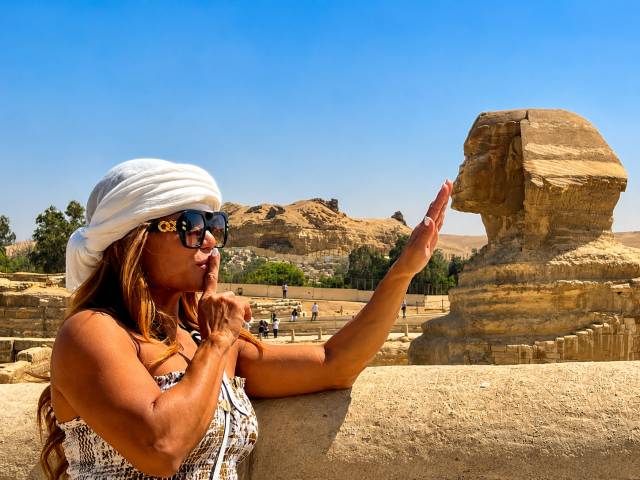
Morning is a strong option for travelers who want wide shots of the pyramids, portraits, and photographs around the Great Sphinx.
Late-Afternoon Photography
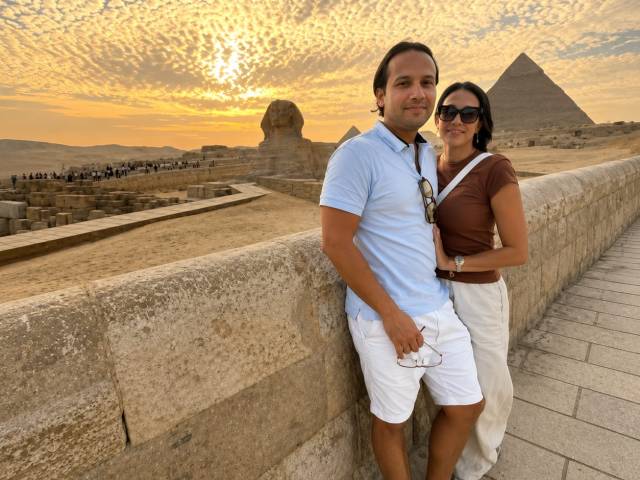
Later sunlight can give the limestone structures warmer tones and create more dramatic shadows.
The panoramic viewpoint may be particularly appealing when the light falls across the pyramid complex. Actual conditions depend on the season, cloud cover, and the direction of the sunlight.
Tips for Better Photos
Bring a camera or phone with enough battery power.
Use comfortable footwear if you plan to walk between viewpoints.
Ask your guide about suitable photography locations.
Respect barriers and follow the site's photography rules.
Allow time to enjoy the monuments instead of rushing between photo spots.
Avoid blocking pathways or other visitors while taking pictures.
If you want professional photographs or a photographer as part of your tour, confirm availability and pricing before booking.
How to Avoid Crowds at the Giza Pyramids
The pyramids are one of Egypt's most famous attractions, so visitor numbers can vary considerably depending on the time of day, season, holidays, and tour schedules.
Use these practical tips to make your visit more comfortable.
Arrive Near Opening Time
An early start gives you more time before the busiest part of the day. It is also helpful if you plan to visit the interior of a pyramid, since access may be limited by ticket availability and site arrangements.
Consider a Weekday Visit
If your travel schedule is flexible, compare weekdays with weekends and public holidays. Visitor numbers can vary, so no particular day is guaranteed to be quiet.
Avoid Rushing Your Itinerary
Trying to visit every attraction in a short period can make the experience tiring. Decide in advance whether you want to focus on the main pyramids, enter a pyramid, visit the Sphinx, or add another attraction.
Book Your Transportation in Advance
Organizing your pickup and return journey ahead of time can reduce uncertainty, particularly if you are staying in central Cairo, New Cairo, or another area away from Giza.
A private tour may help you coordinate your schedule and transportation, although traffic and site conditions can still affect the day.
What Are the Giza Pyramids Opening Hours?
Opening hours can change, so confirm the schedule for your travel date before leaving your hotel.
The Egyptian Ministry of Tourism and Antiquities provides official information on the Giza Plateau. Its published information lists daily opening hours, but visitors should check the latest official details before planning their arrival.
Keep these points in mind:
Arrive with enough time to explore before closing.
Check whether the ticket you need is available for your planned visit.
Confirm separate access requirements for entering a pyramid.
Allow extra time for transportation and ticket arrangements.
Check for any temporary access restrictions or changes.
Do not assume that all ticket types include access to every interior or monument.
Can You Visit the Pyramids at Sunrise or Sunset?
The answer depends on what you mean by visiting at sunrise or sunset.
The archaeological plateau has official public visiting hours. You generally cannot enter the site outside those hours using a standard daytime admission ticket.
If you want to experience the pyramids in early morning light, plan to arrive around opening time rather than assuming you can enter before the site opens.
For sunset views, you can look for a suitable location outside the plateau or ask your accommodation about rooftop views of the pyramids. The view and visibility depend on the location, weather, and surrounding buildings.
Evening entertainment or special events may operate under separate arrangements. Check the details before making plans.
How Long Should You Spend at the Giza Pyramids?
The amount of time you need depends on your interests and pace.
Two to Three Hours
A shorter visit may suit travelers who want to see the main pyramids from outside, visit selected viewpoints, and see the Great Sphinx area.
Allow additional time for transportation, entrance arrangements, and any queues.
Three to Four Hours
A longer visit gives you more flexibility to explore the plateau, listen to your guide, stop for photographs, and spend more time at the main monuments.
This is a useful planning estimate, not a guaranteed duration.
Half a Day or Longer
You may want more time if you plan to enter a pyramid, take a camel ride, arrange professional photography, or explore the site at a relaxed pace.
If you want to add the Grand Egyptian Museum, Saqqara, Memphis, or Dahshur, consider a longer itinerary and confirm that the schedule is realistic.
What Should You Wear When Visiting the Pyramids?
The right clothing depends on the season and time of day.
For warmer weather, lightweight and breathable clothing can help you stay comfortable. A hat, sunglasses, and sunscreen are useful because much of the plateau is exposed to the sun.
Comfortable walking shoes are important because the ground can be sandy, rocky, or uneven.
During winter, early mornings can feel cool, so a light jacket or extra layer may be useful.
Bring drinking water and consider your personal comfort when deciding how much walking to include.
Should You Book a Private Giza Pyramids Tour?
A private tour can be a useful option if you want transportation, guiding, and a schedule arranged around your interests.
Depending on the package, a private tour may include hotel pickup, an air-conditioned vehicle, a guide, and a planned visit to the main monuments. Entrance tickets, meals, camel rides, and pyramid interior tickets may be additional expenses.
Before booking, confirm:
Your pickup and drop-off locations.
The attractions included in the itinerary.
Whether entrance tickets are included.
The guide's language.
The expected duration of the tour.
Any optional activities and their prices.
The cancellation policy.
If you want a visit without commercial shopping stops, state this clearly when requesting your quotation and ask for written confirmation.
You can also read our guide to Private Giza Pyramids Tour Cost: Prices, Inclusions & Booking Tips (2026) to understand the factors that affect tour pricing.
Can You Visit the Giza Pyramids and the Grand Egyptian Museum on the Same Day?
Yes, it may be possible to combine the Giza Plateau with the Grand Egyptian Museum, but you should allow enough time for both attractions.
Your schedule needs to account for the pyramid visit, transportation, museum admission, and the time you want to spend exploring the collections.
If you prefer a relaxed experience, avoid squeezing too many destinations into one day. Ask your tour operator to recommend a realistic schedule based on your priorities and the opening hours for your date.
Confirm whether museum tickets and transportation are included in your package.
Frequently Asked Questions About the Best Time to Visit the Giza Pyramids
What is the best time of day to visit the Giza Pyramids?
Early morning is generally a good choice because temperatures are often cooler and the light is suitable for photography. Arriving near opening time also gives you more time to explore before the site becomes busier.
What is the best month to visit the Giza Pyramids?
October through April is a useful general guide for travelers seeking more comfortable outdoor sightseeing conditions. Weather varies, so check the forecast for your dates before traveling.
Is it better to visit the pyramids in the morning or afternoon?
Morning is usually preferable for cooler temperatures and a longer sightseeing window. Late afternoon can offer warm photographic light, but you must leave enough time before closing.
Can you visit the pyramids at sunrise?
You need to follow the site's official public opening hours. To enjoy early morning conditions, plan to arrive around opening time rather than assuming entry is possible before the gates open.
Can you visit the pyramids at sunset?
Standard daytime admission does not generally allow entry after the site's closing time. You may be able to enjoy views from an appropriate location outside the plateau or arrange an event that has its own admission conditions.
Are the Giza Pyramids open every day?
The official Ministry information lists daily opening hours for the Giza Plateau. However, hours and access arrangements can change, so check the official site before your visit.
How long does a visit to the Giza Pyramids take?
A focused visit may take a few hours. If you want to enter a pyramid, take photographs, arrange optional activities, or visit additional attractions, allow more time.
Is summer a bad time to visit the pyramids?
Not necessarily. Summer can be very hot, especially during the middle of the day. An early start, water, sun protection, and a realistic itinerary can make a summer visit more manageable.
What should I bring to the Giza Pyramids?
Bring comfortable walking shoes, drinking water, sun protection, a phone or camera, and a light layer during cooler months. Check your ticket arrangements and the site's current rules before departure.
Can I visit the pyramids and the Grand Egyptian Museum in one day?
Yes, if opening hours and your schedule allow enough time for both. Confirm museum admission, transportation, and the duration of each stop before booking a combined tour.
Is a private tour worth it for an early morning visit?
A private tour may be useful if you want pickup arranged in advance, a dedicated guide, and a schedule planned around your interests. Compare the total price and inclusions before deciding.
Plan Your Visit to the Giza Pyramids
Choosing the right time can make your visit to the Great Pyramids of Giza more comfortable and rewarding. For most travelers, an early start, suitable clothing, and a realistic itinerary are the most useful steps.
Let's Explore Egypt Travel can help you explore private sightseeing options in Cairo and Giza. Share your travel date, hotel location, group size, and preferred attractions to request a tour quotation.
Plan ahead, confirm the latest opening hours, and leave enough time to appreciate the pyramids, the Great Sphinx, and the remarkable history of ancient Egypt.