Cairo Attractions: 15 Best Places to Visit in Egypt's Capital
Cairo is one of the most fascinating cities in the world, combining ancient Egyptian history, Islamic architecture, Coptic heritage, traditional markets, world-class museums, and unforgettable experiences along the Nile River. As Egypt's capital and one of the largest cities in Africa and the Middle East, Cairo offers something for every traveler.
Whether you are visiting Egypt for the first time, planning a short city break, or spending several days exploring the country's cultural heritage, discovering the best Cairo attractions is an essential part of your journey.
From the magnificent Grand Egyptian Museum and the historic Citadel of Saladin to the colorful streets of Khan el-Khalili and the peaceful waters of the Nile, the city reveals a different side of Egypt at every turn.
In this guide, you will discover the 15 best places to visit in Cairo, what makes each attraction special, and practical tips to help you plan your sightseeing itinerary.
1. Giza Pyramids and the Great Sphinx
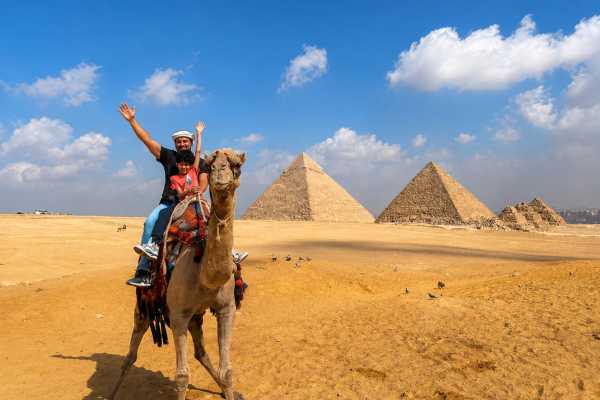
The Giza Pyramids are among the most famous historical landmarks on Earth and a highlight of any trip to Cairo. Located on the Giza Plateau near the capital, these extraordinary monuments have stood for more than 4,500 years.
The complex contains three principal pyramids associated with the pharaohs Khufu, Khafre, and Menkaure. The Great Pyramid of Khufu is the largest and is the only surviving monument of the Seven Wonders of the Ancient World.
Nearby stands the Great Sphinx, a monumental sculpture with a lion's body and a human head. The surrounding archaeological area also includes ancient temples, tombs, and panoramic viewpoints.
Visitors can explore the plateau, learn about ancient Egyptian engineering, take photographs, and, subject to current availability and ticket requirements, enter certain pyramids.
Best for: History lovers, first-time visitors, families, and photography enthusiasts.
Suggested time: 3–4 hours or longer if exploring additional areas.
Explore our private Giza Pyramids and Great Sphinx tour for a guided experience of these iconic monuments.
2. Grand Egyptian Museum
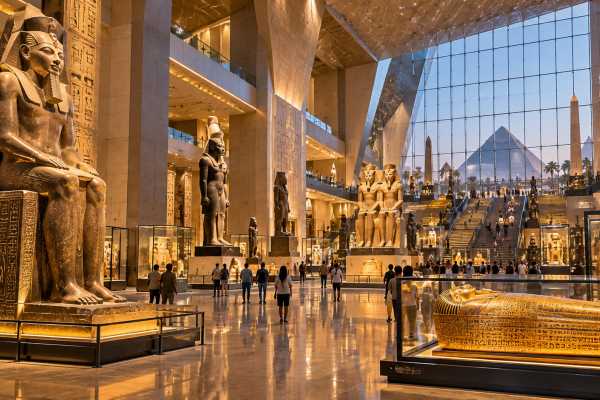
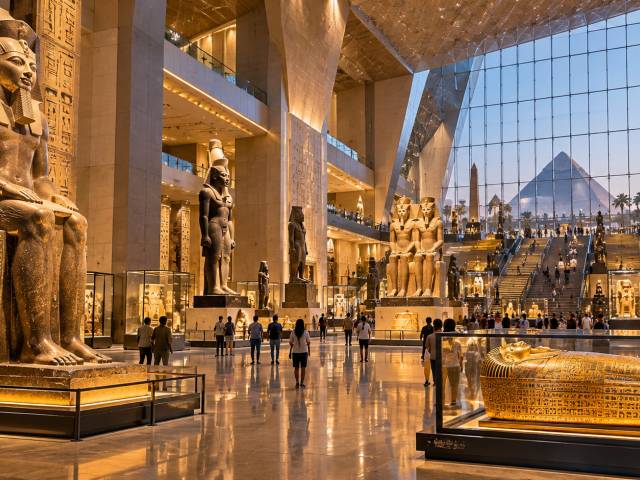
The Grand Egyptian Museum, located near the Giza Pyramids, is one of Egypt's most significant cultural attractions. Its modern architecture and extensive archaeological collections offer visitors a new way to explore the country's ancient civilization.
The museum presents thousands of artifacts covering different periods of Egyptian history, from early civilizations to the age of the pharaohs and later historical eras. Its monumental entrance spaces, grand staircase, galleries, and royal collections make it an important destination for travelers interested in archaeology.
The museum is particularly notable for its extensive collection connected with Tutankhamun. Visitors should check current gallery arrangements and ticket information before their visit.
Because the museum is close to the Giza Plateau, travelers may be able to combine the two attractions in one itinerary, depending on opening hours, transportation, and the amount of time available.
Best for: Ancient Egyptian history, archaeology, families, and museum enthusiasts.
Suggested time: 3–5 hours, depending on your interests.
Discover our Grand Egyptian Museum tour and check the current tour options available on our website.
3. The Egyptian Museum in Tahrir Square
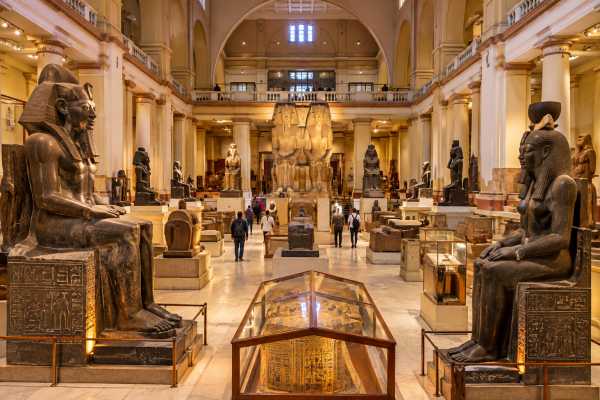
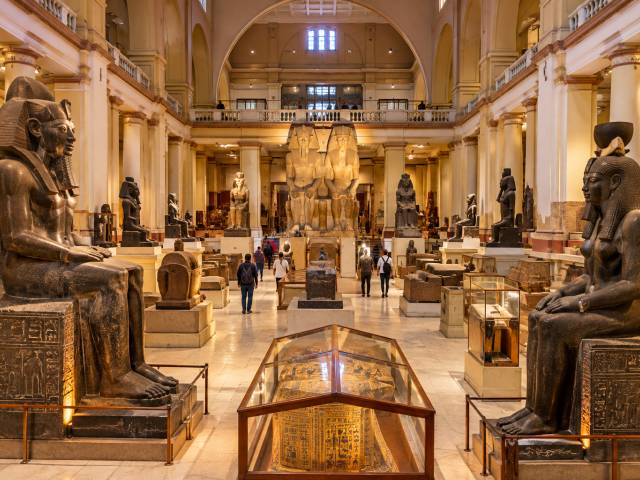
The Egyptian Museum in Tahrir Square is one of Cairo's most historic museums. Its traditional galleries contain a remarkable collection of ancient Egyptian statues, funerary objects, jewelry, inscriptions, and archaeological discoveries.
Opened in 1902, the museum played a major role in presenting Egypt's ancient heritage to international visitors and researchers.
Walking through its galleries provides an opportunity to explore different dynasties, understand ancient burial traditions, and appreciate the craftsmanship of Egyptian artists and artisans.
The museum's collections have changed as artifacts have moved to other institutions, including the Grand Egyptian Museum. Therefore, visitors interested in specific objects should confirm their current exhibition location.
Best for: History enthusiasts, archaeology students, and travelers who enjoy traditional museums.
Suggested time: 2–3 hours.
To make the most of your visit, consider combining a museum stop with other historical attractions in Cairo.
4. Citadel of Saladin and the Mosque of Muhammad Ali
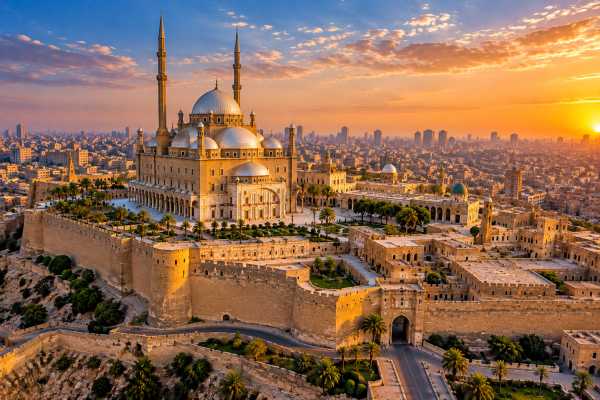
The Citadel of Saladin is one of Cairo's most important medieval landmarks. Built in the 12th century under Sultan Saladin, the fortified complex played a central role in the city's defense and government for centuries.
Today, the Citadel is famous for its historical architecture, courtyards, museums, and impressive views across Cairo.
Its most recognizable building is the Mosque of Muhammad Ali, also known as the Alabaster Mosque. Constructed during the 19th century, the mosque features Ottoman-inspired architecture, a large central dome, elegant minarets, and a beautifully decorated interior.
From the Citadel's elevated terraces, visitors can enjoy panoramic views of Cairo's urban landscape. On clear days, distant landmarks may be visible.
Best for: Architecture enthusiasts, history lovers, and photographers.
Suggested time: 1.5–2.5 hours.
You can visit the Citadel and explore Cairo's historic market with our half-day Citadel and Khan el-Khalili tour.
5. Khan el-Khalili Bazaar
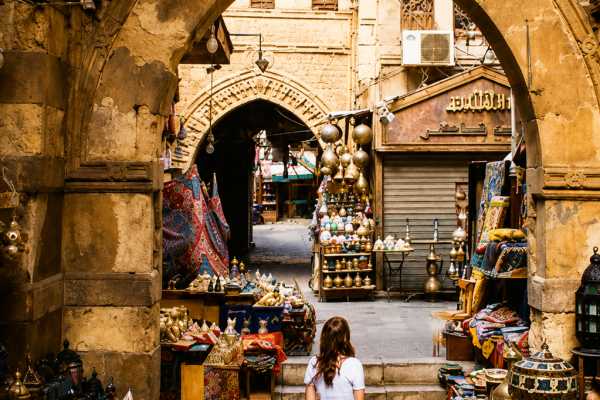
Khan el-Khalili is one of Cairo's best-known traditional markets and a wonderful place to experience the atmosphere of historic Cairo.
The bazaar developed during the medieval period and became an important center of commerce. Today, its narrow streets are lined with shops selling lanterns, jewelry, spices, perfumes, textiles, souvenirs, and traditional handicrafts.
Visitors can wander through the market, discover small workshops, photograph historic architecture, and stop at a traditional café for Egyptian tea or coffee.
The experience is about more than shopping. The sounds of merchants, the movement of people through the alleys, and the mixture of historic buildings and modern daily life reveal the character of the city.
Prices may vary between shops, so compare options and agree on prices before purchasing goods or services.
Best for: Shopping, photography, local culture, and souvenir hunting.
Suggested time: 1–2 hours or longer if you enjoy exploring the streets.
Khan el-Khalili is also a highlight of our Cairo by Night tour.
6. Al-Muizz Street
Al-Muizz Street is one of the most important historic streets in Islamic Cairo. It is known for its concentration of medieval mosques, madrasas, historic houses, gates, and decorative architectural details.
Walking along the street offers a glimpse into Cairo's development during different Islamic dynasties. Stone façades, carved doorways, intricate windows, and traditional architectural features make the area particularly attractive to visitors interested in history and photography.
The street is close to Khan el-Khalili, allowing travelers to combine both locations in a single outing.
Allow time to explore the surrounding lanes rather than rushing between individual monuments. Some historic buildings have specific visiting hours or admission requirements.
Best for: Islamic architecture, cultural exploration, and walking tours.
Suggested time: 1.5–3 hours, depending on which monuments you enter.
7. Coptic Cairo
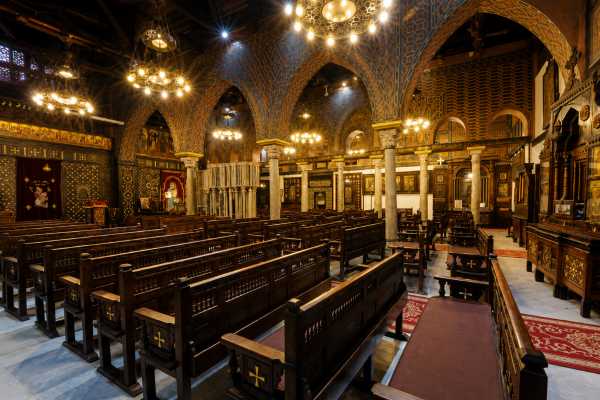
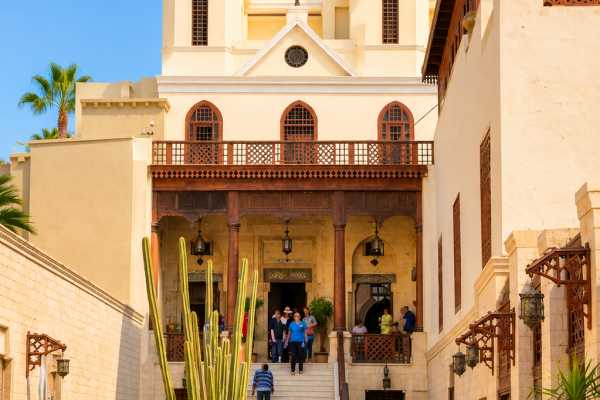
Coptic Cairo is a historic district with deep connections to Egypt's Christian heritage. Its churches, religious buildings, archaeological remains, and narrow lanes provide a different perspective on the country's long and diverse history.
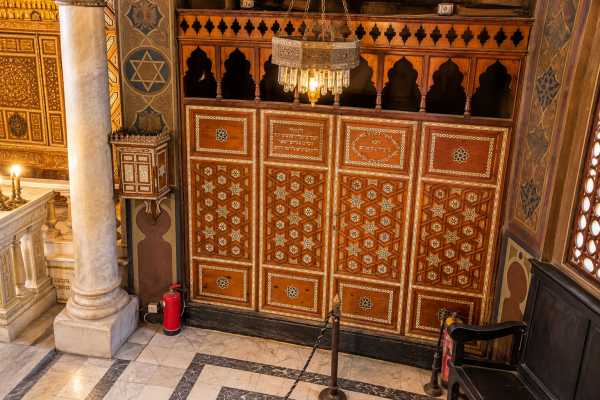
Important landmarks include the Hanging Church, the Church of Saints Sergius and Bacchus, and the Ben Ezra Synagogue. The area also contains historic sites associated with different periods of religious and cultural development.
The Hanging Church is particularly notable for its architecture and historical importance. The Church of Saints Sergius and Bacchus is traditionally associated with the Holy Family's journey through Egypt.
Visitors should remember that these are active or historically significant religious sites. Modest clothing and respectful behavior are appropriate.
Best for: Religious history, architecture, cultural heritage, and travelers interested in Egypt beyond the pharaohs.
Suggested time: 2–3 hours.
For a deeper introduction to the district, explore our Cairo sightseeing and cultural tour options.
8. National Museum of Egyptian Civilization
The National Museum of Egyptian Civilization, located in Fustat, presents Egypt's heritage across a broad historical timeline.
Unlike museums devoted primarily to ancient Egyptian archaeology, the museum explores the development of Egyptian civilization through different eras, including prehistoric, Pharaonic, Greco-Roman, Coptic, Islamic, and modern periods.
Its Royal Mummies Hall is one of the museum's most famous attractions, displaying royal mummies in a specially designed exhibition environment.
The museum is useful for travelers who want to understand how Egypt's culture, society, and traditions developed over thousands of years.
Best for: Cultural history, archaeology, and travelers interested in multiple periods of Egyptian history.
Suggested time: 2–3 hours.
Check current exhibition information and opening hours before visiting, particularly if you want to see a specific collection.
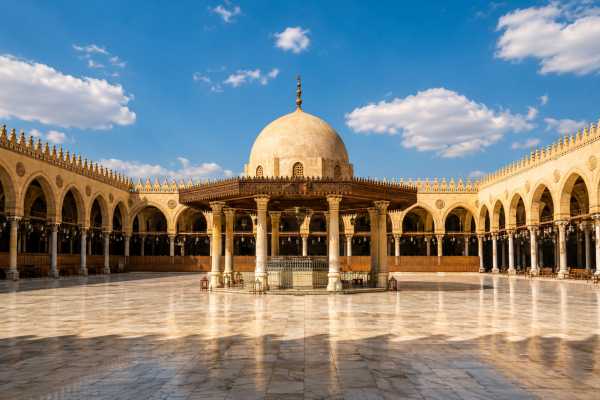
9. Mosque of Ibn Tulun
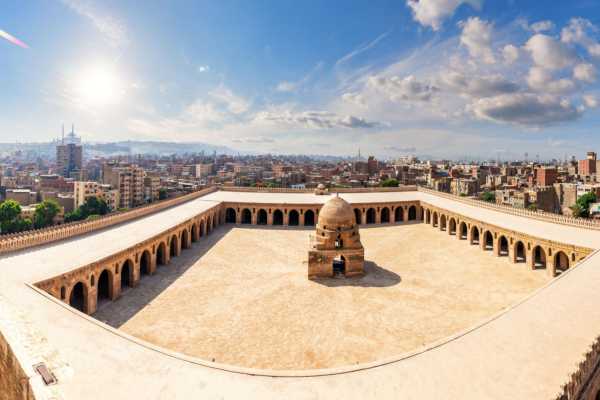
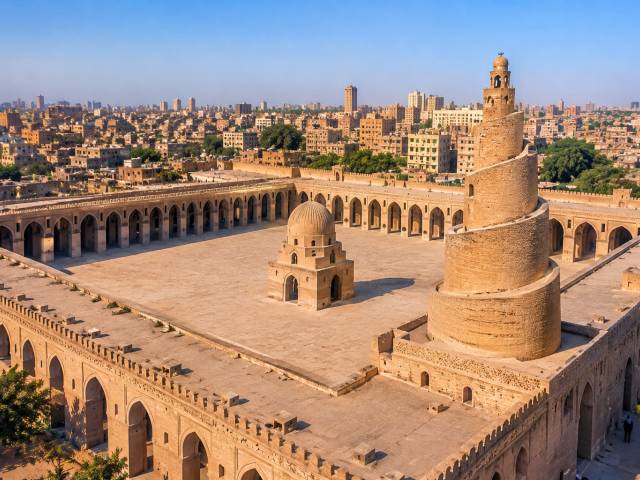
The Mosque of Ibn Tulun is one of Cairo's most important historic mosques and a remarkable example of early Islamic architecture.
Commissioned by Ahmad ibn Tulun in the 9th century, the mosque is known for its expansive courtyard, monumental walls, distinctive arches, and elegant minaret.
Its architectural style differs from many of Cairo's later mosques, giving visitors a chance to explore an earlier phase of the city's Islamic history.
The spacious courtyard and surrounding arcades create a quieter atmosphere than some of Cairo's busiest tourist areas. Visitors interested in architecture will appreciate the building's proportions and decorative details.
Best for: Islamic architecture, history, and photography.
Suggested time: 45–90 minutes.
Wear appropriate clothing and follow any visitor guidelines in place at the mosque.
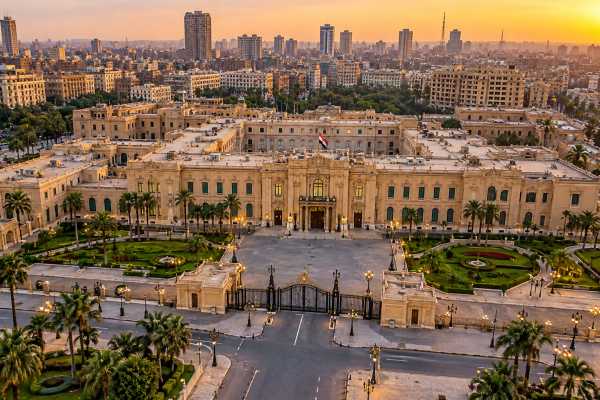
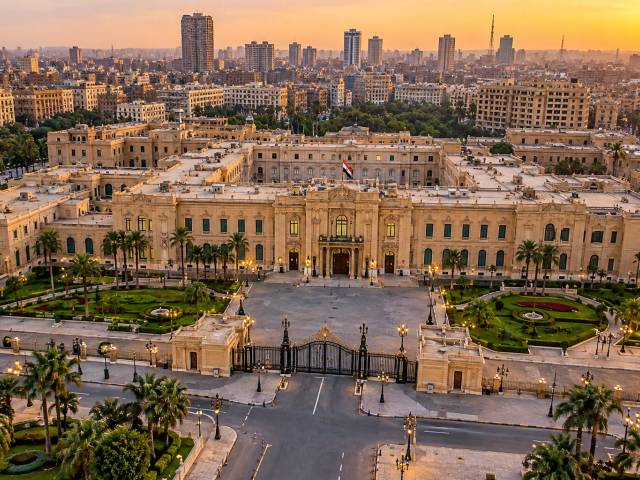
10. Abdeen Palace Museum
Abdeen Palace is an important landmark associated with Egypt's modern royal history. Built during the 19th century, the palace became a principal royal residence and a setting for official ceremonies.
Its interiors and museum collections offer insights into royal life, diplomatic gifts, historical weapons, and decorative arts.
The palace is particularly interesting for travelers who want to understand Egypt's history beyond the ancient period. Its architecture and collections reflect the country's changing political and cultural connections during the 19th and 20th centuries.
Access to particular rooms and exhibitions may vary, so confirm current visitor arrangements before planning a visit.
Best for: Modern Egyptian history, royal heritage, and decorative arts.
Suggested time: 1–2 hours, depending on access and exhibitions.
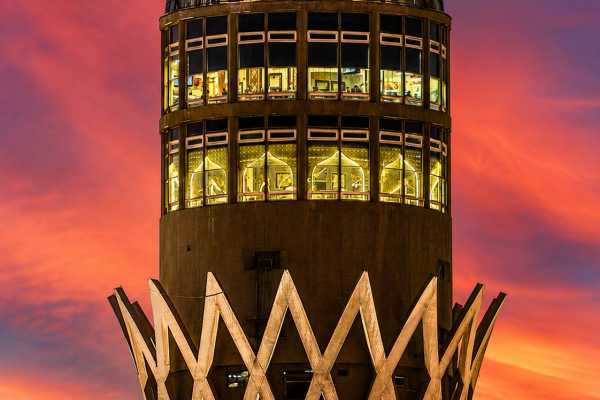
11. Cairo Tower
Cairo Tower is one of the city's most recognizable modern landmarks. Located on Gezira Island in the Nile, the tower provides elevated views over Cairo's skyline.
From the observation level, visitors can look across the river, see parts of downtown Cairo, and appreciate the scale of the city from above. Visibility varies according to weather and atmospheric conditions.
The tower is a popular option for travelers who want a different perspective after visiting museums and historic monuments.
A visit can also be combined with a walk around nearby riverside areas or a relaxing experience on the Nile.
Best for: Panoramic photography, city views, and couples.
Suggested time: 45–90 minutes, depending on queues and conditions.
Check the latest opening hours and admission details before visiting.
12. The Nile River and a Traditional Felucca Ride
The Nile is central to Egypt's history, agriculture, transportation, and cultural identity. In Cairo, a boat ride offers a relaxing way to see the city from a different perspective.
A traditional felucca is a wooden sailing boat powered by the wind. Unlike large motorized vessels, a felucca ride often provides a quieter experience on the river.
During the journey, visitors can enjoy views of Cairo's skyline, riverbanks, bridges, and surrounding neighborhoods. A daytime sail offers a different atmosphere from an evening trip, when the city lights begin to appear along the water.
Weather, wind, and river conditions may affect the experience, so agree on the duration and price before boarding.
Best for: Couples, families, photography, and travelers seeking a relaxing break.
Suggested time: Around 1 hour, depending on the arrangement.
Explore our private felucca ride on the Nile River in Cairo for a traditional sailing experience.
13. Manial Palace Museum
The Manial Palace Museum, located on Rhoda Island, is a fascinating destination for travelers interested in royal history and decorative arts.
The palace complex was built for Prince Mohammed Ali Tewfik in the late 19th and early 20th centuries. Its architecture combines several influences, including Ottoman, Persian, and European styles.
Visitors can discover richly decorated interiors, landscaped gardens, historic furnishings, and collections reflecting the tastes and interests of Egypt's royal family.
The palace offers a contrast to Cairo's ancient temples and medieval religious monuments. It is especially rewarding for visitors interested in craftsmanship, interior design, and Egypt's more recent history.
Best for: Architecture, royal history, gardens, and photography.
Suggested time: 1–2 hours.
Confirm current opening arrangements before your visit.
14. Cairo's Traditional Cafés and Downtown Streets
Downtown Cairo is known for its historic buildings, lively streets, cafés, shops, and mixture of architectural styles.
A walk through the district provides an opportunity to observe everyday life in the Egyptian capital. Some streets retain elegant early 20th-century façades, while busy cafés and local businesses give the area a distinctly modern energy.
Visitors can stop for Egyptian tea or coffee, sample local snacks, and explore shops away from the main archaeological attractions.
The experience is less about visiting a single monument and more about discovering Cairo's urban character.
Best for: Local culture, food, architecture, and independent exploration.
Suggested time: 1–2 hours or longer.
Stay aware of traffic when crossing streets and use suitable pedestrian routes.
15. Cairo by Night
Cairo changes character after sunset. Illuminated landmarks, busy shopping streets, cafés, restaurants, and traditional markets create a lively evening atmosphere.
An evening outing can include a drive through downtown Cairo, a visit to Khan el-Khalili, time at a traditional café, and opportunities to experience the city's streets after dark.
For travelers who have already spent the day visiting museums and archaeological sites, an evening experience provides a different perspective on local life.
The exact itinerary depends on the selected experience, traffic, opening hours, and the time available.
Best for: Couples, first-time visitors, photography, and travelers who enjoy evening activities.
Suggested time: 3–5 hours for a structured evening outing.
Discover our Cairo by Night tour for a guided introduction to the city's evening atmosphere.
How Many Days Do You Need to Explore Cairo?
The ideal length of your stay depends on your interests and how many attractions you want to visit.
One Day in Cairo
With only one day, prioritize a small number of major attractions rather than attempting to see everything.
A possible itinerary is:
Morning: Giza Pyramids and the Great Sphinx.
Midday or afternoon: Grand Egyptian Museum, subject to opening hours and available time.
Evening: Khan el-Khalili or a Nile experience.
This itinerary requires careful planning and may need adjustment depending on traffic and museum visiting time.
Two Days in Cairo
Two days provide more flexibility and allow you to explore both ancient and historic Cairo.
Day 1: Ancient Egypt
Giza Pyramids and Great Sphinx.
Grand Egyptian Museum or the Egyptian Museum in Tahrir Square.
Evening at leisure.
Day 2: Historic Cairo
Citadel of Saladin and Mosque of Muhammad Ali.
Coptic Cairo or Al-Muizz Street.
Khan el-Khalili Bazaar.
Optional evening felucca ride or Cairo by Night experience.
Three Days in Cairo
Three days allow you to explore at a more comfortable pace.
Day 1: Giza Pyramids, Great Sphinx, and Grand Egyptian Museum.
Day 2: Citadel of Saladin, historic mosques, Al-Muizz Street, and Khan el-Khalili.
Day 3: Coptic Cairo, the National Museum of Egyptian Civilization, or another museum, followed by a Nile felucca ride or an evening city experience.
You can adapt this plan according to your interests, hotel location, opening hours, and transportation arrangements.
Best Time to Visit Cairo
Cairo can be visited throughout the year, but the cooler months, generally from autumn through spring, are often more comfortable for outdoor sightseeing.
During summer, temperatures can be high, especially around midday. Travelers visiting in the warmer months should plan outdoor activities for earlier or later in the day when possible.
Early mornings are useful for visiting major outdoor attractions such as the Giza Plateau. Museums and indoor attractions can provide a break from the heat.
Cairo traffic can be heavy, so allow extra time when moving between districts. Some attractions have different opening hours on particular days or during religious holidays, making it important to verify details before traveling.
Getting Around Cairo
Cairo is a large city, and attractions can be spread across different districts. The best transportation option depends on your starting point, schedule, budget, and itinerary.
Common options include taxis, ride-hailing services, the Cairo Metro for suitable routes, private transportation, and organized tours.
For a day involving several attractions in different parts of the city, private transportation can reduce the need to arrange separate journeys. However, travel time still depends on traffic.
When booking a tour, confirm the pickup location, itinerary, transportation arrangements, guide services, entrance fees, and any optional activities.
If you are planning a broader holiday beyond Cairo, explore our Egypt tour packages for itineraries that combine the capital with other destinations.
What Should You Wear When Visiting Cairo Attractions?
Comfortable clothing and walking shoes are recommended for most sightseeing days.
For mosques and churches, choose modest clothing that respects local customs and follow any specific requirements at the entrance.
During warmer months, bring sunscreen, sunglasses, a hat, and drinking water. When visiting archaeological sites, prepare for uneven ground and extended periods outdoors.
A small day bag can be useful for carrying essentials, but check any restrictions on bags, cameras, and other items at museums and historic attractions.
Frequently Asked Questions About Cairo Attractions
What are the best attractions in Cairo?
Popular attractions include the Giza Pyramids, Great Sphinx, Grand Egyptian Museum, Egyptian Museum in Tahrir Square, Citadel of Saladin, Khan el-Khalili, Coptic Cairo, and the Nile River.
Is Cairo worth visiting?
Yes. Cairo offers a remarkable combination of ancient history, religious heritage, architecture, museums, traditional markets, food, and local culture.
How many days should I spend in Cairo?
Two to three days provide a good introduction to the main attractions. Travelers with more time can explore additional museums, historic districts, and nearby destinations.
Can I visit the Giza Pyramids and the Grand Egyptian Museum in one day?
It may be possible, depending on opening hours, transportation, ticket arrangements, and how much time you spend at each location. Allow enough time for both rather than rushing through the experience.
Is Cairo suitable for families?
Cairo offers attractions for different ages, including museums, archaeological sites, markets, and boat rides. Families should plan around walking distances, weather, and children's interests.
What is the best area for shopping in Cairo?
Khan el-Khalili is famous for traditional crafts, lanterns, jewelry, spices, and souvenirs. Downtown Cairo also has shops and cafés offering a different urban shopping experience.
Can I explore Cairo without a guide?
Yes. Many attractions can be visited independently, but a guide can provide historical context and help coordinate transportation and sightseeing.
Is it possible to see Cairo in one day?
You can experience a selection of major highlights in one day, but Cairo has too many important attractions to explore fully in such a short time. Choose your priorities and plan a realistic route.
What can I do in Cairo at night?
Popular evening activities include visiting Khan el-Khalili, exploring downtown streets, enjoying a Nile felucca ride, and joining a guided Cairo by Night experience.
Can I combine Cairo with other Egyptian destinations?
Yes. Cairo is a common starting point for trips to Luxor, Aswan, Alexandria, the Red Sea, and desert destinations. The best itinerary depends on the length of your stay and preferred travel style.
Conclusion: Discover the Best of Cairo
Cairo is a destination where ancient monuments, medieval architecture, museums, traditional markets, and contemporary city life come together.
From the extraordinary Giza Pyramids and the collections of the Grand Egyptian Museum to the historic Citadel, Coptic Cairo, and the lively streets of Khan el-Khalili, the capital offers a rich variety of experiences.
The best way to explore Cairo is to choose attractions that match your interests, allow sufficient time for travel, and avoid packing too many distant locations into a single day.
Whether you are visiting for one day or staying for several nights, planning ahead will help you experience more of the city's history and culture.
To start organizing your visit, browse Let’s Explore Egypt Travel for available Cairo tours and Egypt tour packages to explore more of the country.
Discover Cairo's ancient wonders, historic neighborhoods, and unforgettable Nile experiences on your next journey through Egypt.