


Egypt Attractions: 25 Best Places to Visit in Egypt
Discover the best Egypt attractions, from the iconic Pyramids of Giza and the Grand Egyptian Museum to the magnificent temples of Luxor, the beautiful Nile River in Aswan, the Mediterranean coast of Alexandria, and the spectacular landscapes of Egypt's Western Desert.
Egypt is one of the world's most fascinating travel destinations, combining thousands of years of history with remarkable architecture, vibrant cities, beautiful beaches, and extraordinary natural landscapes. Whether you are planning a cultural vacation, a family holiday, a romantic getaway, or an adventure in the desert, Egypt offers experiences for every traveler.
With Let's Explore Egypt Travel, you can discover Egypt's most famous landmarks through private sightseeing tours, customized itineraries, comfortable transportation, and knowledgeable local guides.
1. Pyramids of Giza
The Pyramids of Giza are among the most famous Egypt attractions and one of the world's most recognizable historical landmarks. Located on the Giza Plateau near Cairo, these ancient monuments were built as royal tombs for the pharaohs Khufu, Khafre, and Menkaure.
The Great Pyramid of Khufu is the largest of the three and the only surviving monument of the Seven Wonders of the Ancient World.
Visitors can explore the pyramid complex, admire the panoramic desert views, learn about ancient Egyptian engineering, and enjoy a camel ride with the pyramids as a backdrop.
Best things to do:
Explore the Giza Plateau with a knowledgeable guide.
Visit the Great Sphinx and the Valley Temple.
Photograph the pyramids from panoramic viewpoints.
Enter a pyramid when tickets and access are available.
Enjoy a private tour with optional camel riding.
2. The Great Sphinx of Giza
The Great Sphinx is one of Egypt's most extraordinary monuments. Carved from limestone, this enormous sculpture features a human head and the body of a lion.
Located near the Pyramid of Khafre, the Sphinx is an essential stop on any visit to the Giza Pyramids. Visitors can admire its monumental size, learn about its historical significance, and photograph it alongside the surrounding archaeological landscape.
3. Grand Egyptian Museum
Located near the Giza Pyramids, the Grand Egyptian Museum is a major cultural destination showcasing the history and achievements of ancient Egyptian civilization.
Its modern architecture and extensive archaeological collections make it an excellent addition to a Cairo sightseeing itinerary.
Visitors can explore museum galleries, monumental objects, and exhibitions that illuminate ancient Egyptian art, royal traditions, and religious beliefs.
Allow several hours for your visit and check current opening hours, ticket availability, and exhibition access before traveling.
4. Egyptian Museum in Cairo
The Egyptian Museum in Tahrir Square is another important destination for history enthusiasts. Its collections include ancient statues, jewelry, coffins, papyri, and numerous archaeological objects from different periods of Egyptian history.
The museum can be combined with visits to historic Cairo, Khan el-Khalili Bazaar, and other central Cairo attractions.
5. Khan el-Khalili Bazaar
Khan el-Khalili is one of Cairo's best-known traditional markets. Located in the historic Islamic district, it features narrow streets lined with shops selling traditional crafts, lanterns, textiles, jewelry, spices, and souvenirs.
Visitors can explore the market, enjoy Egyptian tea at a traditional café, and discover the atmosphere of historic Cairo.
6. Cairo Attractions: The Best Places to Explore
Cairo offers much more than pyramids and museums. The Egyptian capital is filled with historic mosques, churches, traditional markets, medieval streets, and cultural landmarks.
Popular experiences include visiting the Citadel of Saladin, admiring the Mosque of Muhammad Ali, exploring Al-Muizz Street, discovering Coptic Cairo, and enjoying views of the Nile.
Planning your visit? Explore our complete guide to Cairo Attractions to discover the city's famous landmarks, historic neighborhoods, and best things to do.
7. Saqqara Necropolis
Saqqara is one of Egypt's most important archaeological destinations. It is best known for the Step Pyramid of Djoser, a groundbreaking monument in the development of ancient Egyptian pyramid architecture.
The wider archaeological complex contains tombs, decorated burial chambers, and monuments from several periods of Egyptian history.
Saqqara is an excellent destination for travelers who want to understand how pyramid construction developed before the great pyramids of Giza.
8. Memphis: Ancient Egypt's Historic Capital
Memphis was one of ancient Egypt's most important political and cultural centers. Located near modern Mit Rahina, the archaeological site contains remains and artifacts associated with the ancient capital.
Visitors can see monumental sculptures, including the colossal statue of Ramesses II, and learn about the city's historical significance.
Memphis is frequently combined with Saqqara and Dahshur on a private archaeological tour from Cairo or Giza.
9. Dahshur Pyramids
Dahshur is an excellent destination for travelers interested in ancient Egyptian architecture and quieter archaeological sites.
The Bent Pyramid and the Red Pyramid are the site's most famous monuments. Both are associated with Pharaoh Sneferu and represent important developments in pyramid construction.
Dahshur can be combined with Saqqara and Memphis for a full day exploring the history of Egypt's ancient pyramids.
10. Luxor Attractions: Temples and Royal Tombs
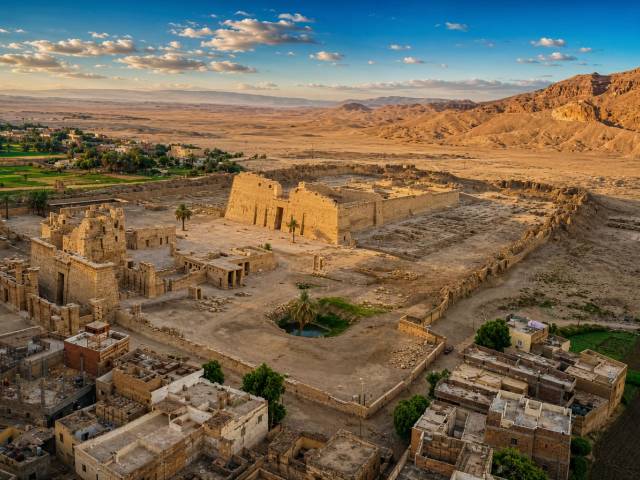
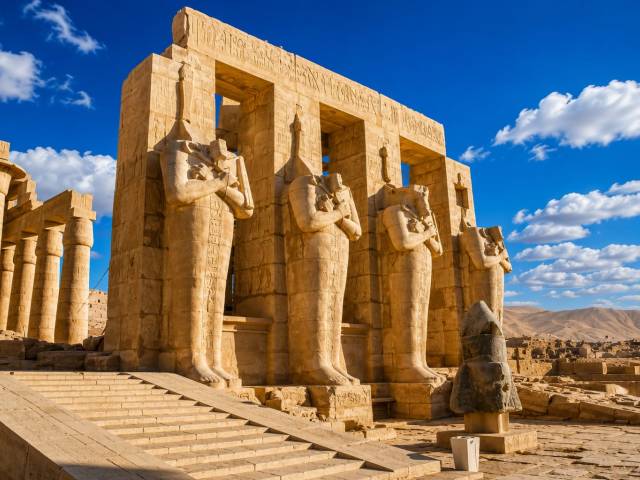
Luxor is one of Egypt's most important historical destinations. Built around the ancient city of Thebes, it contains an extraordinary concentration of temples, tombs, and archaeological monuments.
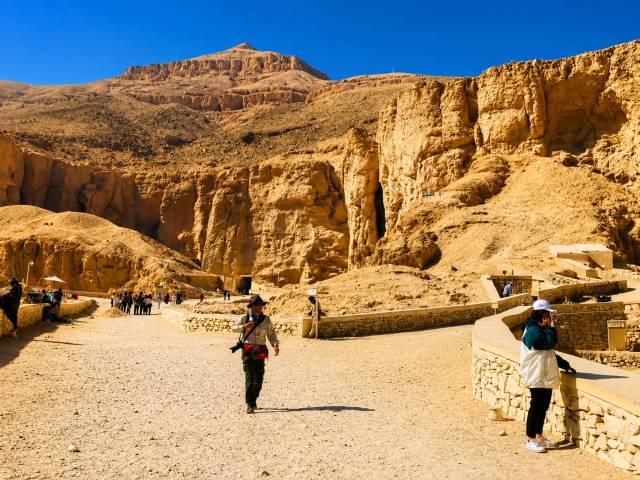
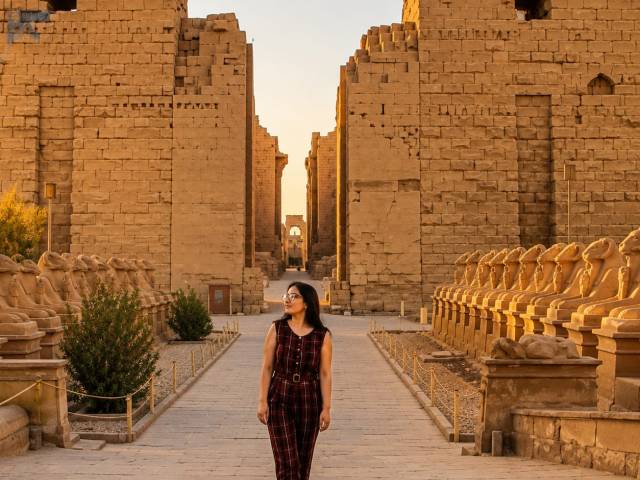
The East Bank is home to Karnak Temple and Luxor Temple, while the West Bank contains the Valley of the Kings, the Temple of Hatshepsut, and the Colossi of Memnon.
Top things to do in Luxor
Explore the enormous columns and courtyards of Karnak Temple.
Visit Luxor Temple and admire its monumental architecture.
Discover the royal tombs in the Valley of the Kings.
Explore the terraced Temple of Hatshepsut.
Learn about ancient Egyptian beliefs and burial traditions.
Plan your visit with our detailed guide to Luxor Attractions, featuring important historical sites and memorable experiences in Luxor.
11. Abu Simbel Temples
The Abu Simbel Temples are among the most spectacular monuments in southern Egypt. Commissioned by Pharaoh Ramesses II, these rock-cut temples are famous for their enormous statues and impressive interiors.
The temples were relocated during an international engineering project to protect them from rising water levels associated with the Aswan High Dam.
Abu Simbel is usually visited from Aswan by road or through an organized excursion. Travelers should allow enough time for the journey and confirm current site access arrangements.
12. Aswan and the Nile River
Aswan offers beautiful Nile scenery, historic monuments, and opportunities to discover Nubian culture.
The city's relaxed atmosphere makes it a wonderful destination for travelers seeking a balance between sightseeing and relaxation.
Major attractions include Philae Temple, the Aswan High Dam, the Unfinished Obelisk, Nubian villages, and traditional felucca sailing on the Nile.
Aswan is also a convenient base for excursions to Abu Simbel and for Nile cruises between Aswan and Luxor.
13. Nile River Cruises
A Nile cruise offers a memorable way to explore the historical attractions between Luxor and Aswan.
Depending on the itinerary, travelers can visit Edfu Temple, Kom Ombo Temple, Karnak Temple, Luxor Temple, and important monuments around Aswan.
Cruises vary in duration, accommodation, meals, and included excursions, so compare the itinerary and inclusions before booking.
14. Alexandria Attractions: Egypt's Mediterranean City
Alexandria combines Mediterranean scenery with an extraordinary heritage influenced by ancient Egyptian, Greek, and Roman civilizations.
Founded by Alexander the Great, the city became one of the ancient world's most important centers of learning and culture.
Its most popular attractions include Bibliotheca Alexandrina, Qaitbay Citadel, the Catacombs of Kom el-Shoqafa, Pompey's Pillar, and Montaza Gardens.
Discover more places to explore in our complete guide to Alexandria Attractions, including historic landmarks, cultural experiences, and coastal sightseeing.
Alexandria can be visited on a day trip from Cairo, although an overnight stay is ideal for travelers who prefer a more relaxed schedule.
15. Hurghada and the Red Sea
Egypt's Red Sea coastline is famous for clear waters, coral reefs, marine life, and beautiful resort destinations.
Hurghada offers opportunities for snorkeling, scuba diving, boat excursions, beach relaxation, and desert safaris.
Visitors can enjoy a boat trip to suitable snorkeling locations or explore the desert with a reputable local operator.
16. Sharm El Sheikh
Sharm El Sheikh is another popular Red Sea destination, known for diving, snorkeling, resort holidays, and access to remarkable marine environments.
Travelers can explore selected diving sites, take boat excursions, and visit Ras Mohammed National Park, subject to current access and environmental regulations.
The destination is ideal for travelers who want to combine Egypt's historical attractions with time by the sea.
17. Bahariya Oasis Attractions
Bahariya Oasis is one of Egypt's most fascinating destinations for nature lovers and adventure travelers. Located in the Western Desert, the oasis provides access to spectacular desert landscapes, unusual rock formations, and traditional oasis communities.
The region is a popular starting point for excursions to the Black Desert, Crystal Mountain, Agabat Valley, and the White Desert.
Best experiences in Bahariya Oasis
Explore the Black Desert and its distinctive dark volcanic hills.
Discover the unusual geological formations of Crystal Mountain.
Visit the White Desert's remarkable chalk formations.
Experience a guided 4x4 desert safari.
Enjoy an overnight desert camping experience with an established operator.
Discover local oasis landscapes and traditions.
Explore our dedicated guide to Bahariya Oasis Attractions for more information about the region's natural wonders and desert adventures.
18. White Desert National Park
The White Desert is one of Egypt's most extraordinary natural landscapes. Its pale limestone formations have been shaped by wind erosion into unusual forms that resemble sculptures.
Many trips begin in Bahariya Oasis and continue by suitable 4x4 vehicles into the desert.
Depending on the itinerary, visitors can explore the White Desert, Black Desert, Agabat Valley, and other remarkable landscapes. Overnight camping provides an opportunity to experience the desert after sunset.
Choose a reputable operator and confirm transportation, meals, camping equipment, and safety arrangements before departure.
19. Siwa Oasis
Siwa Oasis is a remote destination in Egypt's Western Desert, known for its palm groves, salt lakes, traditional architecture, and distinctive Amazigh culture.
Visitors can explore the historic Shali settlement, enjoy oasis landscapes, discover local crafts, and arrange guided desert excursions.
Siwa is ideal for travelers who want to explore a less conventional side of Egypt and experience a slower pace of travel.
20. Fayoum Oasis and Wadi El Rayan
Fayoum is an attractive destination for travelers seeking natural landscapes and archaeological discoveries within reach of Cairo.
Highlights include Wadi El Rayan, Wadi Al-Hitan (Valley of the Whales), Tunis Village, and Lake Qarun.
Wadi Al-Hitan is a UNESCO World Heritage Site containing important fossils that document the evolutionary history of whales.
Fayoum can be explored on a day trip or a longer excursion that allows more time for the desert, lakes, and archaeological sites.
21. Aswan High Dam and Lake Nasser
The Aswan High Dam is one of Egypt's major modern engineering landmarks. It plays an important role in water management, flood control, and hydroelectric power generation.
Lake Nasser, created by the dam, provides a dramatic setting for southern Egypt's landscapes and archaeological monuments.
The High Dam can be combined with Philae Temple and the Unfinished Obelisk on a guided Aswan excursion.
22. Mount Sinai and Saint Catherine's Monastery
The Sinai Peninsula offers impressive mountain scenery, desert landscapes, and important religious heritage.
Mount Sinai is associated with significant traditions in Judaism, Christianity, and Islam. Some visitors undertake an overnight or early-morning ascent to experience sunrise from the mountain.
Saint Catherine's Monastery is an important historic religious site with a long monastic tradition.
Check current travel advice, access requirements, and the physical demands of the mountain ascent before planning your visit.
23. Islamic Cairo and Coptic Cairo
Cairo's historic districts provide insight into Egypt's rich religious and cultural heritage.
Islamic Cairo is known for historic mosques, medieval streets, traditional architecture, and lively markets. Al-Muizz Street and the Khan el-Khalili area are popular places to explore.
Coptic Cairo contains important Christian landmarks and archaeological sites, including the Hanging Church and the Church of Saints Sergius and Bacchus. Opening hours and access vary by site.
Both districts are excellent choices for travelers who want to understand Egypt beyond its ancient pharaonic monuments.
24. Best Time to Visit Egypt Attractions
Egypt can be visited throughout the year, but the cooler months from October through April are generally comfortable for sightseeing.
October to April: Often suitable for exploring archaeological sites, cities, and outdoor attractions.
May to September: Temperatures can be very high, especially in Luxor, Aswan, and desert regions. Plan outdoor visits early in the morning and stay hydrated.
Year-round: Red Sea resorts offer opportunities for marine activities and relaxation, although conditions vary by season.
Check local weather forecasts, site opening hours, ticket arrangements, and travel advisories before your trip.
25. How Many Days Do You Need to Explore Egypt?
The ideal length of your trip depends on the destinations you want to visit.
3–4 days: Focus on Cairo, Giza, and selected museums or historic districts.
5–7 days: Combine Cairo with Luxor or Aswan.
8–10 days: Explore Cairo, Luxor, and Aswan, with time for additional temples or a Nile cruise.
10–14 days: Add a Red Sea destination or additional historical sites.
14 days or more: Consider Alexandria, Fayoum, Siwa Oasis, or the White Desert.
Domestic flights, road journeys, and transfers can affect your schedule, so allow enough time to enjoy each destination without rushing.
Plan Your Egypt Adventure with Let's Explore Egypt Travel
Discover Egypt's most famous historical sites, beautiful cities, and remarkable natural landscapes with Let's Explore Egypt Travel.
Whether you want to explore the Pyramids of Giza, discover Cairo's historic neighborhoods, visit the temples of Luxor, or experience a desert safari in Bahariya Oasis, a customized itinerary can help you make the most of your vacation.
Popular experiences include private Giza Pyramids tours, Grand Egyptian Museum visits, Saqqara and Memphis excursions, Alexandria sightseeing, Luxor and Aswan tours, Abu Simbel excursions, and Western Desert adventures.
Choose the destinations that suit your interests and schedule, and confirm the itinerary, entrance fees, transportation, and guide services before booking.
Start planning your Egypt vacation with Let's Explore Egypt Travel and discover the remarkable history, culture, and landscapes of Egypt.
Frequently Asked Questions About Egypt Attractions
What are the most famous attractions in Egypt?
The most famous attractions include the Pyramids of Giza, the Great Sphinx, the Grand Egyptian Museum, Karnak Temple, the Valley of the Kings, Abu Simbel, and Philae Temple.
What are the best places to visit in Egypt for first-time travelers?
Cairo and Giza are excellent starting points. Travelers with additional time can visit Luxor and Aswan or enjoy a Red Sea holiday.
Is Egypt suitable for family vacations?
Yes. Egypt offers museums, historical sites, boat trips, beach resorts, and outdoor adventures. Families should choose age-appropriate activities and allow enough time for rest and transportation.
Can I visit the Pyramids of Giza and the Grand Egyptian Museum in one day?
Yes, this may be possible depending on opening hours, ticket availability, and how much time you want to spend at each location.
What are the best natural attractions in Egypt?
Popular natural attractions include the White Desert, Bahariya Oasis, Siwa Oasis, Wadi El Rayan, Wadi Al-Hitan, the Red Sea coral reefs, and the landscapes around Mount Sinai.
How many days should I spend in Egypt?
Three or four days can cover Cairo and Giza. Seven to ten days allow more time for Luxor and Aswan, while two weeks provide opportunities to explore additional destinations.
Is a private tour worth it in Egypt?
A private tour can provide flexible scheduling, personalized sightseeing, and transportation arranged around your itinerary. It can be particularly useful when visiting multiple archaeological sites.
Do Egypt attractions require entrance tickets?
Many archaeological sites and museums require tickets. Some pyramid interiors and selected tombs require additional tickets. Confirm current prices and access arrangements before your visit.
What is the best time to visit Egypt?
October through April is generally comfortable for sightseeing, although conditions vary by region and activity.
Can I explore Egypt with a licensed guide?
Yes. You can arrange tours with appropriately licensed guides and reputable operators. Confirm guide credentials and tour inclusions before booking.