



How to Plan a Family Vacation in Egypt: The Complete Guide
Planning a family vacation in Egypt can be an exciting way to introduce your children to ancient history, discover a different culture, enjoy beautiful beaches, and create memories together. From seeing the Great Pyramids of Giza to sailing along the Nile and snorkeling in the Red Sea, Egypt offers experiences for families with different ages, interests, and budgets.
However, a successful family trip requires thoughtful planning. Long travel days, hot weather, busy attractions, and the distance between destinations can be challenging when traveling with children. Choosing the right itinerary, comfortable accommodation, and reliable transportation can make your holiday much easier.
This complete guide explains how to plan a family vacation in Egypt, including the best places to visit, how many days to spend, family-friendly activities, budgeting, transportation, safety tips, and a suggested itinerary.
Why Choose Egypt for a Family Vacation?
Egypt offers a combination of educational experiences, outdoor adventures, cultural discoveries, and relaxing beach holidays.
Families can explore ancient monuments, visit fascinating museums, experience traditional Egyptian food, take boat trips on the Nile, or spend a few days beside the Red Sea.
Some of the main reasons families choose Egypt include:
History and education: Children can discover ancient Egyptian civilization through pyramids, temples, tombs, and museums.
Outdoor adventures: Families can enjoy desert landscapes, camel rides with reputable providers, and boat excursions.
Beach activities: Red Sea destinations offer opportunities for swimming, snorkeling, and relaxing at family-oriented resorts.
Different travel styles: Egypt can suit families looking for budget-friendly holidays, private tours, luxury accommodation, or longer cultural journeys.
Flexible itineraries: You can focus on Cairo and Giza, combine several historic cities, or finish your trip with a beach stay.
The key is to select experiences that suit your children's ages, energy levels, and interests rather than trying to see every attraction in one trip.
1. Choose the Best Time for a Family Trip to Egypt
Weather can make a major difference to a family holiday, especially when children will spend several hours outdoors.
November to March: A Popular Time for Sightseeing
The cooler months are often comfortable for visiting the Pyramids of Giza, exploring museums, and touring the temples of Luxor and Aswan.
This period can be particularly suitable for families who want to spend several days exploring archaeological sites.
Keep in mind that popular travel periods can be busy, so reserve accommodation and important excursions ahead of time.
April and October: Consider the Shoulder Seasons
Spring and autumn can be good options for families seeking a balance between sightseeing and relaxation. Temperatures vary by destination, and some days can still be hot.
Check the forecast for each city on your route before deciding what to pack.
May to September: Plan Around High Temperatures
Summer can be very hot, particularly in Luxor, Aswan, and desert areas. Families traveling during these months should plan outdoor visits early in the morning, take regular breaks, and avoid overloading the daily schedule.
A hotel with a swimming pool or a beach stay may also help children relax between sightseeing days.
Family travel tip: Choose your dates based on the destinations you want to visit. The best time for exploring temples may not be the same as the best time for your preferred beach activities.
2. Decide How Many Days Your Family Needs
The ideal length of your vacation depends on your children's ages, your budget, and the number of destinations you want to include.
A 4-Day Family Vacation
A short trip works best when you focus on Cairo and Giza.
Possible activities include:
Visiting the Giza Pyramids and Great Sphinx.
Exploring the Grand Egyptian Museum, subject to current visitor arrangements.
Enjoying Egyptian food at a family-friendly restaurant.
Exploring a suitable historic neighborhood or local market.
This option is practical for families with limited vacation time, but it does not allow much time for traveling to other regions.
A 7-Day Family Vacation
Seven days can provide a balance between sightseeing and relaxation.
One possible plan is:
Days 1–3: Cairo and Giza.
Days 4–5: Luxor and its major temples.
Days 6–7: Additional sightseeing or return travel, depending on flight schedules.
This itinerary involves transfers and may feel busy for families with very young children. Consider staying longer in fewer destinations if you prefer a slower pace.
A 10-Day Family Vacation
Ten days gives you more flexibility to explore several highlights.
You could spend three days in Cairo and Giza, three days in Luxor and Aswan, and the remaining days relaxing at a Red Sea resort, depending on your transportation arrangements.
A 12–14-Day Family Vacation
Families with two weeks can enjoy a more complete experience, potentially combining Cairo, Giza, Luxor, Aswan, a Nile cruise, and a Red Sea destination.
You do not need to include every destination. Allow enough time for children to rest, enjoy hotel facilities, and experience each place without rushing.
3. Choose the Best Places to Visit in Egypt with Kids
Egypt has several destinations that work well for family travel. The best choices depend on whether your family prefers ancient history, outdoor activities, beaches, or a mixture of experiences.
Cairo and Giza: The Essential First Stop
<AsyncImage query="family visiting Great Pyramids of Giza Egypt wide panoramic view" aspectRatio="16:9" width="100%"/>
Cairo and Giza are a natural starting point for many family holidays.
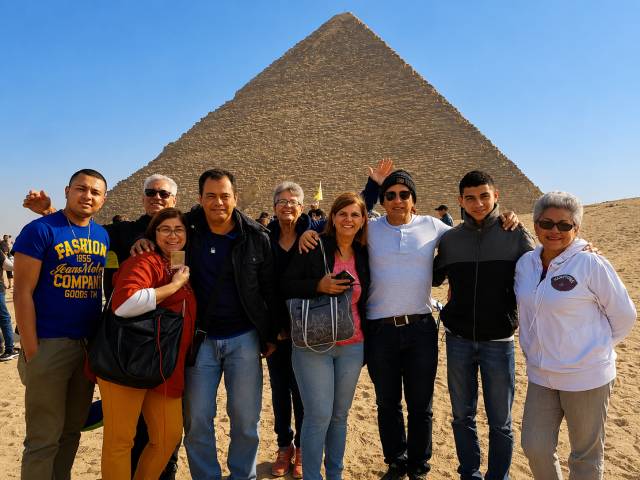
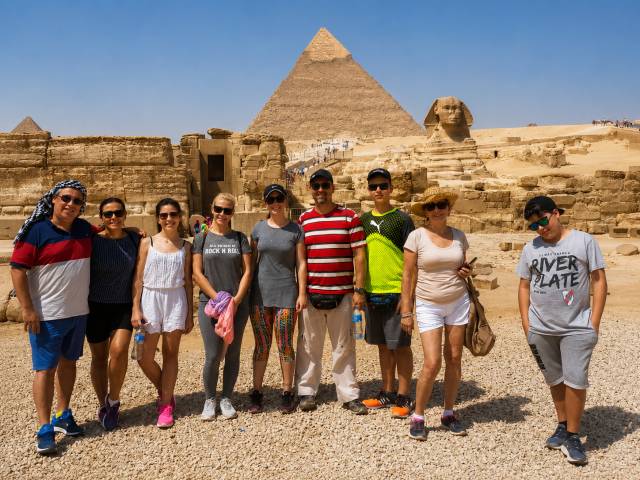
The Pyramids of Giza give children the opportunity to see one of the world's most famous ancient monuments in person. The Great Sphinx and the surrounding archaeological landscape add to the experience.
Families can also explore museums, historic streets, traditional markets, and restaurants serving Egyptian dishes.
Tips for visiting the pyramids with children:
Arrive early to avoid the hottest part of the day.
Bring water, hats, sunscreen, and comfortable walking shoes.
Discuss the walking distance and terrain with younger children before your visit.
Confirm ticket requirements if you want to enter a pyramid.
Arrange reliable transport for the return journey.
Use a licensed Egyptologist guide if your family wants an educational experience with explanations tailored to the children's ages.
The Giza Plateau has uneven surfaces and limited shade in some areas, so plan regular breaks.
The Grand Egyptian Museum
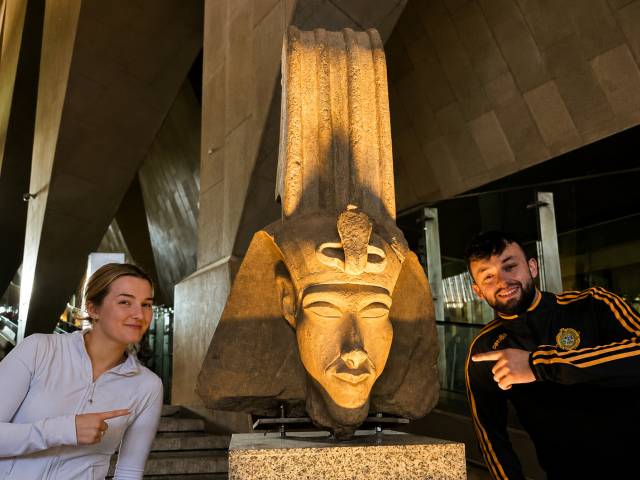
The Grand Egyptian Museum can be an excellent addition for families interested in ancient Egypt.
A museum visit can help children connect the monuments they see outdoors with the objects, art, and history of ancient Egyptian civilization.
To make the experience more enjoyable, choose a manageable visit length, allow snack and rest breaks, and focus on the collections most interesting to your family.
Check current opening hours, ticket availability, and visitor arrangements before traveling.
Luxor: Temples and Ancient Stories
Luxor offers some of Egypt's most impressive ancient sites, including Karnak Temple, Luxor Temple, the Valley of the Kings, and the Temple of Hatshepsut.
For children who enjoy history, these sites can feel like stepping into another world.
However, the heat and walking distances can be tiring. Consider visiting fewer sites each day instead of trying to see everything.
A private vehicle and knowledgeable guide can help families manage transport and organize visits around children's needs.
Aswan: Nile Scenery and Cultural Experiences
Aswan offers a more relaxed atmosphere, scenic Nile views, and opportunities to learn about Nubian culture.
Families may enjoy a boat trip, a visit to Philae Temple, or time relaxing beside the river.
If your itinerary includes Aswan, leave room for downtime rather than scheduling activities from morning until evening.
Hurghada: A Family Beach Holiday
<AsyncImage query="family friendly Red Sea beach Hurghada Egypt turquoise water resort" aspectRatio="16:9" width="100%"/>
Hurghada is popular with families who want to combine sightseeing with beach time.
Depending on the resort and activity provider, families may enjoy swimming, snorkeling, boat trips, and other water-based activities.
Before booking an excursion, check age restrictions, life-jacket availability, supervision arrangements, and weather conditions.
A resort stay can also give children time to relax after several busy days exploring archaeological sites.
Sharm El Sheikh: Beaches and Water Activities
Sharm El Sheikh is another option for families interested in resort holidays and the Red Sea.
Look for accommodation that suits your children's ages and offers facilities you will actually use. For boat trips, diving-related activities, or snorkeling excursions, check operator safety standards and age requirements in advance.
Alexandria: Mediterranean History and Coastal Views
If you have additional time in Cairo, consider a trip to Alexandria.
The city offers Mediterranean scenery, historical attractions, museums, and seafood restaurants. Depending on your family's interests, it can provide a different atmosphere from the ancient monuments of Upper Egypt.
Check travel time and transportation arrangements before adding Alexandria to a short itinerary.
4. Plan Family-Friendly Activities
A family vacation should not feel like a school assignment. Even children who enjoy history need variety, free time, and activities suited to their ages.
Consider mixing educational visits with experiences that allow everyone to relax.
Camel Rides Near the Pyramids
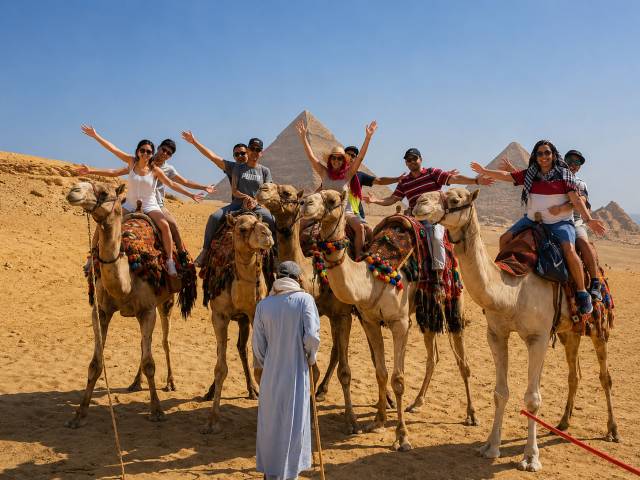
A camel ride can be a memorable experience for children, provided the family chooses a reputable provider and feels comfortable with the arrangements.
Agree on the total price, duration, route, and any photography charges before starting. Check safety arrangements and follow the provider's instructions.
Children should not be pressured to participate if they feel uncomfortable.
Nile Boat Trips
A boat trip can offer a relaxing change from walking through archaeological sites. Choose a reputable operator, confirm the duration and price, and check life-jacket availability.
For young children, avoid overly long excursions and consider the time of day and weather conditions.
Egyptian Food Experiences
Introduce children to Egyptian dishes such as koshary, taameya, grilled meats, rice, and traditional desserts.
Choose restaurants with good hygiene practices, and explain any food allergies or dietary requirements clearly before ordering.
Markets and Cultural Visits
A short visit to a traditional market can help children discover local crafts, colors, food, and everyday life.
Keep visits manageable, agree on a meeting point if the group gets separated, and supervise children carefully in crowded areas.
Red Sea Activities
Swimming, snorkeling, and boat excursions can be highlights of a family holiday. Select activities based on children's ages, swimming abilities, and comfort levels.
Never assume a child is safe in the water simply because a resort has a pool or a beach. Follow supervision rules and the activity provider's safety instructions.
5. Choose Family-Friendly Accommodation
Your hotel can have a major effect on how comfortable your trip feels.
When comparing hotels and resorts, consider the following factors.
Room arrangements: Confirm whether you need a family room, connecting rooms, extra beds, or a cot.
Location: Staying near the attractions you plan to visit can reduce travel time and help younger children avoid tiring journeys.
Meals: Breakfast included in the room rate can simplify mornings. Check whether the property offers suitable options for children or dietary needs.
Facilities: A swimming pool, laundry service, elevator, or quiet space may be useful depending on your family.
Transport: Ask whether the hotel can arrange airport transfers and whether child seats are available if needed.
Reviews: Read recent reviews, paying attention to cleanliness, noise, staff service, and whether the property matches its advertised description.
Cancellation terms: Family plans can change, so check the cancellation policy and any payment deadlines before confirming.
Do not choose a hotel solely because it is inexpensive. A convenient location and reliable service can save time and reduce stress during the holiday.
6. How to Get Around Egypt with Children
Transportation should be part of your itinerary planning, not an afterthought.
Private Transportation
A private vehicle can be useful for families visiting multiple attractions in one day. It allows you to manage pickup times, take breaks, and carry snacks or extra clothing.
Before booking, confirm:
The vehicle size and passenger capacity.
Whether luggage fits comfortably.
The total price and any additional charges.
Pickup and drop-off locations.
Waiting time between attractions.
Whether suitable child seats are available and can be fitted correctly.
|
Budget category |
What to include |
|---|---|
|
Flights |
International and domestic tickets, baggage fees |
|
Accommodation |
Family rooms, extra beds, taxes, breakfast |
|
Transportation |
Airport transfers, private vehicles, trains, flights |
|
Entrance tickets |
Museums, archaeological sites, optional pyramid entry |
|
Tours and guides |
Private guides, group tours, boat trips |
|
Food and drinks |
Meals, snacks, drinking water |
|
Activities |
Camel rides, snorkeling, family excursions |
|
Other expenses |
Travel insurance, mobile data, tips, contingency funds |
Do not assume that a standard vehicle includes child seats. Ask specifically when arranging transport.
Domestic Flights
Flights can save time when traveling between Cairo and destinations such as Luxor, Aswan, or the Red Sea.
Check baggage allowances, airport transfer times, and the flight schedule. Leave a reasonable buffer for delays and avoid booking complicated connections when traveling with small children.
Trains
Trains may be suitable for certain routes, depending on your itinerary and the service available. Compare journey times, seat options, luggage arrangements, and station transfers.
Organized Tours
An organized tour can reduce the amount of planning required each day. Families may prefer a private tour for flexibility or a small-group tour for a lower per-person cost.
Review the itinerary carefully and confirm whether entrance tickets, meals, guides, transport, and optional activities are included.
7. Estimate Your Family Vacation Budget
The cost of a family trip to Egypt depends on your travel dates, accommodation, transport, activities, children's ages, and the number of destinations you visit.
Rather than relying on one headline price, create a budget covering the entire trip.
Ways to Manage Your Budget
Travel outside the busiest periods if your dates are flexible.
Compare the total cost of a family room with multiple rooms.
Group nearby attractions together to reduce transport costs.
Check whether children receive discounted admission under current ticket rules.
Ask for a written quotation showing what is included.
Compare private tours with small-group alternatives.
Keep an emergency fund for unexpected changes.
If your family wants a private sightseeing experience, ask for a price based on your exact group size, children's ages, travel dates, and preferred itinerary.
8. Keep Your Children Safe and Comfortable
A little preparation can make sightseeing much easier for parents and children.
Plan Around the Heat
Egypt can be very hot, especially during summer and in southern destinations.
Carry drinking water, use sun protection, take regular breaks, and arrange outdoor sightseeing for cooler hours when possible.
Young children may become tired or dehydrated faster than adults, so watch for signs of overheating and stop activities if anyone feels unwell.
Keep Important Information Accessible
Carry your accommodation address, transport details, and emergency contacts. For younger children, agree on what to do if you become separated in a crowded place.
Consider writing a parent's contact number on a card that a child can carry securely.
Choose Reliable Providers
Use reputable transport services, tour operators, and activity providers. Check the safety arrangements for boat trips, desert excursions, and water sports before booking.
Review current official travel advice before departure, and follow local instructions during your stay.
Food and Drinking Water
Choose food establishments with good hygiene practices and use a drinking-water source you know is safe.
Pack familiar snacks for long journeys and check restaurant options if your children have allergies or dietary restrictions.
Travel Insurance
Consider a policy that covers your family members, medical expenses, cancellations, and the activities you plan to do. Read the exclusions carefully, especially for water sports and adventure activities.
9. What Should You Pack for a Family Trip to Egypt?
Packing depends on the season and your destinations, but the following items are useful for many family trips:
Comfortable walking shoes for adults and children.
Lightweight, breathable clothing.
Hats, sunglasses, and sunscreen.
A light jacket for cooler evenings.
A scarf or modest clothing for religious sites.
Essential medication and a basic first-aid kit.
Reusable bags for day trips.
Snacks for children and long transfers.
Charging cables and a power bank.
Copies of passports, visas, insurance, and bookings.
Swimwear if your itinerary includes a hotel pool or beach.
Any essential baby supplies, such as nappies, wipes, and feeding equipment.
If you are traveling with a stroller, consider whether it will be practical on uneven ground, sandy paths, and crowded archaeological sites. A lightweight carrier may be useful for some families, depending on the child's age and needs.
Pack enough for comfort without making every transfer difficult.
10. Understand Local Customs and Family Etiquette
Egyptian culture places importance on hospitality and respect for religious and social traditions.
When visiting mosques, churches, and other religious sites, dress modestly and follow posted rules. Covering shoulders and knees is a useful general guideline, although individual locations may have additional requirements.
Ask permission before photographing people, especially children. Follow photography restrictions at museums and archaeological sites.
When shopping or arranging services, confirm prices before agreeing. If someone approaches you with an unsolicited offer, you can politely decline.
Helping children understand these simple customs can make cultural visits more rewarding and respectful.
11. Sample 10-Day Family Vacation in Egypt
This itinerary combines ancient history with time to relax. It is a starting point rather than a fixed schedule; adjust it to your flight times, children's ages, and family's pace.
Days 1–3: Cairo and Giza
Day 1: Arrival in Cairo
Arrive, transfer to your accommodation, and keep the first day light. Allow children to rest after the flight and enjoy dinner close to the hotel.
Day 2: Giza Pyramids and the Great Sphinx
Visit the pyramids early, take breaks, and arrange a guide if your family wants historical explanations. Keep the afternoon flexible.
Day 3: Museum and Cairo Exploration
Visit the Grand Egyptian Museum or another museum suited to your interests. Add a short cultural activity or market visit if everyone still has energy.
Days 4–6: Luxor
Day 4: Travel to Luxor
Take a suitable flight or other transport option. After checking in, relax or visit a nearby attraction if time permits.
Day 5: Karnak Temple and Luxor Temple
Explore selected sites at a comfortable pace. Consider an early start and a rest break during the hottest hours.
Day 6: West Bank Highlights
Visit selected attractions such as the Valley of the Kings and the Temple of Hatshepsut. Avoid scheduling too many stops, especially with younger children.
Days 7–10: Red Sea Relaxation
Day 7: Travel to Hurghada
Arrange transport in advance and leave time for the journey and hotel check-in.
Day 8: Beach or Pool Day
Enjoy a relaxed day with swimming or other age-appropriate activities under suitable supervision.
Day 9: Optional Boat or Snorkeling Excursion
Choose a reputable operator, check age requirements, and confirm safety equipment and weather conditions.
Day 10: Departure
Allow enough time to reach the airport and complete check-in procedures.
This itinerary requires travel between regions and may not suit every flight schedule. If your children are very young or you prefer a slower pace, consider spending the full ten days in Cairo and Giza plus one additional destination.
12. Private Tours vs. Independent Family Travel
Both approaches can work well, and many families combine them.
When Private Tours May Be Useful
A private tour can provide dedicated transportation, a guide focused on your family, and flexibility to adjust the pace.
It may be particularly useful when visiting several archaeological sites in one day, traveling with young children, or trying to coordinate multiple stops.
When Independent Travel May Be Better
Independent travel gives your family more freedom to change plans, spend longer at favorite attractions, and choose activities spontaneously.
However, it requires more research and coordination, especially when moving between cities or arranging local transport.
A Flexible Combination
You could arrange a private guided day for the pyramids, explore a museum independently, and spend several days relaxing at a beach resort.
When comparing tour options, check the full itinerary, guide arrangements, transport, entrance tickets, meal inclusions, cancellation policy, and final price.
Frequently Asked Questions About Family Vacations in Egypt
Is Egypt a good destination for a family vacation?
Egypt can be a rewarding family destination for those interested in history, culture, beaches, and outdoor activities. Choose destinations and daily schedules according to your children's ages, interests, and energy levels.
How many days are enough for a family trip to Egypt?
Four days can cover selected Cairo and Giza highlights. Seven to ten days allows more variety, while twelve to fourteen days gives families more flexibility to combine historical sites, a Nile cruise, and a Red Sea stay.
What is the best age for children to visit Egypt?
There is no single ideal age. Younger children may enjoy beaches, boat trips, and shorter visits, while older children may appreciate the history of pyramids and temples. The key is to adapt the itinerary to the child's abilities and interests.
What is the best time for a family vacation in Egypt?
November through March is often comfortable for outdoor sightseeing. Spring and autumn can also be suitable, while summer requires more careful planning around heat.
Is Cairo suitable for families with children?
Yes, Cairo and Giza offer major historical attractions, museums, restaurants, and cultural experiences. Plan transport carefully and allow extra time for traffic and breaks.
Is it better to book private tours with children?
Private tours can be useful because the schedule and pace may be more flexible. Small-group tours can cost less per person. Compare the itinerary, transport, guide service, and inclusions before deciding.
Can children visit the Pyramids of Giza?
Families can visit the Giza Plateau, subject to current entry and site rules. Children should wear comfortable shoes, stay hydrated, and remain supervised around uneven surfaces and crowded areas.
Are camel rides suitable for children?
Suitability depends on the child's age, comfort, and the provider's safety arrangements. Confirm the total price, duration, supervision, and any age restrictions before participating.
What should families pack for Egypt?
Pack comfortable shoes, lightweight clothing, sun protection, drinking water for excursions, essential medication, travel documents, and any items required for your children's needs.
Is Egypt expensive for families?
Costs vary depending on travel dates, accommodation, transport, attractions, and activities. Families can manage expenses by planning their route carefully, comparing room arrangements, and confirming all tour inclusions in advance.
Can we combine the Pyramids with a beach holiday?
Yes. Many families combine Cairo and Giza with a Red Sea destination such as Hurghada or Sharm El Sheikh. Allow enough time for the transfer and check the best transport option for your schedule.
Should we take a Nile cruise with children?
A Nile cruise can be a convenient way to visit several destinations between Luxor and Aswan. Before booking, check cabin arrangements, child policies, meals, excursions, safety provisions, and any additional fees.
How can we keep children comfortable during sightseeing?
Start outdoor visits early, carry water and snacks, schedule breaks, avoid overloading the itinerary, and choose activities that match the children's ages and interests.
Do children need their own travel documents?
Travel-document requirements depend on nationality and the rules that apply to each traveler. Confirm passport and visa requirements for every family member before departure.
Where can we book a family tour in Egypt?
You can explore available itineraries through Let's Explore Egypt Travel and review options on the Egypt tour packages page. Confirm the itinerary, total price, inclusions, and cancellation terms before booking.
Final Thoughts: Create a Family Vacation to Remember
A family vacation in Egypt can combine unforgettable monuments, educational experiences, cultural discoveries, and time to relax by the sea.
The secret to a successful trip is not visiting the largest possible number of attractions. It is choosing the right destinations, allowing enough time for rest, arranging reliable transport, and creating an itinerary that works for everyone in your family.
Start by deciding how many days you have, which experiences matter most, and how much you want to spend. Then build a realistic route and reserve the services that are most important to your plans.
Ready to start planning? Visit Let's Explore Egypt Travel or explore our Egypt tour packages to find ideas for your family's next adventure.
Useful Official Travel Resources
Experience Egypt: Official Travel Information
UK Government Egypt Travel Advice
U.S. Department of State Egypt Travel Advisory
Always check current entry requirements, safety advice, attraction information, and transport arrangements before departure.