Giza Hub
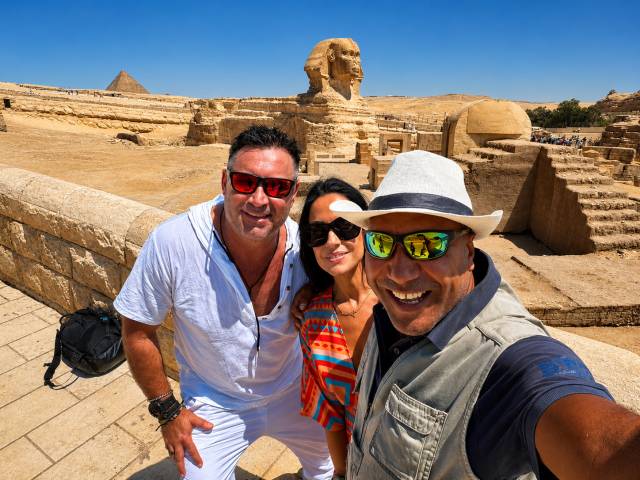
Why Visit the Giza Pyramids? Complete Visitor Guide
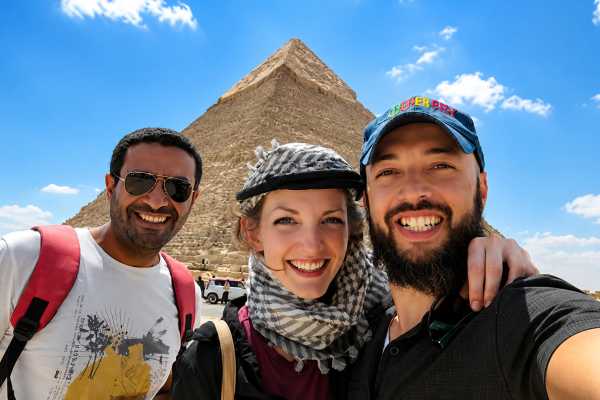
The Giza Pyramids are Egypt’s most iconic attraction and one of the most remarkable archaeological sites in the world. Built more than 4,500 years ago, the pyramids continue to fascinate travelers with their enormous scale, sophisticated engineering, and connection to ancient Egyptian civilization.
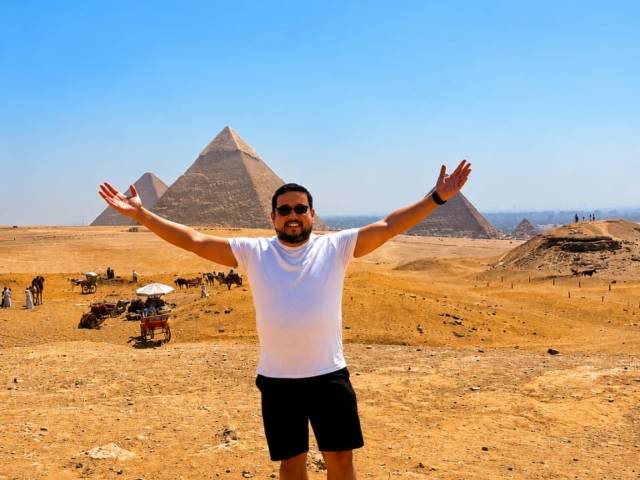
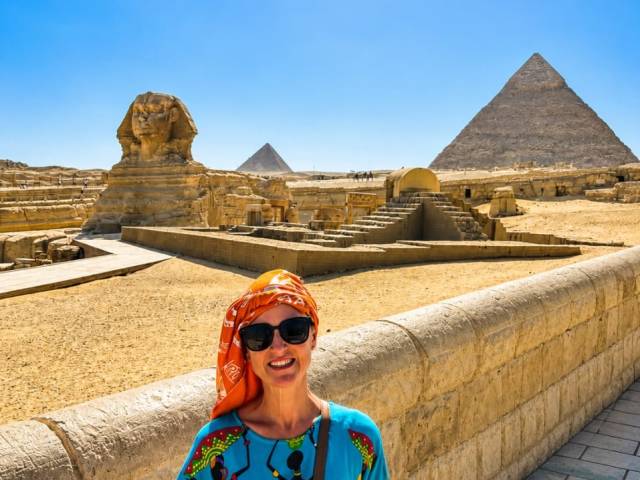
Located on the Giza Plateau just outside Cairo, the complex includes the three main pyramids of Khufu, Khafre, and Menkaure, along with the Great Sphinx, ancient temples, tombs, and panoramic desert viewpoints.
Whether you are interested in history, photography, architecture, or simply want to experience one of the world's most famous landmarks, visiting Giza is an essential part of any trip to Egypt.
Why Visit the Giza Pyramids?
A visit to the Giza Plateau allows you to experience some of Egypt's most important ancient monuments in one location.
Visitors can:
- See the Great Pyramid of Khufu
- Explore the Pyramids of Khafre and Menkaure
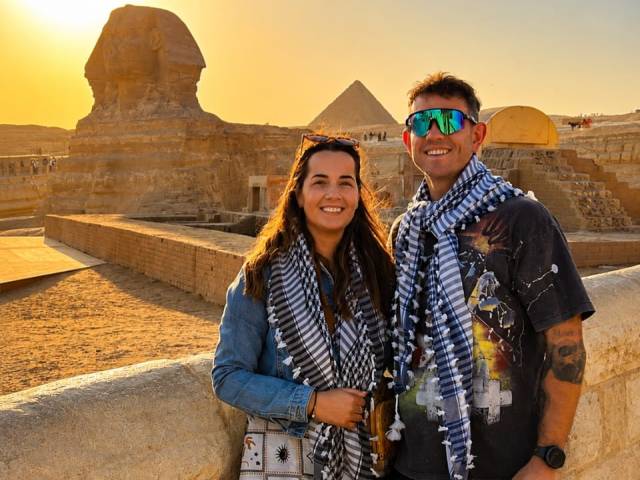
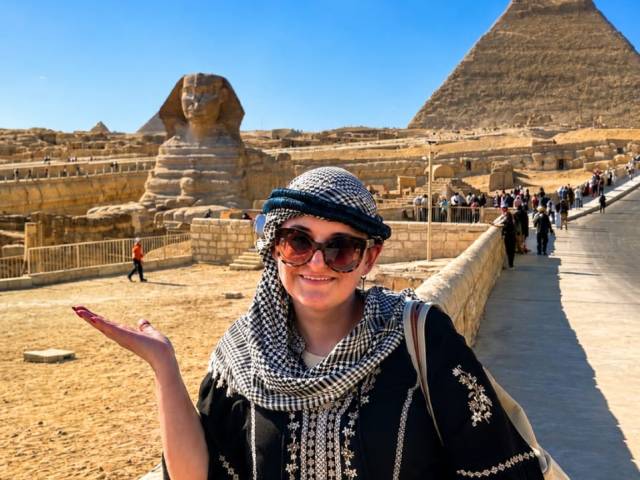
- Visit the Great Sphinx
- Discover ancient temples and tombs
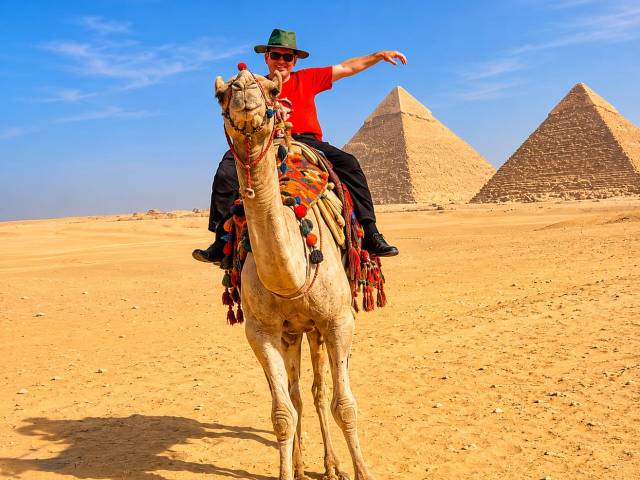
- Enjoy a camel ride through the desert
- Take panoramic photographs
- Learn about ancient Egyptian civilization
- Combine Giza with the Grand Egyptian Museum
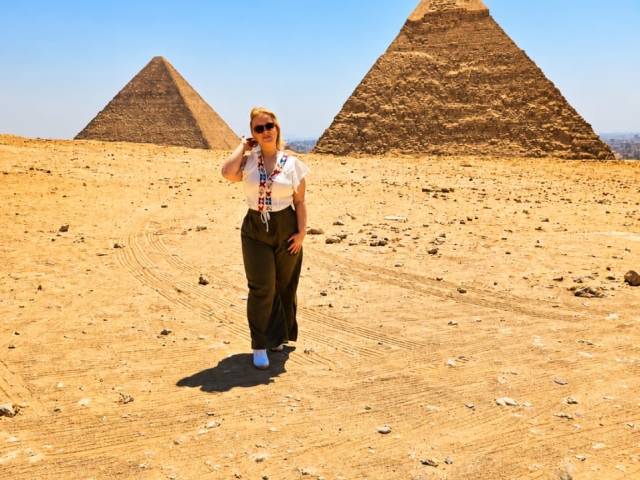
The site is particularly impressive because of its enormous scale. Standing beside the pyramids gives visitors a much better understanding of their size than photographs can provide.
The Three Main Pyramids of Giza
The Great Pyramid of Khufu
The Great Pyramid of Khufu, also known as the Pyramid of Cheops, is the largest of the three main pyramids.
It originally stood at approximately 146.6 meters (481 feet) and remained the tallest man-made structure in the world for thousands of years.
Built during Egypt's Fourth Dynasty, the pyramid was constructed from millions of stone blocks and remains one of the greatest engineering achievements of the ancient world.
Visitors can admire the pyramid from outside or purchase a separate ticket to enter its interior.
The Pyramid of Khafre
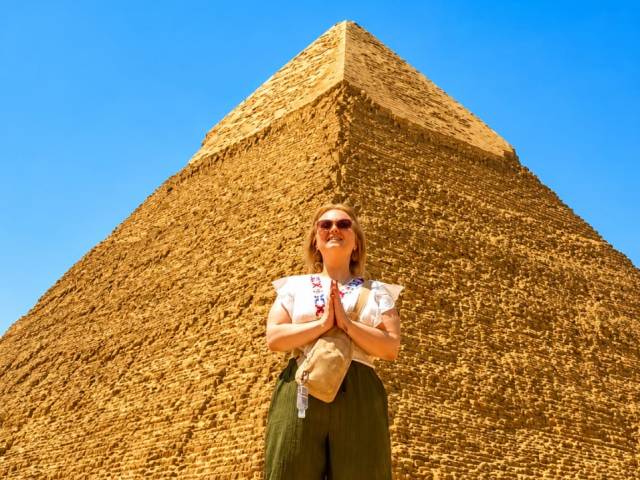
The Pyramid of Khafre is the second-largest pyramid at Giza.
Although it is slightly smaller than Khufu's pyramid, it appears taller because it was built on higher ground. One of its most recognizable features is the remaining section of original limestone casing near the summit.
The pyramid is also closely associated with the Great Sphinx and the Valley Temple.
The Pyramid of Menkaure
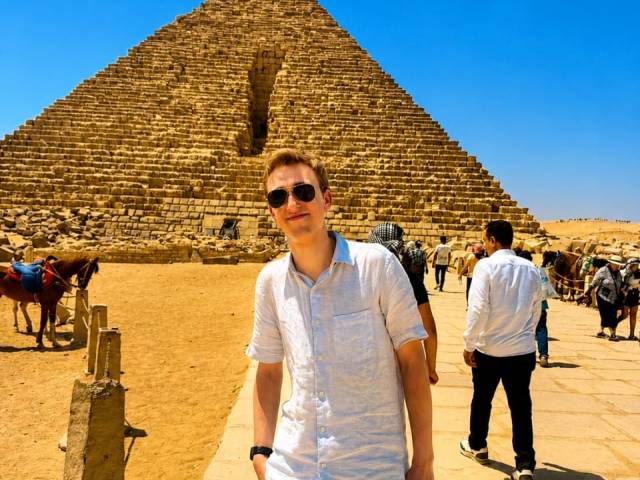
The Pyramid of Menkaure is the smallest of the three main pyramids.
Its lower sections were originally constructed using large blocks of granite, while limestone was used in other parts of the structure.
Although smaller than Khufu and Khafre, Menkaure's pyramid is an important part of the Giza complex and provides another perspective on royal architecture during Egypt's Old Kingdom.
The Great Sphinx
The Great Sphinx is one of the most recognizable monuments in Egypt.
Carved from natural limestone bedrock, the monument combines the body of a lion with a human head traditionally associated with royal power.
The Sphinx stands near the Pyramid of Khafre and has watched over the Giza Plateau for thousands of years.
Its mysterious appearance and long history make it one of the highlights of any visit to Giza.
Can You Go Inside the Great Pyramid?
Yes.
Visitors can enter the Great Pyramid of Khufu by purchasing a separate entrance ticket.
Inside, visitors can experience the ancient passageways, the Grand Gallery, and the King's Chamber.
The interior is relatively narrow and involves climbing, so travelers should consider their comfort level before entering.
For many visitors, however, entering the Great Pyramid is one of the most memorable experiences in Egypt.
Camel Rides at the Pyramids
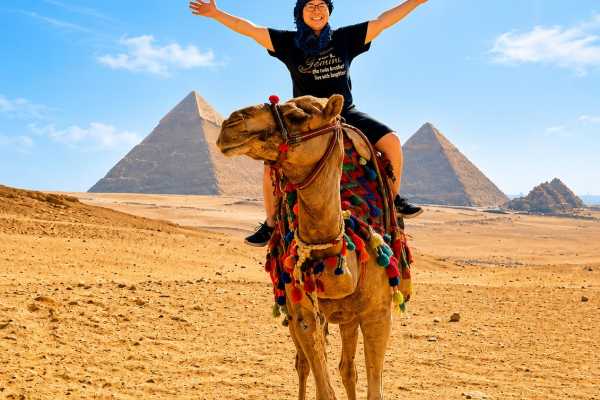
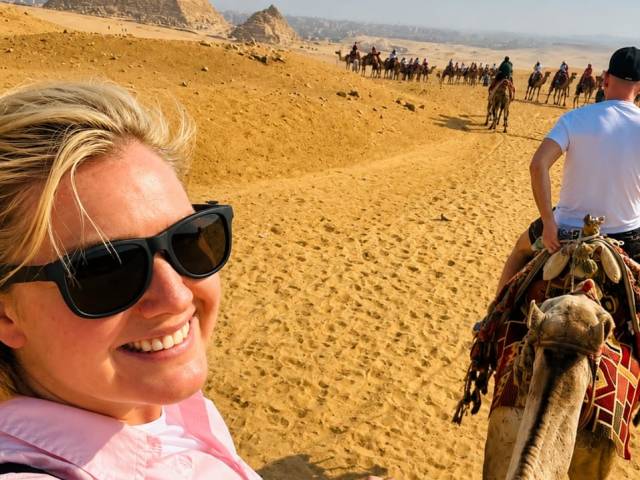
A camel ride at the Pyramids of Giza is one of the most popular activities for visitors.
Riding through the surrounding desert provides a different perspective of the pyramids and creates excellent opportunities for photographs.
Many travelers choose a private tour that combines the archaeological sites with a camel ride and panoramic viewpoints.
For detailed information about the experience, see our Camel Ride at Giza Pyramids guide.
If you are traveling with children, you can also read Can Children Ride Camels in Egypt?.
Best Time to Visit the Giza Pyramids
The best time to visit depends on the weather, crowds, and type of experience you want.
Early Morning
Early morning is an excellent choice because:
- Temperatures are usually more comfortable
- The site is generally less busy
- Morning light is excellent for photography
- Walking around the plateau is easier
Travelers interested in experiencing Giza at dawn can read our Sunrise Giza Pyramids Tour guide.
Late Afternoon
Late afternoon can also be an excellent time to visit, especially during the warmer months.
The lower sun creates warm light across the desert and pyramids, making it ideal for photography.
For more information, see our Sunset Giza Pyramids Tour guide.
What Should You Wear at the Giza Pyramids?
Comfortable clothing and suitable walking shoes are essential because visitors may spend several hours walking across uneven surfaces and desert paths.
Consider bringing:
- Lightweight clothing
- Comfortable walking shoes
- Sunglasses
- A hat or cap
- Sunscreen
- A reusable water bottle
For a complete guide, read What to Wear at the Pyramids of Giza.
How Much Time Do You Need at the Giza Pyramids?
Most visitors should allow approximately 3 to 5 hours to explore the main Giza attractions.
A typical visit may include:
- Great Pyramid of Khufu
- Pyramid of Khafre
- Pyramid of Menkaure
- Great Sphinx
- Valley Temple
- Panoramic viewpoints
- Photography stops
- Optional camel ride
If you plan to combine Giza with the Grand Egyptian Museum or other Cairo attractions, a full-day itinerary is more suitable.
What Else Can You Visit Near the Giza Pyramids?
Giza can easily be combined with several important archaeological and cultural attractions.
Grand Egyptian Museum
The Grand Egyptian Museum is located close to the Giza Pyramids and provides an opportunity to explore an extensive collection of ancient Egyptian artifacts.
Combining the pyramids with the museum is an excellent option for travelers who want to dedicate a full day to ancient Egyptian history.
Saqqara
Saqqara is home to the famous Step Pyramid of Djoser and one of Egypt's most important ancient necropolises.
It is particularly interesting for travelers who want to learn about the development of pyramid construction before the Giza pyramids.
Dahshur
Dahshur is known for the Bent Pyramid and Red Pyramid.
Compared with Giza, the area is generally quieter and offers visitors the opportunity to explore another important stage in the development of Egyptian pyramid architecture.
Memphis
The ancient city of Memphis was one of the most important capitals of ancient Egypt.
Today, visitors can see statues, monuments, and archaeological remains connected with the city's long history.
Best Tours of the Giza Pyramids
Travelers can explore the Giza Plateau independently, but a private guided tour can make the experience easier and more informative.
Popular options include:
- Private Giza Pyramids Tour
- Top Rated Giza Pyramids Tour
- Giza Pyramids and Grand Egyptian Museum Tour
- Cairo Day Tours
- Cairo Layover Tours
A private tour can include:
- Hotel pickup and drop-off
- Private air-conditioned transportation
- Professional Egyptologist guide
- Flexible itinerary
- Photography stops
- Optional camel ride
For travelers who prefer a personalized experience, private tours also make it easier to adjust the pace and spend more time at the attractions that interest you most.
Photography at the Giza Pyramids
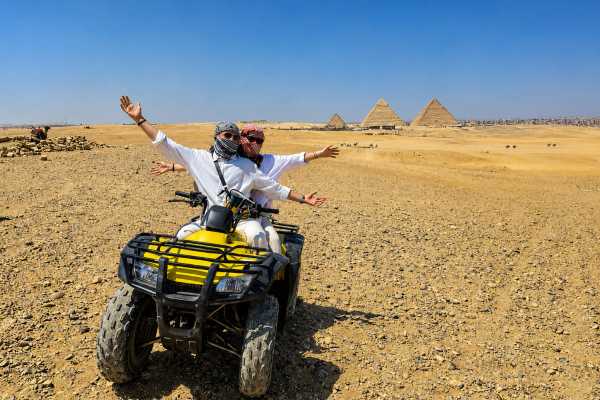
The Giza Plateau offers countless opportunities for memorable photographs.
Popular locations include:
- Panoramic viewpoints
- Great Sphinx viewing areas
- Desert viewpoints
- Areas overlooking all three pyramids
- Camel-riding locations
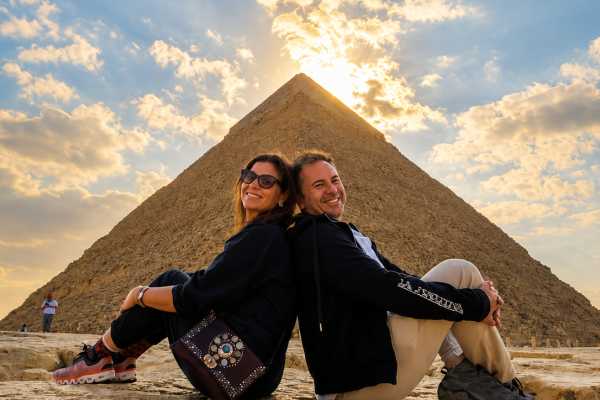
Early morning and late afternoon generally provide softer natural light and more dramatic shadows.
If photography is one of your priorities, consider planning your visit around sunrise or sunset.
Frequently Asked Questions
Are the Giza Pyramids worth visiting?
Absolutely. The Giza Pyramids are among the world's most important ancient monuments and are one of the essential attractions to experience in Egypt.
Can tourists go inside the Great Pyramid?
Yes. Visitors can enter the Great Pyramid of Khufu with a separate ticket.
How much time should I spend at the Giza Pyramids?
Most visitors spend approximately 3 to 5 hours exploring the main attractions. A full day is recommended if you combine Giza with the Grand Egyptian Museum or other nearby sites.
Are camel rides available at the Pyramids?
Yes. Camel rides are a popular activity around the Giza Plateau. However, not every tour includes a camel ride, so check the tour inclusions before booking.
For more information, read Are Camel Rides Included in Giza Pyramids Tours?.
What is the best time to visit the Giza Pyramids?
Early morning and late afternoon are generally excellent choices because of more comfortable temperatures and favorable lighting conditions.
Is the Giza Plateau suitable for families?
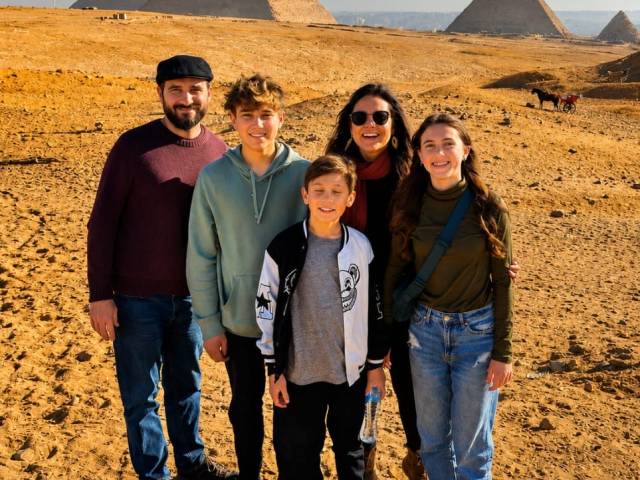
Yes. Families can enjoy the pyramids, Sphinx, photography, and camel-riding experiences. Parents traveling with children should plan for the heat, walking distances, and uneven terrain.
What should I wear at the Pyramids?
Lightweight clothing, comfortable walking shoes, sunglasses, a hat, and sunscreen are recommended.
See our What to Wear at the Pyramids of Giza guide for more details.
Explore More Giza Guides
- Giza Pyramids Guide
- Camel Ride at Giza Pyramids
- Camel Ride vs Horse Ride at the Pyramids
- Is Camel Riding at the Pyramids Safe?
- Can Children Ride Camels in Egypt?
- What to Wear at the Pyramids of Giza
- Sunrise Giza Pyramids Tour
- Sunset Giza Pyramids Tour
- Private Giza Pyramids Tour
- Top Rated Giza Pyramids Tour
Final Thoughts
The Giza Pyramids are much more than a famous tourist attraction. They are one of the world's greatest archaeological achievements and an extraordinary reminder of the engineering, culture, and beliefs of ancient Egypt.
Whether you want to enter the Great Pyramid, stand before the Sphinx, explore the desert by camel, or simply admire the monuments from the panoramic viewpoints, Giza offers an experience unlike anywhere else.
For the best experience, plan your visit around the weather, allow enough time to explore the plateau, and consider combining Giza with the Grand Egyptian Museum or another nearby archaeological site.
If you're visiting Egypt for the first time, the Giza Pyramids deserve a place at the top of your itinerary.