


How to Plan a Trip to Egypt: The Complete Travel Guide
Planning a trip to Egypt is an exciting opportunity to explore one of the world's most fascinating destinations. From the Great Pyramids of Giza and the Great Sphinx to the magnificent temples of Luxor, the Nile River, and the beaches of the Red Sea, Egypt offers an extraordinary combination of ancient history, culture, adventure, and relaxation.
However, planning a successful Egypt vacation involves more than booking a flight and choosing a hotel. You need to decide how many days to spend in the country, which destinations to visit, how to travel between cities, what to budget for sightseeing, and whether a private tour or an independent itinerary is right for you.
This comprehensive Egypt travel planning guide answers the most important questions travelers ask before visiting Egypt. Whether you are planning your first visit, a family holiday, a romantic getaway, or a longer historical adventure, you will find practical advice to help you organize your trip.
Quick Guide: How to Plan a Trip to Egypt
If you are just starting to plan, follow these steps:
Choose your travel dates and check the expected weather.
Decide how many days you can spend in Egypt.
Select your main destinations, such as Cairo, Luxor, Aswan, or the Red Sea.
Check passport, visa, and entry requirements for your nationality.
Set a realistic budget for flights, hotels, transportation, meals, and entrance tickets.
Book international flights and essential accommodation.
Arrange domestic flights, transfers, guided tours, and any Nile cruise.
Purchase suitable travel insurance.
Prepare your packing list, payment options, and important documents.
Confirm all reservations and check official travel advice before departure.
|
Expense |
What affects the cost? |
|---|---|
|
International flights |
Departure city, dates, airline, and baggage |
|
Accommodation |
Hotel location, room type, and category |
|
Domestic flights |
Route, dates, baggage, and availability |
|
Transportation |
Private transfers, taxis, and sightseeing vehicles |
|
Tour guides |
Qualifications, language, and duration of service |
|
Entrance tickets |
Attractions visited and special tickets |
|
Nile cruise |
Ship category, cabin, meals, and sailing dates |
|
Food and drinks |
Restaurant choices and included meals |
|
Activities |
Camel rides, desert trips, and optional excursions |
|
Travel insurance |
Coverage, trip duration, and traveler details |
|
Additional expenses |
Tips, shopping, mobile data, and unexpected costs |
The most important principle is to plan your route before booking individual activities. This helps prevent unnecessary travel, rushed sightseeing, and avoidable expenses.
1. When Is the Best Time to Visit Egypt?
Egypt can be visited throughout the year, but the best time depends on your preferred destinations, tolerance for heat, budget, and travel dates.
October to November
Autumn is a popular period for sightseeing in Cairo, Luxor, and Aswan. Temperatures generally become more comfortable than during the hottest summer months.
This period can suit travelers who want to explore archaeological sites, take photographs, and combine several destinations in one trip.
December to February
Winter is a popular season for visitors interested in Egypt's ancient monuments. Cairo can have cool evenings, while Luxor and Aswan are often more comfortable for outdoor sightseeing than during summer.
Accommodation and cruise demand may increase around Christmas, New Year, and other busy holiday periods, so book ahead when traveling on popular dates.
March to April
Spring can be a good time to explore Egypt, particularly if you plan to visit several historical sites. Temperatures begin to rise as summer approaches, and occasional dusty or windy conditions may affect outdoor plans.
May to September
Summer can be very hot, especially in Luxor, Aswan, and desert areas. If you travel during this period, schedule outdoor sightseeing early in the morning, carry water, use sun protection, and allow time for rest.
Beach destinations on the Red Sea may still appeal to travelers who enjoy swimming and resort holidays, but check the weather and conditions for your chosen activities.
Planning tip: Check the expected weather for each destination, not just Cairo. Conditions in southern Egypt can differ significantly from those on the Mediterranean coast.
For current seasonal guidance, consult the official Experience Egypt travel information website.
2. How Many Days Do You Need in Egypt?
The right trip length depends on whether you want to focus on Cairo or explore several regions.
Three to Four Days: Cairo Highlights
A short visit can include the Giza Pyramids, the Great Sphinx, the Grand Egyptian Museum, and selected historical neighborhoods.
This option works well for travelers on a short vacation or an extended stopover. However, it does not leave much time for Luxor, Aswan, or a Red Sea holiday.
Five to Seven Days: Cairo and Southern Egypt
With five to seven days, you can combine Cairo with selected attractions in Luxor or Aswan. Domestic flights can help reduce travel time, but schedules and airport transfers need careful coordination.
This itinerary may feel busy if you attempt to include too many cities.
Eight to Ten Days: Cairo and a Nile Cruise
Eight to ten days can provide a more balanced itinerary that includes Cairo, Luxor, Aswan, and a Nile cruise.
You may be able to explore the Giza Pyramids, major museums, royal tombs, ancient temples, and several Nile Valley destinations without changing hotels every night.
The exact route depends on cruise departure dates and the number of nights available.
Twelve to Fourteen Days: A More Complete Egypt Vacation
A longer trip gives you more flexibility to explore Cairo, Luxor, Aswan, Abu Simbel, and the Red Sea.
You could also consider Alexandria or a desert experience if it fits your interests and available travel time.
Avoid adding destinations simply to make the itinerary look more comprehensive. A well-paced vacation often provides a better experience than a rushed checklist of attractions.
3. Which Places Should You Visit in Egypt?
Egypt offers a wide range of destinations, but first-time visitors often begin with the following.
Cairo and the Giza Pyramids
Cairo is the usual starting point for international visitors.
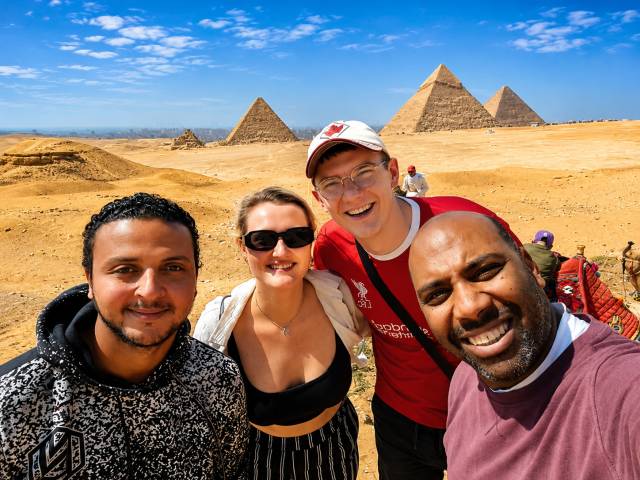
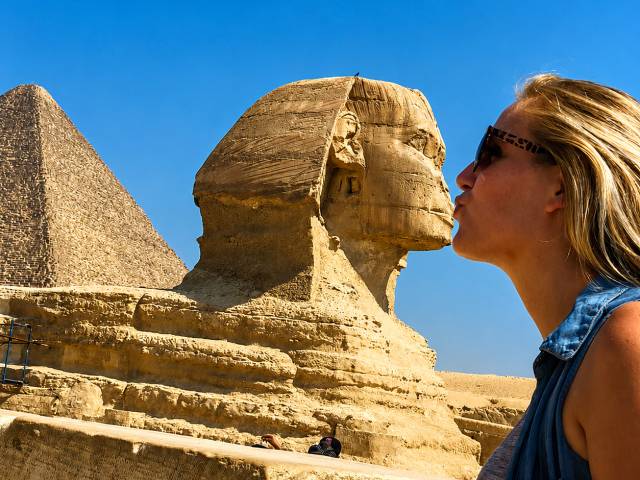
The Giza Plateau is home to the Great Pyramid of Khufu, the pyramids of Khafre and Menkaure, and the Great Sphinx. Travelers can explore the archaeological site, visit viewpoints, and learn about the monuments with a qualified guide.
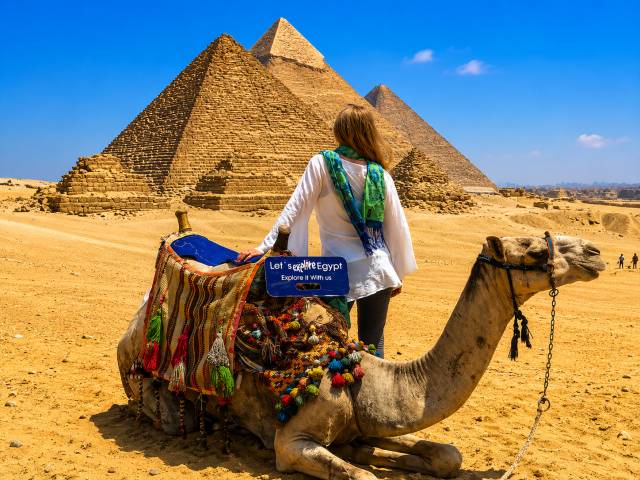
Depending on your interests and ticket availability, you may also choose to enter one of the pyramids or arrange a camel ride.
Allow enough time for security procedures, walking, photographs, and breaks. Visiting the pyramids can involve considerable outdoor exposure, particularly during warmer months.
The Grand Egyptian Museum
The Grand Egyptian Museum is an important addition to a Cairo itinerary for travelers interested in ancient Egyptian artifacts and history.
Check current opening arrangements, available exhibitions, ticket conditions, and photography rules before your visit.
If you plan to visit both the museum and the Giza Plateau on the same day, consider how much time you want to spend at each location and allow for traffic.
Saqqara and Memphis
Saqqara is famous for the Step Pyramid of Djoser, an important development in ancient Egyptian monumental architecture.
Nearby Memphis was an important center in ancient Egyptian history. Visiting both places can help travelers understand the development of pyramid building and the broader history of the region.
These destinations are especially appealing to visitors who want to explore beyond the most famous sites at Giza.
Luxor
Luxor is one of Egypt's most important destinations for ancient history.
Highlights include Karnak Temple, Luxor Temple, the Valley of the Kings, and Hatshepsut Temple. The sites are spread across the East and West Banks of the Nile, so planning transportation and visit times is important.
Travelers with a strong interest in archaeology may want to spend two or more days in the area rather than trying to see everything in one day.
Aswan
Aswan offers Nile scenery, cultural experiences, and important archaeological attractions.
Philae Temple is one of its best-known sites. Travelers with additional time may consider a visit to Abu Simbel, but this requires separate transportation planning and sufficient time.
The Red Sea
Hurghada and Sharm El Sheikh are popular choices for travelers who want to combine historical sightseeing with beach time.
Depending on the destination and season, visitors can enjoy swimming, snorkeling, diving, resort facilities, and other activities.
If your vacation includes both Cairo and the Red Sea, plan the transfer carefully to avoid losing too much time in transit.
Alexandria
Alexandria offers a different atmosphere from Cairo and southern Egypt, with Mediterranean scenery, historical landmarks, and cultural attractions.
It may be a suitable addition for travelers who have extra time, although the decision should depend on your overall route.
4. What Is the Best Egypt Itinerary for First-Time Visitors?
A practical itinerary should balance sightseeing with travel time and rest.
Here is an example of a ten-day trip:
Day 1: Arrive in Cairo
Meet your pre-arranged driver, transfer to your hotel, and rest after your international flight.
Day 2: Giza Pyramids and the Sphinx
Explore the Giza Plateau, learn about the pyramids, and enjoy time for photographs.
Day 3: Grand Egyptian Museum and Cairo
Visit the museum and add another attraction if time permits.
Day 4: Saqqara and Memphis
Explore the Step Pyramid and the archaeological remains of ancient Memphis.
Day 5: Travel to Aswan
Take a domestic flight or another suitable transfer. Visit selected attractions according to your arrival time.
Day 6: Aswan sightseeing
Visit Philae Temple and explore other attractions that fit your schedule.
Day 7: Begin a Nile cruise
Board your cruise according to its departure schedule. The exact activities depend on the vessel and itinerary.
Day 8: Nile Valley temples
Visit sites included in your cruise itinerary, which may include Kom Ombo or Edfu.
Day 9: Luxor
Explore selected attractions such as the Valley of the Kings, Hatshepsut Temple, Karnak Temple, or Luxor Temple.
Day 10: Departure
Travel to the appropriate airport according to your international flight arrangements.
This is a planning example, not a fixed timetable. Cruise departures, domestic flight availability, opening hours, and the location of your international departure airport can require changes.
If you want a slower vacation, add extra nights rather than trying to fit more attractions into every day.
5. How Much Does a Trip to Egypt Cost?
The cost of an Egypt vacation depends on your travel dates, accommodation, group size, transportation choices, and sightseeing preferences.
Your main expenses may include:
How to Create a Realistic Budget
Start by estimating the cost of your international flights and accommodation. Then add transportation, sightseeing, entrance tickets, meals, insurance, and a reserve for unexpected expenses.
Check whether quoted tour prices include entrance tickets and meals. A lower advertised price may cover transportation and guiding only, while another package may include more services.
If you are traveling with family or friends, compare the total group price as well as the per-person cost.
For a multi-city trip, calculate the full cost of moving between destinations before booking separate activities.
Budget tip: Ask for a written breakdown of inclusions and exclusions. It makes different offers easier to compare and reduces the risk of unexpected expenses.
6. Should You Book a Private Tour or Travel Independently?
Both options can work. The right choice depends on your budget, experience, interests, and comfort with arranging logistics.
Private Tours
Private tours are useful for travelers who prefer a more personalized schedule and coordinated transportation.
Potential benefits include:
Transportation arranged for your booking party.
A guide focused on your group's interests.
Greater flexibility over the sightseeing pace.
Easier coordination of multiple attractions.
Assistance arranging transfers between destinations.
The ability to discuss specific requests in advance.
Private tours can be particularly useful for families, couples, older travelers, and visitors with limited time.
However, a private tour does not automatically include every entrance ticket, meal, or activity. Confirm all inclusions and ask whether shopping stops or optional visits are planned.
Independent Travel
Independent travel allows you to choose your hotels, restaurants, transportation, and sightseeing schedule.
It can suit travelers who enjoy researching destinations and managing reservations themselves.
However, you will need to coordinate transfers, domestic flights, attraction tickets, and any changes to your schedule.
Independent travel is not automatically cheaper. Compare the full cost of transportation, guiding, accommodation, and tickets before deciding.
Group Tours
Group tours may provide a structured itinerary at a competitive per-person price.
They can be convenient for travelers who prefer scheduled departures and enjoy meeting other visitors. The trade-off is usually less flexibility over timing and the length of each stop.
How to choose: Compare the complete itinerary, group size, transportation, guide services, included tickets, and cancellation conditions rather than judging the options by price alone.
Explore available options on the Let's Explore Egypt Travel website.
7. How Do You Get Around Egypt?
Transportation planning is important because the main destinations are spread across the country.
Domestic Flights
Flights can be useful for traveling between Cairo and southern destinations such as Luxor or Aswan.
When comparing flight options, consider baggage allowances, airport transfer times, departure schedules, and the time needed to reach your next activity.
Avoid scheduling a major prepaid excursion immediately after a flight unless there is enough flexibility to handle delays.
Private Transfers
A private vehicle can be convenient for airport transfers and sightseeing days.
Before confirming, ask about pickup times, the vehicle type, luggage capacity, journey duration, and whether the driver waits during sightseeing.
For longer road journeys, confirm the route and any planned stops in advance.
Trains
Rail services may be an option for some routes, including journeys between Cairo and southern Egypt.
Schedules, ticket availability, travel classes, and journey times vary. Check current services before building your itinerary around a particular train.
Taxis and Ride-Hailing
Taxis and available ride-hailing services may be useful for shorter journeys, depending on the destination and local availability.
Confirm the fare or pricing method before beginning a journey when appropriate.
Nile Cruises
A Nile cruise combines accommodation, travel between selected destinations, and scheduled sightseeing.
Cruise routes and sailing days vary. Confirm the embarkation and disembarkation points, number of nights, meals, cabin category, and included excursions.
8. What Are the Visa Requirements for Egypt?
Visa requirements depend on your nationality, passport, purpose of travel, and intended length of stay.
Some travelers may qualify for an electronic visa, while others may need to apply through a consulate or follow another permitted entry process.
Before departure:
Check the current requirements for your passport.
Use the official Egyptian e-Visa portal if eligible.
Review passport validity requirements.
Confirm the permitted length of stay and number of entries.
Keep your visa approval and travel documents accessible.
Check whether your itinerary includes any special border or entry arrangements.
Official visa resources:
Experience Egypt: Useful Travel Information
Do not assume that a friend with a different nationality will have the same visa requirements. Confirm the rules that apply to each traveler.
9. What Should You Pack for Egypt?
Your packing list should reflect the season, destinations, planned activities, and personal needs.
Useful items include:
Lightweight, breathable clothing.
Comfortable walking shoes.
A hat, sunglasses, and sunscreen.
A light jacket for cooler evenings or winter travel.
A scarf or modest clothing for visits to religious sites where appropriate.
Prescription medication in its original packaging where possible.
Personal toiletries and basic first-aid supplies.
A phone charger and suitable power adapter.
Copies of your passport, visa, insurance, and reservations.
A reusable water bottle where practical.
If you are visiting archaeological sites, prioritize comfortable footwear and protection from the sun.
For a longer itinerary, pack for both city sightseeing and the specific activities you plan to enjoy at the Red Sea or in the desert.
10. Is Egypt Safe for Tourists?
Safety depends on the location, current conditions, personal circumstances, and activities planned. Many travelers visit Egypt for historical sightseeing and resort holidays, but it is important to review current official guidance before departure.
Before traveling:
Read your government's latest Egypt travel advisory.
Check regional restrictions and areas to avoid.
Follow instructions from local authorities.
Use reputable transportation providers.
Keep important documents and emergency contacts accessible.
Stay aware of your surroundings in busy areas.
Review your travel insurance conditions.
Follow local laws and site-specific instructions.
Official information is available from the U.S. Department of State's Egypt travel advisory. Travelers of other nationalities should consult their own government's advice.
Is Egypt Suitable for Families?
Egypt can be an engaging destination for families interested in history and culture. However, long sightseeing days, heat, uneven surfaces, and travel between cities may be challenging for younger children.
Choose a realistic pace, schedule breaks, and confirm whether the tour is suitable for your children's ages and needs.
Can Women Travel to Egypt?
Women travel to Egypt for sightseeing, family holidays, and other trips. Experiences vary, and travelers should review current advice, dress appropriately for the setting, choose transportation carefully, and use practical personal-safety precautions.
Solo travelers may prefer well-reviewed accommodation and pre-arranged transfers, especially when arriving late at night.
11. What Currency Is Used in Egypt?
Egypt's official currency is the Egyptian pound, commonly abbreviated as EGP.
Before traveling, check current payment options and exchange rates. Availability of card payments can vary by business and location, so it is useful to understand how you will pay for hotels, transport, meals, and smaller purchases.
Practical tips:
Notify your bank before travel if required.
Check foreign transaction and ATM fees.
Carry a suitable payment card and some local currency.
Keep small denominations for modest purchases and tips.
Confirm the accepted payment methods for tours and transfers.
Avoid exchanging more cash than you reasonably expect to use.
Do not assume every business accepts foreign currency or cards. Ask about accepted payment methods before confirming a booking.
12. Should You Tip in Egypt?
Tipping is common in many tourism and hospitality settings in Egypt, but the amount depends on the service, your budget, and the circumstances.
You may encounter tipping situations involving guides, drivers, restaurant staff, hotel staff, and cruise personnel.
Before your trip, ask whether service charges or tips are included in any package you book.
You are not required to tip every person you encounter. Treat tipping as a practical part of your travel budget rather than an obligation to make payments you cannot afford.
13. What Food Should You Try in Egypt?
Egyptian cuisine is an important part of the travel experience.
Popular dishes and foods to look for include:
Koshari: A filling dish combining rice, pasta, lentils, chickpeas, and tomato sauce.
Ful medames: Slow-cooked fava beans, often served for breakfast.
Taameya: Egyptian-style falafel traditionally made with fava beans.
Molokhia: A traditional green-leaf dish served in different ways.
Mahshi: Vegetables or leaves stuffed with seasoned rice or other fillings.
Grilled meats and kebab: Common options at many local restaurants.
Egyptian bread: An everyday part of many meals.
Traditional desserts: Sweet pastries and other local specialties.
Choose food establishments with good hygiene practices, and take care with food and water if you have a sensitive stomach or specific dietary requirements.
Tell your tour operator or restaurant about allergies and dietary restrictions before ordering.
14. How Can You Avoid Common Egypt Travel Mistakes?
A little preparation can make your trip easier and more enjoyable.
Trying to Visit Too Many Places
Traveling between cities takes time. Choose a realistic route and leave enough time to enjoy each destination.
Booking Flights Before Finalizing the Itinerary
Domestic flight times and cruise departures can affect the entire trip. Confirm the itinerary before purchasing non-refundable tickets whenever possible.
Ignoring Entrance Fees
A tour price may not include all entrance tickets or special experiences. Ask for a written list of inclusions.
Underestimating the Heat
Outdoor sightseeing can be demanding, especially in summer. Plan early starts, rest breaks, hydration, and sun protection.
Not Checking Cancellation Terms
Hotels, flights, cruises, and tours may have different cancellation rules. Read them before paying a deposit.
Assuming Every Tour Is the Same
Two tours covering the same attractions can differ in transportation, guide services, duration, group size, entrance tickets, and meals.
Compare the full experience, not just the list of places visited.
Leaving Everything Until Arrival
Some activities and travel arrangements may have limited availability on popular dates. Book essential services in advance and keep flexibility for less critical plans.
15. How to Choose the Right Egypt Tour Operator
If you decide to book a guided tour, look for a provider that communicates clearly and explains its services.
Check the following before confirming:
A detailed itinerary with realistic timings.
Clear information about what is included and excluded.
Transparent prices and payment terms.
Information about guide qualifications.
Reliable pickup and transportation arrangements.
A clear cancellation and refund policy.
Recent independent reviews.
Contact details and a written booking confirmation.
Answers to questions about special requests.
Ask whether the tour includes a private vehicle, a qualified guide, entrance tickets, meals, and optional activities.
If you want a sightseeing-focused experience without shopping stops, state that preference before booking and request confirmation in writing.
16. How to Plan a Private Egypt Vacation
A private itinerary can be useful if you want to coordinate sightseeing, transfers, and the pace of your trip around your own priorities.
To request a suitable program, prepare the following information:
Travel dates: Include your arrival and departure dates.
Group size: State how many adults and children are traveling and provide children's ages when relevant.
Destinations: List the places you want to visit, such as Cairo, Luxor, Aswan, Abu Simbel, or the Red Sea.
Accommodation: Explain whether you have already booked hotels or need help arranging them.
Travel style: Mention whether you prefer private sightseeing, a Nile cruise, a family-friendly itinerary, a luxury experience, or a more budget-conscious trip.
Included services: Specify whether you need transportation, guides, entrance tickets, meals, domestic flights, or airport transfers.
Special requests: Include dietary needs, mobility considerations, preferred languages, and whether you want to avoid shopping stops.
This information helps the tour operator prepare a more accurate proposal and reduces misunderstandings later.
Explore the available options at Let's Explore Egypt Travel and review the Egypt tour packages page.
Frequently Asked Questions About Planning a Trip to Egypt
1. What is the best way to plan a trip to Egypt?
Start by choosing your travel dates, deciding how many days you have, and selecting your main destinations. Then confirm visa requirements, set a budget, arrange transportation and accommodation, and book essential tours.
2. How many days are enough for Egypt?
Three to four days can cover Cairo's highlights. Seven to ten days allow you to explore more of southern Egypt, while twelve to fourteen days provide greater flexibility for a Nile cruise, Abu Simbel, and the Red Sea.
3. What is the best month to visit Egypt?
October through April is often preferred for sightseeing because temperatures are generally more comfortable than in summer. The best month depends on your destinations, budget, and tolerance for heat.
4. Is Egypt expensive to visit?
The cost depends on your hotel category, transportation, activities, travel dates, and group size. A budget-conscious trip and a luxury vacation can have very different costs.
5. Do I need a visa to visit Egypt?
Visa requirements depend on your nationality and travel circumstances. Check the official Egypt e-Visa Portal and confirm the requirements for your passport before departure.
6. How much money should I budget for an Egypt trip?
Calculate international flights, accommodation, transportation, food, entrance tickets, guides, insurance, and optional activities. Request itemized tour prices so you can compare the full cost of different options.
7. Is it better to book an Egypt tour in advance?
Booking essential services in advance can help coordinate hotels, domestic flights, cruise departures, and guided sightseeing. This is particularly useful for popular travel dates or complex multi-city itineraries.
8. Should I book a private tour in Egypt?
A private tour can suit travelers who value personal attention, coordinated transportation, and flexibility. Compare the complete itinerary and inclusions before deciding whether it offers good value for your group.
9. Can I travel around Egypt without a tour guide?
Independent travel is possible, but you will need to organize your own transportation, accommodation, tickets, and schedule. A guide can add historical context and help coordinate sightseeing at major archaeological sites.
10. Is Egypt safe for first-time visitors?
Many people visit Egypt for tourism, but safety conditions can vary by location and over time. Review your government's current travel advice and follow local instructions before and during your trip.
11. What should I wear in Egypt?
Lightweight clothing and comfortable walking shoes are useful for sightseeing. Bring sun protection and a light layer for cooler evenings. When visiting religious sites, dress respectfully and follow local guidance on covering shoulders, legs, or hair where required.
12. What currency should I bring to Egypt?
The Egyptian pound is the local currency. Check your card fees and payment options, and consider carrying some local cash for smaller purchases and places that do not accept cards.
13. Can I use credit cards in Egypt?
Card acceptance varies by business and location. Confirm payment methods for hotels, tours, and transportation in advance, and keep an alternative payment method available.
14. Is tipping expected in Egypt?
Tipping is common in many tourism and hospitality settings, but amounts vary. Ask whether tips or service charges are included in your package and plan a reasonable amount for your budget.
15. Can I visit the Pyramids and the Grand Egyptian Museum in one day?
It may be possible, depending on opening arrangements, ticket availability, traffic, and the amount of time you want to spend at each attraction. A separate visit to each may be more comfortable for travelers who prefer a slower pace.
16. Is a Nile cruise worth including in an Egypt itinerary?
A Nile cruise can be a memorable way to explore selected destinations between Luxor and Aswan. Whether it is right for you depends on your interests, schedule, budget, and preferred travel style.
17. Can I combine Cairo with a Red Sea holiday?
Yes. Many travelers combine Cairo's historical attractions with a stay in Hurghada or Sharm El Sheikh. Plan transportation carefully and allow enough time for transfers.
18. Is Egypt suitable for families with children?
Egypt can be an engaging destination for families interested in history and culture. Choose a manageable itinerary, plan breaks, consider the weather, and confirm the suitability of activities for your children's ages.
19. What should I book before arriving in Egypt?
Consider booking essential accommodation, domestic flights, Nile cruises, airport transfers, and any time-sensitive tours. Confirm the terms of each reservation and leave some flexibility for changes.
20. Do Egypt tour packages include entrance tickets?
Some packages include selected entrance tickets, while others charge them separately. Ask for a written list of included attractions and additional costs before booking.
21. Can I customize an Egypt itinerary?
Many private tour operators offer customized itineraries. You can ask about adjusting destinations, trip length, hotel category, sightseeing pace, and transportation arrangements.
22. How can I avoid unwanted shopping stops?
Read the itinerary carefully and ask the operator directly whether commercial stops are planned. If you prefer sightseeing without shopping visits, request written confirmation before booking.
23. What travel insurance should I consider for Egypt?
Compare policies covering eligible emergency medical expenses, medical evacuation, trip cancellation, interruption, delays, and baggage. Check exclusions and confirm that your planned activities are covered.
24. How far in advance should I plan my Egypt vacation?
Start planning as soon as you know your approximate travel dates, especially if your itinerary includes multiple cities or a Nile cruise. The ideal booking window depends on the season, availability, and your travel arrangements.
25. Can I visit Egypt on a short stopover?
A short stopover can allow you to visit selected attractions in Cairo, but the itinerary must account for airport procedures, traffic, visa eligibility, and your next flight. Choose only as many activities as your available time realistically allows.
Start Planning Your Egypt Adventure
Planning an Egypt vacation becomes much easier when you choose a realistic itinerary, understand your expected expenses, and confirm the details before departure.
Whether you want to explore the Giza Pyramids, discover the temples of Luxor, enjoy a Nile cruise, or relax by the Red Sea, the best trip is one that matches your interests and gives you enough time to enjoy each destination.
Use this guide as your starting point, verify current travel and entry requirements, and compare tour options based on their actual inclusions and booking terms.
If you would like help arranging a private sightseeing itinerary or a multi-day Egypt vacation, visit Let's Explore Egypt Travel and explore our Egypt tour packages.
Share your travel dates, group size, preferred destinations, and travel style to begin planning your Egypt adventure.