Inside Giza Pyramids


Can You Go Inside the Great Pyramid of Giza? Everything Tourists Need to Know
Yes, visitors can enter the Great Pyramid of Giza, also known as the Pyramid of Khufu or Cheops. For many travelers, walking inside one of the world's oldest surviving monuments is one of the most memorable experiences in Egypt.
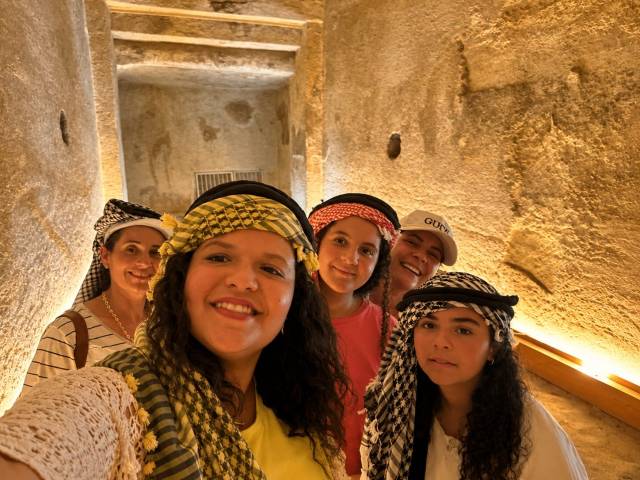
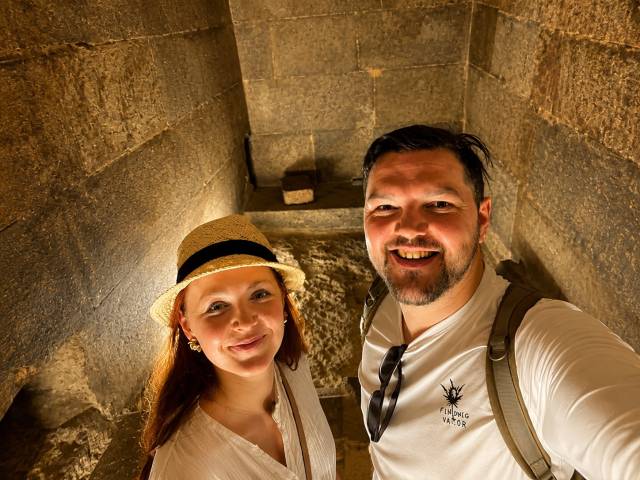
However, entering the Great Pyramid is very different from visiting a museum or a decorated ancient tomb. The interior contains narrow passages, large stone chambers, the Grand Gallery, and the famous King's Chamber rather than preserved treasures or colorful wall paintings.
If you're planning a visit, this guide explains whether you can enter the Great Pyramid, what you will see inside, how difficult the experience is, how long it takes, and whether it is worth the additional ticket.
For a complete overview of the archaeological site, see our Giza Pyramids Guide.
Can Tourists Enter the Great Pyramid of Giza?
Yes. Visitors can enter designated areas inside the Great Pyramid of Khufu with an additional entrance ticket.
The interior route allows visitors to experience several important architectural features of the monument, including the ascending passage, the Grand Gallery, and the King's Chamber.
Because access, ticket prices, and visitor regulations can change, it is important to check the current arrangements before your visit.
For more information about entrance fees and access, read our Giza Pyramids Tickets Guide.
Is the Great Pyramid Open Every Day?
The Giza archaeological site generally receives visitors throughout the week, but opening hours, ticket availability, and access to individual monuments may change.
If entering the Great Pyramid is a priority, it is better to plan your visit in advance rather than assuming an interior ticket will always be available.
A private tour can also make it easier to organize your time around the pyramid entrance and the other monuments on the plateau.
What Is Inside the Great Pyramid?
The interior of the Great Pyramid is much simpler than many first-time visitors expect.
You will not find museum displays or large collections of artifacts inside.
Instead, the experience focuses on the ancient architecture itself.
Visitors may encounter:
- The Ascending Passage
- The Grand Gallery
- Narrow corridors
- The King's Chamber
- Massive granite blocks
- Ancient construction features
The interior provides a fascinating look at the engineering and architectural planning behind one of the world's most famous monuments.
The Ascending Passage
The route into the upper part of the pyramid includes passages that were carefully constructed thousands of years ago.
Some sections are narrow and require visitors to move carefully.
The passage itself is part of what makes the experience unique because you are physically moving through the original architecture of the monument.
The Grand Gallery
The Grand Gallery is one of the most impressive spaces inside the Great Pyramid.
It is a large, steeply rising passage with a distinctive corbelled design.
The precision of the limestone construction demonstrates the extraordinary skills of the ancient Egyptian builders.
For many visitors, seeing the Grand Gallery is one of the highlights of entering the pyramid.
The King's Chamber
The King's Chamber is the main chamber located deep inside the Great Pyramid.
It was constructed primarily from large granite blocks transported from southern Egypt.
The chamber is relatively simple compared with the decorated tombs found elsewhere in Egypt, but its enormous stones and precise construction make it one of the most remarkable spaces inside the monument.
Are There Mummies or Treasures Inside the Great Pyramid?
No known mummy or royal treasure remains inside the Great Pyramid today.
The pyramid was constructed as the funerary monument of Pharaoh Khufu, but its original burial contents have not survived.
This is an important point for visitors to understand before entering.
If you are expecting painted walls, statues, gold, or preserved royal objects, the interior may look surprisingly empty.
The attraction is the architecture, scale, history, and experience of being inside the ancient monument itself.
Is Going Inside the Great Pyramid Worth It?
For many travelers, yes.
Entering the Great Pyramid offers an experience that cannot be replicated by simply viewing the monument from outside.
You can walk through ancient passageways, see the Grand Gallery, enter the King's Chamber, and experience the interior of a structure that has survived for more than four millennia.
However, whether it is worth the additional cost depends on your interests.
It is especially worthwhile for:
- History enthusiasts
- Archaeology lovers
- First-time visitors to Egypt
- Travelers fascinated by ancient engineering
- Visitors who want a unique experience
If you are primarily interested in photography, the exterior of the pyramid and the panoramic viewpoints may be more rewarding.
Is It Difficult to Enter the Great Pyramid?
Entering the Great Pyramid requires a moderate level of physical effort.
Visitors should be prepared for:
- Narrow passages
- Steep sections
- Low or confined areas
- Bending in some sections
- Warm temperatures
- Climbing and walking
The experience is not a normal flat sightseeing walk.
If you are uncomfortable in confined spaces or have difficulty with stairs and narrow passages, you should consider whether entering is right for you.
Is the Great Pyramid Suitable for Children?
Children can enter the Great Pyramid, but parents should consider the physical conditions inside.
Some passages are narrow and require bending, while other sections involve climbing.
Young children should remain supervised throughout the experience.
For families, a private tour can be useful because the itinerary can be adjusted around the children's pace.
How Long Does It Take to Visit Inside the Great Pyramid?
The interior visit itself can often take approximately 20–45 minutes, depending on visitor flow, walking pace, and current conditions.
However, you should allow considerably more time for the entire Giza experience.
A typical itinerary can combine the Great Pyramid with:
- Pyramid of Khafre
- Pyramid of Menkaure
- Great Sphinx
- Panoramic viewpoint
- Camel ride
- Valley Temple
If you want to explore several attractions in one day, consider a private Giza Pyramids tour.
What Should You Wear Inside the Great Pyramid?
Comfortable clothing is important.
Recommended items include:
- Comfortable walking shoes
- Lightweight clothing
- Breathable fabrics
- Minimal luggage
- Water
- Sun protection for the outdoor portions of your visit
The interior can feel warm, particularly during hotter periods, so comfortable clothing is recommended.
Best Time to Visit the Great Pyramid
For the overall Giza experience, early morning is generally a good choice.
Morning visits can provide:
- Cooler temperatures
- Better walking conditions
- Softer light for photography
- Less exposure to the strongest midday heat
The months from October through April are generally more comfortable for sightseeing in Cairo and Giza.
For a broader planning guide, see our Giza Pyramids Guide.
Great Pyramid Interior vs Exterior Experience
The exterior and interior offer completely different experiences.
Outside the Pyramid
You can appreciate:
- The enormous scale
- The architecture
- The desert landscape
- The panoramic views
- Photography opportunities
Inside the Pyramid
You experience:
- Ancient passageways
- The Grand Gallery
- The King's Chamber
- Massive granite construction
- The engineering of the monument from the inside
If this is your first visit to Egypt and you have enough time, experiencing both can provide a much more complete understanding of the Great Pyramid.
Can You Combine the Great Pyramid With the Sphinx?
Absolutely.
The Great Sphinx of Giza is located within the same archaeological area, making it practical to visit both during the same itinerary.
Many visitors begin with the pyramids before continuing to the Sphinx and Valley Temple.
You can learn more about the monument in our Great Sphinx of Giza Guide.
Can You Combine Giza With the Grand Egyptian Museum?
Yes.
Combining the Giza Pyramids with the Grand Egyptian Museum is an excellent full-day option.
The Giza Plateau allows you to experience ancient monuments in their original setting, while the museum provides a deeper look at Egyptian artifacts and archaeological collections.
See our Grand Egyptian Museum Tours if you want to combine both experiences.
Should You Visit the Great Pyramid With a Guide?
You can visit the Giza Plateau independently, but a professional Egyptologist can add considerably more context to the experience.
A knowledgeable guide can explain:
- Why the pyramid was built
- The reign of Pharaoh Khufu
- Ancient Egyptian funerary beliefs
- How the pyramid may have been constructed
- The purpose of its chambers
- The significance of the Grand Gallery
- The history of archaeological discoveries
Instead of simply walking through an ancient structure, you understand why the structure exists and how it fits into ancient Egyptian civilization.
Why Choose a Private Giza Pyramids Tour?
A private tour is particularly useful if you want to enter the Great Pyramid while also visiting the rest of the Giza Plateau.
With a private itinerary, you can combine:
Great Pyramid → Khafre → Menkaure → Sphinx → Panoramic Viewpoint → Camel Ride
You can also add the Grand Egyptian Museum or other attractions depending on how much time you have.
Explore our Best Pyramid Tours in Cairo to compare different Giza experiences.
Tips Before Entering the Great Pyramid
1. Buy the Correct Ticket
Entering the pyramid requires an additional ticket. Make sure you understand exactly what your ticket includes.
2. Wear Comfortable Shoes
Some sections require climbing and careful walking.
3. Avoid Large Bags
Large luggage can make the narrow passages more difficult to navigate.
4. Be Prepared for Confined Spaces
The interior contains narrow passages and enclosed areas.
5. Take Your Time
There is no reason to rush through the interior. Move carefully and follow the designated route.
6. Visit Early
Morning can provide more comfortable conditions for the overall Giza visit.
Frequently Asked Questions
Can you go inside the Great Pyramid of Giza?
Yes. Visitors can enter designated areas of the Great Pyramid with an additional ticket, subject to current regulations and availability.
Is entering the Great Pyramid worth it?
For travelers interested in ancient history, archaeology, and engineering, entering the pyramid can be a memorable experience.
Are there treasures inside the Great Pyramid?
No major royal treasures remain inside today.
Is there a mummy inside the Great Pyramid?
No known mummy remains inside the Great Pyramid.
Is entering the pyramid difficult?
Some sections are narrow, steep, and physically demanding. Visitors should be comfortable with climbing and confined spaces.
How long does it take to go inside?
The interior experience can take approximately 20–45 minutes, although this can vary depending on visitor conditions.
Can children enter the Great Pyramid?
Yes, children can enter, but parents should consider the narrow passages and physical effort required.
What should I bring?
Comfortable shoes, water, and minimal personal belongings are recommended.
Can I visit the Sphinx on the same day?
Yes. The Sphinx is located within the Giza archaeological area and is normally easy to combine with the pyramids.
Can I visit the Great Pyramid and Grand Egyptian Museum in one day?
Yes. A private full-day itinerary can combine the Giza Pyramids with the Grand Egyptian Museum.
Final Thoughts: Is the Great Pyramid Interior Worth Seeing?
Entering the Great Pyramid of Giza is not about discovering hidden treasure or colorful tomb paintings.
It is about experiencing the architecture itself.
Walking through ancient passages, climbing into the Grand Gallery, and standing inside the King's Chamber provides a completely different perspective on one of humanity's greatest monuments.
If you are fascinated by ancient Egypt, engineering, history, or archaeology, adding the interior visit to your Giza itinerary can make your experience considerably more memorable.
For the complete site overview, start with our Giza Pyramids Guide, or explore our Giza Pyramids Tours for private guided experiences.
Ready to explore the Great Pyramid with a private Egyptologist guide? Explore our Private Giza Pyramids Tours and plan your Giza experience around the attractions you want to see.
Frequently Asked Questions About Visiting the Great Pyramid of Giza
Can tourists go inside the Great Pyramid of Giza?
Yes. Visitors can enter the Great Pyramid with a separate ticket. The experience allows you to walk through ancient passageways and visit the famous King’s Chamber inside the pyramid.
What is inside the Great Pyramid of Giza?
The interior contains narrow corridors, the Grand Gallery, and the King’s Chamber. There are no treasures or wall paintings inside today, but visitors can experience one of the world’s most remarkable ancient structures.
Is it worth going inside the Great Pyramid?
Most travelers say yes. While the interior is relatively simple, the opportunity to stand inside a 4,500-year-old wonder of the ancient world makes it a memorable experience.
How much does it cost to enter the Great Pyramid?
The entrance fee is separate from the main Giza Pyramids ticket. Prices may change over time, so visitors should check the latest official ticket prices before their visit.
How long does it take to visit the Great Pyramid?
Most visitors spend between 20 and 45 minutes inside the pyramid depending on crowd levels and how much time they spend exploring the chambers.
Are there mummies inside the Great Pyramid?
No. The Great Pyramid does not contain mummies or treasures today. The original burial contents disappeared thousands of years ago.
Can children enter the Great Pyramid?
Yes. Children are allowed to enter the pyramid, but parents should be aware that some passageways are narrow and require bending while walking.
Is the Great Pyramid suitable for people with claustrophobia?
Some visitors with claustrophobia may find the narrow tunnels uncomfortable. If you are sensitive to enclosed spaces, you should consider this before entering.
What is the best time to visit the Great Pyramid?
Early morning is usually the best time to visit. Temperatures are cooler and crowds are generally smaller than later in the day.
Can you take photos inside the Great Pyramid of Giza?
Yes, visitors are generally allowed to take photos inside the Great Pyramid for personal use. However, rules can change, and some areas may have restrictions. It is always best to follow the instructions of the site staff during your visit. For the latest regulations, check the official guidelines on the day of your tour.