Luxor Attractions: 15 Best Places to Visit in Luxor, Egypt
Luxor is one of the most extraordinary destinations in Egypt for travelers interested in ancient history, monumental architecture, and the civilization of the pharaohs. Located along the Nile River in southern Egypt, Luxor preserves an exceptional collection of temples, royal tombs, ancient monuments, and archaeological sites.
Often described as the world's greatest open-air museum, Luxor stands on the site of ancient Thebes, once one of the most important religious and political centers of ancient Egypt. Its attractions are divided between the East Bank, home to famous temples and museums, and the West Bank, where royal tombs and magnificent mortuary temples occupy the desert landscape.
Whether you are planning a one-day visit or a longer stay, discovering the best Luxor attractions is an essential part of an unforgettable trip to Egypt.
This guide covers the most important places to visit in Luxor, what makes each attraction special, how to organize your sightseeing, and which experiences you should not miss.
1. Karnak Temple Complex
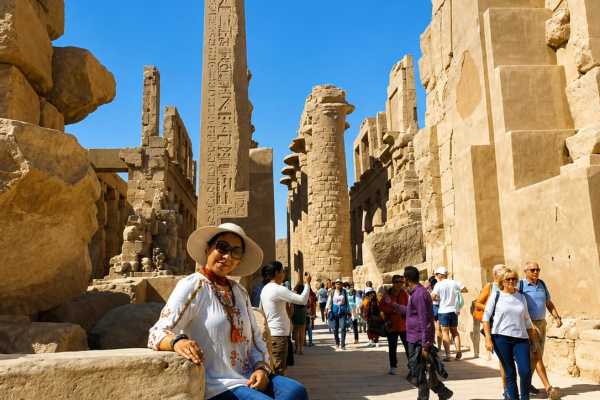
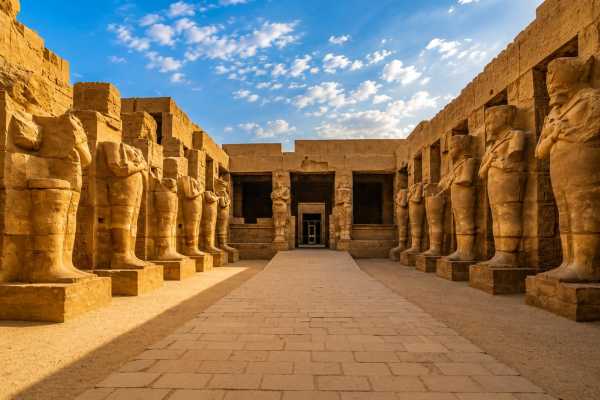
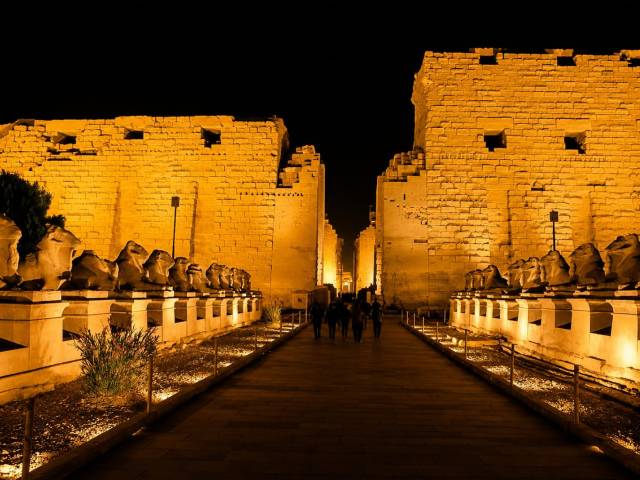
Karnak Temple is one of the most impressive attractions in Luxor and one of the largest ancient religious complexes in the world. Located on the East Bank of the Nile, it developed over many centuries as successive pharaohs expanded its temples, courtyards, gateways, and sacred spaces.
The complex was primarily dedicated to Amun-Ra, one of the most important gods in ancient Egyptian religion. Its monumental architecture reflects the wealth, religious traditions, and political power of ancient Thebes.
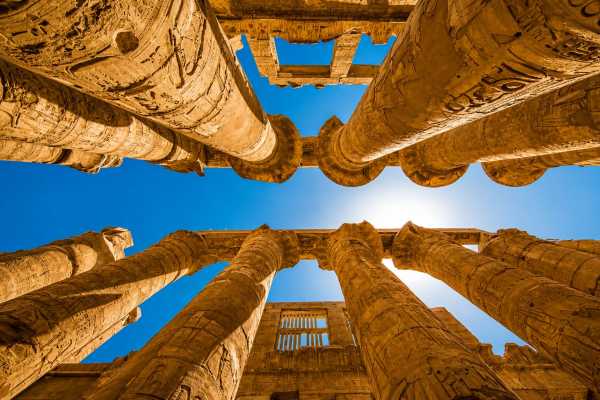
The most famous feature is the Great Hypostyle Hall, which contains 134 massive columns decorated with carved reliefs and inscriptions. Visitors can also discover monumental pylons, ancient obelisks, the Sacred Lake, and smaller temples within the complex.
Karnak is an excellent attraction for travelers who want to understand the scale and sophistication of ancient Egyptian architecture.
Best for: Ancient history, monumental architecture, photography, and guided sightseeing.
Recommended time: Approximately 2–3 hours.
2. Valley of the Kings
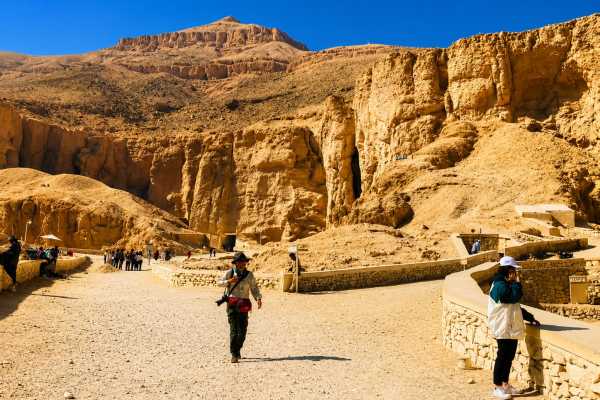
The Valley of the Kings is one of the most famous archaeological sites in Egypt. Located on Luxor's West Bank, it served as a royal burial ground for pharaohs and other important individuals during the New Kingdom.
The valley contains more than 60 discovered tombs, many carved deep into the limestone hills. Their corridors and burial chambers were decorated with colorful paintings, religious texts, and scenes intended to help the deceased ruler navigate the afterlife.
One of the site's most famous discoveries was the tomb of Tutankhamun, found by Howard Carter in 1922. Other important tombs belong to rulers such as Seti I, Ramesses VI, and Thutmose III.
Not every tomb is open under the same ticket arrangements, and special tombs may require additional tickets. Check the current options before visiting.
Best for: Royal history, ancient Egyptian beliefs, tomb paintings, and archaeology.
Recommended time: Approximately 2–3 hours, depending on the tombs visited.
3. Luxor Temple
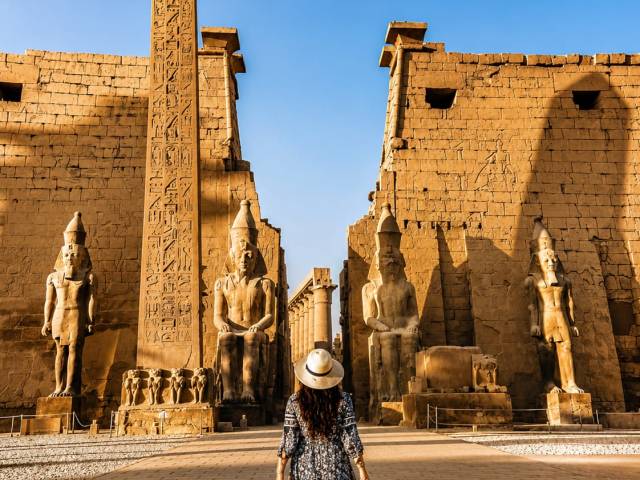
Luxor Temple stands in the heart of modern Luxor on the East Bank. Unlike a single monument constructed by one ruler, the temple reflects the contributions of several pharaohs, particularly Amenhotep III and Ramesses II.
The temple is famous for its monumental entrance, colossal statues, towering columns, ancient obelisk, and carved inscriptions. It played an important role in royal ceremonies and the annual Opet Festival, during which sacred images of the Theban gods were carried in procession between Luxor Temple and Karnak.
Luxor Temple is particularly atmospheric in the evening, when its ancient structures may be illuminated. Its central location also makes it convenient to visit after exploring other attractions in the city.
Best for: Ancient architecture, history, evening photography, and cultural sightseeing.
Recommended time: Approximately 1–2 hours.
4. Temple of Queen Hatshepsut
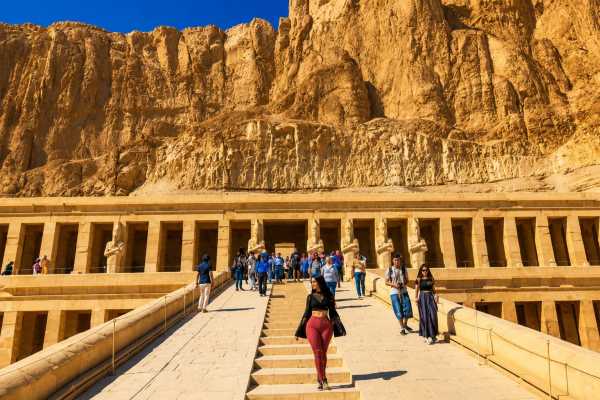
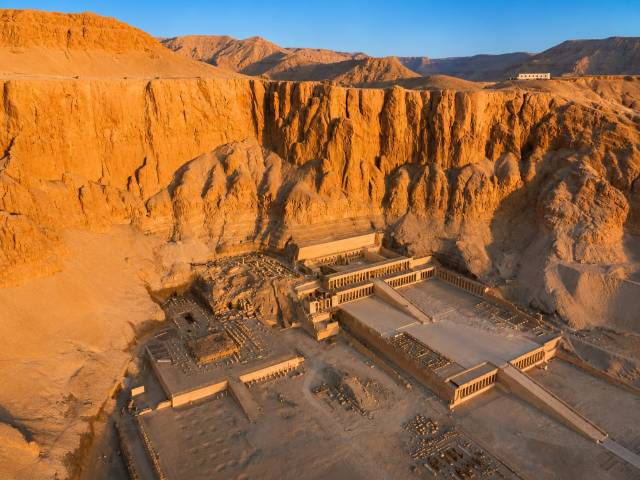
The Temple of Hatshepsut is one of the most distinctive monuments on Luxor's West Bank. Built for Queen Hatshepsut at Deir el-Bahari, the mortuary temple is famous for its three monumental terraces set against towering limestone cliffs.
Hatshepsut was one of ancient Egypt's most remarkable female rulers. Her temple reflects her royal authority, religious devotion, and the artistic achievements of the Eighteenth Dynasty.
Visitors can explore the temple's terraces, colonnades, chapels, and reliefs depicting royal rituals and the famous expedition to the Land of Punt.
The dramatic setting makes this attraction particularly popular with photographers and travelers interested in ancient Egyptian history.
Best for: Architecture, royal history, photography, and archaeological exploration.
Recommended time: Approximately 1–2 hours.
5. Medinet Habu Temple
Medinet Habu is the impressive mortuary temple of Pharaoh Ramesses III, located on Luxor's West Bank. It is known for its substantial surviving architecture, monumental gateways, detailed hieroglyphics, and striking battle reliefs.
The carved scenes depict the king's military campaigns, including conflicts with the Libyans and the Sea Peoples. These reliefs provide valuable evidence about the political and military history of the late New Kingdom, while also reflecting how pharaohs presented their achievements.
The temple's courtyards, columns, and decorated walls make it an excellent choice for travelers who want to explore beyond Luxor's most famous monuments.
Best for: Ancient warfare, royal inscriptions, detailed reliefs, and quieter archaeological exploration.
Recommended time: Approximately 1–2 hours.
6. Colossi of Memnon
The Colossi of Memnon are two enormous stone statues of Pharaoh Amenhotep III that stand on Luxor's West Bank.
The statues once guarded the entrance to the king's vast mortuary temple, most of which has not survived in its original form. Despite the loss of much of the surrounding complex, the statues remain impressive examples of ancient Egyptian monumental sculpture.
The Colossi are frequently included in West Bank sightseeing itineraries because they are easy to combine with other nearby attractions.
Best for: Photography, monumental sculpture, and a short historical stop.
Recommended time: Approximately 15–30 minutes.
7. Valley of the Queens
The Valley of the Queens is a burial ground on Luxor's West Bank where queens, royal children, and other members of the royal family were buried.
Its most famous tomb is that of Queen Nefertari, the wife of Ramesses II. Her tomb is celebrated for its exceptionally beautiful painted decoration, although access is controlled and ticket arrangements may differ from those for the main valley.
The site offers a different perspective on ancient Egyptian burial traditions from the Valley of the Kings. It is particularly rewarding for visitors interested in royal women, funerary art, and the beliefs surrounding the afterlife.
Best for: Royal history, colorful tomb paintings, and ancient Egyptian art.
Recommended time: Approximately 1–2 hours, depending on access.
8. Ramesseum Temple
The Ramesseum is the mortuary temple of Ramesses II, one of the most famous pharaohs of ancient Egypt. Located on the West Bank, the complex preserves monumental architectural remains, carved reliefs, and evidence of the king's ambitious building projects.
The temple was associated with royal funerary rituals and the worship of the gods. Its surviving structures include remnants of enormous statues and decorated walls depicting royal ceremonies and military events.
Although parts of the complex have collapsed or deteriorated, the Ramesseum remains an important site for understanding the reign of Ramesses II.
Best for: Ancient architecture, royal history, and archaeological photography.
Recommended time: Approximately 45–90 minutes.
9. Deir el-Medina
Deir el-Medina was the settlement of the skilled workers who constructed and decorated royal tombs in the Valley of the Kings and the Valley of the Queens.
The archaeological site preserves the remains of houses, streets, and nearby tombs. It provides an unusual perspective on everyday life in ancient Egypt, including the work, families, religious practices, and personal concerns of the people who created the royal monuments.
Unlike the monumental temples, Deir el-Medina helps visitors understand the individuals behind ancient Egypt's greatest construction projects.
Best for: Daily life, archaeology, ancient communities, and less familiar historical sites.
Recommended time: Approximately 1–2 hours.
10. Tombs of the Nobles
The Tombs of the Nobles are located in several areas of Luxor's West Bank and contain the burial places of high-ranking officials, administrators, and other elite individuals.
Their decorated walls often depict scenes from everyday life, including farming, fishing, banquets, crafts, and religious ceremonies. These images provide a valuable contrast with the royal imagery found in many pharaonic temples.
For visitors interested in how ancient Egyptians lived beyond the royal court, these tombs can be particularly rewarding.
Access varies by tomb, and individual tickets or separate arrangements may apply.
Best for: Daily-life scenes, tomb art, and social history.
Recommended time: Approximately 1–2 hours, depending on which tombs are open.
11. Luxor Museum
Luxor Museum is an excellent attraction for visitors who want to understand the objects, sculptures, and historical evidence recovered from the ancient city of Thebes.
The museum displays archaeological finds from Luxor and surrounding sites, including statues, reliefs, and objects associated with ancient Egyptian religious and royal life.
Unlike a large temple complex, the museum offers an indoor experience where visitors can examine individual objects more closely and learn about their historical context.
It is an especially useful addition to an itinerary that already includes Karnak Temple and Luxor Temple.
Best for: Archaeology, ancient art, museum collections, and a quieter cultural experience.
Recommended time: Approximately 1–2 hours.
12. Mummification Museum
The Mummification Museum introduces visitors to the ancient Egyptian techniques and religious beliefs associated with preserving the dead.
Its displays explain the purpose of mummification, the materials used during the process, and the relationship between bodily preservation and beliefs about the afterlife. The museum also presents objects connected with funerary rituals.
For travelers who have visited royal tombs, the museum provides additional context for understanding why ancient Egyptians invested so much effort in preparing the dead for eternity.
Best for: Ancient Egyptian beliefs, funerary practices, and specialist museum visits.
Recommended time: Approximately 45–90 minutes.
13. Avenue of Sphinxes
The Avenue of Sphinxes is an ancient ceremonial road connecting Karnak Temple with Luxor Temple over approximately 2.7 kilometers.
The route is lined with sphinx statues and was associated with religious processions, including the Opet Festival. Its restoration has helped visitors appreciate the connection between the two major temple complexes.
The avenue is an important part of the wider archaeological landscape of ancient Thebes and can be explored alongside Luxor Temple and Karnak Temple.
Best for: Ancient processional routes, photography, and understanding the connection between Luxor's temples.
Recommended time: Allow additional time depending on how much of the route you want to explore.
14. Hot Air Balloon Ride Over Luxor
A hot air balloon ride at sunrise offers a different perspective on Luxor's temples, fields, Nile scenery, and desert landscape.
From above, visitors can see how the green agricultural land along the river meets the surrounding desert and how the ancient monuments are distributed across the West Bank.
Flights depend on weather conditions and operator approval. Choose a reputable licensed operator, confirm the pickup time, and follow all safety instructions.
Best for: Sunrise photography, scenic views, and memorable experiences.
Recommended time: Usually several hours, including transfers and preparation.
15. A Nile Felucca Ride
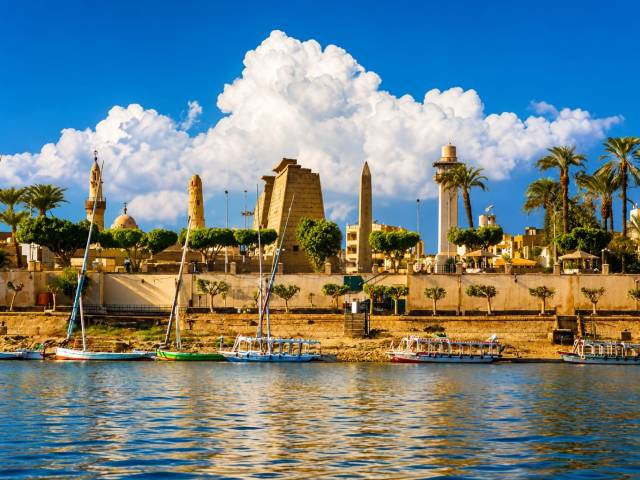
A traditional felucca ride on the Nile offers a peaceful way to experience Luxor's river scenery. These sailing boats provide views of the riverbanks, nearby villages, agricultural land, and the surrounding landscape.
A felucca ride can be especially enjoyable around sunset, when the light changes over the Nile. The duration can often be arranged according to the time available and the operator's schedule.
This experience provides a welcome break from walking through temples and archaeological sites.
Best for: Relaxation, scenic photography, and experiencing the Nile.
Recommended time: Approximately 1–2 hours.
East Bank vs. West Bank: Where Are Luxor's Attractions?
Luxor's attractions are commonly divided between the East Bank and the West Bank of the Nile.
East Bank Attractions
The East Bank includes:
Karnak Temple Complex
Luxor Temple
Avenue of Sphinxes
Luxor Museum
Mummification Museum
The East Bank is a convenient choice for travelers interested in temples, museums, and sightseeing close to the modern city.
West Bank Attractions
The West Bank includes:
Valley of the Kings
Temple of Queen Hatshepsut
Medinet Habu Temple
Colossi of Memnon
Valley of the Queens
Ramesseum Temple
Deir el-Medina
Tombs of the Nobles
The West Bank is particularly important for royal tombs, mortuary temples, and archaeological sites connected with ancient Thebes.
The official Egyptian monuments guide identifies Karnak and Luxor Temple on the East Bank and many major royal tombs and mortuary temples on the West Bank as part of the Ancient Thebes World Heritage landscape. <Cite refs={["turn622815search4","turn622815search0"]}/>
How Many Days Do You Need to See Luxor Attractions?
The ideal length of your stay depends on how many archaeological sites you want to visit.
One Day in Luxor
With one day, focus on the main highlights. You could visit Karnak Temple and Luxor Temple on the East Bank, or prioritize the Valley of the Kings, Temple of Hatshepsut, and Colossi of Memnon on the West Bank.
Trying to see every major site in one day can make the experience rushed.
Two Days in Luxor
Two days provide a more comfortable way to explore both banks.
On the first day, visit Karnak Temple, Luxor Temple, and the Avenue of Sphinxes. On the second day, explore the Valley of the Kings, Temple of Hatshepsut, Medinet Habu, and the Colossi of Memnon, depending on your interests and available time.
Three Days in Luxor
Three days allow more time for additional attractions such as the Valley of the Queens, Deir el-Medina, the Ramesseum, the Luxor Museum, and a Nile felucca ride.
If you want to study the tombs and reliefs in detail, a longer stay can make your trip much more rewarding.
Best Time to Visit Luxor
The cooler months, generally from October through April, are often comfortable for exploring Luxor's outdoor archaeological sites. Summer can be extremely hot, so visitors should plan their sightseeing carefully.
Early morning is usually a good time to begin exploring outdoor attractions, especially on the West Bank. Bring drinking water, sunscreen, sunglasses, and a hat.
Always check the latest opening hours, ticket arrangements, and access restrictions before visiting specific tombs and temples.
Tips for Exploring Luxor Attractions
Start early to make the most of the cooler part of the day.
Group nearby attractions together to reduce unnecessary travel.
Wear comfortable walking shoes suitable for archaeological sites.
Carry water and sun protection.
Consider a licensed Egyptologist for a deeper understanding of the history and inscriptions.
Check which tombs and monuments are open before finalizing your itinerary.
Confirm whether special tombs require separate tickets.
Allow time for meals, transportation, and breaks rather than trying to visit too many sites in one day.
Respect conservation rules and follow instructions about photography and restricted areas.
Explore Luxor with Let's Explore Egypt Travel
Discover the remarkable history of Luxor with Let’s Explore Egypt Travel.
Our Private Full-Day Luxor Tour to the West and East Banks is an option for travelers who want to explore major attractions on both sides of the Nile in one day.
For travelers who prefer more time to discover Luxor's ancient temples, royal tombs, and archaeological treasures, explore our 3-Day Luxor Tour.
A private itinerary can help you organize your sightseeing around your interests, available time, and preferred pace.
Frequently Asked Questions About Luxor Attractions
What are the best attractions in Luxor, Egypt?
The most popular Luxor attractions include Karnak Temple, Luxor Temple, the Valley of the Kings, the Temple of Hatshepsut, Medinet Habu, the Colossi of Memnon, the Valley of the Queens, and Luxor Museum.
What is Luxor famous for?
Luxor is famous for its extraordinary concentration of ancient Egyptian monuments, including monumental temples, royal tombs, and archaeological sites associated with ancient Thebes.
Is Luxor worth visiting?
Yes. Luxor is one of Egypt's most important destinations for history and archaeology. It offers an exceptional combination of temples, tombs, museums, Nile scenery, and cultural experiences.
How many days do you need in Luxor?
Two days are a good starting point for visiting the main East Bank and West Bank attractions. Three days allow more time for additional sites and a more relaxed sightseeing schedule.
What are the best things to do in Luxor in one day?
For a temple-focused day, visit Karnak Temple and Luxor Temple. For a West Bank experience, prioritize the Valley of the Kings, Temple of Hatshepsut, and Colossi of Memnon. A private itinerary can help organize transportation and timings.
What is the difference between Luxor's East Bank and West Bank?
The East Bank contains major temples such as Karnak and Luxor Temple, as well as museums. The West Bank is known for royal tombs, mortuary temples, and sites such as the Valley of the Kings and Medinet Habu.
Which temples should I visit in Luxor?
Karnak Temple and Luxor Temple are essential East Bank attractions. On the West Bank, the Temple of Hatshepsut, Medinet Habu, and the Ramesseum are important choices for visitors interested in ancient Egyptian architecture.
Is the Valley of the Kings worth visiting?
Yes. The Valley of the Kings is one of Egypt's most important royal burial grounds, with tombs decorated with ancient Egyptian religious texts and colorful paintings. The tombs open to visitors and ticket requirements can vary.
Can I visit Karnak Temple and Luxor Temple in one day?
Yes. Both temples are on the East Bank and can usually be visited on the same day. You can also explore the Avenue of Sphinxes, which connects the two complexes.
Can I visit the Valley of the Kings and the Temple of Hatshepsut in one day?
Yes. Both attractions are on the West Bank and are commonly included in the same sightseeing itinerary. You can add other nearby sites if time allows.
What is Medinet Habu famous for?
Medinet Habu is the mortuary temple of Ramesses III. It is particularly famous for its monumental gateways, well-preserved reliefs, hieroglyphic inscriptions, and scenes depicting royal military campaigns.
What is the best time of year to visit Luxor?
The cooler months from October through April are generally comfortable for outdoor sightseeing. Early morning visits can also help you avoid the strongest heat.
Is Luxor suitable for families?
Yes. Families can enjoy Luxor's temples, tombs, museums, and Nile experiences. Plan around the amount of walking, the weather, and children's interests.
Can I explore Luxor without a guide?
Yes. Independent visits are possible at many attractions. However, a licensed Egyptologist can provide historical context, explain inscriptions, and help you understand the significance of the monuments.
Are Luxor attractions close to each other?
Some attractions are close together, particularly Luxor Temple and sites in central Luxor. Others, such as the Valley of the Kings and Karnak Temple, are on opposite sides of the Nile and require transportation. Grouping attractions by bank can make your itinerary more efficient.
What should I wear when visiting Luxor's temples and tombs?
Wear comfortable, breathable clothing and walking shoes. Bring a hat, sunscreen, and drinking water. Follow any additional requirements or restrictions at individual religious and archaeological sites.
Can I book a private Luxor sightseeing tour?
Yes. A private tour can help you visit the main monuments with organized transportation and a guide. See the Private Full-Day Luxor Tour or the 3-Day Luxor Tour.
Conclusion
Luxor is a remarkable destination for anyone interested in ancient Egyptian civilization. From the colossal columns of Karnak Temple to the royal tombs of the Valley of the Kings and the beautifully preserved reliefs of Medinet Habu, the city offers an extraordinary journey through thousands of years of history.
Whether you have one day or several days, planning your itinerary around the East Bank and West Bank will help you experience more of Luxor's most important attractions.
Explore the ancient monuments, discover the stories of the pharaohs, and experience the timeless heritage of Luxor with Let’s Explore Egypt Travel.