Luxor Day Tours – Discover Ancient Egypt's Greatest Treasures
Discover the wonders of ancient Egypt with our Luxor day tours and explore one of the world's most remarkable archaeological destinations. Located on the banks of the Nile River in southern Egypt, Luxor is home to magnificent temples, royal tombs, ancient monuments, and extraordinary stories from the age of the pharaohs.
Whether you are visiting Luxor for a few days, traveling from a Nile cruise, or including the city in a longer Egypt holiday, our sightseeing experiences can help you discover its most famous attractions.
From the legendary Valley of the Kings to the monumental columns of Karnak Temple, Luxor offers unforgettable experiences for history enthusiasts, couples, families, and curious travelers.
Explore Luxor with Let's Explore Egypt Travel and plan a sightseeing experience around your interests, available time, and preferred travel style.
Why Visit Luxor, Egypt?
Luxor stands on the site of ancient Thebes, which served as an important religious and political center during several periods of ancient Egyptian history. Today, its archaeological landscape preserves some of the finest examples of ancient Egyptian architecture and funerary art.
The city is often described as an open-air museum because important historical monuments are found on both sides of the Nile.
The east bank contains major religious complexes, including Karnak Temple and Luxor Temple. The west bank is famous for royal burial grounds, mortuary temples, and archaeological sites connected with the afterlife.
A well-planned Luxor day tour allows you to discover these remarkable places while learning about the rulers, religious traditions, and artistic achievements that shaped ancient Egyptian civilization.
Best Luxor Day Tours and Attractions
1. Valley of the Kings Tour
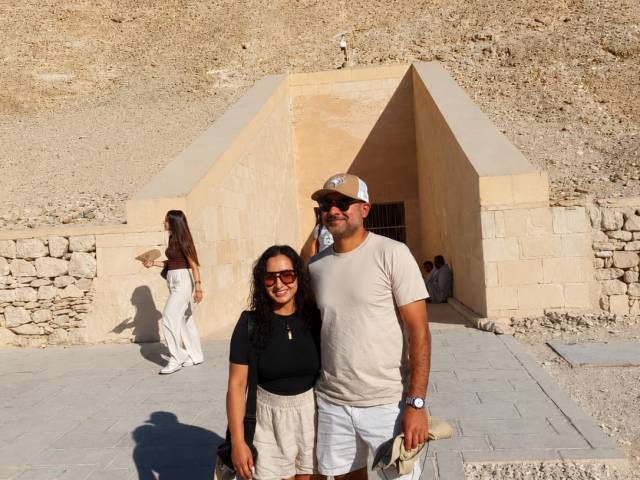
The Valley of the Kings is one of Luxor's most famous archaeological attractions. Hidden among desert hills on the west bank of the Nile, this royal cemetery contains more than 60 discovered tombs associated with pharaohs and other important individuals.
The valley became a principal royal burial ground during the New Kingdom. Its tombs were cut into the limestone hills and decorated with colorful scenes, hieroglyphics, and religious texts intended to guide and protect the deceased in the afterlife.
One of its most famous discoveries was the tomb of Tutankhamun, uncovered by Howard Carter in 1922.
During your visit, you can explore selected tombs open to visitors and discover the fascinating traditions of ancient Egyptian royal burials. Individual tomb access and additional ticket requirements may vary.
The Valley of the Kings is an essential stop for travelers who want to understand the history and beliefs of Egypt's ancient rulers.
2. Karnak Temple Tour
Karnak Temple is one of the largest religious complexes ever constructed. Located north of Luxor's modern city center, it developed over many centuries as successive pharaohs expanded its temples, courtyards, obelisks, and sacred spaces.
The complex was dedicated primarily to the Theban triad of Amun, Mut, and Khonsu, with Amun becoming especially prominent during the New Kingdom.
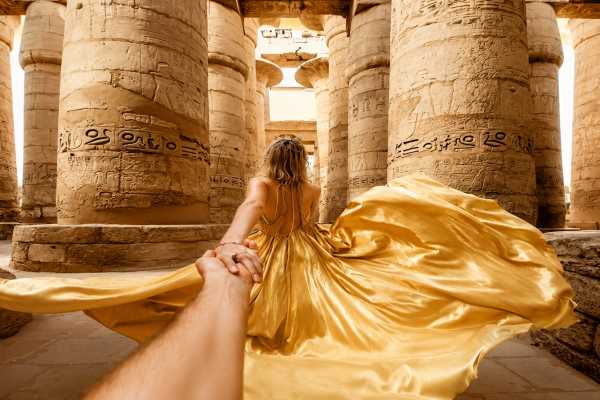
One of Karnak's most impressive features is the Great Hypostyle Hall, which contains enormous columns decorated with hieroglyphic inscriptions and religious scenes.
Walking through Karnak provides an opportunity to appreciate the scale of ancient Egyptian architecture and the importance of religious ceremonies in royal life.
A visit to Karnak Temple is highly recommended for anyone interested in the history, mythology, and architectural achievements of ancient Egypt.
3. Luxor Temple Tour
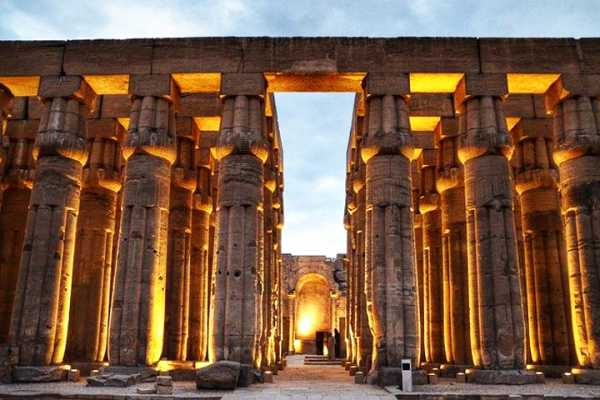
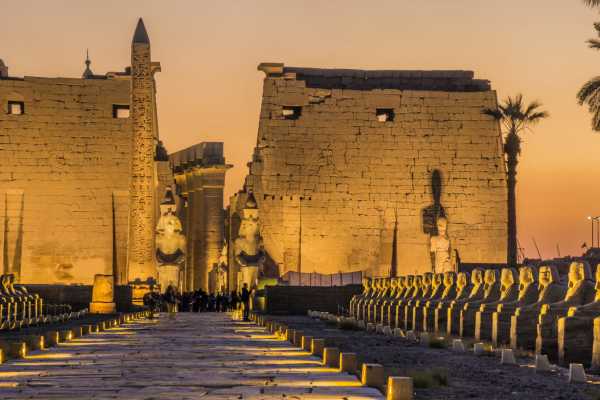
Luxor Temple is situated near the Nile and the center of modern Luxor. Unlike many ancient Egyptian temples associated primarily with a particular deity's cult, Luxor Temple played an important role in royal ceremonies and the annual Opet Festival.
The temple is known for its monumental entrance, statues, columns, and architectural features reflecting several periods of Egyptian history.
A guided visit can introduce you to the temple's connection with kingship and religious traditions, helping you understand how the site was used in ancient times.
Luxor Temple can be visited as part of a sightseeing itinerary that also includes Karnak Temple and other attractions on the east bank.
4. Temple of Hatshepsut Tour
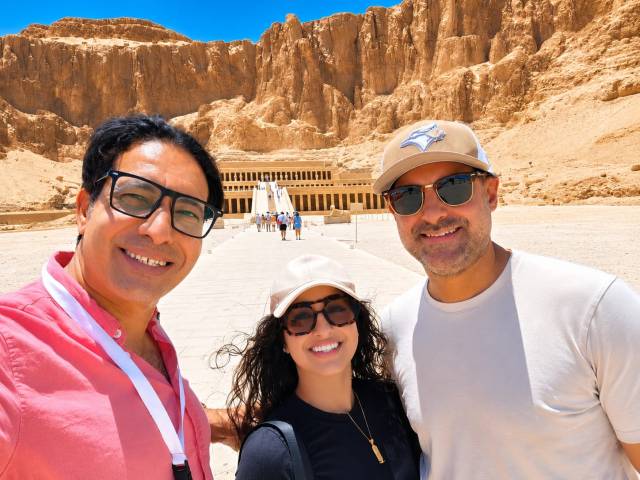
The Temple of Hatshepsut at Deir el-Bahari is one of the most distinctive monuments on Luxor's west bank.
Built for Queen Hatshepsut, one of ancient Egypt's most significant female rulers, the temple rises in a series of terraces beneath dramatic limestone cliffs.
Its design combines monumental architecture with a striking natural setting. The temple's reliefs provide insight into Hatshepsut's reign, religious activities, and the famous expedition to Punt.
Visitors often appreciate the contrast between the temple's geometric terraces and the surrounding desert landscape.
The Temple of Hatshepsut is an excellent addition to a west-bank tour, particularly for travelers interested in royal history and ancient Egyptian architecture.
5. Colossi of Memnon
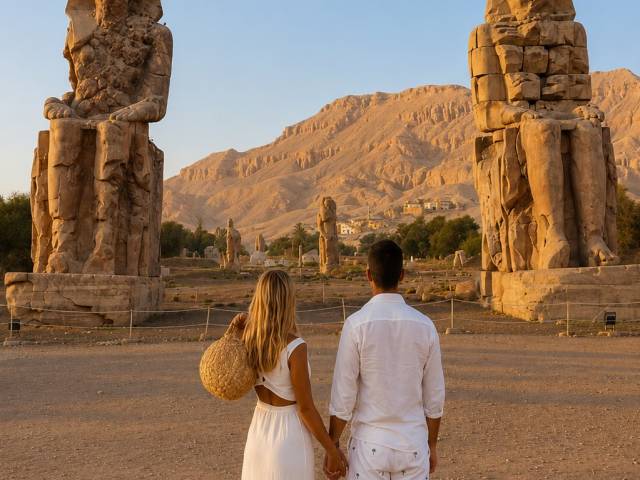
The Colossi of Memnon are two enormous stone statues representing Pharaoh Amenhotep III.
Standing near the entrance to the ancient royal and mortuary landscape on Luxor's west bank, the statues are among the area's most recognizable landmarks.
They once formed part of a much larger mortuary temple complex that has largely disappeared.
A short stop at the Colossi of Memnon can complement a visit to the Valley of the Kings and Temple of Hatshepsut.
6. Medinet Habu Temple
Medinet Habu is a major temple complex associated with Ramesses III, a ruler of the Twentieth Dynasty.
The site is notable for its monumental architecture, decorated walls, and reliefs depicting religious ceremonies and military events.
Compared with some of Luxor's busiest attractions, Medinet Habu can offer a different perspective on ancient Egyptian history and royal building traditions.
Travelers with additional time on the west bank may wish to include this impressive monument in their itinerary.
7. Deir el-Medina
Deir el-Medina was the settlement of the artisans who worked on the royal tombs in the Valley of the Kings and the Valley of the Queens.
Its remains offer a rare glimpse into the daily lives of the skilled workers who created and decorated the royal burial chambers.
The surrounding area also contains decorated tombs that reveal the artistic and religious traditions of ancient Egypt.
For travelers interested in how ancient Egyptians lived and worked, Deir el-Medina provides a valuable complement to the royal monuments.
Choose the Right Luxor Day Tour
The best itinerary depends on your available time and the attractions you want to explore.
Luxor West Bank Day Tour
A west-bank itinerary can focus on the royal tombs and mortuary monuments that make Luxor internationally famous.
Possible stops include:
Valley of the Kings.
Temple of Hatshepsut.
Colossi of Memnon.
Medinet Habu, if time permits.
This option is particularly suitable for travelers interested in pharaohs, royal tombs, and ancient Egyptian funerary traditions.
Luxor East Bank Day Tour
An east-bank itinerary can focus on the city's major religious complexes.
Possible stops include:
Karnak Temple.
Luxor Temple.
Selected historical or cultural stops, depending on your interests.
This option is ideal for travelers who want to explore ancient temples and understand the religious importance of Thebes.
Full-Day Luxor Tour
A full-day itinerary can combine selected east-bank and west-bank attractions, depending on opening hours, travel time, walking requirements, and your preferred pace.
You might visit the Valley of the Kings and Temple of Hatshepsut in the morning, then explore Karnak Temple later in the day, subject to the schedule and available time.
Because the sites are extensive, prioritizing your main interests can make the experience more enjoyable than attempting to visit every attraction in a single day.
Private Luxor Tours for Couples, Families, and Small Groups
Private Luxor tours offer flexibility for different travel styles.
Couples: Enjoy a personalized sightseeing schedule with time to explore historical sites and take photographs.
Families: Plan a route with appropriate breaks, manageable walking distances, and attractions suited to your family's interests.
Small groups: Travel together with an itinerary arranged around your group's preferred destinations.
History enthusiasts: Spend more time at selected temples and tombs, depending on the tour duration and access arrangements.
Nile cruise passengers: Coordinate pickup and drop-off times with your cruise schedule before confirming the excursion.
When arranging a private tour, confirm transportation, guide services, entrance tickets, meal arrangements, and any additional fees in writing.
Can You Visit Luxor on a Day Trip?
Yes. Luxor can be explored on a day trip, but the number of attractions you can comfortably visit depends on where you start and how much time you have.
If you are already staying in Luxor, a full day may allow you to visit selected attractions on both sides of the Nile.
If you are traveling from another city, such as Cairo or Hurghada, transportation can take a significant part of the day. A realistic itinerary should account for travel time rather than focusing only on the number of attractions.
For travelers arriving on a Nile cruise, the excursion should be planned around the vessel's arrival and departure schedule.
Always confirm the pickup location, estimated duration, and return arrangements before booking.
Best Time to Visit Luxor
Luxor can become extremely hot during the summer months. Many travelers prefer visiting between October and April, when outdoor sightseeing is generally more comfortable.
An early start can be particularly helpful when exploring the Valley of the Kings and other west-bank attractions.
During warmer weather, wear comfortable walking shoes, carry water, use sun protection, and follow local guidance.
Opening hours and ticket arrangements can change, so confirm the latest official information before your visit.
Luxor Day Tour Prices and What's Included
The cost of Luxor day tours depends on the itinerary, group size, transportation, guide services, and whether entrance tickets or meals are included.
A private west-bank tour may have a different price from a full-day tour covering both sides of the Nile.
Before confirming your reservation, check whether your tour includes:
Hotel or cruise-port pickup and drop-off.
Private transportation.
A licensed tour guide.
Entrance tickets to archaeological sites.
Lunch or refreshments.
Additional activities or special tomb tickets.
Some attractions and individual tombs may require separate admission. Make sure you understand the inclusions and exclusions so that you can plan your budget accurately.
How to Book Your Luxor Day Tour
Booking your sightseeing excursion in advance can help you organize transportation, choose a suitable itinerary, and confirm the services you need.
To plan your tour:
Choose the attractions you want to visit.
Select your preferred date and starting time.
Provide your hotel, cruise ship, or meeting-point details.
Confirm the group size and transportation arrangements.
Check whether a guide and entrance tickets are included.
Review the cancellation and payment policies before confirming.
If you have special interests, such as royal tombs, ancient architecture, or archaeological history, mention them when requesting your tour.
Frequently Asked Questions About Luxor Day Tours
What are the best attractions to visit in Luxor?
The Valley of the Kings, Karnak Temple, Luxor Temple, the Temple of Hatshepsut, and the Colossi of Memnon are among Luxor's best-known attractions.
Can I visit the Valley of the Kings and Karnak Temple in one day?
Yes. Many visitors combine selected west-bank attractions with Karnak Temple in a full-day itinerary. The exact schedule depends on opening hours, travel time, and the time spent at each site.
How long does a Luxor day tour take?
A sightseeing tour may last several hours or a full day, depending on the attractions included. Confirm the expected duration when booking.
Are entrance tickets included in Luxor tours?
This depends on the selected tour. Some packages include admission tickets, while others charge entrance fees separately. Check the inclusions before booking.
Is a private tour better for visiting Luxor?
A private tour can offer greater flexibility with timing, sightseeing priorities, and transportation. It can be especially useful for families, couples, and travelers with limited time.
What should I wear for a Luxor day tour?
Wear comfortable clothing and walking shoes suitable for warm weather. Bring sun protection and water, and follow any specific rules at religious or archaeological sites.
Can I arrange a Luxor tour from a Nile cruise?
Yes, excursions can be planned around a cruise itinerary, but pickup and return times must be confirmed to match the vessel's schedule.
Can I customize my Luxor itinerary?
Private tours may be customized according to your interests, available time, and budget. Confirm the requested stops and any additional costs with your tour operator.
Book Your Luxor Day Tour with Let's Explore Egypt Travel
Discover the extraordinary history of Luxor with a sightseeing experience tailored to your travel plans.
From the royal tombs of the Valley of the Kings to the monumental temples of Karnak and Luxor, the city offers an unforgettable journey into ancient Egyptian civilization.
Whether you prefer a west-bank excursion, an east-bank temple tour, or a full day exploring both sides of the Nile, plan your visit around the attractions that interest you most.
Contact Let's Explore Egypt Travel to discuss your preferred itinerary, travel date, group size, and required services.
Explore Luxor's ancient wonders and make your visit to Egypt truly memorable.