


Luxor to Aswan Nile Cruise: Complete Travel Guide
A Luxor to Aswan Nile cruise is one of the most memorable ways to discover ancient Egypt. Sailing along the Nile River, you can explore magnificent temples, learn about the pharaohs, enjoy beautiful river landscapes, and experience the history of Upper Egypt while staying aboard a cruise ship.
The journey connects two of Egypt's most important historical destinations: Luxor, home to the Valley of the Kings and Karnak Temple, and Aswan, known for Philae Temple, Nubian culture, and the beautiful scenery of the Nile.
Whether you are planning a luxury vacation, a romantic getaway, or your first trip to Egypt, this guide explains everything you need to know about a Luxor to Aswan Nile cruise, including itineraries, duration, attractions, prices, the best time to travel, and booking tips.
If you are ready to compare available options, explore our Nile cruises in Egypt and start planning your journey.
Table of Contents
What Is a Luxor to Aswan Nile Cruise?
How Long Does the Cruise Take?
Luxor to Aswan Nile Cruise Itinerary
Best Attractions Along the Route
What Is Included in a Nile Cruise Package?
How Much Does a Luxor to Aswan Nile Cruise Cost?
Best Time to Take a Nile Cruise
Choosing the Right Nile Cruise Ship
What to Pack for Your Nile Cruise
Tips for Booking Your Cruise
Frequently Asked Questions
1. What Is a Luxor to Aswan Nile Cruise?
A Luxor to Aswan Nile cruise is a multi-day river journey through Upper Egypt that combines accommodation, sailing, and sightseeing at important archaeological sites.
Instead of traveling between cities by road and changing hotels repeatedly, you can stay aboard a cruise ship and visit selected attractions according to the vessel's schedule.
Most classic cruises operate between Luxor and Aswan, with stops commonly including Edfu and Kom Ombo. The exact route, departure dates, and sightseeing schedule depend on the cruise operator.
During your journey, you may discover:
Karnak Temple and Luxor Temple.
The Valley of the Kings.
Hatshepsut Temple.
Edfu Temple.
Kom Ombo Temple.
Philae Temple in Aswan.
|
Duration |
What to expect |
|---|---|
|
3 nights / 4 days |
A shorter cruise covering selected highlights |
|
4 nights / 5 days |
A classic cruise itinerary with additional time onboard |
|
5–7 nights |
A longer experience, depending on the vessel and program |
|
Service |
What to confirm |
|---|---|
|
Accommodation |
Number of nights and cabin category |
|
Meals |
Breakfast, lunch, and dinner arrangements |
|
Guided excursions |
Private or shared visits |
|
Tour guide |
Whether a licensed Egyptologist guide is included |
|
Entrance fees |
Which archaeological sites are covered |
|
Transfers |
Airport, hotel, railway station, and port transfers |
|
Domestic flights |
Whether flights are included |
|
Drinks |
Water and other beverages |
|
Gratuities |
Included or paid separately |
|
Taxes and service charges |
Any additional mandatory costs |
Some travelers also arrange a separate excursion to Abu Simbel, one of Egypt's most impressive ancient monuments.
A Nile cruise is particularly attractive for visitors who want to combine historical exploration with comfortable accommodation and relaxing views of the river.
Why Choose a Nile Cruise From Luxor to Aswan?
There are several reasons this route is popular with international travelers.
Ancient Egyptian history: Visit temples, royal tombs, and monuments associated with some of Egypt's most famous pharaohs.
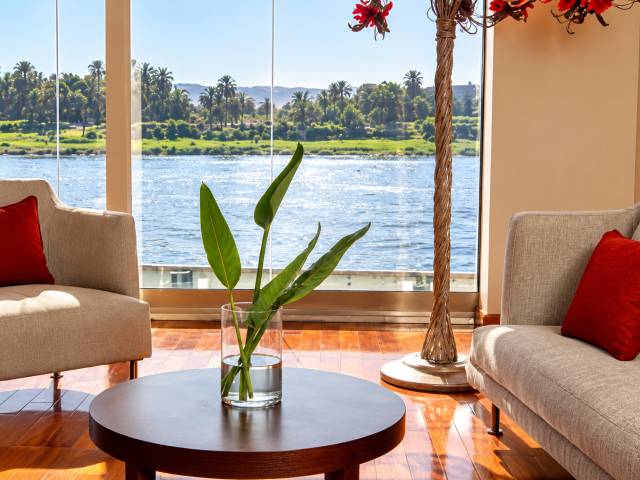
Scenic sailing: Enjoy views of palm trees, agricultural land, villages, and traditional riverside landscapes.
Convenient travel: Combine accommodation and transportation between destinations in one itinerary.
Organized sightseeing: Many packages include scheduled excursions and guided visits.
Different travel styles: Choose between large cruise ships, smaller boutique vessels, or traditional dahabiya experiences.
Before deciding, compare the available Egypt Nile cruise packages and check which services are included in each offer.
2. How Long Does a Luxor to Aswan Nile Cruise Take?
The duration depends on the cruise schedule, vessel, and departure date.
Common formats include:
These are common planning formats, not guaranteed departure schedules. Some ships operate only on particular days, and not every vessel offers every duration.
Is Three Nights Enough?
A three-night cruise can be suitable if you have limited time in Egypt and want to visit several major attractions.
However, sightseeing can be tightly scheduled, and the time available for independent exploration may be limited.
If you want to explore Luxor's West Bank more thoroughly or add other excursions, consider spending extra nights in Luxor or Aswan.
Is Four Nights Better?
A four-night cruise can offer a comfortable balance between sightseeing and time onboard.
Depending on the itinerary, you may have more time to enjoy the river scenery and cruise facilities while visiting the main temples along the route.
Before booking, compare the actual day-by-day itinerary rather than choosing based on the number of nights alone.
3. Luxor to Aswan Nile Cruise Itinerary
A typical Luxor to Aswan cruise includes visits to Luxor's major historical attractions, followed by sailing south toward Edfu, Kom Ombo, and Aswan.
The schedule varies by operator. Some cruises begin with sightseeing before embarkation, while others include additional visits on the departure day.
The following is an illustrative itinerary, not a confirmed schedule for a specific ship.
Day 1: Arrive in Luxor and Explore the East Bank
Begin your journey in Luxor, one of the world's most important archaeological destinations.
Depending on your arrival time and cruise arrangements, you may visit Karnak Temple and Luxor Temple.
Karnak Temple is famous for its monumental architecture, enormous columns, obelisks, and sacred precincts developed over many centuries.
Luxor Temple is located closer to the modern city center and is especially impressive for its monumental entrance and historical connection to ancient Thebes.
After sightseeing, board your cruise ship if embarkation is scheduled for that day.
Enjoy dinner and spend the night aboard the vessel according to your package arrangements.
Travel tip: If your international or domestic flight arrives late, consider spending the previous night in Luxor so you do not miss scheduled sightseeing.
Day 2: Discover the West Bank of Luxor
The West Bank of Luxor contains some of Egypt's most important ancient burial sites and royal monuments.
Depending on the cruise schedule, your excursions may include the following attractions.
Valley of the Kings
The Valley of the Kings served as the burial place for many New Kingdom pharaohs. Its decorated tombs provide insight into ancient Egyptian beliefs about the afterlife.
Entrance arrangements vary, and certain tombs require separate tickets. Confirm which tombs are included before your visit.
Temple of Hatshepsut
This striking mortuary temple stands against the cliffs of Deir el-Bahari. It is associated with Queen Hatshepsut, one of ancient Egypt's most notable female rulers.
Its terraces and architectural design make it one of the highlights of Luxor's West Bank.
Colossi of Memnon
These two monumental statues have stood on Luxor's West Bank for thousands of years. They are commonly included in West Bank sightseeing itineraries.
After your excursion, return to the ship according to the schedule.
Day 3: Visit Edfu Temple and Kom Ombo Temple
As the cruise continues south, you may visit two major temples associated with ancient Egyptian religious traditions.
Edfu Temple
Dedicated primarily to Horus, the falcon-headed god, Edfu Temple is among the best-preserved ancient Egyptian temples.
Its impressive entrance pylons, courtyards, columns, and reliefs help visitors understand the architecture and religious practices of ancient Egypt.
Depending on the ship's sailing timetable, transportation from the docking area may be arranged by the operator.
Kom Ombo Temple
Kom Ombo Temple is unusual because it is dedicated to two principal deities: Sobek, associated with the crocodile, and Haroeris, a form of Horus.
The temple's riverside location makes it a memorable stop along the cruise route.
Some visitors are particularly interested in its reliefs and the nearby displays associated with crocodile mummies.
The order and timing of these visits depend on the cruise schedule and docking arrangements.
Day 4: Arrive in Aswan and Explore the City
Aswan offers a different atmosphere from Luxor, with attractive Nile scenery, islands, Nubian communities, and important archaeological landmarks.
Depending on your itinerary, you may visit Philae Temple, the Unfinished Obelisk, or other attractions.
Philae Temple
Philae Temple is dedicated primarily to the goddess Isis. The temple complex was relocated to protect it from flooding after the construction of the Aswan High Dam.
Reaching the temple normally involves a boat transfer to the island.
Unfinished Obelisk
Located in an ancient granite quarry, the Unfinished Obelisk provides insight into the stone-working techniques used by ancient Egyptian craftsmen.
It is particularly interesting for travelers who want to understand how monumental obelisks were carved and transported.
After sightseeing, your cruise may conclude in Aswan or continue according to the booked itinerary.
Can You Visit Abu Simbel?
Abu Simbel is located south of Aswan and is famous for the monumental temples built during the reign of Ramesses II.
It is not automatically included in every Luxor to Aswan Nile cruise.
If you want to visit Abu Simbel, ask whether your cruise operator can arrange a separate excursion before disembarkation or on an additional day in Aswan.
Confirm transportation, departure time, entrance fees, and return arrangements in advance.
4. Best Attractions Along the Luxor to Aswan Route
Each stop offers a different perspective on Egypt's history.
Karnak Temple
Karnak is a vast temple complex developed over many centuries. Its Great Hypostyle Hall, monumental gateways, and sacred structures make it a highlight for history enthusiasts.
Valley of the Kings
This royal necropolis contains decorated tombs associated with New Kingdom rulers. The experience can vary depending on which tombs are open and included in the admission arrangements.
Edfu Temple
Edfu is especially appealing to visitors interested in well-preserved temple architecture and detailed ancient reliefs.
Kom Ombo Temple
Kom Ombo is known for its unusual dual dedication and attractive location beside the Nile.
Philae Temple
Philae offers beautiful island scenery alongside an important religious complex associated with the goddess Isis.
Abu Simbel
Although it is outside the standard sailing route, Abu Simbel is worth considering if you have additional time and want to see the monumental temples of Ramesses II.
Check your cruise itinerary carefully so you know which attractions are included and which require additional arrangements.
5. What Is Included in a Luxor to Aswan Nile Cruise Package?
Package inclusions vary significantly by operator, ship category, and price.
Before paying, ask for a written list of everything included.
Are Entrance Tickets Included?
Some packages include tickets to the attractions listed in their itineraries, while others require travelers to pay entrance fees separately.
Ask specifically about the Valley of the Kings, any special tomb tickets, Karnak Temple, Edfu Temple, Kom Ombo Temple, and Philae Temple.
Do not assume that all sites are included simply because they appear in the itinerary.
Is a Tour Guide Included?
Many cruises offer guided excursions, but the arrangements differ.
Confirm whether your package includes a licensed Egyptologist guide and whether the sightseeing is private or shared with other travelers.
If you prefer a particular language, verify guide availability before booking.
Are Transfers Included?
Ask how you will travel between the airport, hotel, cruise ship, and sightseeing locations.
For a combined Cairo and Upper Egypt itinerary, also confirm how domestic flights or train journeys fit into your plans.
For a clearer comparison of available packages, visit Let's Explore Egypt Travel's Nile cruise page.
6. How Much Does a Luxor to Aswan Nile Cruise Cost?
The total price depends on several factors:
The ship's category and facilities.
Number of nights.
Travel season.
Cabin type.
Number of travelers.
Included excursions and entrance tickets.
Private versus shared guiding.
Transfers and domestic flights.
A luxury cruise usually costs more than a standard vessel, while a boutique dahabiya may have a higher per-person price because of its limited capacity.
How to Compare Cruise Prices
The cheapest advertised price is not necessarily the best value.
One package might include accommodation and meals but exclude entrance tickets, transfers, and guided sightseeing.
Another might cost more but include those services, reducing the number of additional payments you need to arrange.
Request a written quotation and compare the total expected cost, not just the headline price.
Before booking, review the available Nile cruise options in Egypt and confirm the inclusions, departure dates, and cancellation terms.
7. Best Time to Take a Luxor to Aswan Nile Cruise
Egypt's Upper Nile region can be visited throughout the year, but seasonal temperatures influence sightseeing comfort.
October to April
These months are generally popular for visiting Luxor and Aswan because daytime conditions are often more comfortable for exploring temples and archaeological sites.
December through February can be especially appealing to travelers who prefer cooler weather.
However, demand for popular travel dates may be higher, so confirm availability early if your dates are fixed.
May to September
Summer can be extremely hot in Upper Egypt.
If you travel during these months, prioritize early sightseeing, sun protection, hydration, and a cruise ship with reliable air conditioning.
Ask how the operator schedules outdoor excursions during hot weather.
Which Season Should You Choose?
Choose the cooler months if comfortable sightseeing is your main priority.
If you are traveling in summer, plan carefully around the heat and make sure you understand the excursion schedule.
In every season, check the actual sailing dates and availability before finalizing your travel arrangements.
8. Choosing the Right Nile Cruise Ship
The right ship can make a significant difference to your overall experience.
Luxury Cruise Ships
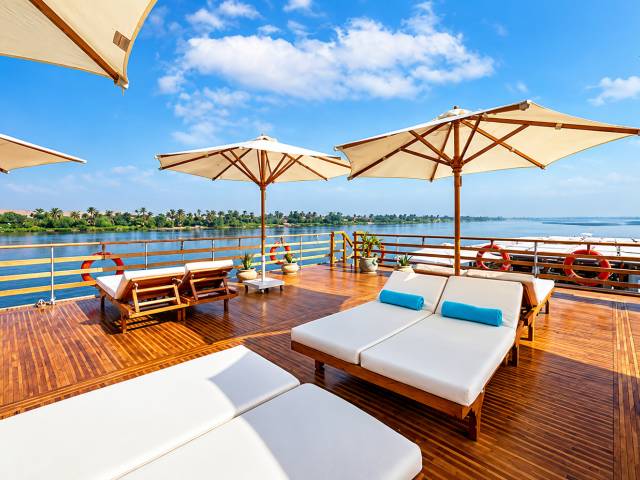
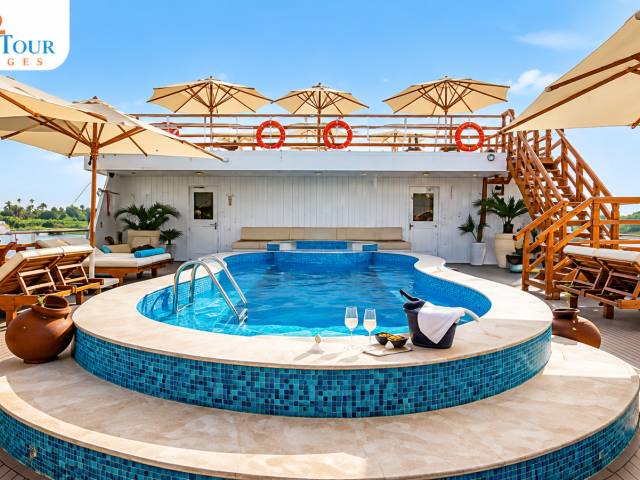
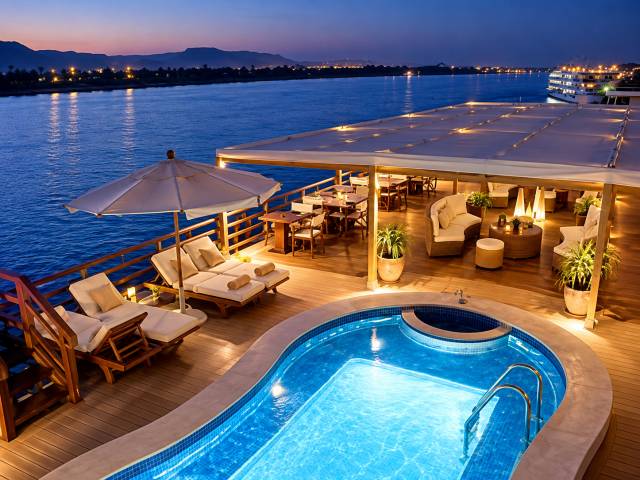
Luxury ships generally offer more extensive facilities, comfortable cabins, restaurants, and leisure areas.
They are suitable for travelers who want a more comfortable onboard experience between sightseeing stops.
Standard Cruise Ships
Standard vessels can be a practical choice for travelers who want to experience the Nile without paying for every premium facility.
Focus on cleanliness, cabin maintenance, food quality, and the organization of excursions.
Dahabiyas
Dahabiyas provide a smaller-scale experience that can appeal to travelers who prefer a quieter atmosphere and a more intimate journey.
However, sailing arrangements, facilities, and routes differ, so review the details carefully.
What Should You Check Before Booking?
The exact name of the ship.
Recent guest reviews.
Actual cabin photographs.
Air conditioning and bathroom facilities.
Included meals and beverages.
Excursion arrangements.
Accessibility and mobility requirements.
Deposit and cancellation terms.
Choose according to your priorities rather than relying only on a ship's advertised category.
9. What to Pack for a Nile Cruise
Prepare for warm weather, outdoor sightseeing, and occasional cooler evenings.
Useful items include:
Lightweight clothing.
Comfortable walking shoes.
A sun hat and sunglasses.
Sunscreen.
A reusable water bottle.
A small bag for excursions.
Phone chargers and a power bank.
Necessary prescription medication.
Insect repellent, if appropriate.
A light jacket during cooler months.
Modest clothing is useful when visiting religious sites. Comfortable footwear is especially important because archaeological areas may include uneven ground, steps, sand, and long walking distances.
During summer, carry sun protection and follow your guide's advice about hydration and outdoor activities.
10. Tips for Booking a Luxor to Aswan Nile Cruise
Book Your Preferred Dates Early
If you want a specific ship, cabin category, or travel date, booking ahead can be helpful, especially during popular travel periods.
Availability varies, so confirm the actual departure date before making non-refundable arrangements.
Check the Full Itinerary
Make sure you know which attractions are included, when sightseeing takes place, and how much time is allocated to each visit.
Ask whether the itinerary is subject to changes caused by sailing schedules or operational requirements.
Understand the Cancellation Policy
Confirm the deposit, final payment deadline, cancellation terms, and refund conditions.
If you are combining the cruise with flights and hotel stays, consider how changes to one booking could affect the others.
Confirm Entrance Fees and Optional Tours
Ask which tickets are included and which excursions require additional payment.
This is particularly important if you want to visit Abu Simbel or explore additional tombs in Luxor.
Arrange Your Arrival in Luxor
Allow sufficient time between your arrival and the cruise's scheduled departure or embarkation.
If you arrive late, consider spending a night in Luxor before the cruise begins.
Plan Your Departure From Aswan
Confirm your disembarkation time and onward transportation.
If you have a domestic flight or train to catch, allow enough time for transfers and any scheduled sightseeing.
Frequently Asked Questions About Luxor to Aswan Nile Cruises
How many days do you need for a Luxor to Aswan Nile cruise?
Common cruise formats include three nights and four days or four nights and five days. The actual duration depends on the vessel and departure schedule.
Is Luxor to Aswan the best Nile cruise route?
It is one of the most popular options because it connects major historical attractions in Luxor, Edfu, Kom Ombo, and Aswan.
The best route for you depends on your available time, arrival arrangements, and sightseeing priorities.
Can I take a Nile cruise from Luxor to Aswan in three nights?
Yes, some operators offer three-night itineraries, although availability and departure days vary. Confirm the complete itinerary before booking.
Which temples are included in a Luxor to Aswan Nile cruise?
Common stops include Edfu Temple, Kom Ombo Temple, and selected attractions in Luxor and Aswan. The Valley of the Kings, Karnak Temple, and Philae Temple may be included depending on the package.
Always check the written itinerary.
Is Abu Simbel included in a Nile cruise?
Abu Simbel is not automatically included in every cruise package. It usually requires a separate excursion from Aswan.
Are meals included on a Nile cruise?
Many packages include meals, but the exact arrangements differ. Check which meals are covered and whether drinks are included.
Is a Nile cruise suitable for families?
Yes, many families enjoy Nile cruises. Choose a ship with suitable cabin arrangements, convenient facilities, and an itinerary that matches your children's ages and energy levels.
Is a Nile cruise worth it?
For travelers interested in ancient Egyptian history, river scenery, and convenient transportation between major attractions, a Nile cruise can be an excellent addition to an Egypt vacation.
The value depends on the ship, itinerary, service quality, and total cost.
Can I combine a Nile cruise with Cairo and the Pyramids?
Yes. Many visitors spend time in Cairo and visit the Giza Pyramids before traveling to Luxor to begin their cruise.
Depending on your schedule, you can add other Cairo attractions and arrange domestic transportation to Upper Egypt.
Should I book a Nile cruise in advance?
Booking ahead can be useful if your dates are fixed or you prefer a particular ship or cabin. Always verify availability, package inclusions, and cancellation conditions before paying.
Conclusion: Plan Your Luxor to Aswan Nile Cruise
A Luxor to Aswan Nile cruise offers a memorable way to discover the ancient wonders of Upper Egypt. From the monumental temples of Luxor to the historic sites of Edfu and Kom Ombo and the beautiful scenery of Aswan, the journey combines history, culture, and relaxation.
To choose the right cruise, compare the duration, ship category, cabin quality, sightseeing schedule, entrance fees, meals, and transfers. Check the actual itinerary carefully and confirm all additional costs before making your reservation.
Whether you prefer a luxury ship, a practical standard cruise, or a traditional dahabiya, the right choice is the one that matches your travel style, schedule, and budget.
Explore Nile Cruises With Let's Explore Egypt Travel
Ready to plan your journey along the Nile?
Discover our Nile cruises in Egypt to explore available options and plan your experience between Luxor and Aswan.
Compare itineraries, check what each package includes, and choose the cruise that best fits your Egyptian vacation.