


Siwa Salt Lakes: Float in the Natural Salt Pools of Egypt
Imagine stepping into crystal-clear water in the middle of Egypt’s Western Desert and discovering that you can simply lie back and float.
This is the experience waiting at the Siwa Salt Lakes, one of the most unusual natural attractions in Siwa Oasis. Surrounded by desert landscapes and brilliant white salt formations, the lakes offer travelers a completely different side of Egypt—far away from the busy streets of Cairo and the famous monuments of the Nile Valley.
A visit to the Siwa Salt Lakes is not only about swimming. It is about experiencing the extraordinary natural environment that has developed around one of Egypt’s most remote oases.
Why Are the Siwa Salt Lakes So Special?
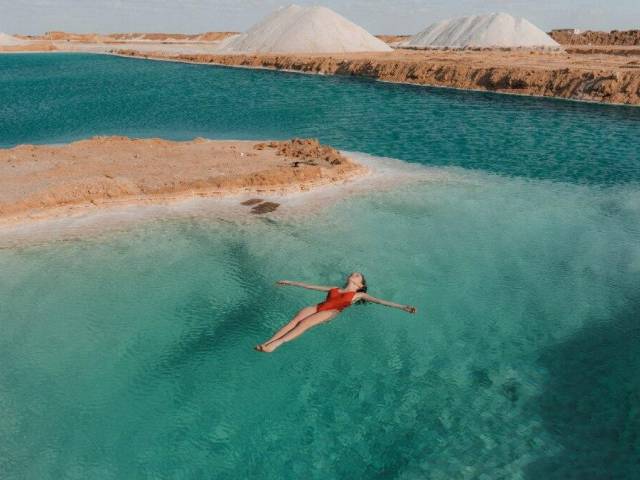
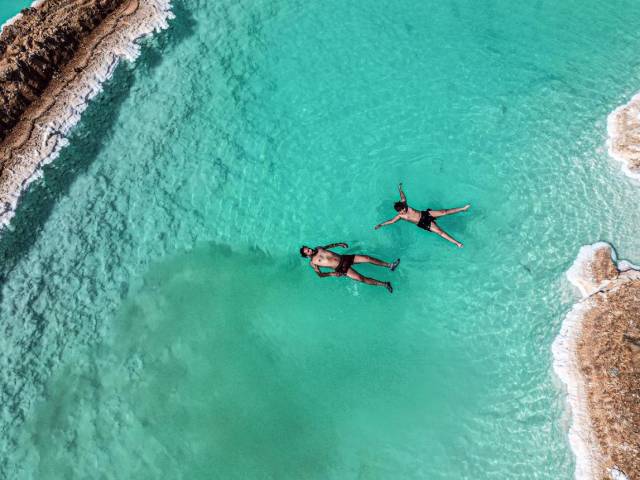
The water in many of Siwa’s salt lakes has an exceptionally high salt concentration. Because the water is much denser than ordinary freshwater, visitors can float easily on the surface.
You do not need to be an experienced swimmer to enjoy the experience. In fact, many visitors are surprised by how naturally their bodies stay above the water.
The contrast is what makes Siwa so memorable: brilliant blue and turquoise water, white salt-covered edges, golden desert scenery, and almost complete silence around you.
Swimming and Floating in Siwa
One of the most popular activities is entering the salt water and allowing yourself to float.
The experience is different from swimming in a normal pool or sea. Instead of constantly moving to stay above the surface, the high salinity helps support your body.
For many travelers, this becomes one of the highlights of their Siwa Oasis adventure.
Because the salt concentration can be strong, it is important to avoid getting the water in your eyes and to avoid entering if you have open cuts or irritated skin.
The Landscape Around the Salt Lakes
The salt lakes are part of what makes Siwa visually different from other destinations in Egypt.
The landscape combines several elements that seem almost impossible to find together:
-
Turquoise and blue salt water
-
Brilliant white salt formations
-
Golden desert sand
-
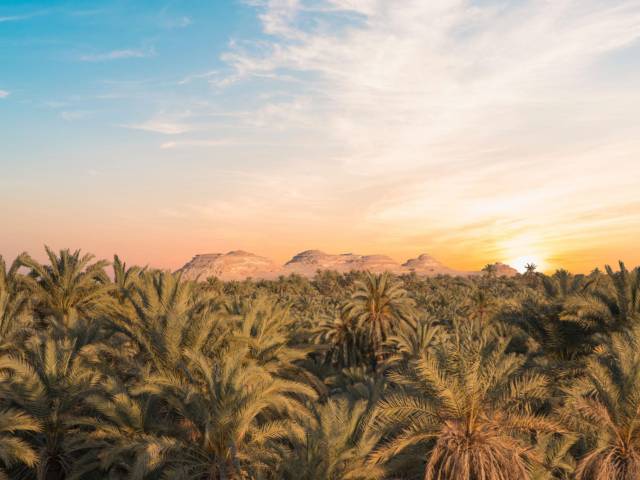
Palm trees in the surrounding oasis
-
Distant dunes and rocky landscapes
-
Dramatic desert skies, particularly around sunrise and sunset
This combination creates excellent opportunities for photography. The appearance of the lakes can also change depending on the weather, sunlight, water level, and location you visit.
Siwa Salt Lakes and the Oasis Experience
The salt lakes are only one part of a Siwa adventure.
A typical Siwa experience can combine the salt lakes with some of the oasis's other attractions, allowing travelers to experience the natural, historical, and cultural sides of the destination in one trip.
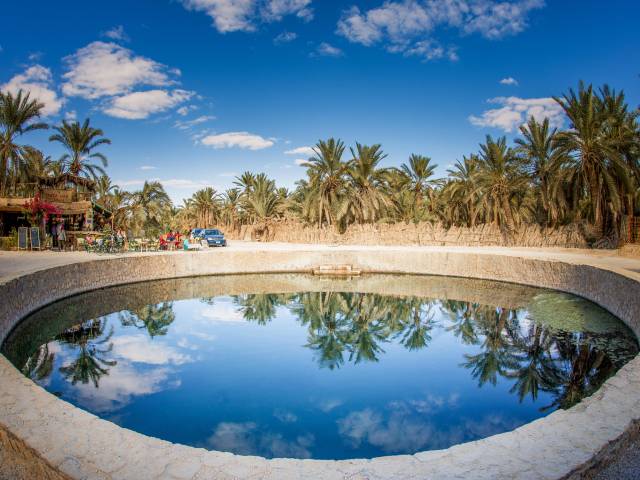
Depending on your itinerary, you can visit places such as Cleopatra's Spring, explore the old town of Shali, see the ancient Temple of the Oracle, enjoy the landscape around Fatnas Island, and venture into the Great Sand Sea.
The result is much more than a quick swimming stop. It becomes a full journey through the character of Siwa.
Best Time to Visit the Siwa Salt Lakes
Siwa can be visited throughout much of the year, but the experience varies considerably by season.
The cooler months from approximately October through April are generally more comfortable for exploring the oasis and combining outdoor activities with desert excursions.
During the warmer months, the salt lakes can still be visited, but the heat can be intense, particularly during the middle of the day.
For photography and a more comfortable experience, early morning and late afternoon can offer beautiful light and more pleasant temperatures.
What to Bring
For a comfortable visit to the Siwa Salt Lakes, we recommend bringing:
-
Swimwear
-
Towel
-
Sunglasses
-
Sunscreen
-
Drinking water
-
Comfortable footwear
-
A waterproof phone pouch or camera protection
-
Extra clothes for after swimming
Water shoes can also be useful because some salt-covered surfaces can be rough or sharp.
Can You Really Float in Siwa's Salt Lakes?
Yes. The extremely salty water makes floating much easier than in ordinary freshwater.
Most visitors notice the difference as soon as they enter. Instead of sinking naturally as they might in a swimming pool, their bodies are supported by the dense salt water.
This is one of the reasons the salt lakes have become one of the most photographed experiences in Siwa.
Siwa Salt Lakes vs. the Dead Sea
Travelers sometimes compare Siwa's salt lakes with the Dead Sea because both experiences involve naturally floating in highly saline water.
However, they are completely different destinations.
The Dead Sea is a large, famous saltwater lake between Jordan and Israel/Palestine, while Siwa's salt lakes are part of an oasis landscape in Egypt's Western Desert.
If you are already traveling through Egypt, visiting Siwa gives you the opportunity to experience this floating sensation without leaving the country.
Is Swimming in the Salt Lakes Safe?
The salt lakes can be enjoyed by visitors, but basic precautions are important.
Do not deliberately swallow the water or open your eyes underwater. Avoid the water if you have open wounds or significant skin irritation, as the high salt concentration can cause discomfort.
Children should always be supervised closely, even though the water is highly buoyant.
Local conditions can vary between different salt pools and lakes, so following your local guide's instructions is recommended.
Make the Salt Lakes Part of Your Siwa Adventure
For travelers looking for something beyond Egypt's traditional sightseeing routes, Siwa offers an entirely different experience.
You can spend part of the day discovering ancient sites and palm-filled oasis landscapes, then head into the desert and finish with the surreal experience of floating in a turquoise salt lake.
It is this combination of history, nature, desert scenery, and local culture that makes Siwa special.
Experience Siwa with a Private Tour
Our private Siwa experiences can be customized around your travel schedule and interests. A Siwa itinerary can include the salt lakes together with the oasis's historical attractions, natural springs, desert landscapes, and sunset locations.
Whether you are visiting Siwa for one day or staying several nights, we can help organize transportation, local guides, sightseeing, and desert activities into one seamless itinerary.
Ready to experience Siwa's famous salt lakes?
Explore Siwa with a private Egypt tour and discover one of the country's most unusual natural landscapes.
Frequently Asked Questions About Siwa Salt Lakes
Can you swim in the Siwa Salt Lakes?
Yes. Visitors can enter selected salt lakes and pools in Siwa and enjoy floating in the highly saline water. The strong salt concentration makes it easier for the body to stay on the surface.
Why do people float in Siwa Salt Lakes?
The water contains a very high concentration of dissolved salt, which increases its density. This allows visitors to float more easily than they would in ordinary freshwater.
Where are the Siwa Salt Lakes in Egypt?
The Siwa Salt Lakes are located around Siwa Oasis in Egypt's Western Desert. Different salt lakes and salt pools are spread across the oasis and surrounding salt-producing areas.
Are the Siwa Salt Pools safe for swimming?
The salt pools can be enjoyed with normal precautions. Avoid getting the water in your eyes or swallowing it, and do not enter the water if you have open cuts or irritated skin. Always follow your local guide's instructions.
What should I bring when swimming in Siwa Salt Lakes?
Bring swimwear, a towel, sunscreen, drinking water, sunglasses, and comfortable footwear. A waterproof phone pouch is also useful if you want to take photographs near the water.
When is the best time to visit the Siwa Salt Lakes?
The cooler months, particularly from autumn through spring, are generally comfortable for exploring Siwa and combining the salt lakes with other outdoor activities. Early morning and late afternoon can also provide pleasant temperatures and beautiful natural light.
Can children swim in the Siwa Salt Lakes?
Children can enjoy the experience with close adult supervision. The high salt concentration makes the water buoyant, but visitors should still follow local safety guidance and avoid letting children swallow the water.
Are the Siwa Salt Lakes the same as the Dead Sea?
No. They are different destinations. Both have highly saline water that can make floating easy, but the Siwa Salt Lakes are located within and around Siwa Oasis in Egypt's Western Desert.
What else can I visit near the Siwa Salt Lakes?
A Siwa itinerary can combine the salt lakes with attractions such as Cleopatra's Spring, Shali Old Town, the Temple of the Oracle, Fatnas Island, and desert areas around the Great Sand Sea.
Can I visit the Siwa Salt Lakes as part of a private tour?
Yes. The salt lakes can be included in a private Siwa itinerary along with the oasis's historical attractions, natural springs, desert activities, and sunset locations.
What else can I visit near the Siwa Salt Lakes?
A visit to the Siwa Salt Lakes can easily be combined with Cleopatra's Spring, Shali Old Town, the Temple of the Oracle, Fatnas Island, and the Great Sand Sea. For more information about attractions, activities, transportation, and planning your visit, read our complete Siwa Travel Guide.