


Siwa Travel Guide
Siwa Travel Guide: Discover Egypt's Most Extraordinary Desert Oasis
There are places you visit for famous landmarks, and there are places you visit because they make you feel as if you have entered another world. Siwa Oasis belongs to the second category.
Far from the traffic of Cairo and the busy temples of Luxor, Siwa sits quietly in Egypt's Western Desert, surrounded by palm groves, shimmering salt lakes, ancient ruins, natural springs, and enormous golden dunes. Its remote setting has helped preserve a distinctive identity, making a journey to Siwa feel very different from a traditional Egypt vacation.
For travelers looking for nature, culture, adventure, history, and peace in one destination, Siwa is one of the most memorable places to visit in Egypt.
Where Is Siwa Oasis?
Siwa Oasis is located in Egypt's Western Desert, in Matrouh Governorate, not far from the Libyan border. It is one of Egypt's most remote and distinctive oasis communities.
The journey is long, but that isolation is part of what makes Siwa special. As the landscape changes from cities and highways to open desert, visitors begin to understand why Siwa developed such a strong character of its own. The oasis is surrounded by a fragile natural environment of lakes, dunes, springs, and fertile agricultural land.
What Makes Siwa Different from the Rest of Egypt?
Siwa is not simply another Egyptian sightseeing destination.
The culture of the oasis has been shaped by geography, history, and centuries of relative isolation. Siwan traditions have strong Amazigh roots, and the local community has preserved its own language, customs, crafts, architecture, and social traditions.
Even the appearance of Siwa feels different. Traditional buildings were historically constructed using local materials, including a distinctive mixture associated with salt, clay, and desert earth. Palm trees and olive groves soften the desert landscape, while salt lakes reflect the sky in shades of blue and turquoise.
A visit to Siwa is therefore not just about checking attractions off a list. It is about experiencing the atmosphere of an oasis that has developed at its own pace.
Best Things to Do in Siwa Oasis
Siwa Oasis is one of Egypt's most distinctive destinations, combining ancient history, dramatic desert landscapes, natural springs, salt lakes, and a unique local culture. Located in Egypt's Western Desert near the Libyan border, Siwa offers a completely different experience from Cairo, Luxor, or the Red Sea resorts.
Whether you are interested in archaeology, adventure, nature, photography, or simply escaping the busy pace of Egypt's major cities, there are plenty of things to do in Siwa Oasis.
Explore the Ancient Shali Fortress
Shali Fortress is the historic heart of Siwa and one of the first places many travelers visit when exploring the oasis.
The old settlement was designed as a fortified community, with narrow passages, compact houses, towers, and winding lanes that helped protect residents from the harsh desert environment. Its traditional architecture provides a fascinating introduction to the history of Siwa.
One of the most interesting features of Shali is its traditional building material. Local salt-rich mud and clay were used extensively in the construction of the settlement. The material was well suited to the dry climate but was vulnerable to heavy rainfall, which caused considerable damage to parts of the old town over the years.
Today, restored sections allow visitors to explore the remains and appreciate the distinctive architecture. Climbing through the historic settlement also provides impressive views across Siwa's palm groves and surrounding landscape.
Sunset is particularly atmospheric, when the old walls and palm trees are illuminated by warm desert light.
Visit the Temple of the Oracle
The Temple of the Oracle of Amun is one of Siwa's most famous archaeological sites.
Located in the ancient settlement of Aghurmi, the temple was an important religious center in antiquity. Its historical significance is strongly connected with Alexander the Great, who is traditionally believed to have visited the oracle during his journey through Egypt.
The remains are relatively modest compared with the enormous temple complexes of Luxor, but that is part of their appeal. The quiet surroundings and elevated location create an atmosphere that feels very different from Egypt's busier archaeological attractions.
For travelers interested in ancient Egyptian history, the Temple of the Oracle offers an opportunity to explore a lesser-known chapter of Egypt's past.
Float in Siwa's Salt Lakes
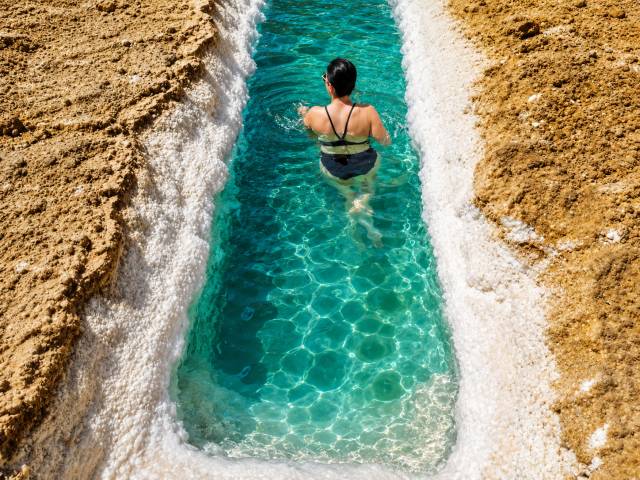
One of the most unusual things to do in Siwa is swimming or floating in its salt lakes.
The lakes are famous for their extremely high salt concentration, which makes it remarkably easy for visitors to float on the surface. The experience is both relaxing and memorable, particularly with the desert scenery surrounding the water.
The contrast is one of the most fascinating aspects of Siwa. Green palm plantations and agricultural areas exist alongside dry desert landscapes and brilliant white salt formations.
A visit to the salt lakes is therefore much more than a swim. It is an opportunity to experience one of the natural environments that makes Siwa so unusual.
Relax at Cleopatra's Spring
Cleopatra's Spring, also known as Cleopatra's Bath, is one of the best-known natural attractions in Siwa.
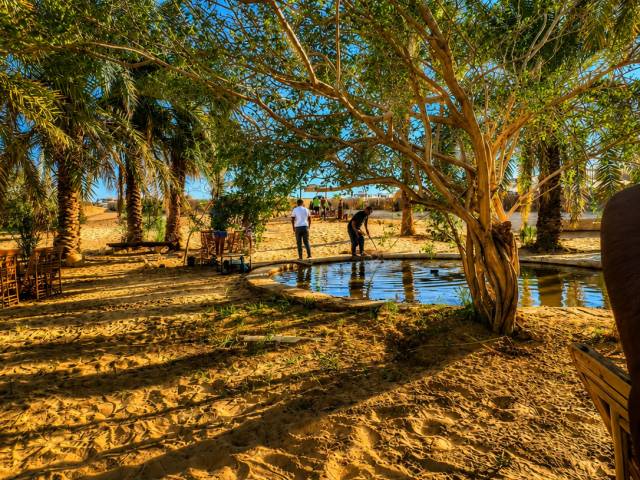
The spring is surrounded by palm trees and the peaceful atmosphere of the oasis, making it a popular place to stop during a sightseeing day.
Local stories have connected the spring with Cleopatra for generations, although the historical connection is part of Siwa's broader collection of legends and traditions.
Regardless of the story behind its name, the spring provides something that is essential to a Siwa experience: time to slow down.
After exploring archaeological sites or spending time in the desert, relaxing beside the natural waters of the oasis can be one of the most enjoyable parts of the trip.
Take a Desert Safari into the Great Sand Sea
For travelers looking for adventure, a Siwa desert safari is one of the experiences that should not be missed.
Once you leave the green oasis behind, the scenery changes dramatically. Palm trees and cultivated land give way to vast stretches of golden sand and enormous dunes extending toward the horizon.
Explore the Great Sand Sea in Siwa
A typical desert adventure can include dune driving, sandboarding, visiting remote desert areas, swimming in natural springs, and watching the sunset from the dunes.
The Great Sand Sea demonstrates the incredible contrast of Siwa. Within the same journey, travelers can move from a lush oasis filled with palm trees into one of the Sahara's most dramatic environments.
Visit Bir Wahed
Bir Wahed is often included in Great Sand Sea excursions.
The site is famous for its warm natural water surrounded by desert dunes. The contrast between thermal water and the surrounding Sahara creates an unusual and memorable experience.
A desert safari combining the Great Sand Sea and Bir Wahed can be one of the highlights of a Siwa itinerary.
Discover the Mountain of the Dead
Gebel al-Mawta, commonly known as the Mountain of the Dead, is another important historical attraction in Siwa.
The hill contains ancient tombs dating from different historical periods and provides evidence of the oasis's long archaeological history.
Walking among the tombs offers a different perspective on Siwa. The oasis is often associated with relaxation, salt lakes, and desert adventures, but its archaeological sites reveal how deeply connected the region has been to the wider history of North Africa and Egypt.
The elevated position of the mountain also provides views across parts of the oasis.
Watch the Sunset Over Siwa
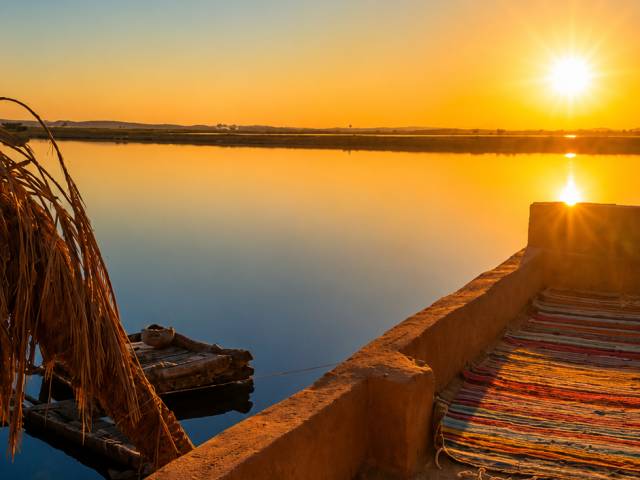
Sunset should be considered an experience in its own right when visiting Siwa.
As the sun begins to disappear, the colors of the desert change rapidly. Golden dunes become orange and red, palm trees turn into silhouettes, and the surrounding landscape takes on a completely different appearance.
Fatnas Island is one of the well-known places to watch sunset, but travelers do not necessarily need a famous viewpoint to enjoy the experience.
A quiet location overlooking the oasis can be just as memorable.
For photographers, sunset also provides excellent opportunities to capture the contrast between the palm-filled oasis, desert terrain, and changing sky.
Experience Siwa's Unique Culture
Beyond its archaeological sites and natural attractions, Siwa's culture is one of the most important reasons to visit.
The oasis has a distinctive cultural identity influenced by its Amazigh heritage and its geographical isolation from Egypt's major cities. Traditional architecture, food, crafts, music, clothing, and local customs all contribute to Siwa's unique character.
Travelers can explore local markets, discover handmade crafts, sample traditional food, and learn more about everyday life in the oasis.
Local handicrafts can include silver jewelry, woven products, baskets, and other handmade items reflecting generations of traditional knowledge.
Visitors should also be respectful when photographing people or entering traditional communities. Asking permission before taking close photographs is an important part of responsible travel.
Travel to Siwa by Road
Getting to Siwa is part of the adventure. The oasis is located far from Cairo and Alexandria, making the journey considerably longer than visiting Egypt's major tourist attractions.
For travelers planning their first visit, arranging transportation in advance can make the journey easier and more comfortable.
Private transportation can also allow travelers to build additional stops or activities into their itinerary, depending on the available time.
How Many Days Do You Need in Siwa?
A short visit of two or three days can cover many of Siwa's major highlights, including Shali Fortress, the Temple of the Oracle, the salt lakes, Cleopatra's Spring, and a desert safari.
Travelers with more time can slow down the itinerary and enjoy additional cultural experiences, archaeological sites, nature, and desert activities.
A longer stay is particularly worthwhile for visitors who want to experience Siwa at a relaxed pace rather than rushing between attractions.
Best Time to Visit Siwa Oasis
The cooler months are generally more comfortable for exploring Siwa, particularly when combining sightseeing with desert activities.
Autumn, winter, and spring can provide pleasant conditions for walking through archaeological sites and spending time outdoors. Summer temperatures can be extremely high, especially during the middle of the day.
Regardless of the season, travelers should plan outdoor activities around the weather, carry sufficient water, use sun protection, and follow local guidance when heading into remote desert areas.
Why Siwa Oasis Is Worth Visiting
Siwa offers something that is difficult to find in one destination: ancient history, traditional culture, natural landscapes, and desert adventure.
You can explore a centuries-old fortress in the morning, float in a salt lake, relax beside a natural spring, cross enormous Sahara dunes, and watch the sunset over an oasis filled with palm trees—all within the same trip.
That combination makes Siwa one of Egypt's most distinctive destinations for travelers who want to experience a side of the country beyond the traditional Cairo, Luxor, and Nile itinerary.
Plan Your Siwa Oasis Adventure
Whether you want to explore the historical sites, swim in the salt lakes, experience the Great Sand Sea, or combine everything into a private desert adventure, Siwa can be tailored to different travel styles and schedules.
Let’s Explore Egypt can help you organize private transportation, sightseeing, desert experiences, and a customized Siwa itinerary.
From ancient ruins to golden dunes, Siwa Oasis offers an unforgettable journey into one of Egypt's most extraordinary landscapes.
Food to Try in Siwa
Food is another enjoyable way to experience the oasis.
Siwa is known for its agricultural products, especially dates and olives. The fertile environment of the oasis supports extensive palm and olive groves, and these local ingredients naturally appear in the food and products visitors encounter.
Try traditional local meals when possible rather than eating only familiar international dishes. A meal in Siwa is often more than food; it is an opportunity to experience the hospitality and slower rhythm of the oasis.
Fresh bread, dates, olives, local vegetables, tea, and traditional dishes can all become part of the travel experience.
When Is the Best Time to Visit Siwa?
The most comfortable periods for visiting Siwa are generally during the cooler parts of the year.
Spring and autumn offer more pleasant conditions for walking, sightseeing, cycling, and desert activities. Winter can be enjoyable during the daytime, although evenings and nights may become cold. Summer temperatures can be extremely high, making outdoor exploration more challenging.
If your itinerary includes a Great Sand Sea safari, archaeological sites, and long periods outdoors, avoiding the hottest part of the year is usually the most comfortable choice.
How Many Days Should You Spend in Siwa?
A short visit is possible, but Siwa is better enjoyed slowly.
Three nights is a reasonable minimum for travelers who want to see the main attractions. However, four or five days allows for a much more relaxed experience.
A longer stay gives you time to explore the town, visit historical sites, float in the salt lakes, enjoy a desert safari, relax at springs, and experience the atmosphere of the oasis without rushing.
Suggested Siwa Itinerary
Day 1: Arrive and Discover the Oasis
Arrive in Siwa and settle into your hotel. Spend the afternoon exploring the town and walking around the historic Shali area. End the day with a sunset view.
Day 2: History and Natural Springs
Visit the Temple of the Oracle and other archaeological sites around the oasis. Continue to Cleopatra's Spring and explore the palm-filled countryside.
Day 3: Salt Lakes and Local Life
Spend time at the salt lakes and enjoy the unique experience of floating in the highly saline water. Explore local markets, handicrafts, and traditional areas of Siwa.
Day 4: Great Sand Sea Adventure
Join a 4x4 desert safari. Experience the massive dunes, try sandboarding if available, visit Bir Wahed, and watch the sunset in the desert.
Day 5: Slow Morning and Departure
Enjoy a relaxed breakfast, take a final walk through the oasis, buy local products or souvenirs, and begin your journey onward.
Important Travel Tips for Siwa
Siwa is easy to enjoy when visitors plan ahead.
Bring cash. While payment options are improving, smaller purchases and some local services may be easier to pay for in Egyptian pounds.
Pack for changing temperatures. Desert days and nights can feel very different, especially outside summer.
Dress respectfully. Siwa is a traditional community, and modest clothing is a good choice when exploring the town and local villages.
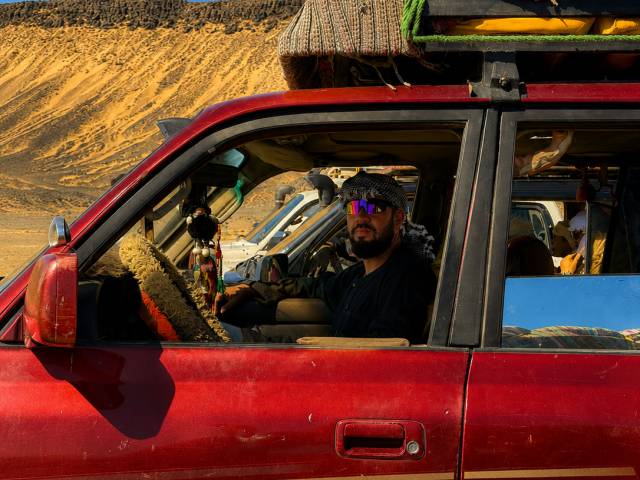
Use experienced local guides for desert trips. The Great Sand Sea is beautiful but vast. Desert exploration should be arranged with knowledgeable professionals.
Do not rush your trip. Siwa is not the best destination for travelers who want to visit ten attractions in one day. Its atmosphere is one of its greatest strengths.
Why Siwa Should Be on Your Egypt Travel List
Egypt is famous around the world for the Pyramids of Giza, the temples of Luxor, the Valley of the Kings, and Nile cruises. Those places deserve their reputation.
But Siwa offers a completely different side of the country.
Here, history is mixed with desert silence. Ancient temples stand near palm groves. Salt lakes shine under the sun. Hot springs appear among the dunes. Traditional culture remains an important part of everyday life.
Siwa is a destination for travelers who want to see more than Egypt's famous monuments. It offers adventure without losing its tranquility and history without feeling like an open-air museum.
The long journey to reach the oasis may require patience, but for many travelers, that distance is exactly what makes Siwa unforgettable.
If you are searching for an authentic, peaceful, and extraordinary Egyptian experience, Siwa Oasis is a destination that deserves more than a quick visit. Come with enough time, keep your itinerary flexible, and let the oasis set the pace of your journey.
Frequently Asked Questions About Siwa Oasis
Where is Siwa Oasis located?
Siwa Oasis is located in Egypt's Western Desert, in Matrouh Governorate, near the Libyan border. It is one of Egypt's most remote and unique tourist destinations.
What is Siwa Oasis famous for?
Siwa Oasis is famous for its salt lakes, palm groves, natural springs, Shali Fortress, the Temple of the Oracle of Amun, Cleopatra's Spring, the Mountain of the Dead, and desert safaris in the Great Sand Sea.
Is Siwa worth visiting?
Yes, Siwa is absolutely worth visiting for travelers looking for a different side of Egypt. The oasis combines ancient history, beautiful natural landscapes, local Amazigh culture, salt lakes, desert adventures, and a peaceful atmosphere.
What are the best things to do in Siwa Oasis?
The best things to do in Siwa include floating in the salt lakes, exploring Shali Fortress, visiting the Temple of the Oracle, swimming at Cleopatra's Spring, visiting the Mountain of the Dead, enjoying a sunset at Fatnas Island, and taking a 4x4 safari into the Great Sand Sea.
How many days do you need in Siwa?
Most visitors need at least 3 to 4 days to experience Siwa properly. A longer stay of 5 days allows more time to relax and explore the oasis without rushing.
What is the best time to visit Siwa Oasis?
The best time to visit Siwa is generally from October to April. The weather is more comfortable for sightseeing, swimming, walking, and desert safaris. Summer can be extremely hot.
How do you get to Siwa from Cairo?
The most common way to travel from Cairo to Siwa is by road. Visitors can travel by private car, private transfer, or bus. The journey is long and usually takes around 8 to 10 hours or more, depending on the route and stops.
How far is Siwa from Cairo?
Siwa Oasis is approximately 750 km from Cairo by road, although the exact travel distance depends on the route taken.
Can you visit Siwa from Alexandria?
Yes, you can travel to Siwa from Alexandria by road, usually via Marsa Matruh. Alexandria can be a convenient starting point for travelers visiting Egypt's Mediterranean coast before continuing to Siwa.
How far is Siwa from Alexandria?
The distance between Alexandria and Siwa is approximately 700 km by road, depending on the route.
Is there an airport in Siwa?
Siwa does not currently have regular commercial flight connections for most tourists. Visitors generally travel to Siwa by road.
Can you travel to Siwa by bus?
Yes, bus services are available for travelers who want a more budget-friendly way to reach Siwa. Travel times and schedules can vary, so it is best to check current transport options before your trip.
Can you visit Siwa on a day trip from Cairo?
A day trip from Cairo to Siwa is not practical because of the long distance. An overnight trip is essential, and most travelers should plan at least 3 days for a comfortable visit.
Can you visit Siwa on a weekend trip?
Yes, but a longer trip is recommended. Because the journey takes many hours, a 3- or 4-day trip gives visitors more time to enjoy Siwa's attractions.
What are the Siwa Salt Lakes?
The Siwa Salt Lakes are highly saline bodies of water surrounded by the desert landscape. Their high salt concentration makes it easy for visitors to float on the surface.
Can you swim in the Siwa Salt Lakes?
Yes, visitors can swim and float in many of the Siwa Salt Lakes. However, avoid getting the salty water in your eyes or on cuts and rinse off with fresh water after swimming.
Why can you float in Siwa Salt Lakes?
The water in the salt lakes contains a very high concentration of salt, which increases buoyancy and makes it easier for the human body to float.
Do you need to bring fresh water to the salt lakes?
It is a good idea to have access to fresh water after swimming because the salt can remain on your skin and feel uncomfortable.
What is Cleopatra's Spring in Siwa?
Cleopatra's Spring is one of the most famous natural springs in Siwa Oasis. It is a popular stop for visitors who want to relax and experience the oasis environment.
Can you swim in Cleopatra's Spring?
Swimming may be possible depending on the specific area and local conditions. Visitors should follow local guidance and respect any rules at the site.
Did Cleopatra really visit Cleopatra's Spring?
The connection between Cleopatra and the spring is part of local tradition and tourism history. There is no definitive evidence that Cleopatra herself swam at the spring.
What is Shali Fortress?
Shali Fortress is the historic fortified settlement in the center of Siwa. It was traditionally built using local materials and is one of the oasis's most important cultural and architectural landmarks.
Is Shali Fortress worth visiting?
Yes, Shali Fortress is one of the top attractions in Siwa. Visitors can explore its historic passages and enjoy views over the oasis and surrounding palm groves.
What is the Temple of the Oracle of Amun?
The Temple of the Oracle of Amun is an ancient religious site in Siwa. It was an important center for the worship of Amun and is traditionally associated with Alexander the Great.
Did Alexander the Great visit Siwa?
Ancient historical tradition records that Alexander the Great traveled to the Oracle of Amun at Siwa to consult the oracle.
What is the Mountain of the Dead in Siwa?
The Mountain of the Dead, also known as Gebel al-Mawta, is an archaeological hill containing ancient tombs from different historical periods.
Can you take a desert safari in Siwa?
Yes. A 4x4 desert safari is one of the most popular activities in Siwa. Tours into the Great Sand Sea can include dune driving, sandboarding, hot springs, and sunset views.
What is the Great Sand Sea?
The Great Sand Sea is a vast desert region containing enormous sand dunes. It is one of the most spectacular areas for desert adventures near Siwa.
Can you go sandboarding in Siwa?
Yes, sandboarding is available on some Great Sand Sea desert safari tours. The large dunes around Siwa provide excellent opportunities for the activity.
What is Bir Wahed?
Bir Wahed is a natural hot spring located in the desert near Siwa. It is commonly included as part of a Great Sand Sea safari experience.
Is Bir Wahed worth visiting?
Yes, Bir Wahed is worth visiting for travelers taking a desert safari. Swimming in warm water while surrounded by desert dunes is one of Siwa's most unusual experiences.
Where can you watch the sunset in Siwa?
Fatnas Island is one of the best-known places to watch the sunset in Siwa. Other desert and lakeside locations can also offer beautiful sunset views.
What is Fatnas Island?
Fatnas Island is a scenic area near Siwa that is famous for its palm trees, water views, and beautiful sunsets.
What culture does Siwa have?
Siwa has a distinctive cultural identity with strong Amazigh roots. The local community has preserved traditions, customs, crafts, architecture, and the Siwi language.
What language do people speak in Siwa?
Arabic is widely spoken, while the local Siwi language is also an important part of the oasis's Amazigh cultural heritage.
What food should you try in Siwa?
Visitors should try local dishes and products made with Siwa's famous dates and olives. Traditional bread, local vegetables, and regional recipes are also worth experiencing.
What souvenirs should you buy in Siwa?
Popular Siwa souvenirs include dates, olive products, handmade crafts, traditional textiles, baskets, and locally made jewelry.
Is Siwa expensive?
The cost of visiting Siwa depends on your accommodation, transportation, and activities. Budget travelers can use buses and simple guesthouses, while private transfers, boutique hotels, and private desert safaris cost more.
Is Siwa safe for tourists?
Siwa is generally known as a peaceful destination. Travelers should follow current official travel advice, respect local regulations, and use experienced guides for desert activities.
Is Siwa safe for solo travelers?
Many solo travelers visit Siwa successfully. It is advisable to arrange reliable transportation, book accommodation in advance, and use organized tours or experienced local guides for remote desert activities.
Is Siwa safe for female travelers?
Female travelers can visit Siwa, but dressing modestly and respecting local customs is recommended. Solo travelers may also prefer arranging trusted transportation and accommodation in advance.
Is Siwa suitable for families?
Yes, Siwa can be a good destination for families. Activities such as visiting springs, exploring palm groves, floating in salt lakes, and taking private sightseeing tours can be suitable for different ages.
Is Siwa good for couples?
Yes, Siwa is an excellent destination for couples looking for a peaceful and romantic escape. Sunset views, boutique hotels, desert camps, natural springs, and quiet landscapes make it particularly appealing.
What should you wear in Siwa?
Comfortable, lightweight, and modest clothing is recommended. Bring comfortable walking shoes, sunglasses, sunscreen, a hat, swimwear, and warmer clothes for cool evenings during the winter.
Do you need a guide in Siwa?
A guide is not necessary for walking around Siwa town, but a knowledgeable guide can make visits to historical sites more informative. For remote desert trips and safaris, an experienced guide is strongly recommended.
Can you rent a bicycle in Siwa?
Bicycles can be a popular way to explore parts of the oasis, including palm groves and nearby attractions. Availability depends on local rental services.
Can you use credit cards in Siwa?
Some hotels and larger businesses may accept cards, but cash is useful for small shops, local markets, tips, and some services.
Is there internet and Wi-Fi in Siwa?
Internet and Wi-Fi are available in many hotels and businesses, but connections may not always be as fast or reliable as in Cairo or other major Egyptian cities.
What should you pack for a trip to Siwa?
Pack lightweight clothes, modest outfits, comfortable shoes, swimwear, sunscreen, sunglasses, a hat, a reusable water bottle, personal medication, and warm clothing for cool desert evenings.
Do you need sunscreen in Siwa?
Yes. The desert sun can be strong, so sunscreen, sunglasses, and a hat are highly recommended.
Is Siwa very hot?
Siwa can become extremely hot during the summer. Temperatures are generally more comfortable during autumn, winter, and spring.
Does it get cold in Siwa at night?
Yes. Desert temperatures can drop significantly after sunset, especially during winter, so warm layers are recommended.
Can you visit Siwa in summer?
Yes, but summer is very hot and may not be ideal for travelers planning extensive outdoor activities. Early mornings and evenings are more comfortable during the hottest months.
Can you visit Siwa in winter?
Yes. Winter is one of the popular times to visit Siwa because daytime temperatures are generally more comfortable for sightseeing and desert activities. Nights can be cold.
How much time should you spend in the Great Sand Sea?
A half-day safari is enough for a basic experience, but a longer desert excursion can provide more time for dune activities, springs, and sunset views.
Can you camp in the Siwa Desert?
Desert camping experiences may be available through organized local operators. Travelers should avoid camping independently in remote areas without proper preparation and local knowledge.
Are there luxury hotels in Siwa?
Yes, Siwa offers a range of accommodation, from simple guesthouses to boutique and eco-style luxury properties.
Are there budget hotels in Siwa?
Yes, budget accommodation and simple guesthouses are available for travelers looking for a more affordable stay.
Is Siwa good for eco-tourism?
Yes. Siwa is an attractive destination for travelers interested in eco-tourism, nature, traditional architecture, local agriculture, and sustainable-style accommodation.
What makes Siwa unique?
Siwa is unique because it combines a remote desert location, Amazigh culture, ancient history, natural springs, salt lakes, palm groves, and access to the Great Sand Sea.
Should Siwa be included in an Egypt itinerary?
Siwa is an excellent addition to an Egypt itinerary for travelers with enough time. It is especially suitable for visitors who want to experience Egypt beyond Cairo, Giza, Luxor, and Aswan.
What is the best Siwa itinerary?
A 4-day Siwa itinerary is ideal for first-time visitors. It can include Shali Fortress, the Temple of the Oracle, Cleopatra's Spring, the Mountain of the Dead, Siwa Salt Lakes, Fatnas Island, and a Great Sand Sea safari.
Can Siwa be combined with Marsa Matruh?
Yes. Many travelers combine Siwa with Marsa Matruh because the coastal city is located on the main travel route toward the oasis.
Why should you visit Siwa Oasis?
You should visit Siwa Oasis for its unique combination of history, nature, culture, relaxation, and adventure. Few destinations in Egypt offer ancient monuments, salt lakes, natural springs, palm groves, and vast Sahara landscapes in one place.