


What to See at the Grand Egyptian Museum: Top Highlights
The Grand Egyptian Museum (GEM) is one of Cairo's most important cultural attractions and offers visitors the opportunity to explore ancient Egyptian history through monumental statues, royal artifacts, archaeological collections, and modern museum displays.
If you are planning a visit, knowing what to see at the Grand Egyptian Museum can help you make the most of your time.
From the impressive Grand Hall and Grand Staircase to ancient Egyptian artifacts and royal collections, there is plenty to discover.
If this is your first visit, you can also read our complete Grand Egyptian Museum Guide for additional visitor information.
What Are the Best Things to See at the Grand Egyptian Museum?
The museum contains a wide range of ancient Egyptian collections and architectural features. Some highlights deserve special attention during your visit.
1. The Grand Hall
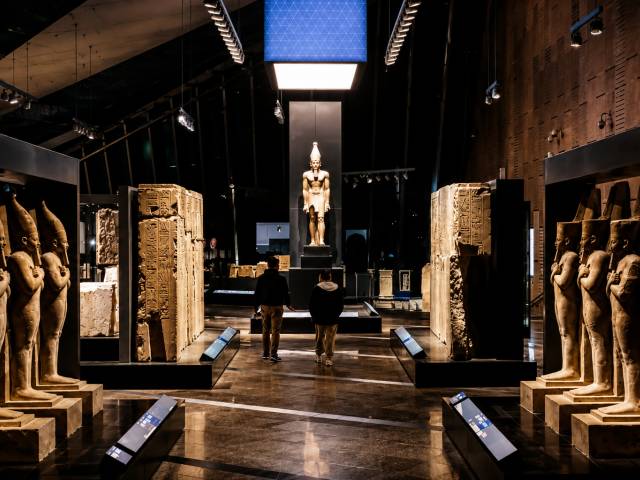
The Grand Hall provides an impressive introduction to the Grand Egyptian Museum.
The large entrance space welcomes visitors with monumental Egyptian artifacts and architectural features that reflect the scale and importance of ancient Egyptian civilization.
It is also an excellent starting point for understanding the museum before exploring its galleries.
2. The Grand Staircase
The Grand Staircase is one of the most recognizable features of GEM.
Visitors can see monumental statues and large-scale artifacts arranged along the staircase, creating a dramatic journey through ancient Egyptian history.
The staircase also provides an opportunity to appreciate the scale of the museum's collections and architecture.
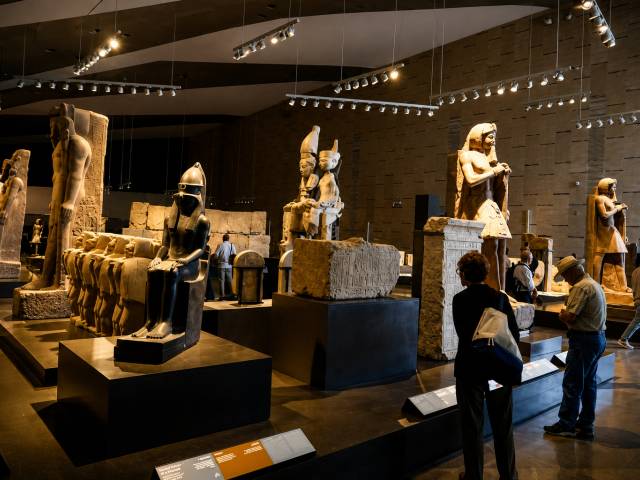
3. Ancient Egyptian Statues
Throughout the museum, visitors can encounter statues representing pharaohs, gods, queens, officials, and other important figures from ancient Egyptian civilization.
These sculptures provide valuable insight into ancient Egyptian art, religion, political power, and royal traditions.
Look closely at the details of the statues, including crowns, clothing, symbols, and inscriptions.
4. Royal Collections
Royal artifacts are among the most fascinating objects to explore at the museum.
These collections help visitors understand the lives of Egypt's rulers and the role of kingship in ancient Egyptian society.
Your Egyptologist can explain the historical context behind the objects and the pharaohs associated with them.
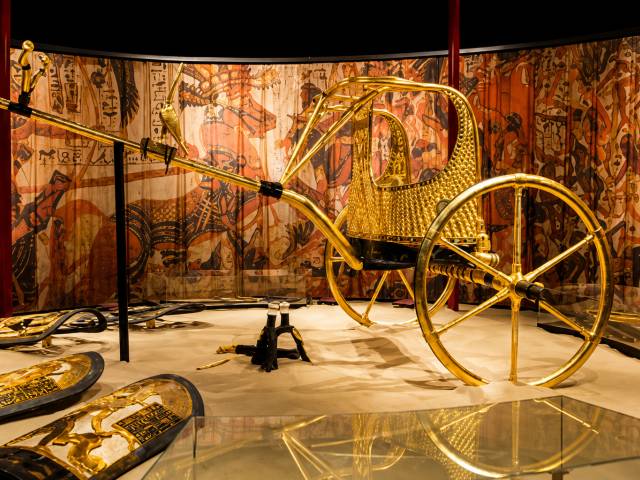
5. Treasures Associated with Tutankhamun
The story of King Tutankhamun is one of the most famous chapters in ancient Egyptian archaeology.
Collections associated with the young pharaoh provide an opportunity to learn more about royal life, burial traditions, craftsmanship, and ancient Egyptian beliefs.
If Tutankhamun is one of the main reasons for your visit, consider allowing additional time to explore the relevant collections.
6. Ancient Egyptian Art and Craftsmanship
The museum's collections demonstrate the remarkable skills of ancient Egyptian craftsmen.
Visitors can see objects created from materials such as stone, wood, metal, ceramics, and other materials.
These objects reveal how ancient Egyptians combined artistic skill with religious, practical, and symbolic purposes.
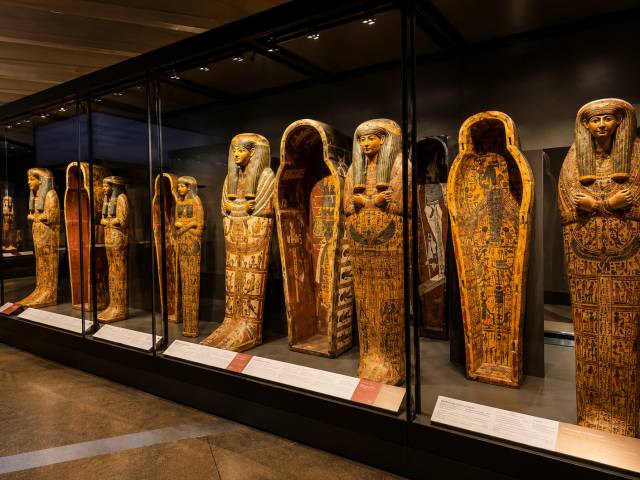
7. Funerary and Burial Objects
Ancient Egyptians had complex beliefs about death and the afterlife.
Funerary objects provide an opportunity to learn about burial traditions, religious beliefs, mummification, and the journey to the afterlife.
An Egyptologist can explain the meaning behind different objects and symbols, making this part of the museum particularly interesting.
8. Objects From Daily Life
Not everything in the museum belonged to kings and temples.
Ancient Egyptian collections also provide information about everyday life, including work, family, religion, agriculture, writing, and trade.
These objects help visitors understand how people lived thousands of years ago.
9. Hieroglyphic Inscriptions
Hieroglyphs are one of the most recognizable features of ancient Egyptian civilization.
Throughout the museum, inscriptions can help visitors understand the names, titles, religious beliefs, and achievements of ancient Egyptians.
Your guide can explain how hieroglyphs were used and help you recognize common symbols.
10. Monumental Architecture and Museum Design
The Grand Egyptian Museum is not only about the artifacts.
Its modern architecture and large exhibition spaces are part of the experience.
The building was designed to create a connection between the museum and the nearby Giza Pyramids, making the surrounding landscape an important part of the visit.
How Long Does It Take to See the Grand Egyptian Museum?
The amount of time you need depends on how deeply you want to explore the museum.
For a highlights-focused visit, around 2 to 3 hours can provide a good introduction.
Travelers who enjoy archaeology and ancient history may prefer to spend 3 to 4 hours or more exploring the museum.
If you combine GEM with the Giza Pyramids and Sphinx, plan your entire day carefully so you do not feel rushed.
What Should You See First at GEM?
If you have limited time, consider focusing on:
-
The Grand Hall
-
The Grand Staircase
-
Major monumental statues
-
Royal collections
-
Tutankhamun-related collections
-
Important archaeological artifacts
-
Funerary and religious objects
A private Egyptologist can also help you prioritize the most important exhibits based on your interests.
Should You Visit the Grand Egyptian Museum With an Egyptologist?
You can explore the museum independently, but a professional Egyptologist can add significant historical context.
Ancient Egyptian artifacts often contain religious symbols, inscriptions, and historical references that are difficult to understand without background knowledge.
A guide can explain:
-
Who created the artifact
-
Which pharaoh or historical period it belongs to
-
What the symbols mean
-
How the object was used
-
Its religious or cultural importance
-
How it relates to ancient Egyptian civilization
If you want a more personalized experience, consider a Grand Egyptian Museum Tour with a professional Egyptologist.
Can You See the Pyramids From the Grand Egyptian Museum?
The museum is located close to the Giza Pyramids, and the surrounding area provides views toward the famous pyramid landscape.
This proximity makes it easy to combine a museum visit with the Giza Pyramids and Great Sphinx.
For travelers visiting Cairo for the first time, a Giza Pyramids and Grand Egyptian Museum Tour can be an efficient way to experience both attractions in one day.
What to See at the Grand Egyptian Museum With Children
Families can enjoy GEM by focusing on the most visually impressive parts of the museum.
Children may particularly enjoy:
-
Monumental statues
-
The Grand Hall
-
The Grand Staircase
-
Ancient Egyptian royal objects
-
Hieroglyphic inscriptions
-
Stories about pharaohs and ancient Egyptian gods
A private guide can adjust the explanations to make the history easier and more interesting for younger travelers.
What to See If You Have Only Two Hours
If your time is limited, concentrate on the museum's major highlights rather than trying to see everything.
A two-hour visit can focus on:
First: Grand Hall and major monumental features.
Second: Grand Staircase and important statues.
Third: Key royal and archaeological collections.
Fourth: Tutankhamun-related treasures and other highlights available during your visit.
The exact route and available exhibits may change, so check the latest museum information before your visit.
What to See If You Have Four Hours
With four hours, you can explore at a more relaxed pace.
You can spend additional time examining artifacts, reading inscriptions, learning about ancient Egyptian religion, and discussing the collections with your Egyptologist.
A longer visit is especially worthwhile for travelers who have a strong interest in archaeology and ancient Egyptian history.
Grand Egyptian Museum and Giza Pyramids
One of the biggest advantages of visiting GEM is its location near the Giza Pyramids.
You can combine:
-
Grand Egyptian Museum
-
Giza Pyramids
-
Great Sphinx
-
Valley Temple
-
Lunch
-
Other nearby attractions depending on your itinerary
This combination is ideal for travelers who have only one full day to explore the main highlights of Cairo.
Explore our Grand Egyptian Museum Tours to find private experiences that combine GEM with the pyramids and other Cairo attractions.
Grand Egyptian Museum vs Egyptian Museum
Cairo's two major museums offer different experiences.
The Grand Egyptian Museum is a modern museum near the Giza Pyramids, while the historic Egyptian Museum in Tahrir Square offers a traditional museum experience in Downtown Cairo.
If you are unsure which museum to visit, read our Egyptian Museum vs Grand Egyptian Museum comparison.
Tips for Seeing the Grand Egyptian Museum
To make the most of your visit:
-
Allow enough time for the museum.
-
Wear comfortable shoes.
-
Plan your museum visit around the rest of your Cairo itinerary.
-
Consider hiring an Egyptologist if you want detailed explanations.
-
If combining GEM with the pyramids, allow enough time for both attractions.
-
Check the latest visitor information before your trip.
-
Do not try to rush through every collection if you have limited time.
Frequently Asked Questions
What are the most important things to see at the Grand Egyptian Museum?
Major highlights include the Grand Hall, Grand Staircase, monumental statues, royal collections, ancient Egyptian artifacts, and collections associated with Tutankhamun.
How many hours do I need at the Grand Egyptian Museum?
A highlights visit can take around 2 to 3 hours, while visitors who want to explore more extensively may spend 3 to 4 hours or longer.
Can I visit GEM and the Pyramids on the same day?
Yes. The museum's location near the Giza Pyramids makes it convenient to combine both attractions in one day.
Do I need an Egyptologist at GEM?
You can visit independently, but an Egyptologist can provide historical context and explain the meaning and importance of the artifacts.
Is the Grand Egyptian Museum good for families?
Yes. Families can enjoy the monumental statues, architecture, royal collections, and stories of ancient Egyptian civilization.
What should I see at GEM if I have limited time?
Focus on the Grand Hall, Grand Staircase, major statues, royal collections, and the most important collections available during your visit.
Plan Your Grand Egyptian Museum Visit
The Grand Egyptian Museum offers much more than a collection of ancient artifacts. It provides an opportunity to explore the history, culture, religion, art, and achievements of ancient Egyptian civilization in a modern museum environment.
If you want to understand the museum before your visit, read our Grand Egyptian Museum Guide.
If you are ready to explore GEM with a professional guide, discover our Grand Egyptian Museum Tours.
And if you are deciding between Cairo's two major museums, read our Egyptian Museum vs Grand Egyptian Museum comparison.